根据国际货币基金组织(IMF)的预测,孟加拉国今年的人均国内生产总值(GDP)将高于亚洲第三大经济体印度。
Bangladesh’s per capita gross domestic product (GDP) is projected to be higher than that of Asia’s third largest economy, India, this year, according to the International Monetary Fund (IMF).
GDP是衡量一个国家在特定时期内生产的所有商品和服务的指标。印度的GDP规模几乎是孟加拉国的八倍。但其邻国的人均GDP——即GDP除以总人口——预计将超过世界人口最多国家印度。
GDP is a measure of all goods and services produced within a country during a specific period. India’s GDP is nearly eight times larger than Bangladesh’s. But its neighbour’s per capita GDP, which is GDP divided by the total population, is expected to surpass that of India, the world’s most populous nation.
拥有约1.75亿人口的孟加拉国,预计2026年人均GDP为2886美元,而印度为2749美元。达卡在过去二十年里已成为南亚著名的经济成功案例之一。孟加拉国的经济规模目前已大于巴基斯坦,孟加拉国于1971年从巴基斯坦分离独立。
The projected 2026 per capita GDP of Bangladesh, home to about 175 million people, is $2,886, compared with $2,749 in India as Dhaka emerges as one of South Asia’s notable economic success stories over the past two decades. Bangladesh’s economy is currently larger than that of Pakistan, from which Dhaka seceded in 1971.
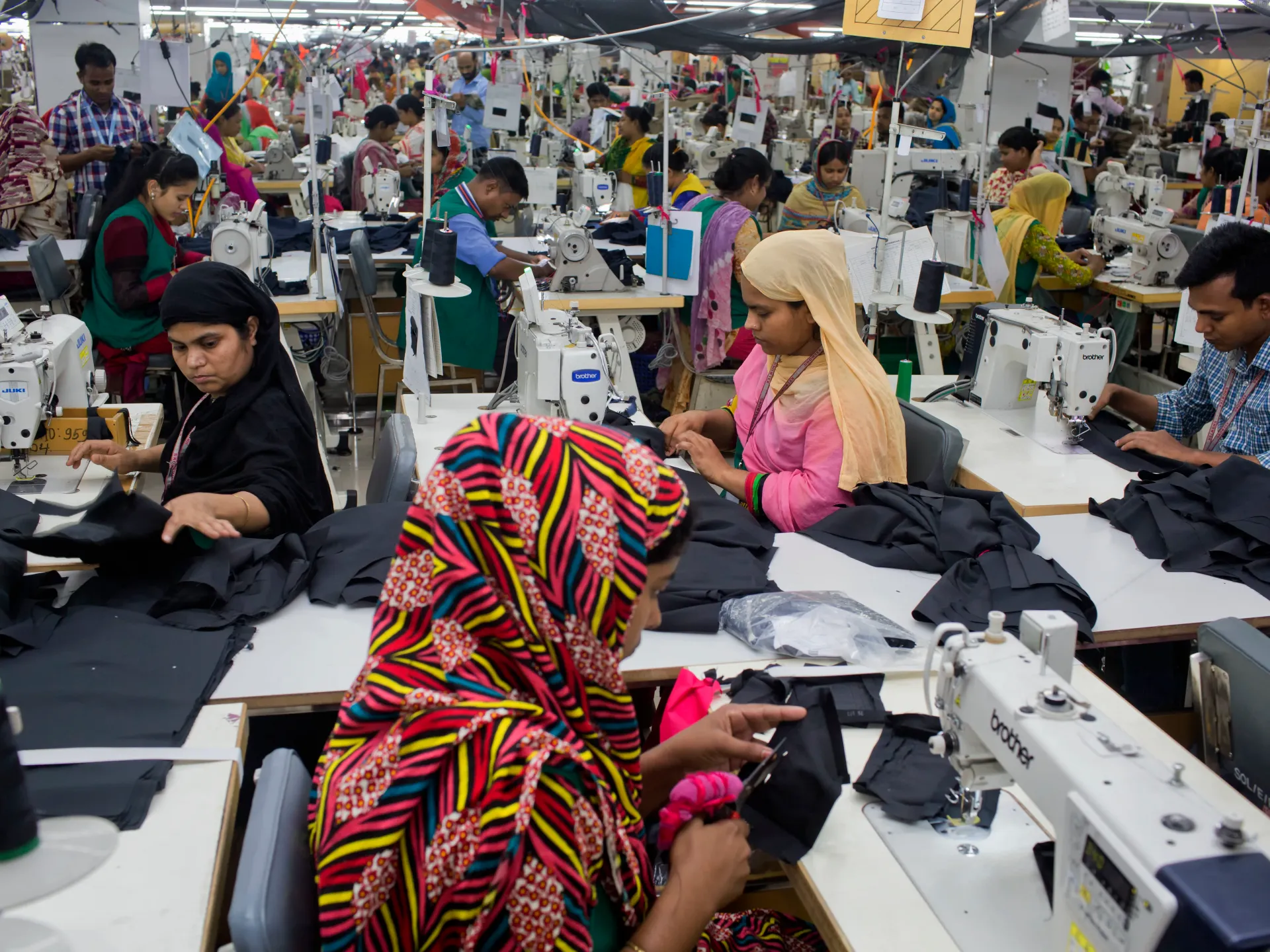
专家将这一增长归因于该国380亿美元的服装产业、汇款以及女性劳动力参与率的提高。
Experts link the rise to the country’s $38bn garment industry, remittances and growing participation of women in the workforce.
但高通胀和增长放缓正给这一进步带来压力。与此同时,印度经济预计今年将增长7%,而孟加拉国为3.6%。
But high inflation and slowing growth are now putting that progress under pressure. Meanwhile, the Indian economy is expected to grow by 7 percent this year, compared with 3.6 percent in Bangladesh.
那么,该如何解读这些数字?它们对生活在这两个国家的数百万人究竟意味着什么?
So how should one read these numbers, and what do they really mean for millions of people living in these countries?
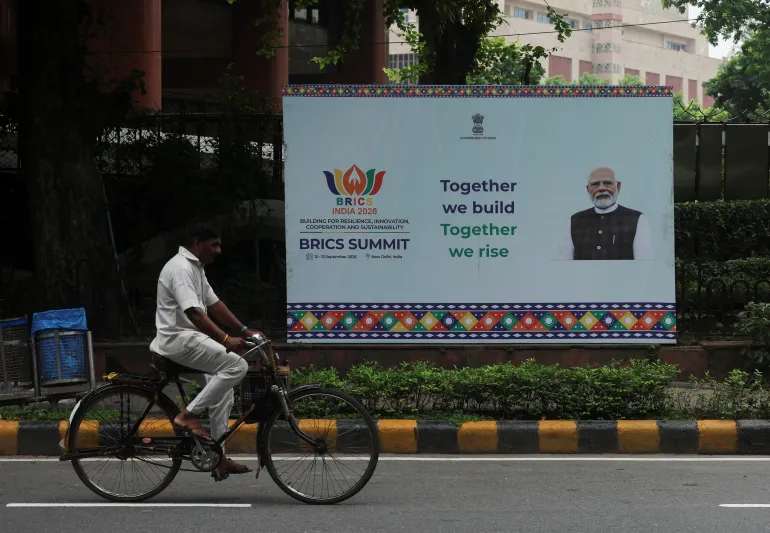
一名男子骑车经过一块印有印度总理纳伦德拉·莫迪画像的广告牌,摄于2026年9月11日,印度新德里金砖国家峰会前夕 IMF报告说了什么?
A man cycles past a hoarding featuring Indian Prime Minister Narendra Modi before the BRICS summit in New Delhi, India, on September 11, 2026 [Francis Mascarenhas/Reuters] What’s in the IMF report?
国际货币基金组织2026年10月《世界经济展望》报告强调了印度和孟加拉国经济在应对通胀以及两场大规模战争冲击能源市场所造成的经济压力时的不同反应。
The IMF’s October 2026 World Economic Outlook report underscores differences in how the Indian and Bangladeshi economies are reacting to inflation and the economic pressures caused by two major wars that have jolted energy markets.
预计2026年孟加拉国国内生产总值(GDP)将达5064亿美元,而印度为4.15万亿美元。但若按购买力平价(PPP)调整——即考虑各地物价差异——人均GDP的领先地位将发生逆转。按此衡量,印度人均GDP预计为12998美元,孟加拉国为10884美元。
Bangladesh is expected to have a GDP of $506.4bn in 2026, compared with India’s $4.15 trillion. But its lead in GDP per capita reverses when adjusted for purchasing power parity (PPP), which accounts for differences in local prices. On this measure, India is projected to have a GDP per capita at $12,998, compared with Bangladesh’s $10,884.
PPP是一种经济指标,反映在扣除生活成本差异后,货币在不同国家的实际购买力。这些数据意味着印度人的购买能力高于孟加拉国人。
PPP is an economic metric that represents what money can actually buy in different countries after adjusting for the cost of living. The figures mean that Indians have a higher buying capacity than Bangladeshis.
国际货币基金组织(IMF)预测,印度平均消费者物价通胀率为5%,孟加拉国为8.7%,显示达卡面临更大的生活成本压力。
The IMF projected India’s average consumer-price inflation at 5 percent, compared with 8.7 percent in Bangladesh, pointing to greater cost-of-living pressures in Dhaka.
印度相对更富裕,拥有庞大的工业基础,其中包括重要的科技部门。
India is relatively wealthier than Bangladesh and is home to a big industrial base, including its significant technology sector.
预计2026年印度经济将增长7%,几乎是孟加拉国3.6%增速的两倍。
India’s economy is expected to grow by 7 percent in 2026, nearly twice Bangladesh’s 3.6 percent rate.
为作对比,发展中经济体平均人均GDP约为7746美元,全球平均约为15889美元,而孟加拉国为2886美元,印度为2749美元。
For context, the average per capita GDP in developing economies is about $7,746 – and the global average is about $15,889 – against Bangladesh’s $2,886 and India’s $2,749.
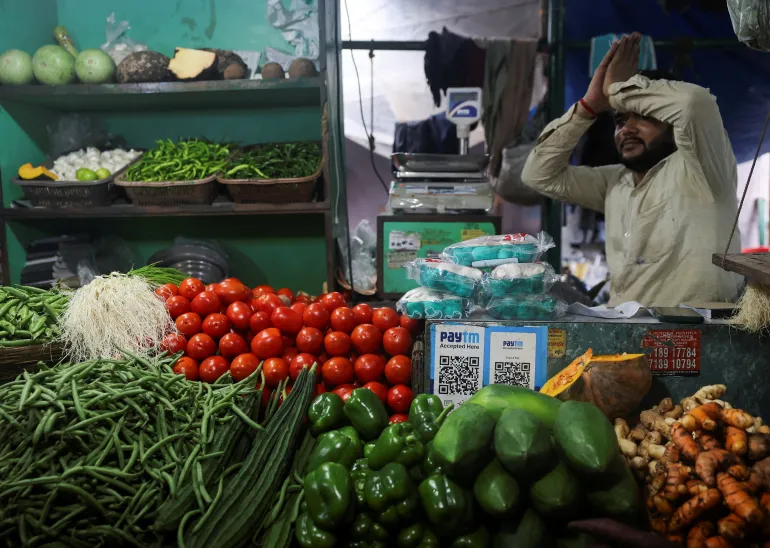
印度孟买一家蔬菜店 [资料图片:Francis Mascarenhas/路透] 印度和孟加拉国经济预计将走向何方?
A vegetable shop in Mumbai, India [File: Francis Mascarenhas/Reuters] Where are India’s and Bangladesh’s economies expected to go?
根据IMF报告,明年孟加拉国人均GDP预计将达3219美元,仍高于印度的3036美元——据估算,这一微弱差距将延续至2028年。
In the next year, the IMF report projected that Bangladesh’s per capita GDP would reach $3,219, still higher than India’s $3,036 – a difference, according to the estimates, that should continue marginally in 2028.
IMF称,基于当前增长预测,2029年印度人均GDP将达3661美元,超过孟加拉国的3334美元。
In 2029, based on current growth forecasts, India’s per capita GDP of $3,661 would top Bangladesh’s $3,334, according to the IMF.
专家指出,尽管孟加拉国预计人均GDP略高于印度,但其近期增长前景较疲软。
Experts noted that Bangladesh is facing a weaker near-term growth outlook, even as its projected GDP per capita edges above India’s.
仅凭人均GDP无法描绘完整的经济图景,因为它掩盖了收入和财富分配的不平等。以美元计价的数值还会随汇率变动,这意味着货币价值的变化可能在经济产出未变的情况下改变相对数值。
But GDP per capita alone does not paint a complete economic picture because it conceals inequalities in income and wealth distribution. The dollar-denominated figure also changes with the exchange rate, which means that a change in a currency’s value can alter the relative numbers without a change in economic output.
简而言之,过去二十年孟加拉国经济增长侧重于出口导向型制造业,尤其是成衣产业,这已成为主要的出口创汇和就业来源,此外还有在海外工作的孟加拉国人汇回的汇款。
In brief, the growth in Bangladesh’s economy in the past two decades has focused on export-oriented manufacturing, particularly its ready-made garment industry, which has been a major source of export earnings and employment, in addition to remittances from Bangladeshis working abroad.
与此同时,印度经济多元化,服务业与制造业、农业同等重要。其国内市场、科技与商务服务、工业基础和消费需求提供了多重经济活动来源。
Meanwhile, India has a diversified economy, with services playing a major role alongside manufacturing and agriculture. Its domestic market, technology and business services, industrial base and consumer demand provide multiple sources of economic activity.
然而,在两国过去十年的经济增长中,财富日益向富裕家庭集中,增长并不均衡。孟加拉国是南亚的成功案例吗?
In both countries, however, economic growth over the past decade has been unequal with increasing concentration in wealthier households. Is Bangladesh a South Asian success story?
在某种程度上是的,分析人士表示,但对不均衡增长表达了谨慎态度。
To some extent, yes, analysts said while expressing caution about unequal growth.
印度经济学家桑托什·梅赫罗特拉告诉半岛电视台,孟加拉国经济显示出每年6%的持续经济增长,同时人口增长长期下降。
Santosh Mehrotra, an Indian economist, told Al Jazeera that Bangladesh’s economy has shown consistent economic growth of 6 percent per annum alongside a long-term decline in population growth.
梅赫罗特拉说,该国制造业对毛增值的贡献也从2014年的16.6%跃升至2025年的22%。另一方面,世界银行数据显示,印度制造业增加值占GDP的比重从2014年的15.1%下降至2024年的13.5%。
The country has also seen its manufacturing contribution to gross value added shoot up from 16.6 percent in 2014 to 22 percent in 2025, Mehrotra said. On the other hand, World Bank data showed India’s manufacturing value added falling from 15.1 percent of GDP in 2014 to 13.5 percent in 2024.
他说:“这是孟加拉国在出口导向型制造业增长方面做得正确的积极一面。”
“That’s a positive side of export-oriented manufacturing growth that Bangladesh is getting right,” he said.
然而,美国和以色列对伊朗的战争引发的全球能源冲击,扰乱了霍尔木兹海峡的海上交通,给孟加拉国带来了冲击。
However, the global energy shock from the United States-Israel war on Iran, which has disrupted maritime traffic in the Strait of Hormuz, has jolted Bangladesh.
孟加拉国95%的石油和液化天然气(LNG)依赖进口,其中大部分来自中东。
Bangladesh imports 95 percent of its oil and liquefied natural gas (LNG), and much of these imports comes from the Middle East.
占孟加拉国出口收入80%以上的成衣产业也受到冲击,因为其经红海和中东的航运路线已被打乱。
The ready‑made garment industry, which accounts for more than 80 percent of Bangladesh’s export earnings, has also been hit as its shipment routes via the Red Sea and the Middle East have been disrupted.