香港新药物监管机构负责人承诺,将建设一个功能完备、全球信任的机构,使其成为推动医疗创新的催化剂,而不仅仅是现有海外模式的“微缩版”。
The head of Hong Kong’s new drug regulatory body has pledged to build a fully capable and globally trusted agency that will become a catalyst for medical innovation rather than merely acting as a “miniature version” of existing overseas models.
香港医药产品管理局(CMPR)局长李子理博士表示,虽然亚洲许多地方,如中国内地、新加坡和日本,早已建立了监管机构,但香港拥有独特的竞争优势。
Dr Li Zili, controller of the Hong Kong Centre for Medical Products Regulation (CMPR), said that while many other places in Asia, such as mainland China, Singapore and Japan, had established regulatory agencies long ago, Hong Kong had a distinctive competitive edge.
他说:“我们不会成为一个迷你版FDA,也不会成为世界上任何监管机构的微缩版。”他指的是美国食品药品监督管理局。
“We are not going to be a mini-FDA, nor a miniature version of any regulatory body in the world,” he said, referring to the United States Food and Drug Administration.
李子理表示,香港拥有两大竞争优势:“一国两制”治理原则,以及内地强大的制药产业。
Li said Hong Kong had two competitive advantages: the “one country, two systems” governing principle and the strong pharmaceutical industry on the mainland.
他说:“美国监管机构之所以强大,是因为其制药产业强大,双方相互推动、共同前进。”他指出,内地产业有望与香港监管机构建立类似的共生关系。
“The US regulatory body is strong because of its pharmaceutical industry, with both sides pushing each other forward,” he said, noting that the mainland industry could have a similar symbiotic relationship with the Hong Kong regulator.
他说:“如今全球34%的创新药管线来自中国内地,香港的优势究竟在哪里,这非常清楚。”李子理毕业于北京协和医学院和美国约翰斯·霍普金斯大学,拥有30年药物研发和监管经验,曾在FDA和多家跨国药企任职。他是在吸引20多名申请人的全球招聘中脱颖而出的。
“With 34 per cent of global innovative drug [pipelines] coming from mainland China now, it’s pretty clear where Hong Kong’s advantages really lie.”Educated at Beijing Union Medical College and Johns Hopkins University, Li has 30 years of drug development and regulatory experience, having served at the FDA and several multinational drug companies. He was selected after a global recruitment exercise that attracted more than 20 applicants.
李子理表示,全球制药产业格局正在发生变化,许多跨国药企因专利保护药物价格高昂、难以被大众负担,在回应临床需求方面存在局限。
Li said the order in the global pharmaceutical industry was changing, noting that many multinational drug makers had limitations in responding to clinical needs because their patent-protected medicines were unaffordable to many.
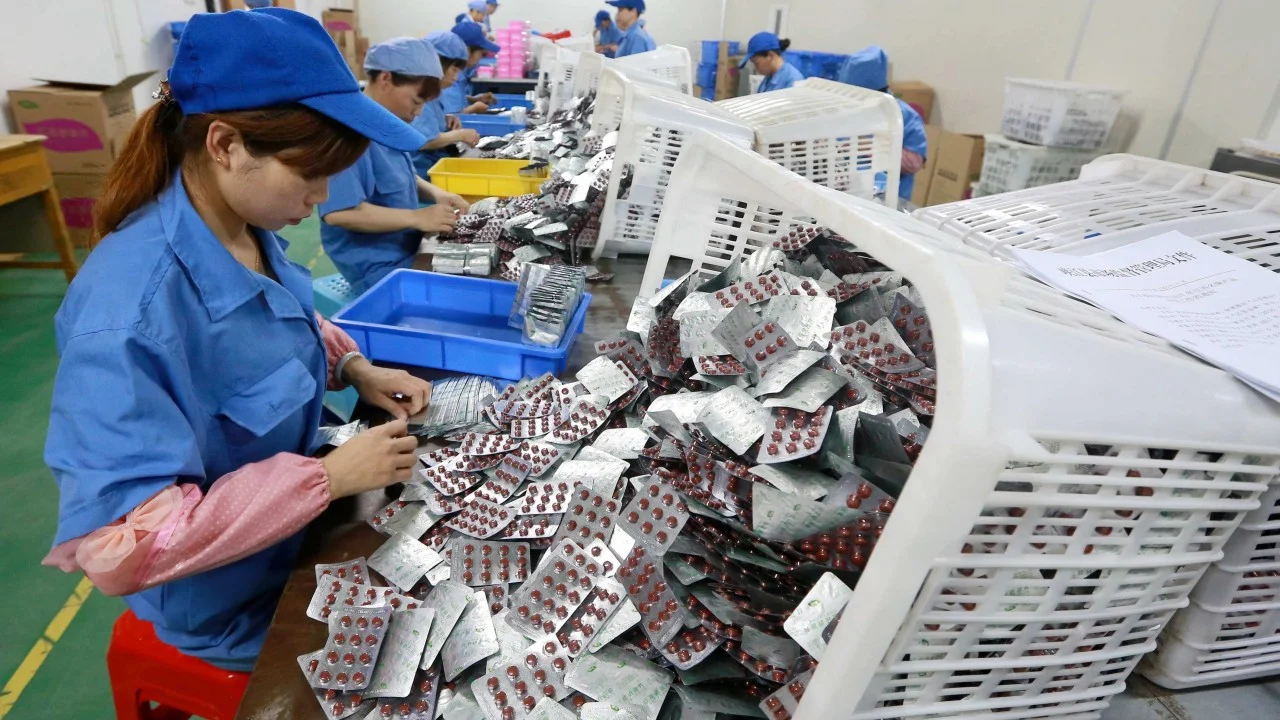
与此同时,仅2025年,中国创新药海外授权交易总额就超过1300亿美元,内地约占全球活跃创新药管线的三分之一。
Meanwhile, in 2025 alone, the overseas licensing deals of Chinese innovative drugs surpassed US$130 billion, with the mainland accounting for about a third of the global active innovative drug pipeline.
李家超表示,中国正在研发安全、有效且价格可负担的药物,其功能与其他专利药物相似,这将惠及全球患者。
Li said that China was developing safe, effective and affordable medications that functioned similarly to other patented drugs, which could benefit patients around the world.
他说,作为一座拥有受信任高标准的城市,香港可通过自身的评价机制,在帮助这些药物走向全球方面发挥重要作用。
As a city with trusted high standards, Hong Kong could play an important role in helping those drugs go global through its own evaluation mechanism, he said.
他强调:“仅仅做内地与世界其他地区之间的‘超级联系人’是不够的。我们需要善用香港的战略优势,成为全球卫生改革和医疗创新的催化剂。” 作为将香港建设成国际卫生及医疗创新枢纽努力的一部分,当局在卫生署下成立了中药及药物监管办公室(CMPR),并责成其于2030年前实施“首创评价”,独立评估和批准药物及医疗器械,而不依赖外国批准。
“It’s not enough to just be a superconnector between mainland China and the rest of the world,” he stressed. “We need to leverage the strategic strengths of Hong Kong to become a catalyst for health reform and medical innovation globally.”As part of efforts to make Hong Kong an international health and medical innovation hub, the authorities set up the CMPR under the Department of Health and tasked it with implementing “primary evaluation” by 2030, assessing and approving drugs and medical devices independently without relying on foreign approvals.
为便利这一进程,当局于2023年11月推出“1+”机制,允许药企凭借本地临床数据和一份外国监管批准(而非两份)在香港申请注册。
To facilitate that process, authorities launched the “1+” mechanism in November 2023, allowing drug makers to seek registration in Hong Kong for products supported by local clinical data and one foreign regulatory approval instead of two.
李家超表示,首创药物审批机制将确保高质量、透明度和可预测性。
Li said the primary drug approval mechanism would ensure high quality, transparency and predictability.
他指出:“药物研发是一个漫长的过程,轻易便可长达10年……我诚实的看法是,批准一款药物快或慢10天,在文面上并不会产生巨大差别。”
“Drug development is a long process that can easily take 10 years … My honest opinion is that approving a drug 10 days faster or slower doesn’t make a huge difference on paper,” he noted.
“药企最关心的是可预测性,即遵循我们的步骤最终能有结果。” 卫生署助理署长陈凌峰表示,首创评价的时长会因产品类型和临床数据量而异,但中药及药物监管办公室会以国际惯例为基准制定时间表。他补充说,审批速度最快的监管机构完成评价大约需要200天。
“What drug makers care the most about is predictability, that by following our steps it would finally lead to somewhere.”Assistant Director of Health Frank Chan Ling-fung said the duration for primary evaluation would vary by product type and the amount of clinical data, but the CMPR would benchmark its timeline against international practices. He added that the regulator working the fastest took about 200 days to complete an evaluation.
李家超表示,衡量中医药发展办公室(CMPR)表现的一个主要指标,将是其进行独立评估和作出科学合理的监管决定的能力。
Li said a major performance measure for the CMPR would be its ability to conduct independent assessments and make scientifically sound regulatory decisions.
他强调,中医药发展办公室将寻求补充而非取代现有框架,并指出在过去几十年里,卫生当局已引入许多新药,以满足香港及大湾区其他地区的临床需求。他承诺,其办公室将提高现有机制的效率、透明度和稳健性。
He stressed that the CMPR would seek to complement, not replace, the current framework, noting that health authorities had brought in many new drugs to meet clinical needs in Hong Kong and the rest of the Greater Bay Area in the past few decades. His office would increase the efficiency, transparency and robustness of the existing mechanism, he pledged.
李家超解释说,该机构的另外两项目标是赢得国际信任,并实现“战略独特性”。
The body’s two other aims were to earn international trust and become “strategically distinctive”, Li explained.
他表示,为实现这些目标,中医药发展办公室将组建一个以临床评价为核心的多学科团队,同时建立超越谅解备忘录层面的有意义的国际伙伴关系。
To achieve those aims, the CMPR would form a multidisciplinary team centred on clinical evaluation, while building meaningful international partnerships that went beyondg memorandums of understanding, he said.
李家超说,其办公室将通过与合作伙伴监管机构合作,指导资源配置和人才培养,以识别香港及其他地区的未满足医疗需求。
Li said his office would identify unmet medical needs in Hong Kong and other places by working with partner regulators to guide resource allocation and talent development.
该机构还将探索“未解决领域”,即国际社会尚未就在监管标准达成共识的领域。
The agency would also explore “unresolved areas” where the international community had not reached a consensus on regulatory standards.
他说:“国际监管机构对罕见疾病……最为不确定……它们各自发布了指导原则,但方法各异,这意味着存在空间和机遇,我们可以在这里做更多工作。”
“International regulators are most uncertain about rare diseases … they have issued their own guidance, but the approaches are different, which means there is space, and there is opportunity, and more could be done here,” he said.
李家超解释说,另一个潜在的重点领域是先进疗法,因为监管机构仍在讨论如何建立标准,以匹配此类疗法的快速发展。
Another potential area of focus was advanced therapies, as regulators were still discussing how standards should be established to match the rapid development of such therapies, Li explained.
他说:“我们不能指望香港在各个方面都成为世界领导者,但我们有可能在我们选择重点关注的领域,尽快获得全球认可。”他说:“我们的最终目标是服务香港市民及更广泛地区的人们。”
“We can’t expect Hong Kong to be a world leader in every aspect, but it’s possible for us to gain global recognition as quickly as possible in fields that we choose to focus on,” he said. “Our ultimate goal is to serve the people of Hong Kong and beyond.”