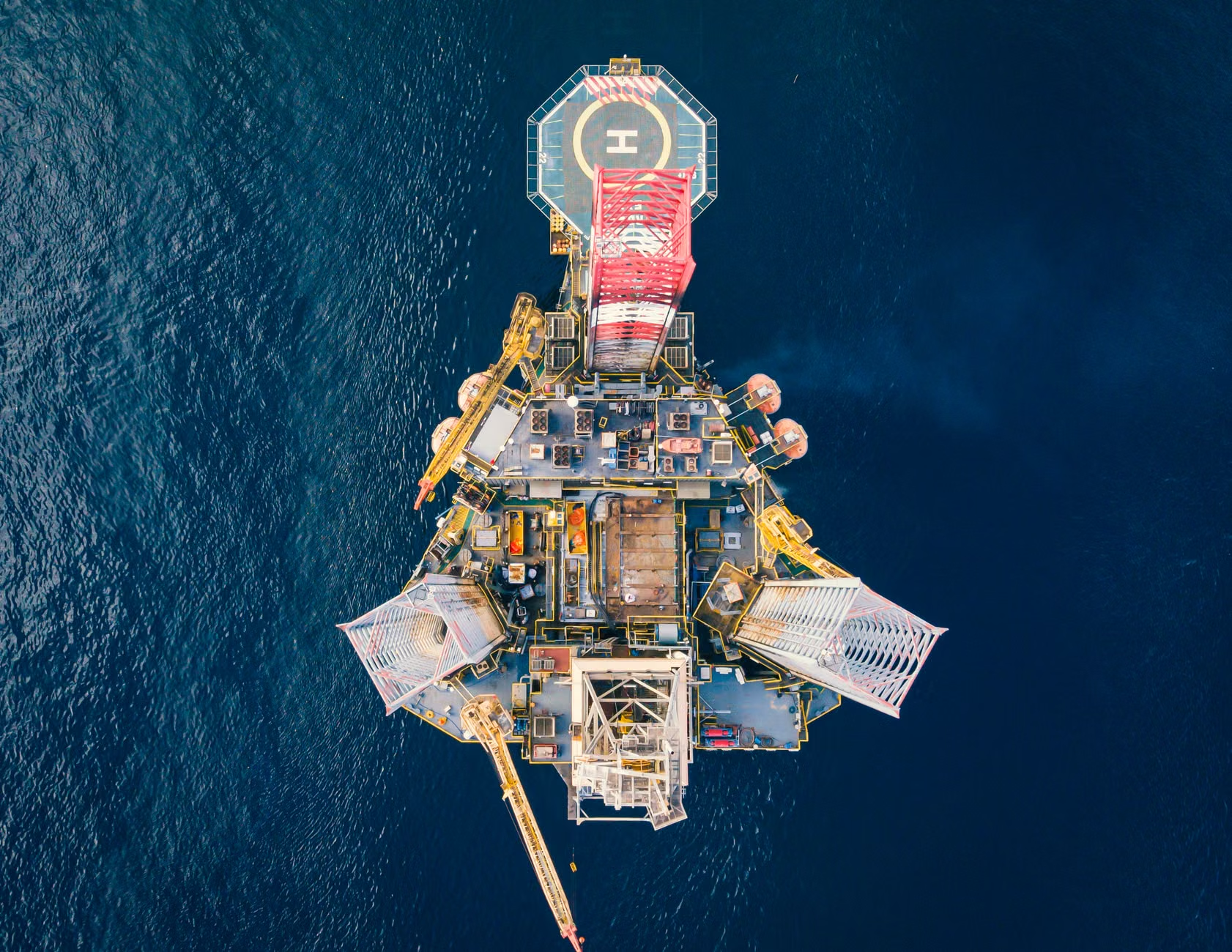
阿根廷瓦卡穆尔塔页岩油田的钻探已使该国成为主要能源出口国,但井区附近的社区表示,这一热潮带来了环境代价。居民和地方官员描述巴塔哥尼亚钻探现场附近的污染,即使产量仍在上升。
Shale drilling at Argentina's Vaca Muerta field has turned the country into a major energy exporter, but communities near the wells say the boom has come at an environmental cost. Residents and local officials describe pollution near drilling sites in Patagonia, even as output keeps climbing.
阿根廷瓦卡穆尔塔页岩层是全球最大非常规油气储量之一,在过去十年里使该国成为不断增长的能源出口国。来自巴塔哥尼亚油田的产量支撑了阿根廷向能源自给和日益增长的液化天然气出口目标迈进的努力。
Argentina's Vaca Muerta shale formation, one of the world's largest unconventional oil and gas reserves, has turned the country into a growing energy exporter over the past decade. Production from the Patagonian field underpins Argentina's push toward energy self-sufficiency and rising LNG export ambitions.
但井区附近的社区表示,压裂的快速扩张带来了污染,居民和地方官员指出钻探和废弃场附近的水源和土壤受到污染。该地区的环境监测难以跟上钻探速度的步伐。
But communities living near the wells say the rapid expansion of fracking has brought pollution, with residents and local officials pointing to contaminated water sources and soil near drilling and waste sites. Environmental monitoring in the region has struggled to keep pace with the speed of drilling.
这些发现使阿根廷关于在瓦卡穆尔塔经济收益与巴塔哥尼亚邻近社区环境代价之间取得平衡的更广泛争论进一步升温。该油田仍是哈维尔·米莱总统推动硬通货出口收入的核心。
The findings add to a wider debate in Argentina over balancing the economic gains from Vaca Muerta against the environmental toll on nearby Patagonian communities. The field remains central to President Javier Milei's push for hard-currency export revenue.