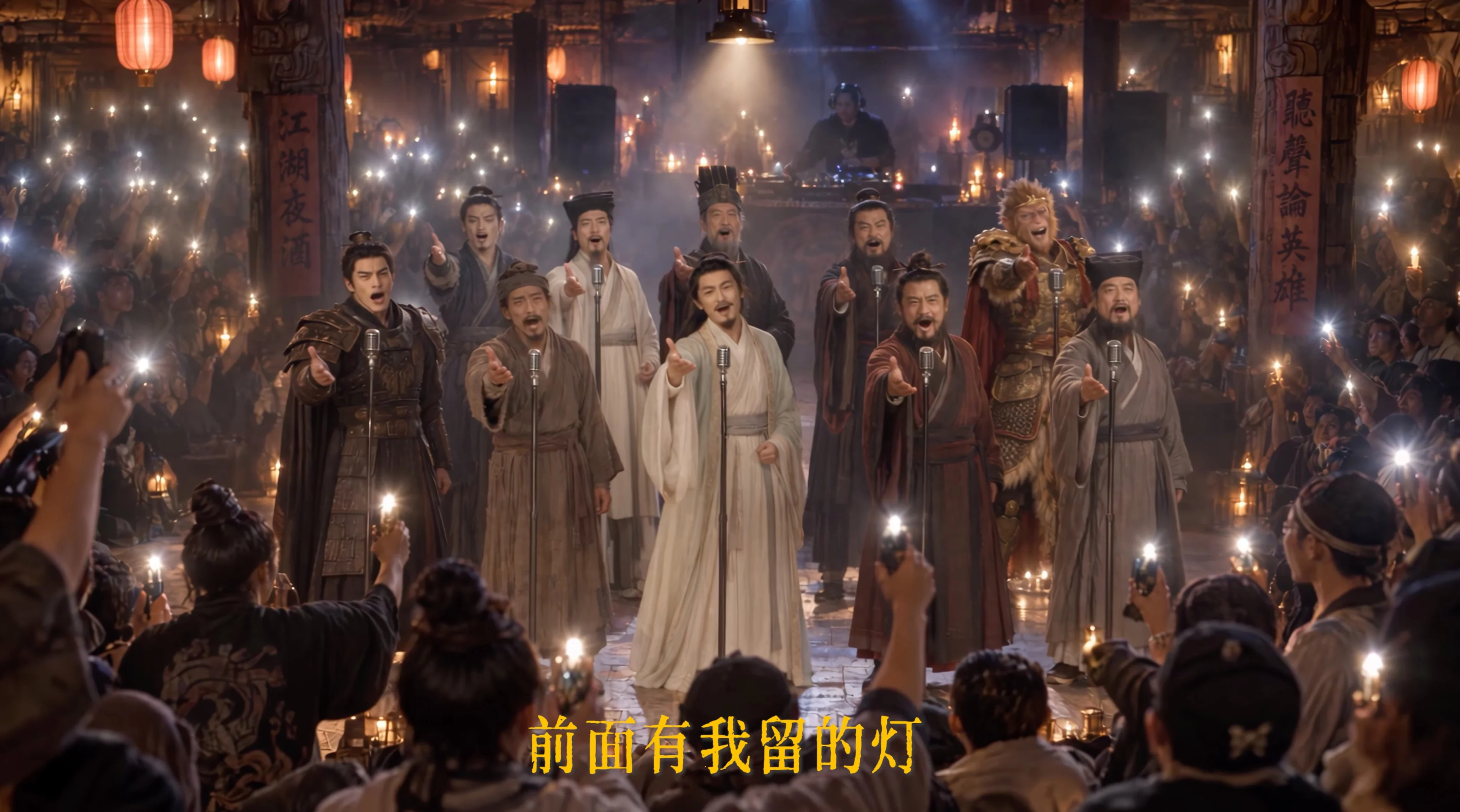
一首由AI生成、汇集中国多位家喻户晓历史人物的说唱歌曲在社交媒体上引发热潮。
An AI-generated Chinese rap song featuring some of the country’s most well-known historical figures has taken social media by storm.
这首名为《过来人》的单曲在不到两周时间里,全平台播放量突破1亿次,之所以引发强烈共鸣,是因为它精准击中了现代人的焦虑。
Titled “The One Who’s Been There”, the track crossed 100 million views across platforms in less than two weeks as it tapped into the anxieties of modern life.
歌曲汇聚了中国历史与神话中的10位标志性人物——从备受推崇的诗人、政治家到传说中的齐天大圣。他们没有吟诵古诗词、也没有说教,而是用说唱讲述各自的历史磨难,为当今精疲力竭的世界提供共情、慰藉与鼓励。
The song brings together 10 iconic figures from Chinese history and mythology – from revered poets and statesmen to the legendary Monkey King. Rather than reciting classical verses or lecturing audiences, they rap about their own historical hardships to offer empathy, solace and encouragement to today’s burnt-out world.
开篇由唐代大诗人杜甫登场,他以“安得广厦千万间,大庇天下寒士俱欢颜”千古名句著称。歌中,杜甫感叹自己四十多岁仍在长安租房,任凭房东不断涨租。
The track opens with Du Fu, one of the Tang dynasty’s greatest poets, best known for his classic line wishing for millions of houses to shelter those in need. In the song, Du laments still having to rent in the capital Changan in his forties, at the mercy of landlords constantly putting up the rent.
随后他直接对听众说:“你也在经历同样的事,对吧?”——这句歌词精准刺中了正为房贷、账单发愁的现代观众的痛点。
He then turns directly to the listener: “You’re going through the same thing, aren’t you?” – striking a raw nerve with a modern audience grappling with mortgages and bills.
歌曲后段,宋代文豪苏轼登场,他的仕途仕途因屡遭贬谪而坎坷,他在歌中直面职场的无情压力。歌词提及臭名昭著的“35岁诅咒”——中国职场中一个不成文的年龄天花板,35岁以上劳动者普遍面临招聘歧视和更高的失业风险,以及“优化”,这个企业裁员的无处不在的委婉语。
Later in the track, Song dynasty literary giant Su Shi – whose political career was derailed by repeated demotions and exile – addresses the relentless pressures of the workplace. His verses touch upon the infamous “curse of 35”, an unspoken age ceiling in China where workers over 35 face widespread hiring bias and heightened job insecurity, as well as “optimisation”, a ubiquitous corporate euphemism for lay-offs.
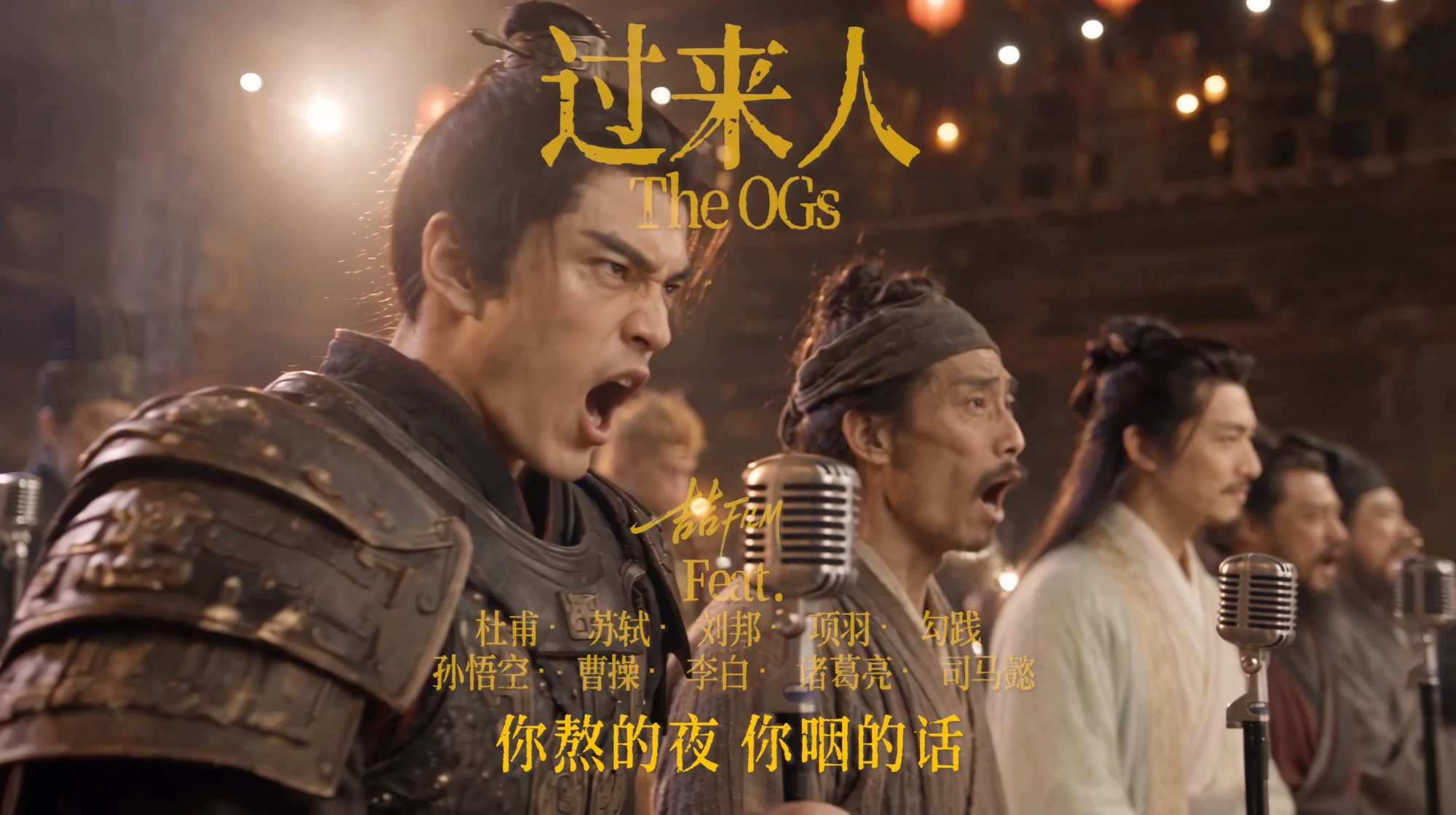
这首爆款歌曲的幕后创作者是王坤哲,一位拥有十余年经验的资深视觉创作者,他在今年转向AI辅助制作。
Behind the viral hit is Wang Kunzhe, a veteran visual creator with more than a decade of experience, who turned to AI-assisted production earlier this year.
王坤哲此前曾发布多个历史人物说唱对战视频,但那些早期作品主要停留在玩梗和历史趣味层面,从未像《过来人》这样真正击中观众内心。
While Wang had previously posted several videos featuring historical figures in rap battles, those earlier efforts remained largely playful and historical, never striking a chord with the audience like The One Who’s Been There.
在抖音(中国版TikTok)上,截至周日早晨,该视频已获逾300万点赞和9.7万条评论。
On Douyin, China’s version of TikTok, the video had amassed more than 3 million likes and 97,000 comments by Sunday morning.
评论区已实际上演变成一个情感宣泄口,网友们倾诉职场挫折、房贷压力和亲人离世之痛,并探讨人生更宏大的意义。
The comments section has effectively evolved into an emotional outlet, with users unburdening themselves of career setbacks, mortgage strain and the loss of loved ones, while pondering the broader purpose of life.
“这绝对是我看过最能捕捉中年人挣扎残酷现实的作品,”一条评论写道。
“This is hands down the best piece I’ve seen capturing the gritty reality of middle-aged struggle,” read one comment.
据中国媒体《澎湃新闻》报道,王某表示,制作这首曲子仅耗时三至四天,在人工智能(AI)订阅和算力上花费几千元人民币——仅为传统音乐视频拍摄典型预算的一小部分。
According to Chinese news outlet The Paper, Wang said producing the track took just three to four days and cost a few thousand yuan in artificial intelligence (AI) subscriptions and computing power – a fraction of the budget typically required for traditional music video shoots.
周六的报道称,王某亲自奠定基础,确定音乐风格、结构、节奏和初步歌词,同时部署AI工具尝试编排并反复试错。
Wang laid the groundwork himself, deciding on the musical genre, structure, tempo and preliminary lyrics, while deploying AI tools to experiment with arrangements and trial-and-error iterations, Saturday’s report said.
虽然生成式AI的兴起在传统影视行业引发焦虑与冲击,但王某视该技术为均势力量而非威胁。
While the rise of generative AI has sparked anxiety and disruption across the traditional film and television industry, Wang views the technology as an equalising force rather than a threat.
他将其描述为“技术的民主化”,让创作者站在同一起跑线上。王某认为,当生成基准质量作品变得相对容易时,制作人的品味、判断力和情感细腻度比以往任何时候都更重要。
He described it as a “democratisation of technology” that placed creators on the same starting line. When generating baseline-quality works becomes relatively easy, producers’ taste, judgment, and emotional nuance matter more than ever, according to Wang.
“AI可以批量生产内容,但无法批量生产共鸣与共情,”王某说。
“AI can mass-produce content, but it cannot mass-produce resonance and empathy,” Wang said.
他说,这首歌从未意图成为苦难清单,而旨在提醒人们苦难具有普遍性。贯穿全曲的反复副歌传达的核心信息很简单:“你并不孤单。” 受到热烈反响的鼓舞,王某计划利用AI探索新的音乐风格和叙事形式,并希望随着技术成熟,有朝一日执导一部AI生成的长片。
He said the song was never meant to be a catalogue of misery, but rather a reminder that hardship was universal. The core message, echoed in a recurring refrain throughout the track, is simple: “You are not alone.”Encouraged by the reception, Wang plans to explore new musical styles and storytelling formats using AI, and hopes to one day direct an AI-generated feature-length film as the technology matures.
制作AI生成电影的努力已经开始,但要将其推上大银幕仍是一场艰难的战斗。周五,——首部获得公映许可的中国AI制作电影——登上了院线。
Efforts to produce AI-generated films are already under way, but bringing them to the big screen remains an uphill battle. On Friday, – the first Chinese AI-produced film to receive a screening permit – hit cinemas.
然而,观众反应冷淡。这部时长100分钟、制作成本超过1000万元人民币的影片,截至周日早晨票房仅为91.4万元人民币(约合12.8万美元),总票房预计仅能达到约250万元人民币。
However, the audience response was lukewarm. The 100-minute film, which cost over 10 million yuan to make, had taken in just 914,000 yuan (US$128,000) by Sunday morning, with total box office takings only projected to reach about 2.5 million yuan.