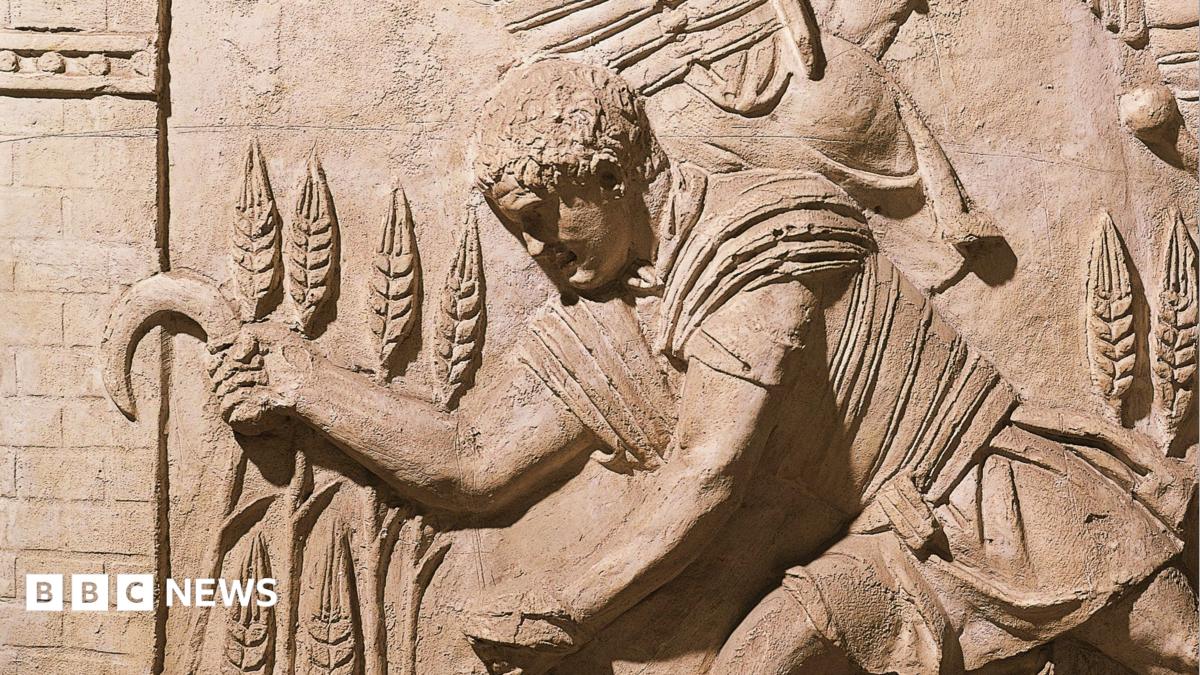
发掘工作为罗马田地之谜提供了答案。盖蒂图片社(Getty Images)考古学家理查德·莫蒂默表示,罗马人对小麦有着无法满足的需求。凯蒂·普里凯特(Katy Prickett)2026年10月25日报道,考古学家认为他们已经解开了一个早期罗马农业之谜。
Dig suggests answers to Roman field mystery Getty Images Archaeologist Richard Mortimer said Romans had an insatiable appetite for wheat Katy Prickett 25 October 2026 Archaeologists believe they have solved an early Roman farming mystery.
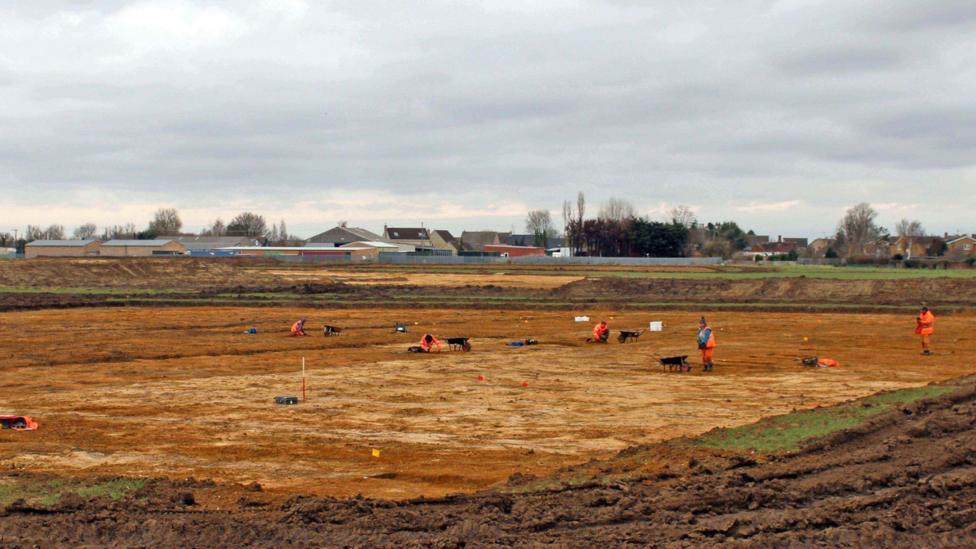
科茨沃尔德考古公司(Cotswold Archaeology)的团队于2022年在剑桥郡利特尔波特一处泥泞的地点进行挖掘时,发现了浅层的耕作沟渠。
The team at Cotswold Archaeology were excavating a claggy site at Littleport, Cambridgeshire, in 2022 when they came across shallow cultivation trenches.
专家此前曾推测,类似的平行沟渠可能是蔬菜的种植槽,甚至是葡萄园。
Experts previously suggested similar parallel trenches might have been bedding channels for vegetables - or even vineyards.
然而,理查德·莫蒂默认为,它们是被称为“泥灰施肥法”(marling)的农业系统的一部分,该系统用于提高边缘土地的生产力,从而种植更多小麦,以“让这个新的不列颠行省实现自给自足”。
Instead, Richard Mortimer thinks they were part of an agricultural system called marling, used to make marginal land more productive, so more wheat could be grown to "make this new British province pay for itself".
“小麦就是黄金,在罗马人到来之前,不列颠人就很擅长种植小麦;罗马人知道这一点,他们想要更多,”科茨沃尔德考古公司的挖掘后项目经理莫蒂默说。
"Wheat was the gold and the British were good at it before the Romans turned up; they knew that, and they wanted more of it," said Mortimer, a post-excavation project manager at Cotswold Archaeology.
由于缺乏花粉证据,他无法确定沟渠中种植的是什么,但他认为最可能是小麦,因为它是罗马人饮食中的主食,易于运输,而且与蔬菜不同,它不易腐烂。
Without pollen evidence, he cannot be certain what was grown in the trenches, but he thinks wheat was most likely because it was a staple item of the Roman diet, it was easy to transport and, unlike vegetables, it was less likely to spoil.
在利特尔波特发现的这些沟渠可追溯至公元70年至80年之间,至少是在布狄卡起义(公元60年至61年)失败后的十年。
The trenches found at Littleport dated to between AD70 and 80, at least a decade after Boudicca's failed revolt (AD60 to 61).
莫蒂默说:“局势正在平息,人们大力推动提高罗马人刚刚占领和定居的土地的价值,以生产更多的农作物——以及更多的财富。”科茨沃尔德考古公司表示,这一举措可能是由国家推动的,也可能是由渴望增加产量并从供应庞大的罗马帝国中获利的农民推动的。该占地四公顷(9.8英亩)的地点位于边缘的粘土地上,难以耕作,通常被认为只适合放牧。
Mortimer said: "Things are calming down and there's a big push to increase the value of the land that the Romans have just taken and settled, to produce more crops - and more wealth." Cotswold Archaeology The initiative could have been driven by the state or by farmers, keen to increase production and make money from suppling the vast Roman Empire The four-hectare site (9.8 acres) was on marginal, clay land, difficult to plough and typically seen as fit for pasture.
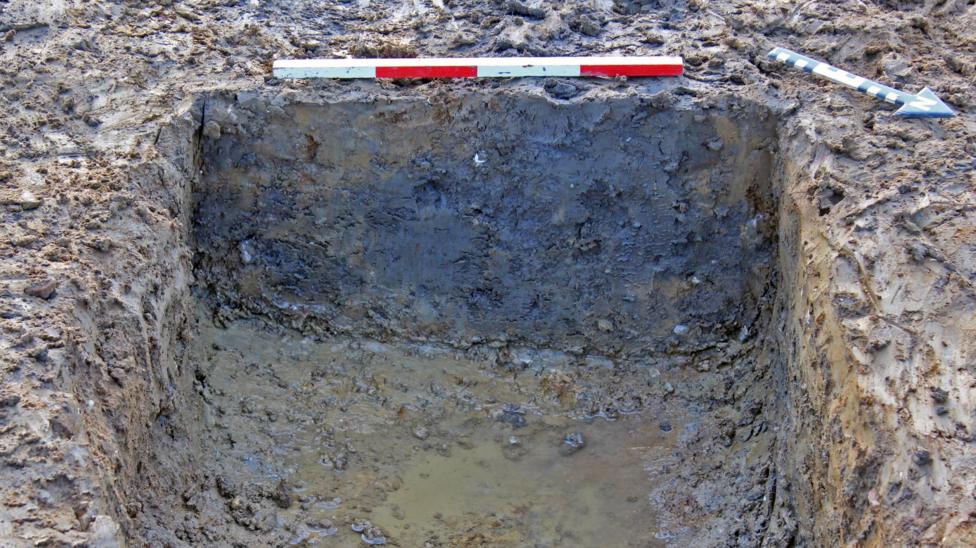
现场发现了“切割利落”的平行沟渠,深约8厘米(3英寸),宽近一米(3.2英尺),每隔四到五米(13到15英尺)就有一条。
"Crisply cut" parallel trenches were discovered, about 8cm (3in) deep, nearly one metre (3.2ft) wide and found every four or five metres (13 to 15ft).
“它们是你在考古中能发现的最清晰的遗迹之一,因为它们被挖掘后会立即回填,”他解释道。
"They were one of the crispest things you find in archaeology because they are dug and backfilled immediately," he explained.
自约35年前在北安普敦郡沃拉斯顿发现第一个早期罗马沟渠系统以来,在剑桥郡、萨福克郡、北安普敦郡和贝德福德郡已经发掘出了38个明确的案例。
Since the first early Roman trench system was discovered in Wollaston, Northamptonshire, about 35 years ago, 38 clear examples have been excavated in Cambridgeshire, Suffolk, Northamptonshire and Bedfordshire.
莫蒂默反驳了它们可能是葡萄园的说法,因为葡萄园通常需要倾斜的场地和充足的阳光,而不是“低洼、无法使用的湿地”。
Mortimer rejected suggestions they could be vineyards, because these typically required sloped sites and plenty of sunshine, not "low, unusable wet land".
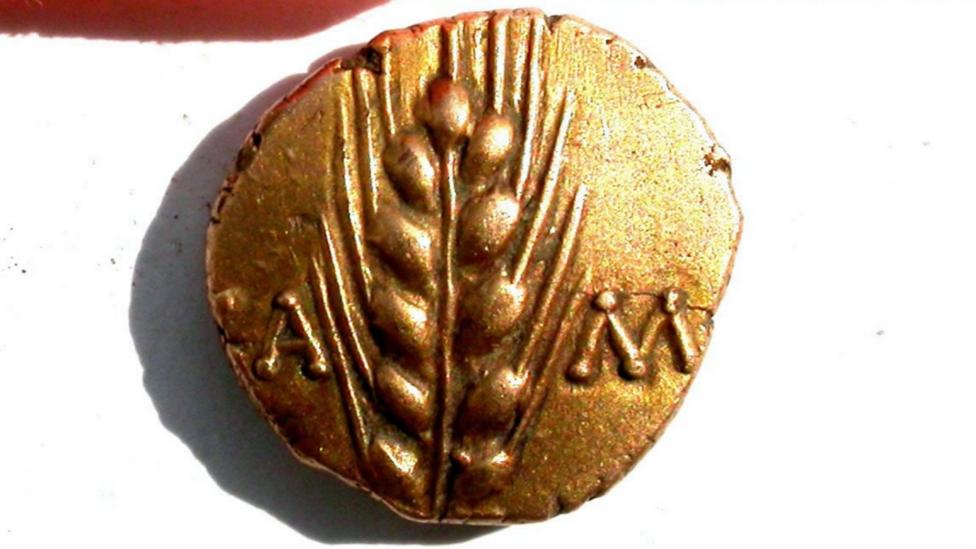
便携式古物计划(Portable Antiquities Scheme)指出,征服前的铁器时代不列颠人早已以小麦生产闻名,他们的硬币设计中经常包含麦穗(上图)。莫蒂默的灵感来自于阅读19世纪关于农场工人对类似田地进行泥灰施肥的描述。
Portable Antiquities Scheme Pre-conquest Iron Age Britons were already known for their wheat production and their coin designs often included wheat ears (above) His light bulb moment came while reading a 19th Century description of farm workers marling similar fields.
莫蒂默说:“你可以通过挖一个洞,把粘土——即所谓的泥灰——取出来,放在表层并铺在现有的土壤上,来改善土壤的酸碱度和土质。”
Mortimer said: "You can improve the pH of your soil and the body of your soil by digging a hole, taking the clay - known as marl - out and sticking it in the top and spreading it over the existing soil.
“我在想,这和我所看到的有什么不同吗?这完全是一回事。”这是一个不列颠人和罗马人都熟知的过程。
"And I'm thinking, well, 'Why is that any different to what I'm seeing?' It's the same thing." It was a process known to both the Britons and the Romans.
创造一英亩又一英亩平行沟渠的繁重工作可能由士兵或农场工人完成,尽管在布狄卡起义后,奴隶劳动力可能非常充足。
The back-breaking work of creating acre upon acre of parallel trenches could have been done by soldiers or farm workers, although slave labour was probably plentiful after Boudicca's revolt.
“这可能不是事实;我并不是说它一定、绝对是事实,但我认为它比目前为止对这些沟渠的所有其他可能解释都更合理,”他补充道。
"It may not be true; I'm not claiming it's necessarily, definitely true, but I think it works better than all the other possible explanations for the trenches so far," he added.
他的研究已由《剑桥古物学会学报》(The Proceedings of the Cambridge Antiquarian Society)发表。
His research has been published by The Proceedings of the Cambridge Antiquarian Society.
理查德·莫蒂默作为研究的一部分,查阅了许多挖掘报告。您有关于剑桥郡的新闻线索吗?请通过下方方式联系我们。
Richard Mortimer went through many excavation reports as part of his research Do you have a story suggestion for Cambridgeshire? Contact us below.