以上所有引述均来自自称在俄罗斯有被强迫征兵亲身经历的人士。他们的故事直接向美国有线电视新闻网(CNN)讲述,并得到了人权组织以及个人和社交媒体上日益增多的叙述的支持。这些故事描绘了俄罗斯战争征兵机制正在发生悄然转变的图景,该机制目前已进入第五个年头。由于他们担心遭到报复,我们隐去了他们的身份。
All of these are quotes from people who say they have personal experience of forced military recruitment in Russia. Their stories, told directly to CNN and backed up by human rights groups and a growing body of accounts from individuals and social media, paint a picture of a quiet shift underway in Russia’s war recruitment machine, now in its fifth year. We are obscuring their identities over their fear of reprisals.
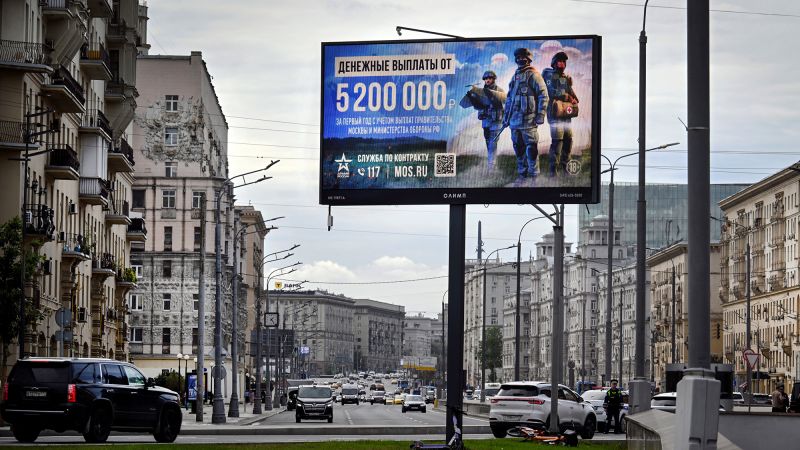
自2022年大规模动员行动引发民众恐慌性越境逃离以来,俄罗斯主要依靠高额经济激励来吸引士兵参战。证据表明,这种方式目前正逐渐被胁迫和欺骗所取代。
Since a mass mobilization drive in 2022, which sparked a panicked exodus across its borders, Russia has relied mostly on large financial incentives to lure soldiers to fight. Evidence suggests that is now slowly giving way to coercion and deception.
尽管前线伤亡人数不断上升,征兵人数持续下降,但俄罗斯一再否认乌克兰关于其计划进行新一轮大规模动员的说法。然而,随着俄罗斯升级攻势,这种被一些人称为“渐进式动员”的做法,正威胁着削弱公众对战争的接受度,而这恰恰是克里姆林宫目前最需要公众支持的时候。
Russia has repeatedly dismissed Ukrainian claims it is planning a new wave of mass mobilization, despite rising frontline casualties and falling recruitment numbers. And yet, as Russia escalates attacks, this “creeping mobilization” – as some are calling it – threatens to erode public acceptance of the war, just as the Kremlin needs it most.
“我有一位(或者说我曾有一位)叔叔,”发给美国有线电视新闻网(CNN)的消息这样写道。“他是一位年迈多病的男人,患有血管疾病和酗酒问题,几乎无法行走。”
“I have (or rather I had) an uncle,” reads the message to CNN. “He is an old sick man, he has vascular problems and alcoholism, he can barely walk.”
据此人称,今年7月,他那50多岁、在一家国有国防企业工作的叔叔在公寓楼外被几名身穿便衣的男子拦住,并被带上一辆汽车。他们不知道他被带到了哪里,但表示那天“他们塞给他一份文件让他签字,说是‘他们到场通知书’。结果那是一份(参军)合同。”
In July, the person said, their uncle, an employee at a state defense company in his late 50s, was approached outside his apartment block by several men in civilian clothes and taken away in a car. They didn’t know where he was taken, but said that day “they slipped him a document to sign, supposedly a ‘notification that they were there.’ It turned out to be a contract (to join the military).”
常驻柏林的俄罗斯军事律师阿尔乔姆·克雷加(Artem Klyga)为俄罗斯人提供有关兵役权利的咨询。他表示,这个来自俄罗斯西部城镇的故事符合一种过于常见的模式。他说,自夏季开始以来,他看到向他咨询此类事件的人数激增。“现在这已成为日常做法,”他告诉CNN。他所接触的大多数案例都涉及弱势男性,他们往往负债累累,或患有健康或酗酒问题。“他们根本没有机会说不,也根本不知道自己的权利。”
The story, from a town in western Russia, fits an all-too-familiar pattern, said Artem Klyga, a Russian military lawyer based in Berlin, who advises Russians on their rights when it comes to military service. Since the start of the summer, he said, he has seen a surge in people reaching out to him about this kind of incident. “Now it’s a day-to-day practice,” he told CNN. Most cases he sees involve vulnerable men, often in debt or with health or alcohol problems. “They simply do not have a chance to say no, simply do not know their rights.”
为俄罗斯应征入伍者和预备役人员提供良心拒服兵役建议的律师联盟“良心呼唤”(Call to Conscience)告诉CNN,他们在7月和8月看到有关强迫征兵的报告激增,且手段“日益严酷”。据这位亲属称,在此案中,叔叔在签署文件后回到了家,但一周后便失踪了。几天后,他打来电话说自己身处乌克兰东部俄罗斯控制区卢甘斯克的训练场。9月下旬,传来了他在作战中失踪的消息。
“Call to Conscience,” a coalition of lawyers helping conscripts and reservists in Russia with advice around conscientious objection, told CNN they had seen a surge in reports of forced recruitment in July and August, with tactics “getting harsher by the day.”In this case, afterg the document, the uncle returned home, his relative said, but a week later he disappeared. A few days after that he called to say he was at a training ground in Luhansk, in Russian-controlled eastern Ukraine. In late September came the news he was missing in action.
“我很难入睡,有时会做噩梦,梦见他们抓住了我,”这位亲属告诉CNN。
“I have trouble falling asleep, sometimes I have nightmares that they catch me,” the relative told CNN.
另一位通过人权组织联系 CNN 的俄罗斯人表示,他们的兄弟于 7 月中旬“被拘留”,当时“处于酒精中毒状态,由身份不明的员工”带走——该亲属推测这些人在当地征兵办公室工作。
Another Russian who contacted CNN via a human-rights group said their brother was “detained” in mid-July “in a state of alcoholic intoxication, by unknown employees” – the relative’s assumption being that they worked for the local military recruitment office.
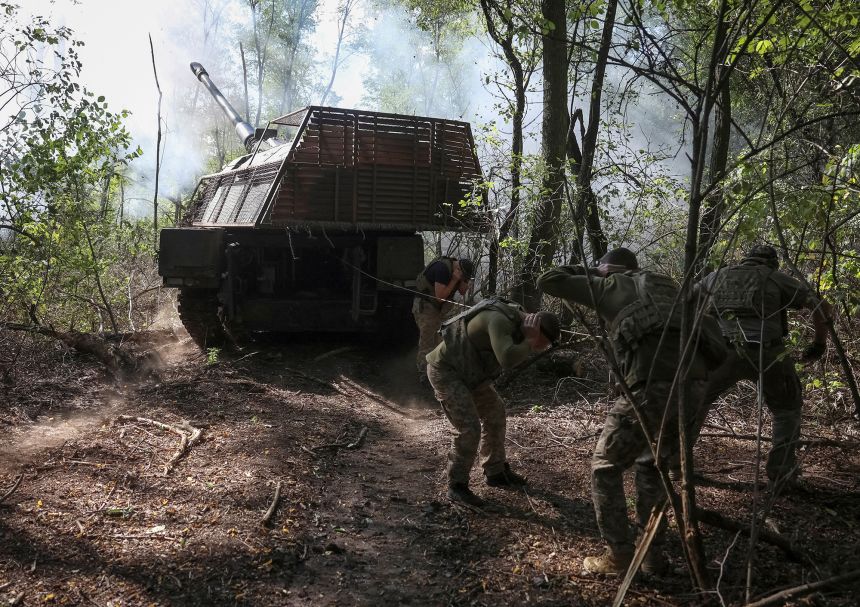
就此案,CNN 已看到该兄弟最终签署的军事合同,以及一段视频,视频显示他似乎正在向泪流满面的母亲告别,随后登上一辆白色面包车。该亲属还分享了当地军事检察官办公室就家属请愿释放该男子所作的书面回复。回复结论称,他“出于自愿,没有任何胁迫”前往征兵办公室,并补充说“相反的情况既未被证实,也未被记录在案”。不到一个月后,传来消息称他也失踪了。“他的生活非常艰难,有酗酒问题,”该亲属告诉 CNN。
In this case, CNN has seen the military contract the brother ended upg, as well as a video of what appears to be his last goodbye to his tearful mother before he gets into a white van. The relative also shared the written response from the local military prosecutor’s office to the family’s petition for the man to be released. It concludes he appeared at the recruitment office “of his own free will, without any coercion,” adding that “the contrary has neither been proven nor documented.”Less than a month later came the news that he, too, was missing in action. “He had a very difficult life, problems with alcohol,” the relative told CNN.
据社交媒体账号和人权组织称,6 月,距离莫斯科约 375 英里(约 600 公里)的俄罗斯奔萨州成为强制征兵的特定热点地区。网上出现了个人在街头被强行征召的视频和叙述。
In June, Russia’s Penza region, about 375 miles south of Moscow, emerged as a particular hotspot for forced recruitment, according to social media accounts and human rights groups. Videos and accounts surfaced online of individuals being forcefully recruited off the streets.
在一段 6 月的视频中,CNN 将其地理定位为奔萨州的一个征兵中心,妇女们围在一辆大巴车旁,要求释放车内的男子。一名妇女指着车内对着镜头大喊:“你们觉得,他们是自愿签的还是没自愿签?”车内一名男子似乎摇了摇头。“他们强迫你们,他们打你们,”另一名妇女大喊。俄罗斯国防部将奔萨州强制动员的报道斥为假新闻。
In one video from June which CNN has geolocated to a military recruitment center in Penza, women crowd around a bus demanding the men inside be released. One woman points inside the bus: “What do you think, did they sign voluntarily or not?” she shouts at the camera. One of the men inside the bus seems to shake his head. “They forced you, they beat you,” shouts another woman. The Russian Ministry of Defense dismissed the reports of forced mobilization in Penza as fake.
关于强制征兵案件中暴力行为的报道屡见不鲜,无视医疗豁免的情况也很常见。“合同是在肉体和精神压力下签署的,”一名亲属写道,他们告诉 CNN,他们的叔叔于 8 月被带走。他们说,当时叔叔肋骨骨折。
Reports of violence in cases of forced recruitment are common, as is a disregard for medical exemptions. “The contract was signed under physical and moral pressure,” wrote one relative, who told CNN their uncle was taken in August. At the time he had a broken rib, they said.
这些故事的另一个共同特点是:在街头抓捕男子的个体身份不明,且常穿着便服。这引发了担忧,他们可能是试图利用另一种军事奖金牟利的普通人——即向任何协助招募新兵者发放的奖金。一名亲属将他们称为“赏金猎人”。CNN无法在具体案例中核实这一点,但地方政府并未试图掩盖这些付款的存在。
Another common feature of many of these stories: the individuals taking men on the street are not clearly identified, and are often in civilian clothes. This has raised concerns that they could be ordinary people trying to cash in on another type of military bonus – paid to anyone helping recruit new soldiers. One relative described them as “bounty hunters.”CNN has not been able to verify this in specific cases, but regional authorities are making no attempt to hide the fact these payments exist.
“我们将鼓励那些在吸引公民签署合同方面提供协助的人,”俄罗斯梁赞州州长帕维尔·马尔科夫去年8月在州议会会议上宣布。
“We will encourage those who provide assistance in attracting citizens to sign contracts,” announced Pavel Malkov, the governor of Russia’s Ryazan region, last August in a session of the regional parliament.
“我们将为每一名合同制士兵提供一笔经济补偿。奖金数额将在5万至30万卢布(约合590至3500美元)之间,这是税后金额。”CNN在多个地区发现了这些官方付款的证据,还发现了数十则招聘广告,承诺给招募人员每成功招募一名签署军事合同的候选人支付巨额报酬,具体金额因地区而异。
“We will provide a financial payment for each contract soldier. The bonus sum will vary from 50,000 to 300,000 rubles ($590 to $3,500), this is after tax.”CNN has found evidence of these official payments in multiple regions, as well as dozens of job ads offering recruiters large sums for each candidate who signs a military contract, with payouts varying by region.
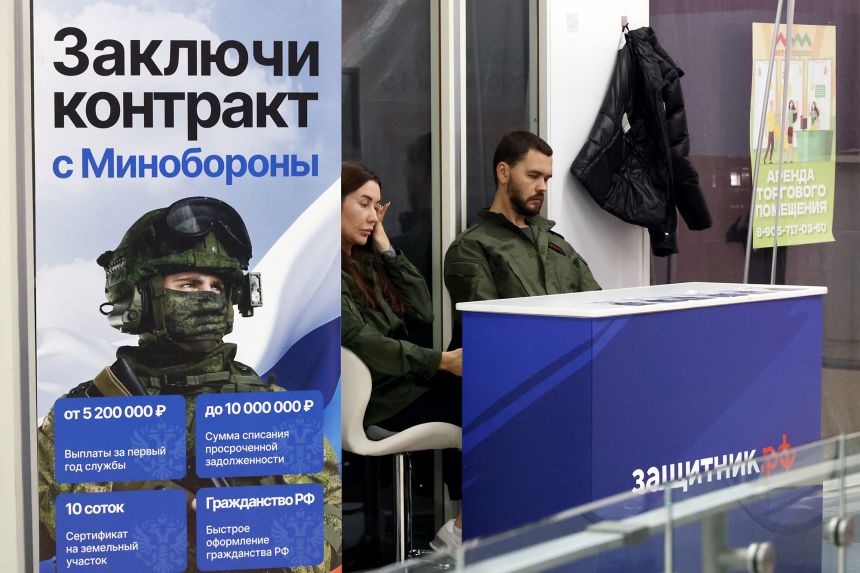
“这实际上就是一种‘拉人头’式的促销,你只需找到某个人——任何人,无论处于何种状态;换句话说,可能是个醉汉、流浪汉,或几乎任何人——把他们拖到征兵办公室,强迫他们签署合同,然后拿走你的钱,”反战组织“新替代路线”的创始人说道,该组织于今年春天成立。
“It’s literally a ‘bring a friend’ kind of promotion, where you just find someone – anyone, in any state; in other words, it could be a drunk, a homeless person, or just about anyone – you drag them to the enlistment office, force them to sign a contract, and get your money,” said the founders of New Alternative Route, an anti-war organization set up this spring.
该组织由身处自我流放状态的俄罗斯IT专业人士创立,致力于收集有关强制动员做法的信息,并为试图离开俄罗斯的人提供建议。其代表也匿名向CNN发声,因为担心仍在俄罗斯的家人安危。
Founded by Russian IT professionals in self-exile, it works to collate information on forced mobilization practices and advise people trying to leave Russia. Its representatives also spoke anonymously to CNN, out of fear for their families still in Russia.
多年来,俄罗斯一直试图将自己与乌克兰区分开来,在乌克兰,适龄男性从25岁到60岁都有义务服兵役,且已有报道称发生过强制征兵事件:即暴力或胁迫性的动员。
Russia has for years tried to differentiate itself from Ukraine, where conscription is mandatory from the age of 25 to 60 for men who are fit, and where reports have surfaced of incidents of press-ganging: violent or coercive mobilization.
俄罗斯总统弗拉基米尔·普京在9月初表示:“我们每天都在电视和互联网上看到,在乌克兰他们像抓流浪狗一样抓人,强行拖到前线。而在这里,正如你们所知,人们是自愿去的,并签署合同。”
德国国际与安全事务研究所东欧和欧亚事务部主任扬尼斯·克鲁格表示,俄罗斯的军事征兵由地区层面通过配额管理,这种强制手段的增加不太可能是由克里姆林宫直接指挥的,但这可能被视为解决俄罗斯兵源问题的一个方便途径。
“We see every day on the television and on the internet how in Ukraine they catch people, like homeless dogs, and drag them forcefully to the front, said Russian President Vladimir Putin in early September. “Here people go voluntarily, as you know, and sign contracts.” With Russia’s military recruitment managed at a regional level via quotas, this rise in coercive tactics is unlikely to be directed by the Kremlin, said Janis Kluge, head of the Eastern Europe and Eurasia Division at the German Institute for International and Security affairs, and yet it may be seen as a convenient solution to Russia’s manpower problem.
他对CNN表示:“招募人员本质上在做脏活……这种制度至少是被高层容忍的。在当局眼中,这可能是解决方案的一部分。”俄罗斯国防部未回应CNN的置评请求。
“The system where essentially the recruiters are doing the dirty work… is at least tolerated,” by those at the top, he told CNN. “It could be, in the eyes of the authorities, part of the solution.”Russia’s Ministry of Defense has not responded to CNN’s request for comment.
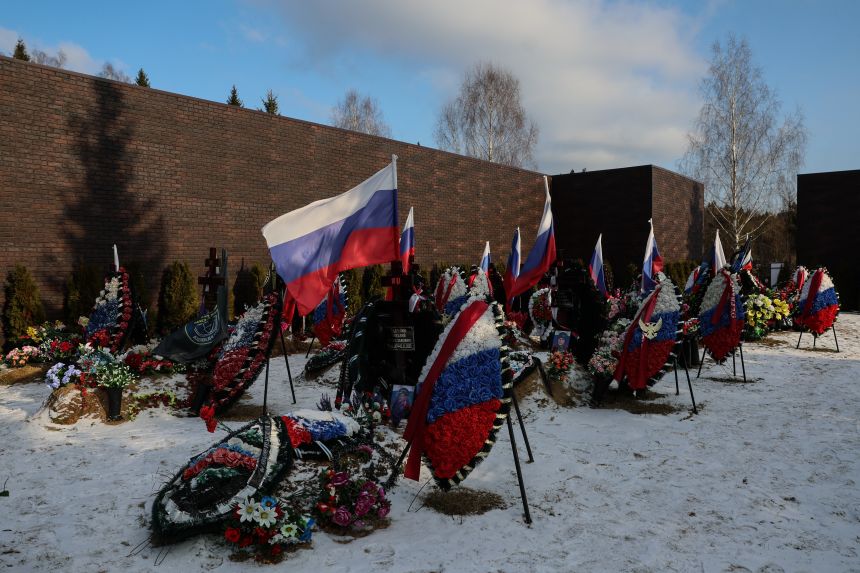
然而,在一些俄罗斯人眼中,这是一个临界点。人权组织告诉CNN,关于如何移民的咨询正在增加。
And yet, in the eyes of some Russians, it’s a tipping point. Rights groups told CNN that inquiries about how to emigrate are rising.
伊戈尔(化名)是一名来自俄罗斯中部的21岁青年,因担心家人安全,CNN对他使用化名。他在三个月前离开了该国,此前多年来一直计划逃离他所谓的“极权疯狂”。他说,在他离开前的一年里,曾两次被施压签署军事合同——一次是由他的大学施压,另一次是在前往当地征兵办公室更新医疗豁免证明时遭遇。“我有点恐慌,”他告诉CNN。“我担心有人会代替我签字。我对此将无能为力。”对新一轮大规模动员的恐惧也带来了紧迫的现实担忧。“我怕他们关闭边境,我就再也出不去了,”他告诉CNN。
Igor, a 21-year-old from central Russia for whom CNN is using a pseudonym over fears for his family’s safety, left the country three months ago, after years of planning to escape what he calls the “totalitarian madness.”In the year before he left, he said he had been pressured twice to sign military contracts – once by his university, and then on a visit to his local military recruitment office to update his medical exemption. “I panicked a bit,” he told CNN. “I worried that someone might sign on my behalf. I wouldn’t have been able to do anything about it.”The fear of a new wave of mass mobilization also brought urgent practical concerns. “I was afraid they’d close the border and I’d never be able to leave,” he told CNN.
“新替代路线”组织的创始人告诉CNN:“我认为我们不会看到一种明天突然征召30万人的情景。”
“I don’t think we’re going to see a scenario where we suddenly recruit 300,000 people tomorrow,” the founders of the New Alternative Route told CNN.
相反,他们预测将出现“一种安静、悄然进行的动员,由强制措施驱动。换句话说,彭扎发生的一切……都是准备工作。”
Instead, they predict “a quiet, creeping mobilization driven by coercive measures. In other words, what happened in Penza… it’s all preparation.”