腐烂的食物、性与政治:它们之间有什么联系?理查德·康纳(Richard Connor) 2026年10月26日 一些研究将厌恶敏感性与社会保守态度联系起来。但在美国中期选举到来之际,是厌恶塑造了我们的政治,还是我们的信念塑造了我们所厌恶的事物?
Rotten food, sex and politics: What connects them? Richard Connor October 26, 2026 Some studies have linked disgust sensitivity to socially conservative attitudes. But ahead of the US midterm elections, does disgust shape our politics, or do our beliefs shape what we find disgusting?
从腐烂的食物、性行为到政治信念,研究人员想要了解不同形式的厌恶如何与我们的态度相关联。一些研究将厌恶敏感性与社会保守态度联系起来。但在美国中期选举到来之际,是厌恶塑造了我们的政治,还是我们的信念塑造了我们所厌恶的事物?
From rotten food and sexual behaviour to political beliefs, researchers want to know how different forms of disgust relate to our attitudes Some studies have linked disgust sensitivity to socially conservative attitudes. But ahead of the US midterm elections does disgust shape our politics, or do our beliefs shape what we find disgusting?
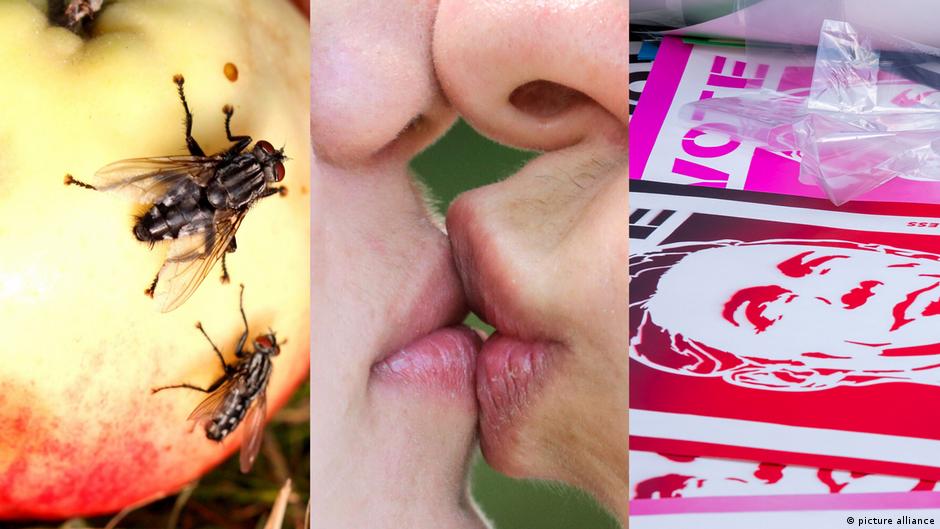
腐烂食物的气味会让我们退缩。某些性行为可能会引发类似反应。在当今两极分化的政治气候中,甚至政敌也会成为令人厌恶的对象。
The smell of rotten food can make us recoil. Certain sexual practices can provoke a similar reaction. And in today's polarized political climate even political opponents can become objects of disgust.
心理学家长期以来一直在调查对厌恶的敏感性是否有助于解释政治信念。一项对24项研究的回顾发现,自称更容易感到厌恶的人往往持有更多的社会保守观点。一种解释始于进化。
Psychologists have long investigated whether sensitivity to disgust helps explain political beliefs. A review of 24 studies found that people who reported being more easily disgusted tended to hold more socially conservative views. One explanation begins with evolution.
“我们认为它在进化过程中部分是为了减少接触能让你生病的事物,”加拿大大不列颠哥伦比亚大学的心理学家乔尔·英巴尔(Yoel Inbar)对德国之声(DW)表示。哪三种类型的厌恶?
"We think that it evolved in part to reduce exposure to things that could make you sick," psychologist Yoel Inbar, of the University of British Columbia in Canada told DW. What are the three types of disgust? But disgust is not a single emotion.
但厌恶并非单一的情绪。2009年开发的“三域厌恶量表”(The Three-Domain Disgust Scale)区分了三种类型:病原体厌恶:对潜在感染源的反应,例如腐烂的食物、呕吐物或排泄物。性厌恶:对特定性行为或情境的反应。
The Three-Domain Disgust Scale developed in 2009, distinguishes three types: Pathogen disgust: Reactions to potential sources of infection, such as rotten food, vomit or bodily waste. Sexual disgust: Reactions to particular sexual behaviors or situations.
道德厌恶:对不当行为的反应,例如背叛或残忍。研究人员对这究竟反映了身体上的反感还是道德上的不赞同存在争论。
Moral disgust: Reactions to wrongdoing, such as betrayal or cruelty. Researchers debate whether this reflects physical revulsion or moral disapproval.
其中一种理论是,对病菌和疾病格外警惕的人可能也更倾向于传统的社会规则。
One theory is that people who are especially wary of germs and disease may also prefer traditional social rules.
唐纳德·特朗普在2024年总统竞选早期描述移民时,使用了唤起传染联想的语言。因巴尔解释说,避开潜在的感染源也可能意味着错失新体验。
Donald Trump used language evoking contagion when describing immigrants early in his 2024 presidential campaign Inbar explains that avoiding potential sources of infection can also mean missing out on new experiences.
“在病原体暴露方面,有些人更倾向于谨慎保守,有些人则更倾向于探索冒险,”他说。
"Some people are more on the cautious conservative side and some people are more on the exploring risk-taking side when it comes to pathogen exposure," he said.
确实,污染的语言也出现在政治言辞中。在2024年总统竞选期间,特朗普反复将移民描述为“毒害我国的血液”。特朗普还曾将自己描述为“洁癖患者”。因巴尔承认,将厌恶敏感性与保守政治信仰联系起来的证据仍不确定。
Indeed, the language of contamination also appears in political rhetoric. During his 2024 presidential campaign, Donald Trump repeatedly described immigrants as "poisoning the blood of our country." Trump has also described himself as a "germaphobe." Inbar acknowledges that the evidence linking sensitivity to disgust with conservative political beliefs remains uncertain.
“我们有假设。我不知道我们是否拥有我想要的那么有力的证据,”因巴尔说。自由派和保守派感受厌恶的方式不同吗?
"We have hypotheses. I don't know that we have as strong of evidence as I would like," Inbar said. Do liberals and conservatives feel disgust differently?
厌恶并非保守派专有。人们觉得令人作呕的事物可能取决于他们的价值观。
Disgust is not exclusively conservative. And what people find revolting can depend on their values.
一项2020年的研究《厌恶是一种“保守”情绪吗?》发现,自由派和保守派对不同的事物感到厌恶。
A 2020 study titled "Is Disgust a "Conservative" Emotion?" found that liberals and conservatives were disgusted by different things.
保守派在美国政治中通常与共和党结盟,他们对涉及性行为和吸毒的例子报告了更强烈的厌恶感;而自由派在美国政治中通常与民主党结盟,他们对虐待动物和环境污染报告了更强烈的厌恶感。
Conservatives, generally aligned with the Republicans in the US politics reported greater disgust at examples involving sexual behaviors and drug use, while liberals, generally aligned with the Democrats reported greater disgust at animal abuse and environmental pollution.
然而,当被问及总体上有多容易感到厌恶时,在政治光谱上并没有明显的差异。我们的身体能揭示我们的政治倾向吗?
However, when asked how easily disgusted they were in general, there was no clear difference across the political spectrum. Can our bodies reveal our politics?
一些早期研究表明,保守派对恐怖或令人厌恶的图像表现出更强烈的生理反应,部分通过出汗变化来测量。
Some early studies suggested conservatives showed stronger physical reactions to frightening or disgusting images, measured partly through changes in sweating.
许多美国选民犹豫不决、幻灭或脱离政治 要观看此视频 ,和 但随后的研究,包括阿姆斯特丹大学政治心理学家贝尔特·巴克尔2020年的一项研究,难以复制那些发现。
Many US voters are undecided, disillusioned or disengaged To view this video , and But subsequent research, including a 2020 study by political psychologist Bert Bakker at the University of Amsterdam struggled to reproduce those findings.
然而,基于问卷的研究普遍发现,持更保守态度的人报告称自己更容易感到厌恶。
Studies based on questionnaires, however, have generally found that people with more conservative attitudes report being more easily disgusted.
“如果身体反应在不同政治群体间没有差异,为什么感觉会有差异?”伦敦大学皇家霍洛威学院及“情感政治中心”的马诺斯·察基里斯问道。直觉如何影响政治信仰?
"If bodily reactions don't differ across political groups, why do feelings?" Manos Tsakiris, of Royal Holloway and the Centre for the Politics of Feelings at the University of London How do gut feelings influence political beliefs?
察基里斯和同事马里亚娜·冯·莫尔想知道,答案是否在于人们如何感知和解读来自身体的信号。
Tsakiris and colleague Mariana von Mohr wondered whether the answer might lie in how people perceive and interpret signals from their bodies.
科学家将对饥饿、呼吸或心跳加速等内部感觉的感知称为“内感受”。它有时被称为我们的第八感,与熟知的五感,加上平衡觉和本体觉并列。
Scientists call the perception of internal sensations, such as hunger, breathing or a racing heart, "interoception." It's sometimes called our eighth sense, alongside the familiar five, plus our senses of balance and body position.
“身体信号不会自带标签到达,”察基里斯对德国之声表示。“我们必须注意到它,并对其加以理解。”
"A bodily signal doesn't arrive with a label attached," Tsakiris told DW. "We have to notice it and make sense of it."
研究人员调查了632名美国成年人,询问他们多大程度注意并信任来自身体的信号——这一指标被称为“内感受敏感度”。他们发现,无论人们自觉对身体的感知程度如何,更容易因性行为感到厌恶的人倾向于更保守。
researchers surveyed 632 US adults asking how much they noticed and trusted signals from their bodies — a measure known as "interoceptive sensibility." They found that people who were more easily disgusted by sexual behavior tended to be more conservative, regardless of how aware they felt of their bodies.
但对于道德厌恶,其与保守主义的关联仅存在于自报身体觉察水平较低的人群中。
But for moral disgust, the link to conservatism was found only among people who reported lower bodily awareness.
特别令察基里斯惊讶的是,感知到的身体觉察本身与政治观点没有关联。
What particularly surprised Tsakiris was that perceived bodily awareness alone had no link to political views.
病原体厌恶是被认为进化而来、旨在保护我们免受感染的一种厌恶类型。“高度关注自己身体的人,既不更自由派,也不更保守,”他说。厌恶真的能被测量吗?因巴尔质疑,所有形式的厌恶在研究政治态度时是否同样有用。
Pathogen disgust is one type of disgust thought to have evolved to protect us from infection "People who are highly attuned to their bodies were neither more liberal nor more conservative," he said. Can disgust actually be measured? Inbar questions whether all forms of disgust are equally useful for studying political attitudes.
他和约书亚·泰伯——三域厌恶量表的创建者之一——通常更倾向于测量病原体厌恶——即对潜在疾病来源的反应——而非性厌恶。关于性厌恶的问题可能已经反映了人们对性的保守观念。“这几乎是在问人们同一个问题两遍,”因巴尔说。这项新研究发现,病原体厌恶与保守观点之间没有显著关联。
He and Joshua Tybur, one of the creators of the Three-Domain Disgust Scale, generally prefer measuring pathogen disgust — reactions to potential sources of disease — rather than sexual disgust. Questions about sexual disgust may already reflect conservative beliefs about sex. "It's almost asking people the same thing twice," Inbar said. The new study found no significant link between pathogen disgust and conservative views.
因巴尔希望关于身体觉察与厌恶的发现能在预先设定预测的情况下再次接受检验。目前,他认为这些发现“充其量只具有启示性”。政治家可能如何利用厌恶感?
Inbar wants the findings on bodily awareness and disgust tested again, with predictions set out in advance. For now, he considers them "suggestive at best." How might politicians exploit feelings of disgust?
察基里斯认为,难以理解自身身体感受的人,可能更容易受到政治信息的影响,这些信息会告诉他们这些感受意味着什么。
Tsakiris suggests that people who struggle to understand their bodily feelings may be more vulnerable to political messages telling them what those feelings mean.
“我知道你在感受什么。你对这件事感到愤怒,或者感到厌恶,”他说,举例说明某人如何给另一个人的不安贴上情绪标签。
"I know what you're feeling. You're feeling angry or you're feeling disgusted about this thing," he said, illustrating how someone might put an emotional label on another person's unease.
他认为,这种标签可能会影响政治行为,尽管该研究并未直接检验这一点。德国政治极化加剧的背后是什么?
Such labels could influence political behavior, he argues, although the study did not directly test this. What's behind the rising polarization in German politics?
“这就是厌恶发挥政治作用的方式:它可以将对个体的道德判断转变为对整个群体的判断,”他说。厌恶会影响人们如何投票吗?
"This is how disgust can do political work: it can turn moral judgments about individuals into judgments about whole groups," he said. Does disgust influence how people vote?
该研究无法确定是厌恶塑造了政治信仰,还是现有的信仰塑造了人们觉得厌恶的事物。巴克尔指出,政治信仰会影响人们如何描述自己的性格,这表明这种关系可能双向作用。
The research cannot establish whether disgust shapes political beliefs or existing beliefs shape what people find disgusting. Bakker notes that political beliefs can influence how people describe their own personalities, suggesting the relationship could work both ways.
“投票行为非常复杂,公民以一种复杂的方式构建他们的政治认知,”他告诉德国之声。因巴尔也警告不要夸大厌恶的重要性。
"Voting behavior is very complex and citizens make up their mind about politics in a complex way," he told DW. Inbar also cautions against exaggerating disgust's importance.
“你报道时要强调的一点是,这种关系虽然稳定,但相当微弱,”他说。
"The thing to emphasize in your story is that the relationship, while it's consistent, is quite small," he said.
“它只是影响人们政治观点的众多因素之一。”察基里斯主张他所谓的“批判性感受”:质疑我们对挑衅性材料(包括社交媒体帖子)的情绪反应,就像我们质疑信息本身一样。
"It's one of the many influences on people's politics." Tsakiris advocates what he calls "critical feeling": questioning our emotional responses to provocative material, including social media posts, just as we question the information itself.
他还强调要与他人探讨感受,并倾听不同观点,即使存在分歧也是如此。“生活、政治和民主都是一项接触性运动,”他说。
He also emphasizes discussing our feelings with others and listening to different perspectives, even when we disagree. "Life and politics and democracy is a contact sport," he said.