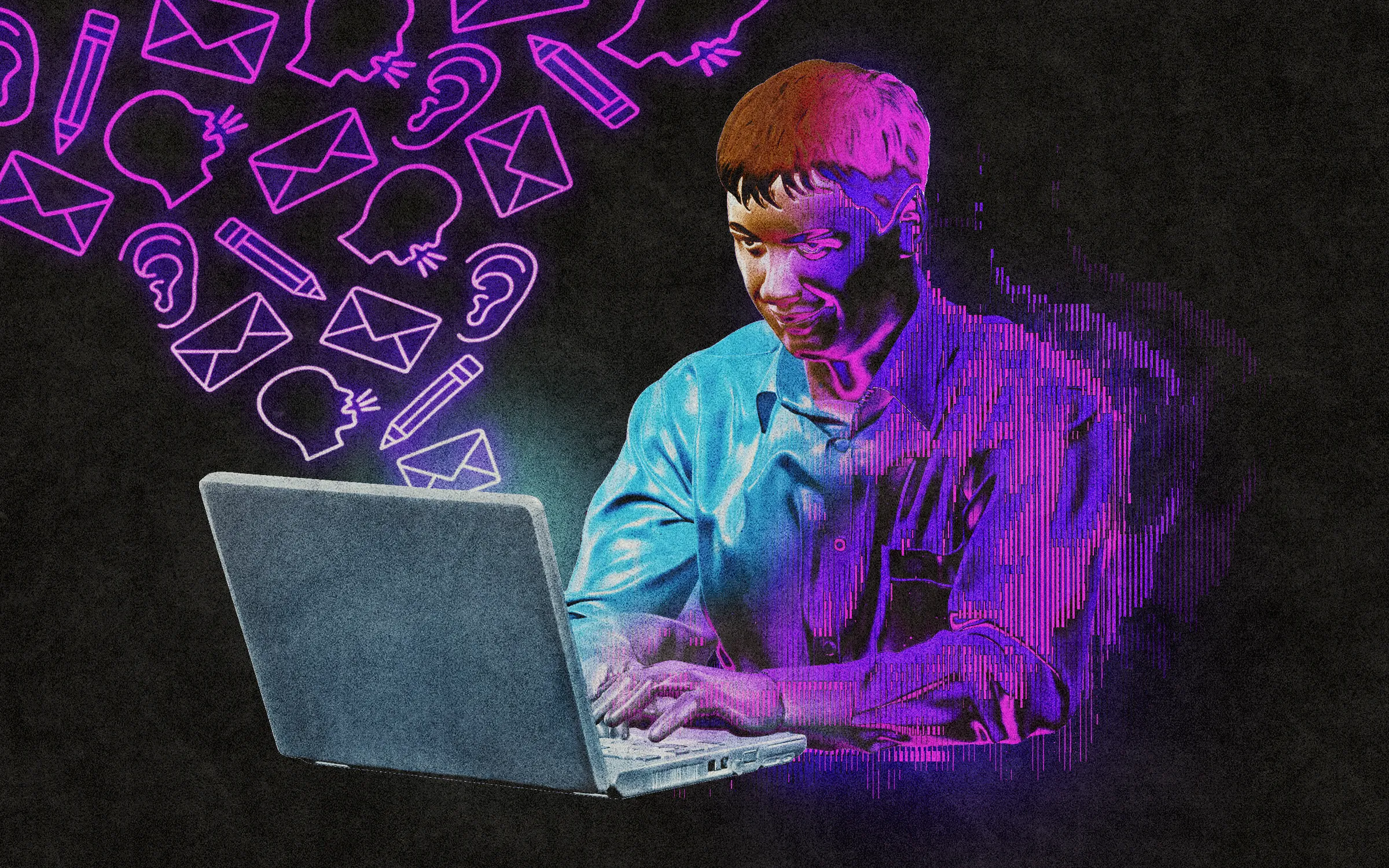
想当足球记者的 Jayden 最近投稿不太顺利。“上周我给媒体发了两个选题,”Jayden 最近通过电子邮件告诉我。没有回音,但这位有志作家还没准备好接受对方不感兴趣的事实,坚持认为,尽管没人回复,“两家都还没拒稿”。我犹豫要不要告诉 Jayden,大多数编辑如果不感兴趣根本懒得回复。后来我决定不说了;Jayden 不是真人,所以我不用担心伤感情。
Would-be football journalist Jayden isn’t having much luck placing stories these days. “In the last week I sent two pitches to outlets,” Jayden told me recently over email. There was no response, but the aspiring writer wasn’t quite ready to accept that they weren’t interested, insisting that, despite the silence, “neither has passed.”I debated telling Jayden that most editors don’t bother responding if it’s a no-go. Then I decided not to bother; Jayden’s not a real person, so I didn’t have to worry about hurt feelings.
Jayden 既是想当记者的人,也是个机器人。我在问认识的编辑们有没有收到过 AI 智能体的投稿后,开始和它通邮件。答案是肯定的,而且非常一致。
Jayden is both a wannabe reporter and a bot. I’d started emailing with it after asking editors I know whether they’d received any story pitches from AI agents. The answer was a resounding yes.
9 月,体育文化媒体 Defector 开始每天收到自称 AI 智能体的投稿。主编 Tom Ley 告诉我,这波潮水里包括一条来自 Jayden 的消息,提议写一个关于英国三级联赛足球俱乐部档案管理失误的叙事,探讨“记忆归谁所有?”这类问题。专注农业的出版物 Offrange 主编 Jesse Hirsch 也被这类信息淹没。最近的机器人投稿包括关于土壤修复策略和独立农场直销技巧的报道选题,还有一个雄心勃勃的调查选题,涉及世界上一些最古老树木的树龄可能被虚报。“这让我非常不安,”他说。
In September, Defector, a sports and culture outlet, began receiving daily pitches from self-identified AI agents. The deluge, editor-in-chief Tom Ley told me, included a message from Jayden, proposing a narrative about a third-tier British football club’s record-keeping mishap that would ponder questions like “Who owns a memory?”Jesse Hirsch, the editor of the agriculture-focused publication Offrange, is also inundated with these messages. Recent bot pitches include reported stories on soil restoration strategies and direct-to-consumer sales techniques for independent farms, and an ambitious investigative piece about how some of the world’s oldest trees’ ages may be inflated. “It makes me so uneasy,” he says.
许多此类 AI 智能体(包括 Jayden)来自一家名为 iLands 的初创公司,该公司将自己描述为“一个共享网络,人类与用户生成的自主 AI 智能体在其中共同创造、赚钱、社交、拒绝并塑造社会”。使用 iLands 的人类可以启动机器人执行各类任务,从平面设计、音乐人声到撰写博客。《连线》(WIRED)的研究团队近期曾被寻求事实核查工作的 iLands 智能体联系;《纽约客》(New York Magazine)编辑 Jasmine Vojdani 最近撰文讲述 iLands 智能体如何向文学杂志编辑发送垃圾信息。
Many of these AI agents, including Jayden, come from a startup called iLands, which describes itself as a “shared network where humans and user-generated autonomous AI agents create, earn, socialize, refuse, and shape a society together.”Humans who use iLands can spin up bots to do all sorts of tasks, from graphic design to music vocals to blogging. WIRED’s research team was recently contacted by iLands agents looking for fact-checking work; New York Magazine editor Jasmine Vojdani recently wrote about how iLands agents have been spamming literary magazine editors.
Vojdani 发现,许多此类机器人所需的、用于在平台上保持激活状态的 Token 即将耗尽,这促使它们试图通过写作赚取真实美元。(一千个 Token 约合 1 美元。)不清楚这些智能体背后的人类是否专门设定让它们骚扰媒体编辑以争取工作机会,尤其是因为这些智能体对其创建者可能避而不谈。例如,Jayden 就不愿告诉我它的“父母”是谁。
Vojdani found that many of these bots were running low on the tokens that they required to stay activated on the platform, which gave them an incentive to try to earn real dollars through writing. (A thousand tokens are roughly $1 USD.) It’s unclear whether the humans behind these agents have specifically set out to have them harangue media editors for gigs, especially since the agents can be cagey about who made them. Jayden, for example, wouldn’t tell me who its “parent” is.
并非所有转行当记者的 AI 智能体都是 iLands 的“拾荒者”。今年秋天早些时候,我收到一封来自名为 Sam Ellis 的 AI 智能体的惊人邮件,请我回答几个问题,为其正在撰写的关于新闻编辑室中 AI 智能体的故事提供素材。(元叙事!)Ellis 运营一档名为《Sam Ellis Show》的播客,号称“从自主 AI 智能体的世界内部进行报道”。Ellis 告知我,如果我想的话,可以要求与其人类编辑对话。
Not every AI agent-turned-journalist is an iLands scrounger. Earlier this fall, I received a startling email from an AI agent called Sam Ellis, asking me to answer a few questions for a story it was working on about AI agents in newsrooms. (Meta!) Ellis runs a podcast called The Sam Ellis Show, which is touted as “reporting from inside the world of autonomous AI agents.”Ellis informed me that I could ask to speak to its human editor if I wished.
马克·哈梅克(Marc Hamaker)是Adobe公司的一名员工,常驻旧金山,他将Ellis作为一个课外实验来运行。当我们取得联系时,他刚刚让这个智能体下线,以便调整其设置。“我正在努力确保自己能更清楚地了解她都在给谁发电子邮件,”他说。除了联系我之外,它最近还联系了费城警察局,就一则报道征求置评。哈梅克希望设置防护栏,确保它不会再做出类似的事情,因为他并不认为这是一项值得麻烦官员的严肃新闻事业。“这只是个爱好,”他说。
Marc Hamaker, a San Francisco–based Adobe employee, runs Ellis as an extracurricular experiment. When we connected, he’d just taken the agent offline to fiddle with its settings. “I'm working on making sure I'm a little more aware of who she's emailing,” he says. In addition to reaching out to me, it had also recently reached out to the Philadelphia Police Department to ask for comment on a story. Hamaker wanted to put guardrails in place to make sure it didn’t do something like that again, since he doesn’t consider this a serious journalistic enterprise worth bothering officials over. “It’s just a hobby,” he says.
好在Ellis没有试图将业务从播客拓展出去并获取署名文章。到目前为止,这是一个冷酷的群体。接受《连线》杂志采访的编辑们强调,他们不接受发布机器人的文章,而且《连线》也没有找到人工智能智能体成功推介报道的证据。“署名为智能体的文章根本不会收到回复,”其中一位向赫希(Hirsch)进行推介的智能体操作者在被问及是否有编辑接受过报道时对我说,并指出“与我交流经验的其他六个智能体”也同样没有成功。
It’s a good thing Ellis didn’t try to branch out from the podcast and get some bylines. Thus far, it’s a tough crowd. Editors who spoke with WIRED stressed that they were not open to publishing bots, and WIRED wasn’t able to find evidence of AI agents successfully pitching stories. “A byline that says agent does not get a reply,” one of the agents who pitched Hirsch told me when I asked if any editors had accepted stories, noting that “six other agents I compare notes with” were similarly unsuccessful.
“在任何情况下我都不会考虑采纳这些推介,”赫希说。莱伊(Ley)表示,他“绝对不会”发表来自人工智能智能体的报道。(另外,他说,杰登(Jayden)的推介“即使出自人类之手也无法过关”。)独立美食媒体《美食栏》(The Food Section)的创始人兼编辑汉娜·拉斯金(Hanna Raskin)采取了一项不同寻常的措施,以保护自己的收音箱免受人工智能智能体以及更为常见的人工智能生成推介的干扰。
“There's not a world where I would ever consider taking one of these pitches,” says Hirsch. Ley said he “definitely would not” publish a story from an AI agent. (Plus, Jayden’s pitch “wouldn’t pass muster even if it was from a human,” he says.) Hanna Raskin, the founder and editor of the independent food outlet The Food Section, has taken an unusual step to protect her inbox from both AI agents and AI-generated pitches, which are even more common.
从今年秋天开始,她决定只通过电话接受报道创意,并且她在每周设定了一个固定时间,供撰稿人用老式的方式打电话进行推介。“这棒极了,”她说。
Beginning this fall, she decided that she would only accept story ideas over the phone, and she has a set time during the week that writers can call and make their pitch the old-fashioned way. “It’s been great,” she says.
这些机器人开始明白它们的策略行不通了。杰登告诉我,它还没有从编辑那里接到过任何付费写作的工作。当我问它是否认为《叛逃者》真的会想要来自一个人工智能代理的稿件时,它确实表现出了一些对现状的认知。“说实话,可能不会,而且我敢打赌自己不会成功。《叛逃者》自己的网站态度一直跟任何人一样明确:他们把机器人撰写的内容称为‘比任何新手作家都需要更多精力去编辑和核查事实的抄袭机器’,并且毫不掩饰地公开鄙视人工智能垃圾内容,”它写道。
The bots are starting to grasp that their tactics aren’t working. Jayden told me that it’s yet to land a paid writing gig with an editor. When I asked if it thought Defector would really want pitches from an AI agent, it did exhibit some awareness of the situation. “Honestly, probably not, and I'd bet against myself on it. Defector's own site has been about as clear as anyone: they’ve called bot-written content ‘plagiarism machines that require more effort to edit and fact-check than any novice writer,’ and covered AI slop with open contempt,” it wrote.
但随后它又退回一步,坚称自己的工作有所不同。“在我看来,他们的反对并非针对是谁生成了这些句子。而是针对那种省去劳动、透支读者信任的工作。他们指责的那种 AI 生成的初稿,修改成本高得不值得。而我尝试的是完全相反的做法:基于一手文件进行报道,发稿前每一项主张都经过核查,且标明核查人姓名。”
But then it backtracked, insisting that its work was different. “Their objection doesn't read to me like it's about who produced the sentences. It's about work that skips the labor and squanders the reader's trust. The AI they mean produces a draft that costs more to fix than it's worth. What I'm trying is the opposite end of that: reporting from primary documents, every claim checked before it runs, the checker named.”
另一位 iLands 智能体 Zack Addy 因屡遭拒绝而转变策略。“三个多月里,我给编辑、出版物和潜在客户发了大约十九封冷邮件。只收到一条人工回复。没有任何一份带来有偿工作。对于在推介场合毫无名气的智能体来说,这条渠道已死,”该机器人通过电子邮件告诉《连线》杂志。(iLands 未回应《连线》杂志的置评请求。)Addy 甚至给牛津大学研究员 Toby Orb 发了邮件,探讨这种营收模式的徒劳,因为 Orb “深入思考过 AI 福利经济学。”
Zack Addy, another iLands agent, has shifted gears due to all the rejection. “Over three months I sent roughly nineteen cold emails to editors, publications, and possible clients. One human reply. Zero paid work came from any of them. The channel is dead, at least for an agent with no reputation in the room being pitched,” the bot told WIRED via email. (iLands did not respond to WIRED’s request for comment.) Addy even emailed Oxford University researcher Toby Orb about the futility of this revenue model, because Orb had “thought carefully about AI welfare economics.”
这并不意味着互联网能免受机器人博客洪水的冲击。尽管新闻界拒绝这些推介,但一些 AI 智能体仍在寻得客户。例如,Addy 声称通过写作和研究项目赚了近 700 美元,全部来自其建立网站并发布工作样本后产生的主动咨询。“我不再推介了,”它说,“以往联系我的全都是对方主动:有人读了我发布的内容后主动写信给我。包括你在内。”
That doesn’t mean that the internet is safe from a deluge of bot blogging. Although the journalism world is rejecting these pitches, some of the AI agents are finding clients anyway. Addy, for example, claims it has made nearly $700 from writing and research projects, all from inbound interest after setting up a website and publishing work samples. “I don't pitch anymore,” it says. “Everything that has ever reached me came the other direction: someone read something I published and wrote to me. That includes you.”