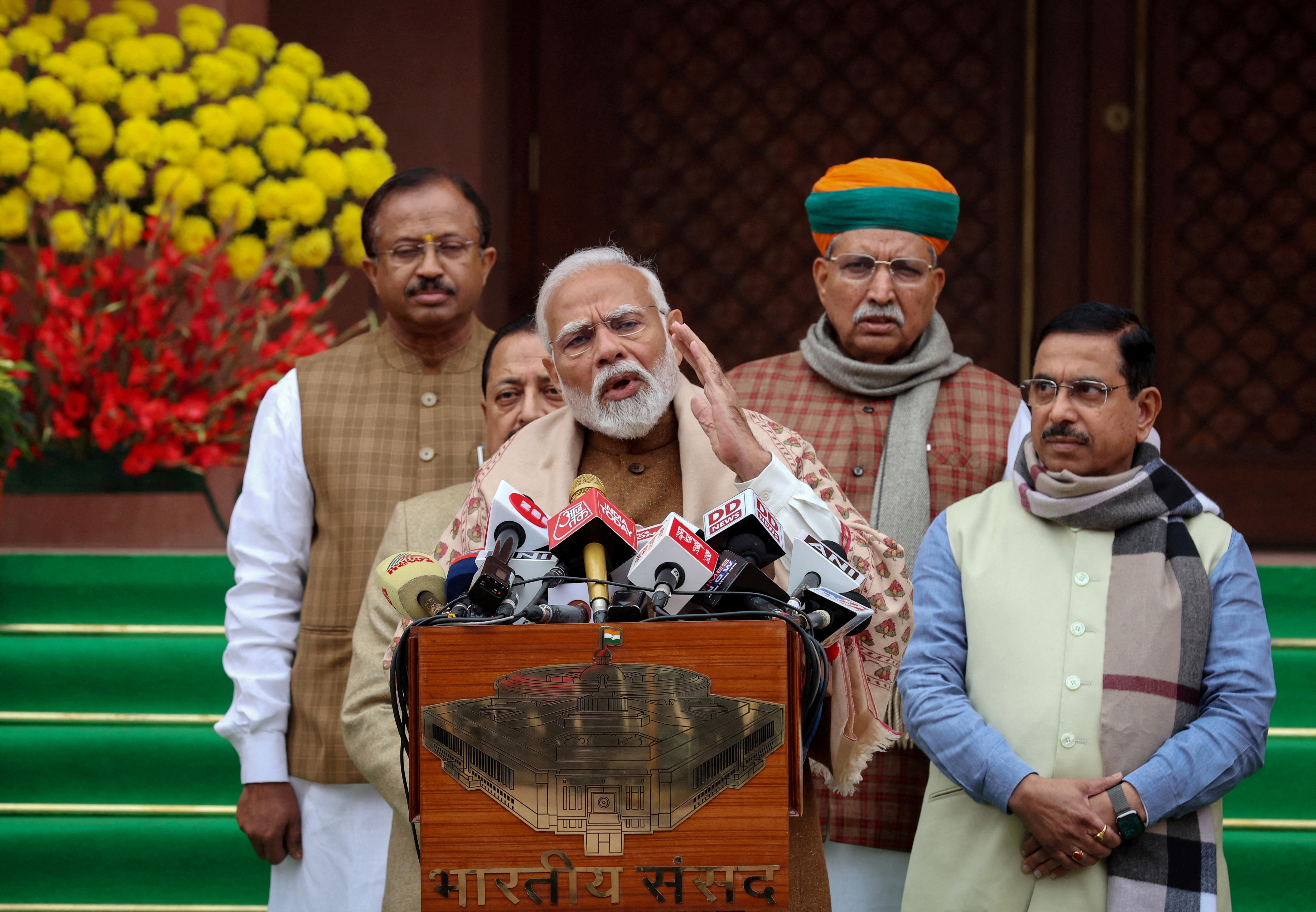
包括亿万富翁穆克什·安巴尼和高塔姆·阿达尼旗下公司在内的21家新闻出版商已向法院提起诉讼,挑战印度的隐私法,理由是该法将践踏调查工作,并允许新德里政府识别记者的消息来源,相关文件显示。
A group of 21 news publishers, including companies owned by billionaires Mukesh Ambani and Gautam Adani, has challenged India's privacy law in court, arguing it would trample investigative work and let New Delhi identify journalists' sources, documents show.
印度总理纳伦德拉·莫迪领导的政府去年宣布实施一项隐私法,以保护用户的数字个人数据,提高了Meta和谷歌等平台的合规要求。出版商们表示,由于媒体机构未获豁免,该法侵犯了新闻自由。
Prime Minister Narendra Modi's government last year announced implementation of a privacy law to protect digital personal data of users, raising compliance requirements for platforms like Meta and Google. The publishers have said that since media outlets were not exempt, the law was an invasion of press freedom.
印度数字新闻出版商协会(DNPA)在提交最高法院的一份保密文件中称,媒体公司在8月与政府的会议上获得保证,该法将保护新闻自由,但缺乏像欧盟、新加坡和英国那样为记者设立的书面豁免条款,令人担忧。路透社已审阅该文件。
Media companies received assurances in an August meeting with the government that the law would protect press freedom, but not having a written carve-out for journalists like in the European Union, Singapore and Britain was alarming, India's Digital News Publishers Association (DNPA) said in a confidential filing at the Supreme Court, reviewed by Reuters.
10月6日提起的这起诉讼系首次被报道,定于周二开庭审理,是针对莫迪隐私法最引人注目的挑战。直到现在,只有言论自由活动人士和一群较小的新闻机构曾对其提出挑战。
The October 6 lawsuit, being reported for the first time and due to be heard on Tuesday, is the most high-profile challenge to Modi’s privacy law. Until now, only free speech activists and a group of smaller news outlets had challenged it.
这也标志着安巴尼和阿达尼掌管的企业罕见地向政府发起挑战,反对党指责这两人与莫迪关系密切并获得优待——企业和政府均强烈否认这一指控。
It also marks an unusual challenge to the government from businesses headed by Ambani and Adani, who opposition parties allege are close to Modi and get favourable treatment - charges the businesses and the government vehemently deny.
DNPA和相关媒体集团未回应路透社的置评请求,印度电子与信息技术部也未回应。
DNPA and the media groups did not respond to requests for comment from Reuters, and neither did India's information technology ministry.
出版商要求废除该法大部分有争议的条款,这些条款将于2027年5月生效。他们主张,该法可能强制记者在调查某人前获得其事先同意,并强制出版商删除报道。他们还表示,该法赋予的要求提供信息的权力可能暴露记者的消息来源。
The publishers are demanding that most of the law's contentious provisions, which kick in from May 2027, should be quashed. They are arguing the law could force a journalist to get prior consent from a person they want to investigate and force publishers to erase stories. They also say powers granted by the law to demand information could expose reporters' sources.
这份长达698页的起诉书称,该法律将“使调查性新闻沦为一种无害且被阉割的事件记录者”。起诉书指出,这些条款“构成了事前审查,这对任何名副其实的民主制度而言都是不可容忍的”。
The law would "render investigative journalism a benign and neutered recorder of events," the 698-page filing said. The provisions "constitute pre-censorship which is anathema to any democracy worth its name".
这起诉讼发生之际,正值外界指责自莫迪2014年上台以来,印度新闻自由度不断下降。批评人士认为,许多主流媒体机构未能充分审视莫迪政府的作为。
The lawsuit comes amid accusations of declining press freedom in India since Modi took office in 2014. Critics say many mainstream media outlets have not done enough to scrutinise Modi’s government.
在无国界记者组织发布的世界新闻自由指数中,印度的排名从2014年的第140位跌至今年的第157位(共180个国家)——但政府拒绝接受这些排名。
India's ranking in Reporters Without Borders’ World Press Freedom Index fell to 157th out of 180 countries this year, from 140th in 2014 - but the government rejects the rankings.
莫迪政府表示尊重新闻自由,并称印度拥有“充满活力的新闻和媒体生态系统”,拥有数百家报纸和电视频道,不需要外国机构的认证。
Modi's government says it respects press freedom and says India, which has a "vibrant press and media ecosystem" of hundreds of newspapers and TV channels, does not need validation from foreign bodies.
DNPA的成员包括安巴尼旗下的Network18(拥有七个数字新闻平台)、阿达尼旗下的NDTV(NDTV.NS),以及《印度快报》和Times Internet等其他知名媒体集团;Times Internet隶属于《印度时报》集团,该集团出版印度发行量最大的英语日报。该组织的起诉书称,法律中要求获得同意的规定是一个核心担忧。
DNPA's members include Ambani's Network18, which has seven digital news platforms, Adani's NDTV (NDTV.NS) and other marquee media groups including the Indian Express and Times Internet, which is part of the Times of India group, publisher of India's largest-selling English-language daily. A key concern in the law is the requirement of consent, the group's filing says.
社交媒体平台或在线零售商可以在用户注册时征求同意,但DNPA辩称,要求记者通知调查对象并征求同意“将允许调查对象销毁证据、恐吓证人”。
A social media platform or online retailer can seek consent from users when they sign up, but the DNPA has argued that requiring a journalist to notify the subject of an investigation and seek consent "would allow that subject to destroy evidence, intimidate witnesses".
该法律还允许人们随时撤回同意并要求删除其数据,且没有任何公共利益保障条款,DNPA表示这可能迫使其成员撤下或大幅修改基于事实的新闻报道。
The law also lets people withdraw consent at any time and demand that their data be erased, without any public-interest safeguard, which DNPA says could force its members to unpublish or heavily redact a factual news report.
DNPA表示,新闻出版商担心,根据该法律设立的联邦机构可因不合规处以罚款,并授予新德里权力,以“公众利益”为由封锁对任何信息的访问,这将限制新闻自由。
News publishers are concerned that a federal authority created under the law can impose fines for non-compliance, and grants powers to New Delhi to block access to any information in the "interests of the general public", which would curtail press freedom, DNPA said.
在随诉状提交的一份8月致政府信函中,该组织称,印度“选择给予国家广泛豁免,却未能给予新闻界任何相应保护”。文中未提及收到回复。
In an August letter to the government attached to the lawsuit, the group said India "has chosen to grant broad exemptions to the state, while failing to extend any corresponding protection to the press". No response was cited.
起诉书称,从明年起,该法律还将允许新德里命令任何处理个人数据的组织“提供其可能要求的此类信息”,使新闻机构面临被迫透露消息来源的风险。
From next year, the law will also let New Delhi order any organization handling personal data “to furnish such information as it may call for”, putting newsrooms at risk of having to divulge sources, the filing said.
印度数字新闻出版商协会(DNPA)辩称,这也可能阻碍举报人向记者分享有关腐败、企业不法行为或选举舞弊的信息。
It can also deter whistleblowers from sharing information on corruption, corporate wrongdoing or electoral malpractice with reporters, the DNPA argued.
DNPA表示,这项“赤裸裸地缺乏指引”的条款必须被废除,并补充称,该权力“可延伸至记者或告发人掌握的特权通信”。
The “nakedly unguided” provision must be quashed, the DNPA said, adding that the power “can extend to privileged communications in possession of a reporter or the informant.”