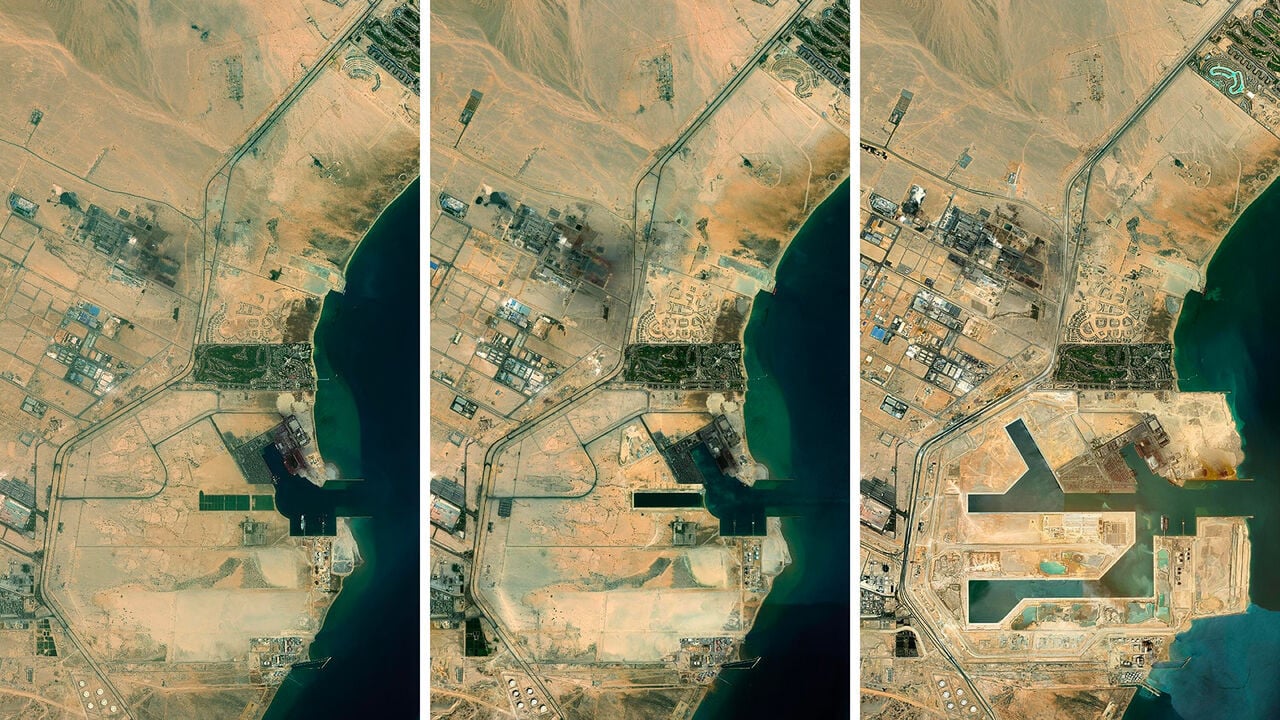
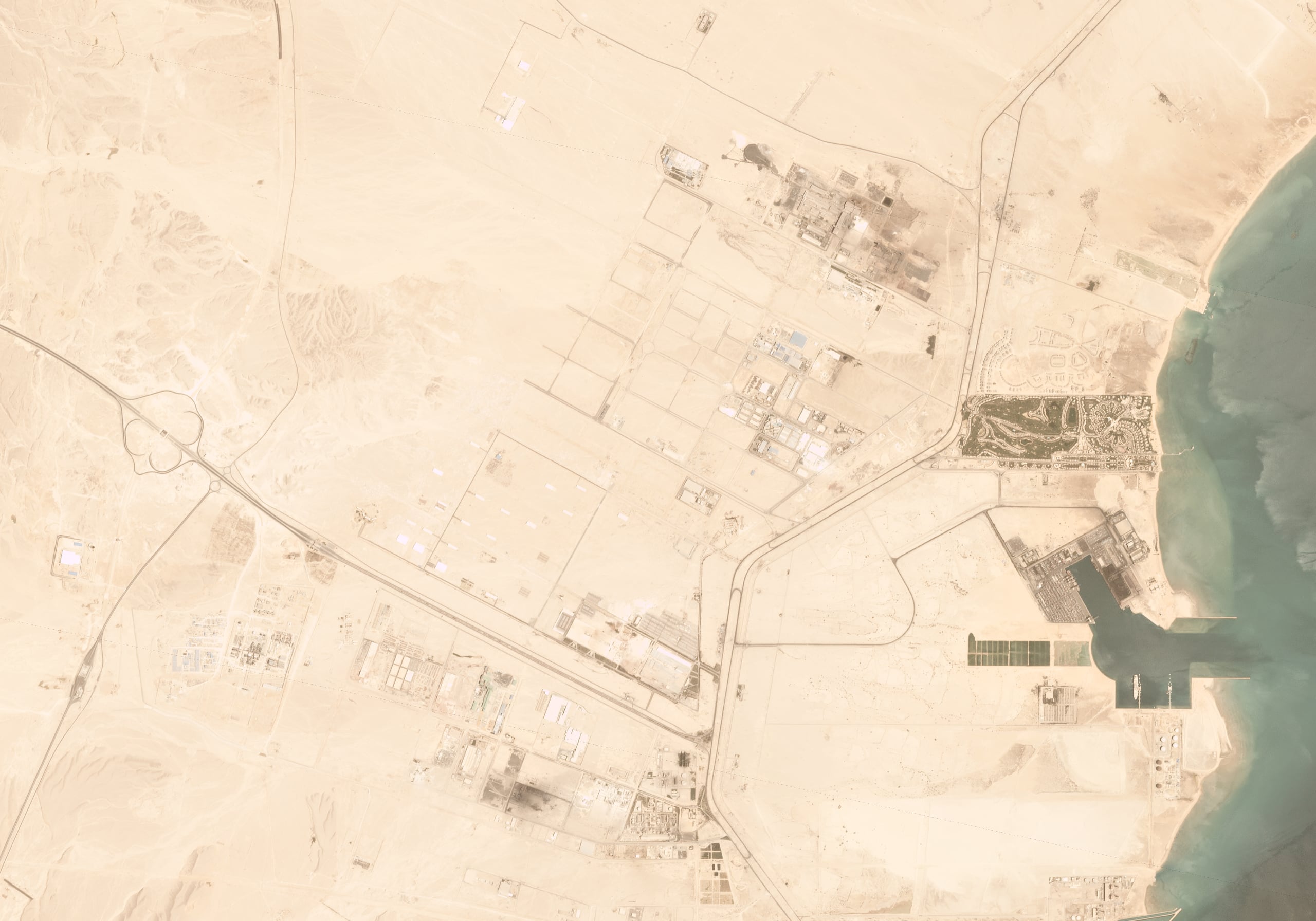
全球制造业正在经历重组 | 苏伊士湾畔的古老港口艾因苏赫纳,曾接收供法老王室使用的绿松石。如今,它迎来了新的财富来源:中国制造商。短短几年,他们的投资已彻底改变这一地区。2018年,全球最大玻璃纤维制造商巨石集团在此建成工厂。
A rewiring of global manufacturing is under way |Ain Sokhna The ancient port of Ain Sokhna, on the Gulf of Suez, once received turquoise destined for the regalia of pharaohs. Now it welcomes a new source of wealth: Chinese manufacturers. In just a few years, their investment has transformed the area. In 2018 Jushi, the world’s largest maker of fibreglass, finished construction of a factory.
两年内,数十家其他中国制造商相继进驻:造纸、光纤电缆、开关设备等生产商纷至沓来。艾因苏赫纳港为容纳它们将产能翻倍。
Within two years, scores of other Chinese manufacturers had joined it: producers of paper, fibre-optic cables and switchgears, among others. The port of Ain Sokhna doubled its capacity to accommodate them.
随着更多制造商落户,在中远海运和长江和记两家中国物流巨头的融资下,新码头破土动工。如今,苏赫纳工业区拥有数百家工厂,分布于12个工业园区。
As more manufacturers established a presence, construction began on a new terminal, with financing from two Chinese logistics giants, COSCO and CK Hutchinson. Today the Sokhna Industrial Zone is home to hundreds of factories across 12 industrial parks.
它是更广泛的苏伊士运河经济区的一部分,后者是一个向北延伸至地中海的工业园区与港口网络。该经济区近期投资中,约有一半来自中国。
It forms part of the wider Suez Canal Economic Zone, a network of industrial parks and ports that stretches north to the Mediterranean. Roughly half of the entire zone’s recent investment has come from China.
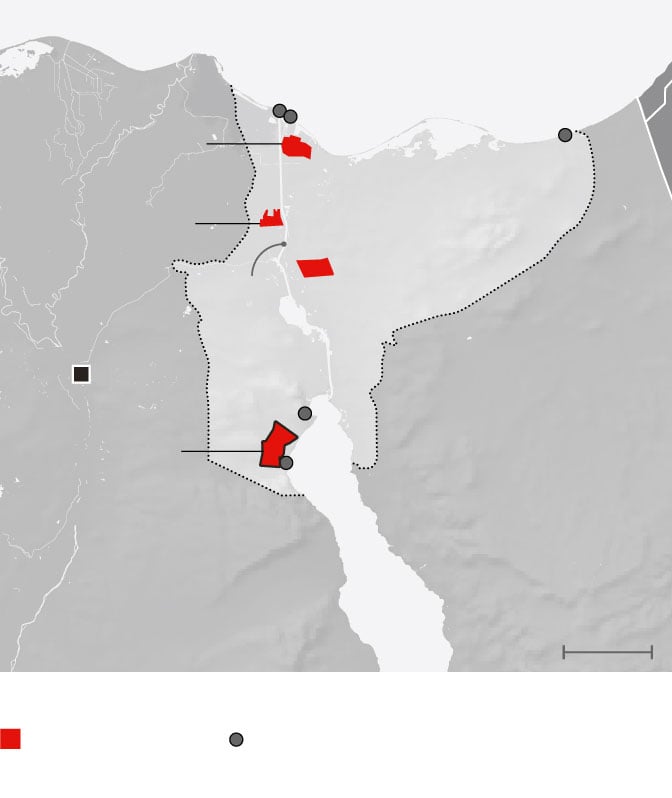
地中海 东塞得港 苏伊士运河经济区 坦塔拉 西伊斯梅利亚 苏伊士运河 开罗 苏赫纳 埃及 马湾 50公里 工业区与港口,2026年 港口 工业区 资料来源:苏伊士运河经济区总局 中国的工厂建设远不止于此区域。从沙特阿拉伯、匈牙利到巴西、印度尼西亚,中国工业园区、港口和机场正拔地而起。
Mediterranean Sea East Port Said Suez Canal Economic Zone Qantara West East Ismailia Suez Canal Cairo Sokhna EGYPT Gulf of 50 km Industrial zones and ports, 2026 Port Industrial zone Source: General Authority for the Suez Canal Economic Zone China’s factory-building extends far beyond this region. From Saudi Arabia and Hungary to Brazil and Indonesia, Chinese industrial parks, ports and airports are springing up.
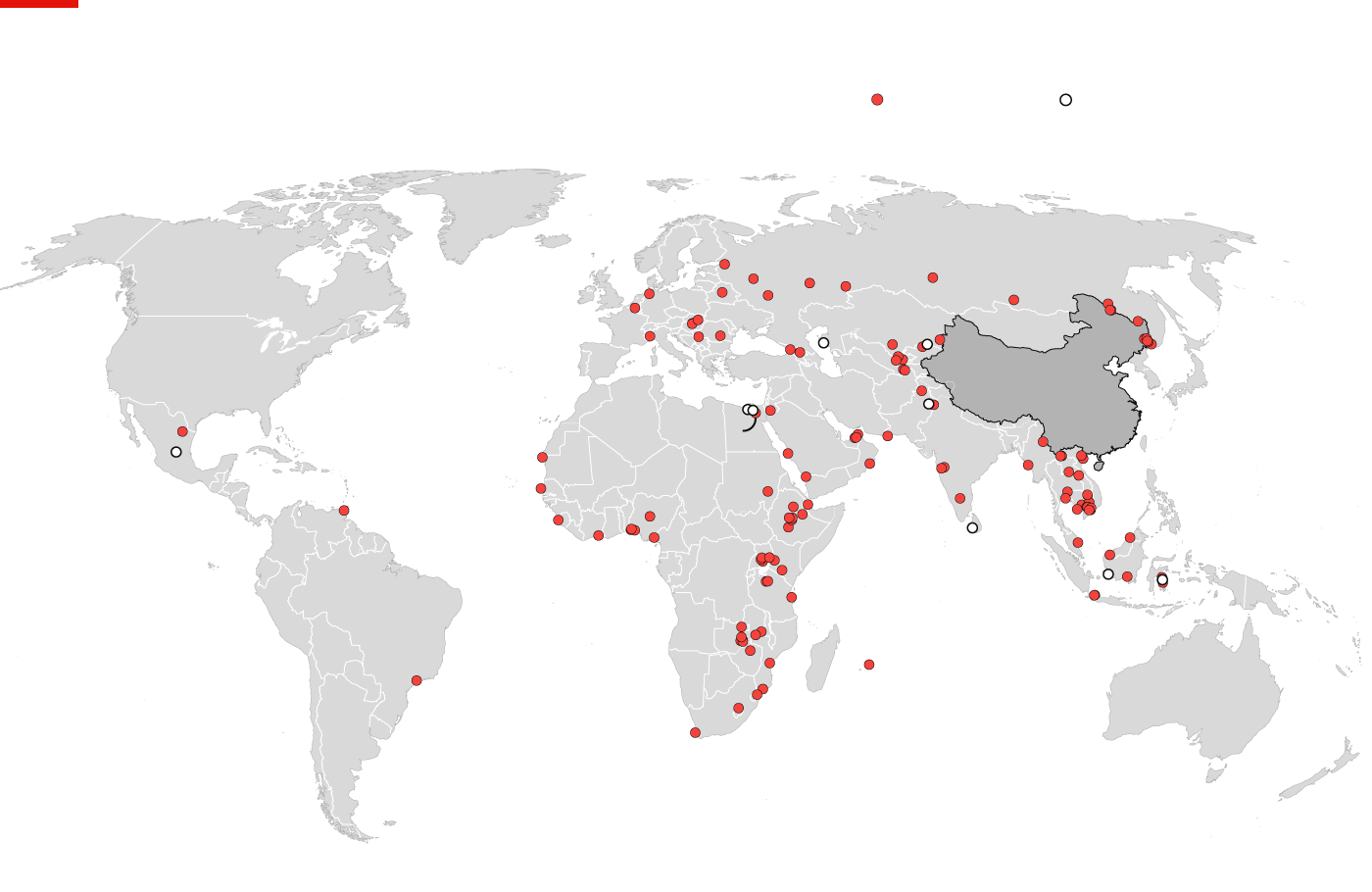
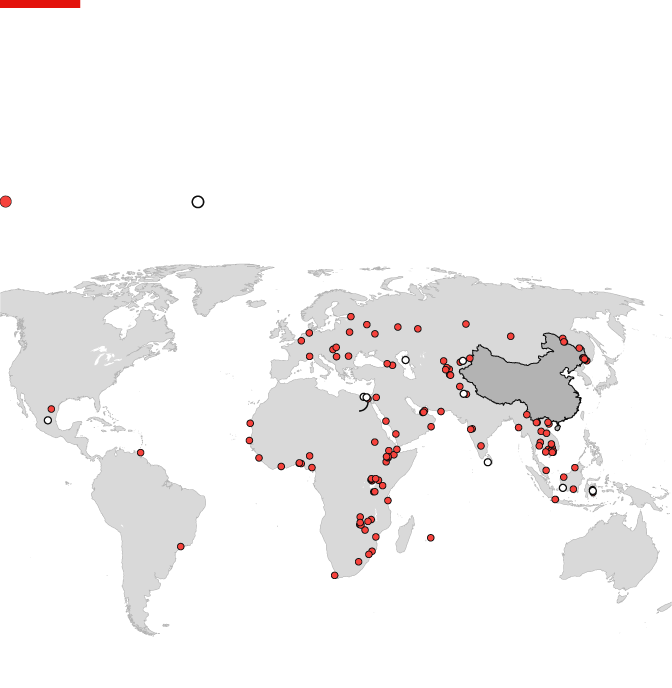
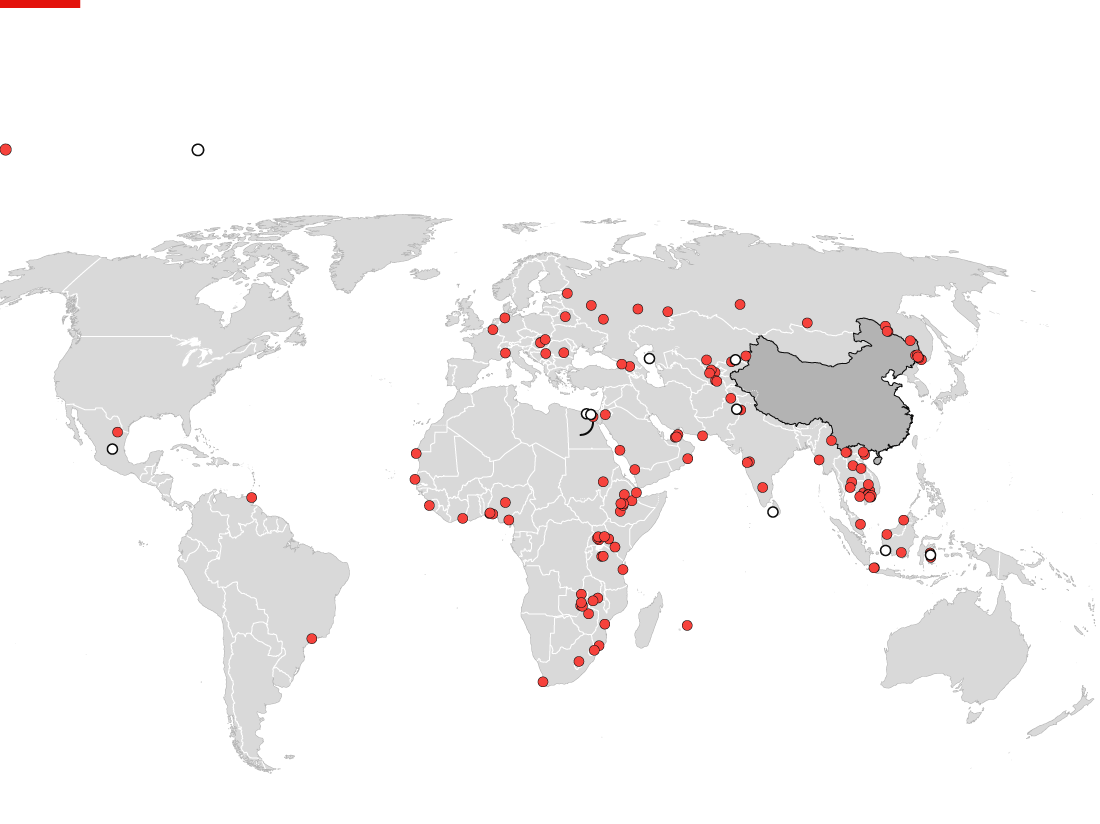
随着中国企业以惊人速度拓展海外供应链,全球商业版图正在被重塑。 0亿美元(见图表)。其供应链的性质也在发生变化,主要体现在三个方面。第一,布局更加广泛,在全球几乎每个地区都设有大型生产节点(见地图)。第二,产业链更加深入,许多中国供应商跟随制造商进入新基地,复制了国内紧密协作的生态体系。第三,战略产业的主导地位日益增强,涵盖电动汽车、清洁能源到数据中心设备等领域。
As Chinese businesses expand their overseas supply chains at breakneck speed, global commerce is being reshaped. Images: Planet Labs; Esri; Vantor In the past three years alone Chinese companies have spent more than $200bn building factories abroad (see chart). The character of their supply chains is also changing, in three ways. First, they are spwidely, with large production nodes in nearly every region of the globe (see map). Second, they have grown deeper, with many Chinese suppliers following manufacturers into new sites, replicating the tight-knit ecosystems back home. Third, they are increasingly dominated by strategic industries, from electric vehicles and clean energy to data-centre gear.
中国企业将生产基地扩展到越来越多地方,原因有多方面。国内消费疲软、竞争激烈,促使它们拓展新市场。特朗普第二届政府征收的关税,也激励企业在征收关税力度低于越南等中国传统生产基地的地方设厂。
A number of reasons explain why Chinese firms are making their wares in an expanding array of places. Weak consumer spending and fierce competition at home have encouraged them to venture into new markets. The tariffs introduced by the second Trump administration have also incentivised production in places that have been hit with less punitive levies than historic Chinese outposts such as Vietnam.
全球南方多国抛出额外优惠条件。例如,埃及提供“黄金许可证”,为大型项目大幅简化审批流程。协助中国企业在埃及落地的律师穆罕默德·埃尔迪卜表示,这些企业渴望“进来赚钱”,向埃及1.2亿人口销售产品,同时将其作为出口基地。
Various countries in the global south have dangled added incentives. Egypt, for instance, offers a “golden licence” that slashes red tape for big projects. Mohamed Eldib, a lawyer who helps Chinese firms set up operations in the country, says they are eager to “come in and make money” selling to Egypt’s 120m people while also using it as an export base.
结果是生产版图日益分散。以晶澳科技、晶科能源和天合光能这三家中国制造商为例,它们十年前开始在东南亚多国生产光伏组件,如今正在海湾地区建厂。新的中国生产中心正逐步融入客户供应链。德国风机制造商诺德克斯现在从其中国供应商去年在摩洛哥新建的工厂采购叶片。
The result is increasingly dispersed production footprints. Take JA Solar, JinkoSolar and TrinaSolar, three Chinese manufacturers that began making solar panels in various South-East Asian countries a decade ago and are now setting up factories in the Gulf. New Chinese production hubs are gradually being woven into customers’ supply chains. Nordex, a German manufacturer of wind turbines, now purchases blades from a factory in Morocco that its Chinese supplier opened last year.
欧洲也已成为热门投资目的地。据研究机构莱茵集团和智库中国国际问题研究所(MERICS)数据,2025年中国企业在欧洲全新“绿地”项目的外国直接投资增长了一半,达到创纪录的89亿欧元(约合101亿美元)。匈牙利备受关注。塞尔维亚的中国企业投资也在增加。汽车零部件供应商玲珑轮胎是已在该国投产的中国制造商之一。近期,该公司宣布扩大其位于兹雷尼亚宁市的高度自动化工厂产能,该工厂向大众和福特等西方车企供货。
Europe has also emerged as a popular destination. Chinese firms’ foreign direct investment in all-new “greenfield” projects on the continent rose by half in 2025, to a record €8.9bn ($10.1bn), according to Rhodium Group, a research firm, and MERICS, a think-tank. Hungary has attracted much attention. Serbia has also seen a growing Chinese presence. Linglong Tire, a car-parts supplier, is among the Chinese manufacturers to have begun producing in the country. It recently announced it was expanding the capacity of its largely automated factory in the city of Zrenjanin, which supplies Western carmakers including Volkswagen and Ford.
与此同时,中国的全球供应链不断深化,更多上游制造环节转移至海外。中国电池制造商国轩高科正在摩洛哥首都拉巴特东北约70公里的一个工业区建设超级工厂;多家中国供应商,包括生产正负极材料的贝特瑞和生产铜箔的海亮集团,正在几小时车程外建厂以提供投入品。在开罗郊外的一个工业区,一家中国家电制造商已建厂投产,一位高管表示,该公司同样鼓励部分供应商在当地建厂。
At the same time China’s global supply chains have deepened, with more upstream manufacturing taking place abroad. Gotion, a Chinese battery-maker, is constructing a gigafactory in an industrial zone 70km north-east of Morocco’s capital, Rabat; a number of Chinese suppliers, including BTR, which makes anodes and cathodes, and Hailiang Group, which produces copper foil, are building factories a few hours’ drive away to provide inputs. At an industrial zone on the outskirts of Cairo, where a Chinese manufacturer of home appliances has built a factory, an executive notes that the firm has likewise encouraged some of its suppliers to set up local plants.
大量投入品仍需进口。机床常从杨力集团等中国供应商处进口。当地无法获得或价格高昂的零部件、材料也是如此。2026年上半年,中国资本货物出口同比增长14%,中间品出口增长27%。但随着时间的推移,更多此类投入品可能就近采购。
Plenty of inputs are still shipped in. Machine tools are often imported from Chinese suppliers such as Yangli Group. So are components or materials that are unavailable (or much pricier) locally. Chinese exports of capital goods increased by 14% in the first half of 2026, year on year. Exports of intermediate goods rose by 27%. With time, however, more of those inputs may be sourced from nearer by.
与此同时,中国的物流企业正在帮助本国制造商将其新近扩张的供应链连接起来。这些企业目前运营或投资了至少132个外国港口,从希腊到斯里兰卡,此外还有机场和铁路线,其中包括今年早些时候竣工的布达佩斯至贝尔格莱德线路。
Meanwhile, China’s logistics firms are helping its manufacturers to link their newly sprawling supply chains. These now operate or have invested in at least 132 foreign ports, from Greece to Sri Lanka, along with airports and rail lines, including one from Budapest to Belgrade completed earlier this year.
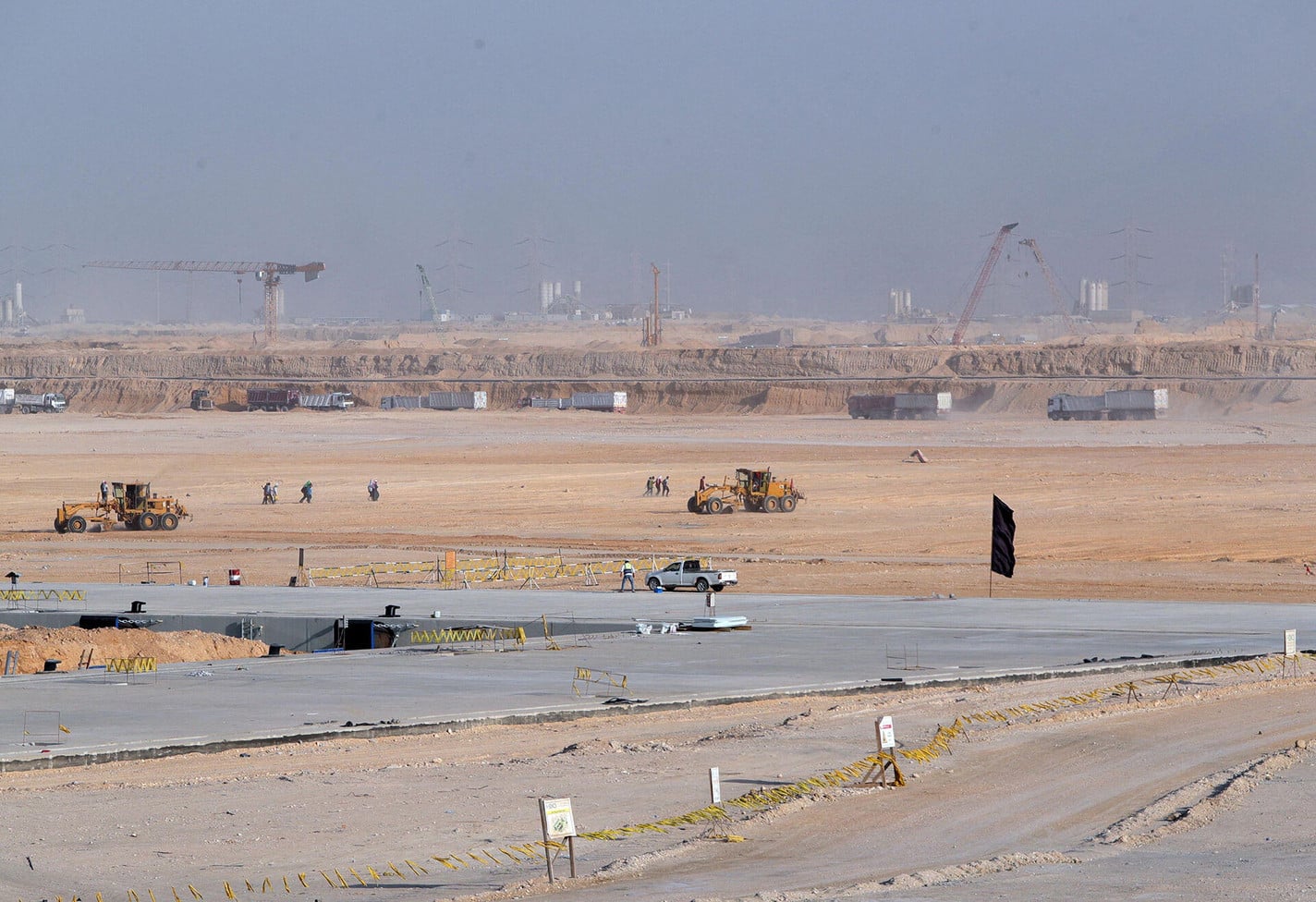
中国企业的海外投资热潮高度集中于少数几个战略行业。为了满足不断增长的电力需求,尤其是全球南方国家已成为中国清洁能源技术的热切买家。埃及沙漠中正在建设的庞大太阳能电站主要依赖中国设备,其中越来越大的份额在当地生产。中国电动汽车如今从里约热内卢到伦敦的城市中随处可见,并且越来越多地在更靠近客户的区域中心制造。
China Inc’s overseas investment binge has focused heavily on a handful of strategic industries. In order to satisfy rising demand for electricity, countries in the global south in particular have become eager buyers of China’s clean-energy technology. The vast solar farms being built in Egypt’s deserts rely largely on Chinese equipment, a growing share of which is produced locally. Chinese EVs, now a common sight in cities from Rio de Janeiro to London, are increasingly being made in regional hubs nearer to customers.
人工智能数据中心所需的设备是另一个重点。例如,泰国已成为中国高速光学元件制造商的制造中心,如中际旭创,其产品被美国的云计算巨头在世界各地使用。
The equipment required for artificial-intelligence data centres has been another focus. Thailand, for example, has emerged as a manufacturing centre for Chinese makers of high-speed optical components, such as Zhongji InnoLight, whose products are used by America’s cloud-computing giants around the world.
希望到海外投资的中国企业发现,这片领域几乎由它们独享,因为西方竞争对手为了安抚奉行保护主义的美国政府,正将建厂重心放在美国。一名埃及官员补充说,中国企业一旦决定建设,行动非常迅速。
Chinese firms hoping to invest abroad have found they have the field to themselves, as Western rivals concentrate their factory-building in America to appease its protectionist government. An Egyptian official adds that, when Chinese businesses decide to build, they do so quickly.
它们的海外扩张并非没有障碍。美国反复无常的关税导致一些项目被取消或缩减。8月13日,白宫发布了一份题为《伟大的转运骗局》的报告,呼吁对任何有中国涉入迹象的进口商品实施全面限制。与此同时,巴西和土耳其等地的政府一直在实施本地含量要求,这使得更多价值在这些国家内部产生,但也降低了在那里生产的吸引力。汇率波动和新兴市场的高借贷成本使情况更加复杂。
Their foreign expansion is not without obstacles. The volatile tariffs imposed by America have resulted in some projects being cancelled or cut back. On August 13th the White House published a report titled “The Great Transshipment Scam” that called for sweeping restrictions on imports with even a whiff of Chinese involvement. At the same time governments in places such as Brazil and Turkey have been imposing local-content requirements, which result in more of the value being added in their countries but make manufacturing there less attractive. Currency fluctuations and high borrowing costs in emerging markets complicate matters further.
连锁反应中国政府也在让本国走向全球的企业日子不好过。上个月,一套新的对外投资法规生效,其中除其他内容外,还限制技术和数据向海外转移,并引入了国家安全审查程序。
Chain reaction China’s government has also been making life hard for the country’s globe-trotting businesses. Last month a new package of outbound-investment regulations came into effect which, among other things, restrict the transfer of technology and data abroad and introduce a national-security review process.
到目前为止,中国在全球制造业中所占的整体份额没有显示出下降的迹象。然而,随着越来越多的中国企业到海外投资,这种情况可能很快就会改变。但即便如此,世界仍将继续依赖中国商品——无论它们在哪里生产。
So far the overall share of global manufacturing taking place in China has shown no indication of decline. Yet with ever more of its companies investing abroad, that may soon change. Even then, however, the world will continue to rely on Chinese goods—wherever they are made.