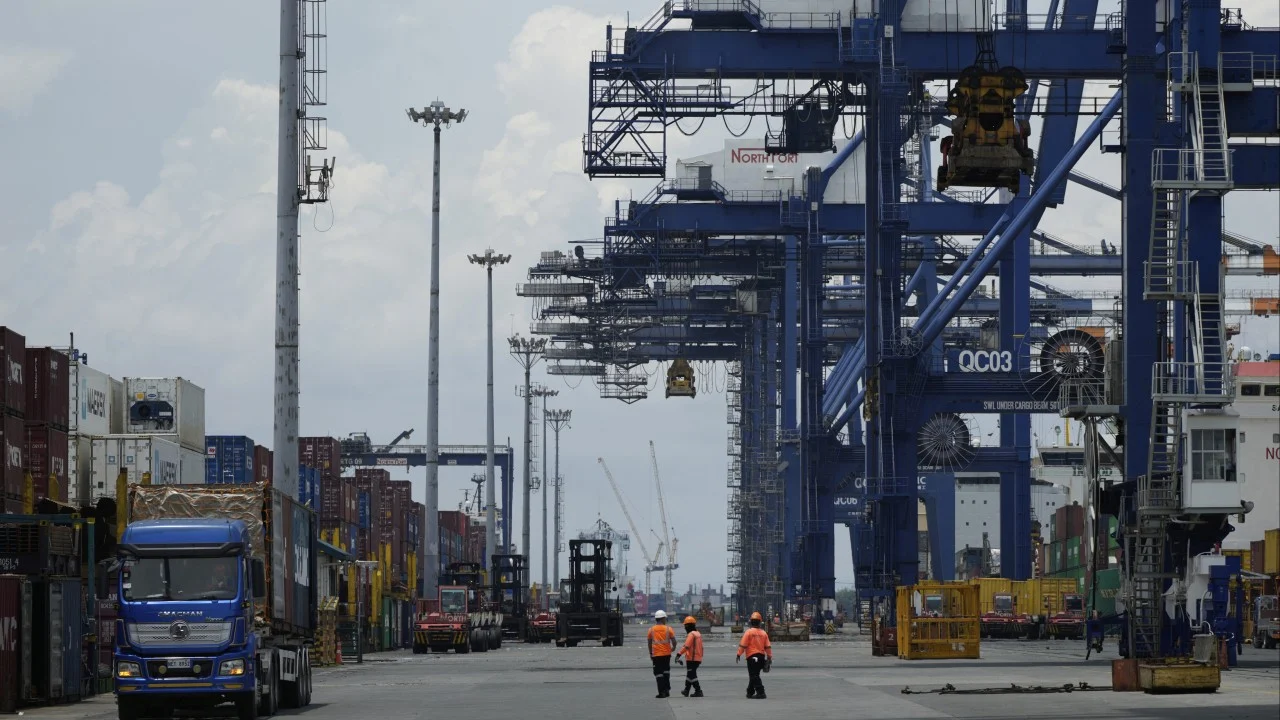
亚洲开发银行(ADB)警告称,菲律宾面临东南亚最高的气候驱动型港口损失成本,预计到2100年年度损失将达702亿美元。
The Philippines faces the highest climate-driven port damage costs in Southeast Asia, with annual losses projected to hit US$70.2 billion by 2100, the Asian Development Bank (ADB) has warned.
分析人士表示,这种损害可能会瘫痪供应链、推高食品价格并威胁生计,敦促马尼拉采取更协调的防洪方法,而不仅仅是加强港口基础设施。
Analysts say the damage could cripple supply chains, drive up food prices and threaten livelihoods, urging Manila to adopt a more coordinated approach to flood protection rather than simply strengthening port infrastructure.
亚行在其最新报告《2026年亚太气候报告:沿海风险上升——迈向韧性未来的行动》中指出,在中等排放情景下(预计海平面上升50厘米至80厘米),菲律宾可能遭受206亿美元的港口损失。
In its latest report titled “Asia-Pacific Climate Report 2026: Coastal Risks on the Rise – Actions for a Resilient Future”, the ADB said the Philippines could sustain US$20.6 billion in port damage under a moderate-emissions scenario, in which sea levels were projected to rise by 50cm to 80cm.
在海平面可能上升达1米的高排放情景下,到2100年年度港口损失可能攀升至702亿美元。
A high-emissions scenario where sea levels could rise up to 1 metre could see annual port damages climb to US$70.2 billion by 2100.
在亚太地区,菲律宾仅次于中国,中国预计年度损失在822亿美元至3320亿美元之间,而印度的预测为700亿美元至2540亿美元,预计将包括修复受损港口基础设施的成本和海上贸易中断造成的损失。
In the Asia-Pacific region, the Philippines only trails China, with projected annual losses ranging from US$82.2 billion to US$332 billion, while India’s projections are from US$70 billion to US$254 billion, which would be expected to include the cost of repairing damaged port infrastructure and losses from maritime trade disruption.
港口损坏会扰乱运营、延误发货,并中断企业和社区赖以获取基本商品的供应链。
Port damage can disrupt operations, delay shipments and interrupt supply chains that businesses and communities rely on for essential goods.
报告称:“因为这些网络将农场与市场、渔民与买家、家庭与医疗服务和食品供应连接起来,它们的中断会直接级联影响到生计、营养和福祉。”该报告于上周三发布。
“Because these networks link farms to markets, fishers to buyers, and households to health services and food supplies, their disruption cascades directly into livelihoods, nutrition, and well-being,” said the report, released last Wednesday.
“随着城市发展日益将这些建设资产置于危险之中,暴露在风险中的基础设施范围可能会扩大。”9月,负责监管和管理该国海港的菲律宾港务局(PPA)表示,已启动加强基础设施的工作,包括采取气候和灾害适应性措施,以确保业务连续性,并使港口能够抵御台风和地震,在紧急情况下继续运送必需物品。
“The extent of exposed infrastructure is likely to increase as urban development increasingly puts these built assets in harm’s way.”In September, the Philippine Ports Authority (PPA), the agency tasked with regulating and managing the country’s seaports, said that it had embarked on efforts to strengthen its infrastructure, including climate- and disaster-resilient measures, to ensure business continuity and that ports could withstand typhoons and earthquakes and continue moving essential items in times of emergencies.
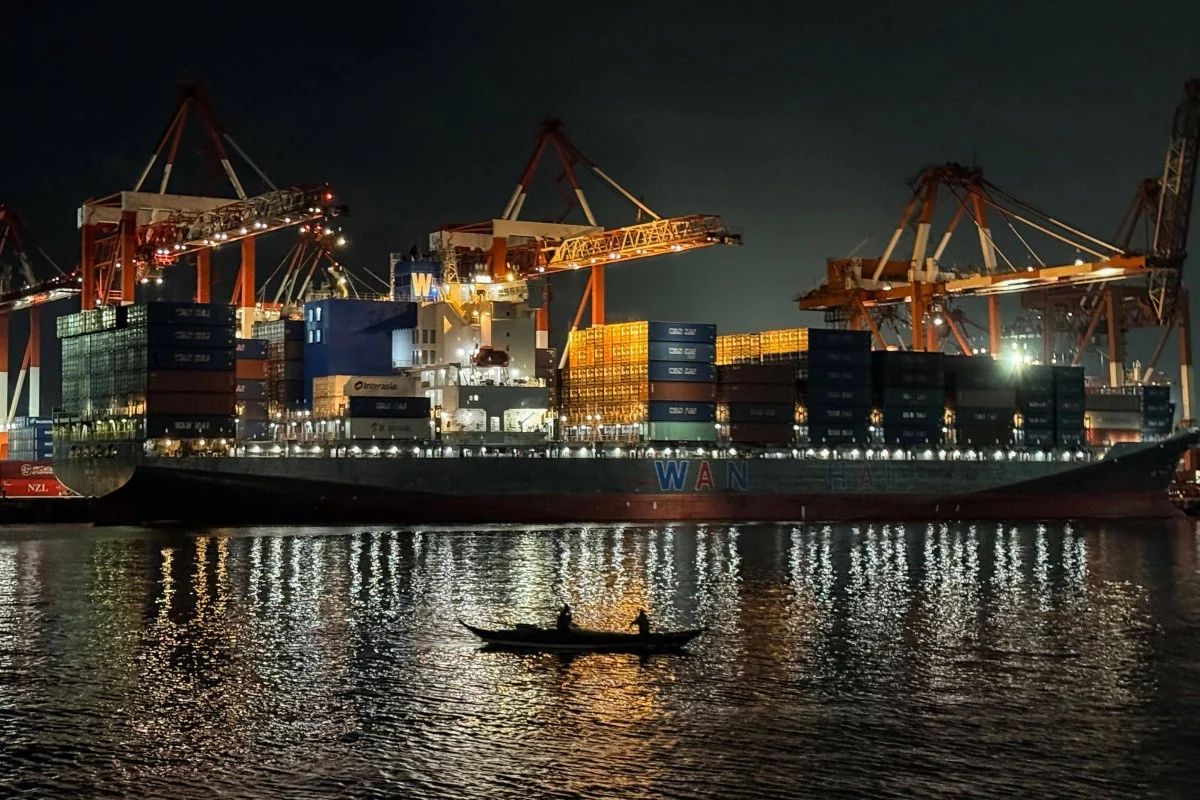
菲律宾港务局总经理杰伊·圣地亚哥在一份声明中说:“我们持续开展演练、测试不同情景、加强协调并改善基础设施,以便灾害来临时,我们的港口能继续作为国家安全可靠的生命线发挥作用。”《亚洲周刊》已就亚行报告向该局寻求置评。
“We continue to conduct drills, test different scenarios, strengthen coordination, and improve our infrastructure so that when a disaster comes, our ports can continue serving as safe and reliable lifelines for the country,” PPA general manager Jay Santiago said in a statement. This Week in Asia has reached out to the authority for comments on the ADB report.
交通、城市与物流专家曼努埃尔·何塞·卡马盖表示,菲律宾的物流成本高于东南亚大陆邻国。
Manuel Jose Camagay, a transport, urban and logistics specialist, said the Philippines bore higher logistics costs than its neighbours in mainland Southeast Asia.
他说:“港口是供应链的门户,自然灾害在扰乱全国货物和人员正常流动方面扮演着关键的‘反派’角色。”
“Ports are gateways to supply chains and natural disasters play the crucial villainous role of disrupting the normal flow of goods and people across the country,” he said.
新加坡管理大学综合学院研究员温·保罗·瓦伦苏埃拉表示,在一个群岛国家,港口一旦失灵,整个经济就会陷入瘫痪。
Ven Paolo Valenzuela, a research fellow at Singapore Management University’s College of Integrative Studies, said that when ports failed in an archipelagic country, the whole economy would stumble.
瓦伦苏埃拉说:“我们高度依赖港口。你的食品价格会飙升,供应链会严重中断,台风过后的救援物资无法抵达受灾岛屿或沿海社区。”
“We’re very dependent on ports. Your food prices spike, your supply chain is severely disrupted, and post-typhoon relief cannot access devastated islands or coastal communities,” Valenzuela said.
他呼应了报告的隐含意义,并补充说,港口受损会产生复合效应,从物理破坏到更长的运营停工期。
He echoed the report’s implications, adding that port damage created a compounding effect, from physical destruction to longer operational downtime.
瓦伦苏埃拉补充说,海平面上升并非唯一可能摧毁港口的因素,但它会放大其他危害,例如风暴潮引发的沿海洪水、日益强烈的热带气旋带来的强风,以及港口区域的海岸侵蚀。
Valenzuela added that sea level rise was not the sole factor that could devastate ports, though it amplified other hazards such as coastal flooding from storm surges, powerful winds from intensifying tropical cyclones and coastal erosion in port areas.
“因此,中断会波及各行业的供应链。不经过港口,货物就无法从吕宋岛运往维萨亚斯群岛,”他说,并称这一问题为“巨大缺口”。每年有20多个台风袭击菲律宾,影响其海岸线上分布的港口。
“Because of that, the disruption ripples across industries’ supply chains. You cannot move goods from Luzon to Visayas without going through a port,” he said, calling the problem a “big gap”. More than 20 typhoons hit the Philippines each year, affecting ports that dot its coasts.
瓦伦苏埃拉说,2013年的“海燕”台风展示了“风暴潮如何能摧毁港口及其周边社区”。
Typhoon Haiyan in 2013 showed “how storm surges can wipe out ports and the communities around them”, Valenzuela said.
卡马盖表示,港口受损等同于贸易和经济损失,原因在于货运延误和基本商品供应中断、维持运营所需的原材料和设备损失、商品成本上升,以及因无法按期完成而损失的收入。
Camagay said that port damage was tantamount to trade and economic loss due to shipment delays and disruptions of basic commodities, losses of raw materials and equipment to continue operations, higher cost of goods and forgone income when deadlines were not met.
他还称港口为“就业磁石”,因为它们吸引着成群结队居住在港口周边城市地区的移民工人。
He also called ports “employment magnets” given their appeal to flocks of migrant workers living in urban areas around these ports.
瓦伦苏埃拉说,这些社区直接受到港口受损和沿海洪水的影响,并补充说,处理该国绝大部分国际和国内集装箱吞吐量的马尼拉大都会主要港口综合体,容易受到风暴潮、沿海洪水以及地下水开采连锁效应的影响。
Such communities were directly affected by port damage and coastal flooding, Valenzuela said, adding that Metro Manila’s main port complex, which handled the bulk of the country’s international and domestic container throughput, was vulnerable to storm surges, coastal flooding and knock-on effects of groundwater extraction.
他说,伊洛伊洛、宿务、巴丹加斯、苏比克、达沃和卡加延德奥罗等其他沿海枢纽,正在易涝区经历快速城市化,其速度超过了排水和其他防护基础设施的建设进度。瓦伦苏埃拉说,菲律宾缺乏保护港口免受气候变化影响的手段。
Other coastal hubs such as Iloilo, Cebu, Batangas, Subic, Davao and Cagayan de Oro were seeing rapid urbanisation in flood-prone zones that outpaced the building of drainage and other protective infrastructure, he said. Valenzuela said the Philippines lacked the means to protect its ports against climate change.
“从技术上讲,我们知道如何加高和气候强化港口——我在日本的研究证明,这可以分阶段完成,而无需中止贸易,”他说。
“Technically, we know how to elevate and climate-proof ports – my own research in Japan proves it can be done sequentially without halting trade,” he said.
“要防御港口本身很容易,但如果周边基础设施没有作为一个系统来规划,无论防御多好都没有意义。”瓦伦苏埃拉表示,如果陆地排水系统被堵塞,且没有解决土地沉降问题,那么为应对海平面上升而提升港口是“毫无意义”的。
“It’s easy to defend the port itself, but if the surrounding infrastructure isn’t planned as a system, it doesn’t matter how nice your defences are.”Valenzuela said that raising a port to address sea level rise would be “pointless” if drainage systems from the land were blocked and if the challenges of land sinking were not addressed.
至于地震风险,瓦伦苏埃拉称菲律宾不能忽视,因为该国是一个地震多发的国家。
As for seismic risks, the Philippines cannot afford to ignore them, as it is a country prone to earthquakes, according to Valenzuela.
他还说,菲律宾可以向印度尼西亚和新加坡学习,这些国家逐步升级港口设施,以减轻气候影响,同时不影响货物运营。
Meanwhile, the Philippines could look to Indonesia and Singapore to learn how these countries had progressively upgraded their port facilities to mitigate climate impact without causing disruptions to cargo operations, he said.
瓦伦苏埃拉指出,印度尼西亚已部署可随水位上升而调节的浮动码头、浮筒和物流基地。
Indonesia had deployed floating piers, pontoons and logistics bases that could adjust to rising water levels, Valenzuela said.
他补充说,新加坡将保护港口作为应对海平面上升的国家行动的一部分,并以数十亿美元的海岸和防洪保护基金为支撑。
Singapore had been protecting its ports as part of its national efforts against rising sea levels, anchored by a multibillion-dollar coastal and flood protection fund, he added.
卡马盖表示,在东南亚国家联盟层面,该组织也可以通过其拟议的绿色航运运营等措施,帮助减轻气候损害。
Camagay said that at the Association of Southeast Asian Nations level, the bloc could also do its part to mitigate climate damage such as through its proposed adoption of green shipping operations, he added.
“目标是降低,甚至消除,不仅来自海运船舶的碳足迹,还包括货物、包装、塑料使用以及任何影响环境的因素。”
“The goal is to reduce, if not eliminate, the carbon footprint not only from the sea vessels but also from the cargo, the packaging and the use of plastics and anything that impacts the environment.”