在《淘金热:加利福尼亚淘金、内战与现代世界的形成》(维京出版社版)的第八页,纳撒尼尔·菲尔布里克告诉读者他写这本书的缘由。现年七十岁的菲尔布里克,过去四十年一直居住在南塔基特岛,这座岛屿既是他的家,也是他创作生涯的源泉。在出版了两本关于该岛历史的著作——《遥远的海岸:南塔基特岛及其人民,1602-1890》和《亚伯拉罕之眼:南塔基特岛的美洲原住民遗产》之后,他将目光投向了十九世纪从该岛出航的无数捕鲸船中的一艘。
Eight pages into “The Rush: California Gold, the Civil War, and the Making of the Modern World” (Viking), Nathaniel Philbrick tells us why he wrote it. Philbrick, who is seventy years old, has lived for the past four decades on Nantucket, a home that has doubled as the wellspring of his career. After publishing two books about its history—“Away Off Shore: Nantucket Island and Its People, 1602-1890” and “Abram’s Eyes: The Native American Legacy of Nantucket Island”—he turned his attention to one of the countless whaling ships that sailed forth from the island in the nineteenth century.
这艘船名为“埃塞克斯号”,于1819年在那里起锚,随后在太平洋中央被一头抹香鲸撞毁,船员人数在长达三个月的恐怖漂流中不断减少,这一事件启发了赫尔曼·梅尔维尔创作《白鲸》。菲尔布里克本人对埃塞克斯号命运的扣人心弦的叙述——《海心风暴》,标志着他职业生涯的转折点。该书于2000年获得国家图书奖,在《纽约时报》畅销书榜上停留了四十周,被改编成好莱坞电影,并使其作者成为“老爸历史”领域的权威人物。
This was the Essex, which weighed anchor there in 1819 and was subsequently destroyed by a sperm whale in the middle of the Pacific Ocean, stranding its steadily dwindling number of crew members at sea for three horror-filled months and inspiring Herman Melville’s “Moby-Dick.”Philbrick’s own gripping narrative of the fate of the Essex, “In the Heart of the Sea,” marked a turning point in his career. It won a National Book Award, in 2000, spent forty weeks on the New York best-seller list, was adapted into a Hollywood movie, and made its author an eminence in the field of Dad History.
菲尔布里克随后的著作包括广受欢迎的《五月花号》、《邦克山战役》和《约克镇战役》等。除一本关于小大角河战役的书外,其作品的背景均设定在东海岸、海洋或两者兼有,这对于一个毕生大多时间生活在新英格兰海岸外一座岛屿上的人来说,是再自然不过的创作语境。
Philbrick’s subsequent books include popular-in-both-senses accounts of the Mayflower, the Battle of Bunker Hill, and the Battle of Yorktown. With one exception, a book about the Battle of the Little Bighorn, they have been set on the East Coast or on the ocean or both, natural enough contexts for a man who has spent most of his life on an island off the coast of New England.
那么,为什么突然是加利福尼亚?因为正如菲尔布里克告诉我们的,在他之前,许多南塔基特人也对它产生了突如其来的兴趣。在内华达山脉山麓发现黄金后,那些生于斯、长于斯、靠大海谋生的男子,驾驶着他们的捕鲸船航行了一万四千英里抵达旧金山,将船只弃置在港口,然后冲向内陆,试图改从土地上谋生。菲尔布里克写道:“在1849年的九个月里,曾经的世界捕鲸之都南塔基特,失去了四分之一的选民人口,他们去了金矿区。”
So why California all of a sudden? Because, Philbrick tells us, so many Nantucketers before him developed an abrupt interest in it, too. After gold was discovered in the foothills of the Sierra Nevada, men who were born and raised to make their living from the sea sailed their whaleships fourteen thousand miles to San Francisco, abandoned them in the harbor, and rushed inland to try to make their living from the ground instead. “Over the course of nine months in 1849,” Philbrick writes, “Nantucket, once the whaling capital of the world, lost a quarter of its voting population to the goldfields.”

这是一个惊人的事实,它身后拖曳着一整本幽灵般的书,讲述的是在如此多公民离家前往加利福尼亚试图一夜暴富后,南塔基特以及全国无数其他地方发生了什么。
That is a staggering fact, one that drags behind it a whole ghost book about what happened to Nantucket and countless other places across the country after so many of their citizens left to try to strike it rich in California.
这不是菲尔布里克的主题,但除此之外,几乎一切都是。《淘金热》是一部宏大的著作,人物与故事到处溢出,其主张之密集堪比它所描述的金矿区。其中有两个主张成为核心。第一个贯穿全书——尽管严格来说是不断出现又消失——即加利福尼亚发现黄金引发了一场为财富、土地、劳动力和权力而进行的疯狂争夺,这助长了内战的爆发,随后又帮助决定了战争的结局。
This is not Philbrick’s subject, but almost everything else is. “The Rush” is a sprawling book, characters and stories spilling out everywhere, as dense with claims as the goldfields it describes. Of these, two emerge as dominant. The first, which is woven throughout the book—albeit in the strict sense that it keeps appearing and disappearing—is that the discovery of gold in California set off a mad scramble for wealth, land, labor, and power that contributed to the onset of the Civil War and then helped determine its outcome.
第二个主张是,淘金热最重要的不是黄金,而是“热”。菲尔布里克认为,那些南塔基特捕鲸人收拾行囊向西奔赴时表现出的盲目急躁,具有代表性,它体现了一种新的、截然不同的美国式胃口:对速度、新奇和变革的渴望,这种胃口从四九淘金客时代一直到计划中的Anthropic首次公开募股(IPO),始终定义着我们的性格并塑造着我们的未来。
The second is that what mattered most about the gold rush was not the gold but the rush. The headlong haste with which those Nantucket whalers picked up their lives and went West was representative, Philbrick argues, of a new and distinctly American appetite for speed, novelty, and transformation, one that has defined our character and shaped our future from the time of the forty-niners to the planned Anthropic I.P.O.
《淘金热》对这两个论点都不太令人信服。这部分是因为两个论点都略显摇摇欲坠,部分是因为它们差异太大,难以在一本书中舒服地共存:一个关乎历史与因果,另一个关乎心理与文化。但主要是因为菲尔布里克不断偏离主题,转而讲述一段更宏大、更混乱、更少工具化的淘金热及其后果的历史。给他这本书起个更好的书名,应该是《加利福尼亚史,1848-1878》。
“The Rush” is not particularly convincing about either of these claims. This is partly because both are a little rickety and partly because they are too different to comfortably coexist in a single book: one is about history and causality, the other is about psychology and culture. Mostly, though, it is because Philbrick keeps veering off into a larger, messier, less instrumentalized account of the gold rush and its aftermath. A better title for his book would be “A History of California, 1848-1878.”

别觉得这个标题枯燥,要知道,自建国以来,这三十年是最惊心动魄、最扣人心弦、最充满动作场面的几十年之一。从某种意义上说,《淘金热》隐含的问题不在于它所涵盖的历史,而在于历史本身:过去必须解释现在,才值得我们关注吗?
Lest that strike you as dull, consider that those are three of the most thrilling, harrowing, and action-packed decades since the founding of our nation. In a sense, then, the tacit question “The Rush” asks is not about the history it covers but about history in general: Does the past need to explain the present to be worthy of our attention?
如果你对淘金热有所了解,很可能听说过萨特磨坊的故事。该磨坊建在美洲河岸边,1848年1月,磨坊施工时发现的闪闪发光的金粉,拉开了整场淘金热的序幕。菲尔布里克深知,接下来发生的事与运气无关,而与武力、影响力和权术有关,他迅速将笔墨从从未从磨坊下的财富中获益的约翰·萨特身上转开,转而介绍一位名叫塞缪尔·布兰南的人。
If you know anything at all about the gold rush, you’ve likely heard the story of Sutter’s Mill, whose construction on the banks of the American River unearthed the shining flecks that, in January, 1848, kicked off the whole adventure. Philbrick, who understands that what happened next had less to do with good luck than with force, influence, and cunning, swiftly turns away from John Sutter, who never got rich off the wealth beneath his mill, to introduce a man named Samuel Brannan.
当时,布兰南是旧金山摩门教社区的领袖,尽管后来认识他的人都不会称他为虔诚之徒。当他听说萨特磨坊发现黄金的消息时,他并没有前往山区,而是收购了能弄到手的每一把镐和铲,然后在镇上游行,挥舞着金粉,告诉任何愿意听的人去哪里寻找黄金。菲尔布里克写道,很快旧金山就空了一半,“布兰南正在成为百万富翁的路上。”
At the time, Brannan was the leader of San Francisco’s Mormon community, though no one who subsequently knew him would have called him godly. When he heard about the discovery at Sutter’s Mill, he did not head toward the mountains. Instead, he bought up every pick and shovel he could lay his hands on, then paraded through town waving around gold dust and telling anyone who would listen where to find it. In short order, Philbrick writes, San Francisco was half empty and “Brannan was on his way to becoming a millionaire.”
当布里格姆·杨得知这一切,并要求他的西海岸特使上缴应有的什一税时,布兰南据称告诉他,让上帝把收据寄来。这也标志着他作为摩门教徒身份的结束。
When Brigham Young caught wind of all this and asked his West Coast emissary to remit the appropriate tithe, Brannan supposedly told him to have God send the receipt. That was the end of his stint as a Mormon.
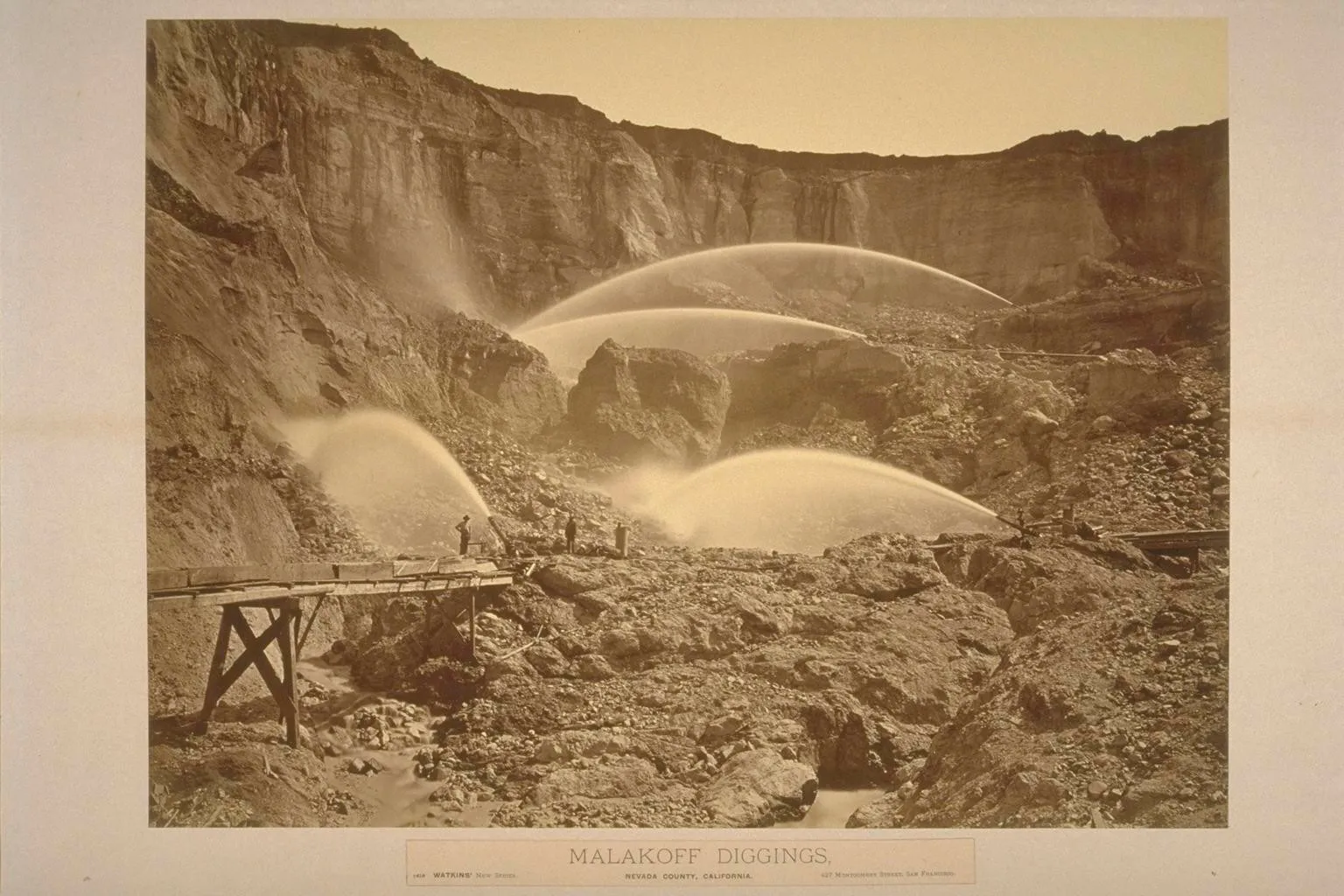
消息传开得很快,金矿的消息也不例外,部分原因是人们不断发现更多黄金。在地球上的大多数地方,黄金分布稀疏,平均每十亿份中约含五份。但在加利福尼亚州的“母亲矿脉”——内华达山脉一百五十英里长的一段地带——几乎到处都能找到黄金:在现存的溪流和古老的河床中,在砾石滩和石英矿脉里,在沙土和淤泥中,有时,在非常幸运的日子里,黄金就那样摆在那里。
News of the gold spread fast, not least because people kept discovering more of it. In most places on Earth, gold is sparsely distributed, averaging around five parts per billion. But, in the California Mother Lode, a hundred-and-fifty-mile stretch of the Sierra Nevada, you could find it almost everywhere: in extant streams and ancient riverbeds, in gravel bars and veins of quartz, in sand and soil and silt and sometimes, on a very good day, just sitting there.
到1848年底,似乎全国一半的人都在梦想着西进去分一杯羹。但问题在于:现有的蒸汽船和铁路线只能到达密苏里河,距离加利福尼亚金矿区还有两千英里。要走陆路,必须徒步和乘马车穿越大平原、落基山脉、沙漠和盐碱地——这些地方致命的干旱很快就被早先队伍丢弃的物品和泛白的骨骼所证明——最后,还要翻越内华达山脉的陡峭山壁,无论人和牲口到那时多么疲惫不堪、骨瘦如柴,都必须在雪开始下落之前翻过去。总的来说,这段旅程通常需要半年时间。近十分之一的人无法活着到达。
By the end of 1848, it seemed that half the nation was dreaming of going West to claim a share of it. But there was a problem: the available steamboat and railroad routes terminated at the Missouri River, two thousand miles from the California goldfields. To get there by land, you had to traverse, by foot and wagon, the Great Plains, the Rocky Mountains, the deserts and salt flats—whose fatal aridity was soon evidenced by the discarded belongings and bleaching bones of earlier parties—and, finally, the sheer walls of the Sierras, which, no matter how exhausted and emaciated both man and beast were by then, had to be crossed before the snow started falling. All told, the journey generally took half a year. Nearly one in ten did not survive it.
令人惊叹的是,有多少人尝试过这条路。仅1849年一年,就有超过四万人经陆路前往加利福尼亚,而大约同样数量的人则走海路。这有时意味着先航行到巴拿马,部分靠独木舟、部分靠步行、骑马或骡子穿过丛林密布的地峡,然后在太平洋一侧等待另一艘船——理论上,如果瓶颈不太严重、你也没有死于疟疾或黄热病,这段旅程会更短。
The wonder is how many attempted it. In 1849 alone, more than forty thousand people travelled overland to California, while roughly the same number headed there by sea. This sometimes entailed sailing to Panama, crossing the jungled isthmus partly by canoe and partly by foot, horse, or mule, then waiting for another vessel on the Pacific side—a shorter journey, in theory, if the bottleneck wasn’t too bad and you didn’t succumb to malaria or yellow fever.
另一种选择是,你可以像那些楠塔基特人那样,从东海岸启航,一路向南直到合恩角,穿过世界两大洋交汇处那片令人生畏的水域,然后再向北,绕过整个半球抵达旧金山。那条路同样要花大约六个月,还得有一副铁打的肠胃。
Alternatively, you could do what those Nantucketers had done and set sail from the East Coast, track southward all the way to Cape Horn, pass through the terrifying waters where the world’s two largest oceans meet, then head north again, clear around the hemisphere to San Francisco. That, too, took around six months, plus an iron stomach.
无论走哪条路线,旅程的时长都与其被感知的紧迫性形成鲜明反差。那些一心想着抵达金矿区的人,被前往那里的种种艰难急得发狂,因此,菲尔布里克写道,“一种沸腾的焦躁攫住了美国人民,至今仍未松开我们。”他接着写道,尤其让这些前往加利福尼亚的移民发疯的是,“知道成千上万的人正在……”其中一些人是长期居民;美洲原住民数千年来一直以该地区为家,而在1849年,他们有数万人生活在主矿脉附近。
No matter the route, the duration of the journey was at drastic odds with its perceived urgency. Those who were obsessed with reaching the goldfields were maddened by the exigencies of getting there, and so, Philbrick writes, “a seething impatience gripped the American people that hasn’t let go of us yet.”What drove these California-bound migrants particularly crazy, he continues, was “the knowledge that tens of thousands of people are ” Some of these were long-standing residents; Native Americans had called the region home for millennia, and, in 1849, tens of thousands of them lived in the vicinity of the Mother Lode.
许多被称为“加利福尼亚人”的墨西哥人也是如此,他们近来未曾挪动一寸却被逐出故土:加利福尼亚直到1848年一直是墨西哥的一部分,那一年,随着美墨战争结束,它被割让给了美国。
So did many Mexicans, known as Californios, who had lately been expatriated without moving an inch: California had been part of Mexico until 1848, when it was ceded to the United States at the end of the Mexican-American War.
但另一些人则是新近到来的。即便是想去旧金山的澳大利亚人,其路程也不到从纽约乘船出发者的一半,很快就有超过一万名澳大利亚人穿过金门海峡。中国同样相对较近,大批中国人横渡太平洋前往矿区。移民也从拉丁美洲涌入,尤其是智利人,他们来自一个贵金属资源丰富的国家,教会了许多新英格兰律师和中西部农家子弟采矿的技艺。还有三万法国人也前来寻找发财机会;当地人称他们为“凯斯卡迪人”,这是对“Qu’est-ce qu’il a dit?”——他说了什么?——的讹读。
But others were recent arrivals. Even Australians who wanted to get to San Francisco had less than half as far to travel as someone sailing from New York, and more than ten thousand of them soon passed through the Golden Gate. China was likewise comparatively proximate, and huge numbers of its people crossed the Pacific to reach the mines. Immigrants poured in from Latin America, too, especially Chileans, who hailed from a country rich in precious metals, and who taught many a New England lawyer and Midwestern farm boy the art of mining. Thirty thousand French people came to seek their fortunes as well; locals called them Keskadees, a corruption of “Qu’est-ce qu’il a dit?”—what did he say? Well might they ask.
他们确实有理由这么问。新近得名的旧金山市,在1848年还是一个约有八百名居民的沉寂港口村庄,如今骤然变成了一座喧嚣的巴别塔。到1849年,那里的地产已成为全国最昂贵的地区之一,即便地段并不理想,甚至不宜居住;许多人住在帐篷里,但“水地块”生意也十分兴隆——这些地块在湾中圈定,指望有朝一日用碎石填平造地。
The newly named city of San Francisco, which had been a sleepy port village with perhaps eight hundred residents in 1848, suddenly became a booming Tower of Babel. By 1849, property there had become some of the most expensive in the nation, even when it wasn’t desirable, or, for that matter, habitable; many people lived in tents, but there was also a thriving business in “water lots,” which were staked out in the bay to someday be filled with rubble and converted to land.
街道在存在的地方,旱季里是狂风卷尘的隧道——一位居民称之为“沙城旧金山”——一年其余时间则是一片泥泞。港口外,水手们弃船寻金后留下的废弃船骸,构成了旧金山最早也最奇特的天际线。然而,这座不宜居、半建成、杂乱无章的城市,一度成为来自全球各个角落的投机商、炒家和阴谋家的首选目的地。
The streets, where they existed, were tunnels of wind-whipped dust in the dry season—one resident called it Sand Francisco—and a muddy mess the rest of the year. Out in the harbor, the skeletons of derelict ships abandoned by sailors who had gone searching for gold formed the first and strangest San Francisco skyline. And yet this inhospitable, half-built, helter-skelter city was, for a while, the destination of choice for profiteers, speculators, and schemers from every corner of the globe.
就在加利福尼亚成为海外移民磁石的同时,它也在国内引发了一场政治危机。1849年,美国共有30个州——其中15个是蓄奴州,15个是自由州。自共和国诞生之初起,不断重新平衡这张版图就一直是一项令人不快的必要之举,但在全新的加利福尼亚领地发现黄金,引发了一场关于它将成为何种性质的州的全国性狂潮。
While California was becoming a magnet for those from abroad, it was provoking a political crisis at home. In 1849, there were thirty united states—fifteen of them slaveholding, fifteen of them free. Constantly rebalancing that map had been an unhappy necessity from the earliest days of the Republic, but the discovery of gold in the brand-new territory of California set off a national furor over what kind of state it would be.
大多数关于内战的史书都将国家划分为北方和南方。除了“流血的堪萨斯”之外,大多数史书还将注意力集中在密西西比河以东。《奔流》重新绘制了这张地图,将重心西移至加利福尼亚。正如菲尔布里克所阐明的那样,从一开始,关于谁将控制该州财富的派系担忧就十分高涨,而1848年之后西行的人中,许多人所寻求的并不仅仅是个人财富。
Most histories of the Civil War divide the nation into North and South. Give or take Bleeding Kansas, most also focus their attention east of the Mississippi River. “The Rush” redraws that map, relocating the center of gravity westward, to California. As Philbrick makes clear, sectarian concerns over who would control the state’s wealth ran high from the beginning, and many of those who went West after 1848 were not just seeking a private fortune.
相反,正如后来在堪萨斯和内布拉斯加发生的那样,一方是奴隶主和南方同情者,另一方是废奴主义者和自由土地派,他们都涌向加利福尼亚,试图将政治天平倾向自己一方。
Instead, as would later happen in Kansas and Nebraska, slaveowners and Southern sympathizers on the one hand and abolitionists and Free-Soilers on the other all flocked to California to try to tip the political scales in their favor.
在这场人口竞争中,南方同时占有地理和气候上的优势。来自蓄奴州的移民可以在一年中的任何时候西行,沿着一条被称为希拉小道的路线,穿过新墨西哥和亚利桑那,抵达加利福尼亚的南端。相比之下,来自北方各州的人则必须仔细安排行程,因为落基山脉和内华达山脉在冬季无法穿越。部分由于这一优势,南方在加利福尼亚内陆稳步推进,那里一个又一个城镇很快就在主街上通过得克萨斯酒馆、密西西比鞋店和阿拉巴马商行之类的商铺,公开宣告了自己的文化归属。
In this demographic competition, the South had both geography and weather on its side. Migrants from the slave states could head West at any time of the year, along a route known as the Gila Trail, which passed through New Mexico and Arizona to the southern edge of California. By contrast, those from the Northern states had to time their journeys carefully, since the Rockies and the Sierras could not be crossed in winter. In part because of this advantage, the South made steady inroads in the California interior, where town after town soon announced its cultural allegiance right on Main Street, via businesses like the Texas Saloon, the Mississippi Shoe Shop, and the Alabama Emporium.
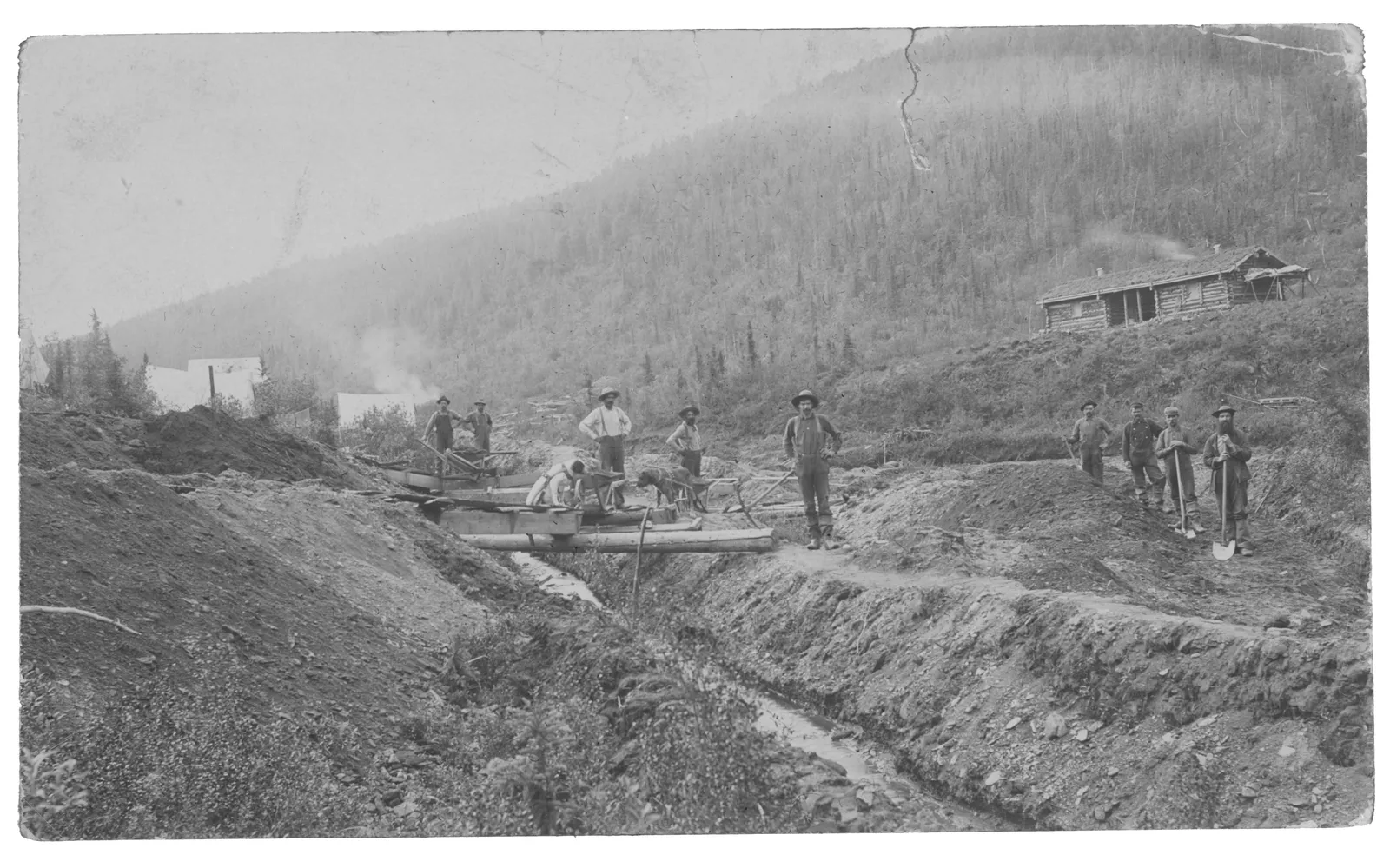
尽管如此,北方人很快在旧金山站稳了脚跟,他们在金矿区也有自己的优势:由于他们的努力,许多矿工对强迫劳动深恶痛绝。菲尔布里克讲述了这样一个故事:一个得克萨斯人出现在一个热门矿区,开始不仅为自己、还为他的十五名被奴役的工人圈占矿权;没过多久,他就被愤怒的当地人赶走了。这种对奴隶制的抵制与人道的同胞之情几乎没有关系,甚至毫无关系。
Still, the North quickly established a strong presence in San Francisco, and it had something going for it in the goldfields, too: thanks to their work, many miners had a profound antipathy to forced labor. Philbrick tells the story of a Texan who showed up in a popular mining area and started staking claims not only for himself but also for his fifteen enslaved workers; in short order, he was run out by outraged locals. This resistance to slavery had little or nothing to do with humane fellow-feeling.
“十个人里没有一个对废除奴隶制有半点关心,”当时的蒙特雷市长在谈到那里的矿工时写道。真正的问题在于,被奴役者出现在金矿中,壮大了竞争者的队伍。
“Not one in ten cares a button for its abolition,” the then mayor of Monterey wrote, of the miners there. The real issue was that the presence of the enslaved in the gold mines increased the ranks of the competition.
当然,最终反对奴隶制的一方取得了胜利。1849年秋,一群代表聚集起来为加利福尼亚起草宪法,他们一致同意,在其边界之内,“奴隶制以及非自愿奴役,除非作为对犯罪的惩罚,否则永远不得被容忍”。一年后,通过1850年妥协案,加利福尼亚正式成为联邦的第三十一个州,也是第十六个自由州。但这一胜利给全国其他地区带来了相当大的代价:作为交换,南方得到了一部严厉得多的《逃奴法》,该法规定可以要求所有美国公民协助抓捕逃亡奴隶,并对帮助逃奴者规定了高额罚款和监禁刑罚。
In the end, of course, the opponents of slavery were victorious. When a group of delegates assembled to write a constitution for California, in the autumn of 1849, they unanimously agreed that, within its borders, “neither slavery, nor involuntary servitude, unless for the punishment of crimes, shall ever be tolerated.”A year later, via the Compromise of 1850, California officially became the Union’s thirty-first state and its sixteenth free one. But this triumph came at a considerable cost to the rest of the nation: in exchange, the South got a dramatically harsher Fugitive Slave Act, which stipulated that all American citizens could be required to help capture runaway slaves, and established heavy fines and prison sentences for those who aided fugitives.
与此同时,麻烦也在加利福尼亚酝酿:那里的表层黄金越来越难找到,争夺也变得越来越丑陋。成群结队的武装美国人煽动当地人对移民的怨恨,并不断把他们赶出自己的矿权地、赶出这个国家。一项新法律要求加利福尼亚人必须在法庭上证明其财产所有权的有效性,这一过程费用高昂,平均耗时十七年;与此同时,擅自占地者则采用法外手段,从烧毁庄稼到直接杀人,迫使他们放弃自己日益值钱的土地。
Meanwhile, trouble was also brewing in California, where surface gold was getting harder to find and the competition for it was getting uglier. Gangs of armed Americans fanned local resentment of immigrants and steadily drove them off their claims and out of the country. A new law required Californios to prove the validity of their property titles in court, an expensive process that took an average of seventeen years; meanwhile, squatters made use of extrajudicial means, from burning crops to outright murder, to make them give up their increasingly valuable land.
但最悲惨的命运落在了该地区的印第安人身上,他们先是被赶出金矿,随后又遭到一场全面灭绝的运动。白人民兵摧毁了他们的家园,烧毁了他们的食物储备,并如此习以为常地直接屠杀他们,以至于催生了一种由绑架者组成的次级经济,把幸存者——无论儿童还是成人——卖为奴役。
But the worst fate befell the region’s Native Americans, who were first driven from the goldfields and then subjected to a campaign of wholesale annihilation. White militias destroyed their homes, torched their food supplies, and slaughtered them outright so routinely that a secondary economy of kidnappers sprang up to sell the survivors, children and adults alike, into servitude.
菲尔布里克讲述这一切时,与其说是在写历史,不如说是在写一出舞台剧。他偏爱人物,也擅长刻画人物,他与其说是在梳理淘金热对内战的影响,不如说是在向我们介绍各种与淘金热结局利害相关的人物。其中一位是威廉·格温,他原是密西西比一位富有的种植园主,后来成为加利福尼亚的权力掮客,一心要让自己的新家乡与蓄奴州结盟,并让自己成为该州最早的参议员之一。
Philbrick relates all this less as history than as a stage play. He is fond of characters and good at depicting them, and he does not so much trace the influence of the gold rush on the Civil War as introduce us to various people with a stake in its outcome. One of these was William Gwin, a wealthy Mississippi plantation owner turned California power broker who was bent on aligning his new home with the slave states and making himself one of its first senators.
另一位是大卫·布罗德里克,他是来自纽约的爱尔兰裔美国政治家,出身工人阶级,手下那帮党羽与他敏感的一面形成反差;他不喝酒,从未结婚,避开妓院,空闲时间独自阅读文学作品,并且憎恶奴隶制度。
Another was David Broderick, a working-class Irish American politician from New York whose crew of henchmen belied his sensitive streak; he didn’t drink, never married, avoided brothels, spent his free time alone reading literature, and despised the institution of slavery.
格温和布罗德里克最终都进入了参议院,菲尔布里克将他们之间的冲突描述为他这本书“叙事的中心”。但这并不是读者的阅读体验,部分原因是《The Rush》过于散漫,没有一个中心,部分原因是两人在群像阵容中都不特别突出。这个阵容至少包括三十三位主要人物,其中一些比所谓的主角更令人难忘。例如,废奴主义者杰西·弗里蒙特嫁给了著名的战争英雄约翰·弗里蒙特,但正如一位同时代观察者所评论的,她是“两人中更出色的那个”。
Both Gwin and Broderick ultimately ended up in the Senate, and Philbrick describes the clash between them as “the center of the narrative” of his book. But that is not the reader’s experience, partly because “The Rush” is too desultory to have a center and partly because neither man stands out particularly clearly against the ensemble cast. This includes at least thirty-three major characters, some of whom are more memorable than the putative protagonists. The abolitionist Jessie Frémont, for instance, was married to the famous war hero John Frémont but was, as a contemporary observer commented, “the better man of the two.”
据她的讣告记载,在约翰于1856年总统选举中输给詹姆斯·布坎南后,人们广泛私下议论,“如果可爱的杰西才是真正的候选人,那么入主总统宝座的就会是她,而不是布坎南。”另一个出彩的人物是玛丽·艾伦·普莱森特,她可以说是美国第一位黑人百万富翁,而且毫无疑问是这个国家有史以来最精明、最善变的人物之一。
After John lost the 1856 Presidential election to James Buchanan, it was widely whispered, according to her obituary, “that if the lovely Jessie had been the actual candidate, she, and not Buchanan, would have occupied the Presidential chair.”Another star turn goes to Mary Ellen Pleasant, who was arguably America’s first Black millionaire and inarguably one of the most canny and chameleonlike figures this country has ever produced.
“我自己就是一个完整的剧院,”她曾宣称,而这话不假;除许多其他身份外,她还是废奴主义者、民权活动家、家政工人、专横的寄宿公寓和洗衣店老板,以及约翰·布朗的支持者,尽管菲尔布里克过于轻信她关于自己是他最重要的财政支持者的说法。
“I am a whole theatre unto myself,” she once declared, and it was true; she was, among many other things, an abolitionist, a civil-rights activist, a domestic worker, a domineering owner of boarding houses and laundries, and a supporter of John Brown, though Philbrick gives far too much credence to her claim to have been his most important financial backer.
在《淘金热》中与这些人相遇是一件乐事,但并非每个角色都同样有力地证明自己属于这本书。原始资料对历史学家来说是必要而美妙的工具,但它们可能产生哈哈镜般的效果,使历史的某些方面被放大,另一些则被压缩。值得称道的是,菲尔布里克对那些我们通常看不准确或根本看不到的部分很敏感。例如,他告诉我们,尽管有一万多名中国劳工参与修建了横贯大陆的铁路,但他们的日记或信件一封都未曾被发现,这在他们本应拥有的加州故事中留下了一片巨大的空白。
It is a pleasure to meet these people in “The Rush,” but not every character makes an equally strong case for belonging there. Primary sources are a necessary and wonderful tool for historians, but they can have a fun-house-mirror effect, making some aspects of the past bulge and others narrow. To his credit, Philbrick is sensitive to those parts which we usually see inaccurately or not at all. He tells us, for example, that, although more than ten thousand Chinese workers helped build the transcontinental railroad, not a single diary or letter from one of them has ever been found, leaving a vast lacuna where their own California story should be.
尽管如此,《淘金热》最终更多地受制于它包含的内容,而非它缺失的内容。全书前五十页我们都在跟随一位名叫比森特·罗萨莱斯的智利人,他于1849年初抵达加利福尼亚。罗萨莱斯是金矿及其周边生活的敏锐观察者,但他在那里的经历虽然有趣,却与菲尔布里克的任何更宏大主题并无真正关联。然而关于他的细节却一个不漏——细到他从一次蒙特雷之行带回家的奶牛数量,以及曾为他挖井的那个人的日常工作——让人不禁怀疑,罗萨莱斯能在这些书页中占据如此长的篇幅,并非因为他的故事特别相关,而是因为他把故事记录得如此详尽。
Still, “The Rush” is ultimately more hamstrung by what it contains than by what it does not. We spend the first fifty pages of it following one Vicente Rosales, a Chilean man who arrived in California in early 1849. Rosales was a keen observer of life in and around the goldfields, but his experiences there, though interesting, don’t really bear on any of Philbrick’s broader themes. Yet we are spared no detail about him—down to the number of cows he brought home from a visit to Monterey and the day job of the man who once dug a well for him—and one suspects that Rosales earned his lengthy place in these pages not because his story was particularly relevant but because he documented it so thoroughly.
整本书都存在类似的材料过剩问题。菲尔布里克目光敏锐、好奇心如喜鹊般贪婪,他总能不断找到引人入胜的趣闻轶事来分享,从1850年萨克拉门托城被洪水淹没,到众议院议事厅上的一场斗殴——这场斗殴让三十七名国会议员(其中许多人平时惯于夸夸其谈)忘记了那句关于要用言语而非拳头的古老格言。这一切读来都很有趣,因为菲尔布里克是一位娴熟而讨喜的讲故事者。但讲得好并不等同于有讲述价值,最终,他书中那些统摄性的论断被过多的细节所遮蔽,而非被揭示出来。
A similar problem of abundance attends the book over all. Philbrick has a keen eye and a magpie curiosity, and he can’t stop finding fascinating tidbits to share, from the 1850 flooding of the city of Sacramento to a brawl on the floor of the House that made thirty-seven members of Congress, many of them otherwise given to bloviating, forget the old dictum about using your words. All this is fun to read, since Philbrick is an adept and congenial storyteller. But well told is not the same as telling, and, in the end, the overarching claims in his book are occluded rather than revealed by the surfeit of detail.
又或许,问题就出在这些主张本身。诚然,加利福尼亚发现黄金改变了各州之间的力量平衡和国家的经济格局,但菲尔布里克始终未能提出令人信服的论据,证明此事因此对南北战争的进程和结局具有决定性作用。没错,1850年妥协案发挥了作用,但一系列与加利福尼亚及其黄金几乎毫无关系的政治和宪政危机同样发挥了作用,包括密苏里妥协案、堪萨斯-内布拉斯加法案、德雷德·斯科特案判决以及亚伯拉罕·林肯的当选。
Or perhaps the claims themselves are the problem. It is true, of course, that the discovery of gold in California altered the balance of the states and the economics of the nation, but Philbrick never mounts a convincing case that it was therefore decisive to the course and conclusion of the Civil War. Yes, the Compromise of 1850 played a role, but so did a series of political and constitutional crises that had little or nothing to do with California and its gold, including the Missouri Compromise, the Kansas-Nebraska Act, the Dred Scott decision, and the election of Abraham Lincoln.
为了支持加利福尼亚的巨额财富帮助北方赢得战争这一说法,菲尔布里克引用了尤利西斯·S·格兰特在战事仍在激烈进行时所说的话:他不知道北方“如果没有加利福尼亚送来的黄金”该怎么办。这很有意思,但很难说明问题;此外,菲尔布里克未提及的无数其他因素也促成了北方更强的财政地位,比如更强的银行和借贷能力、更加工业化的经济以及更多的人口。
To support the claim that California’s enormous wealth helped win the war, Philbrick quotes Ulysses S. Grant saying, while the battles were still raging, that he did not know what the North would do “if it were not for the gold sent from California.”That’s interesting but hardly probative, and countless other factors, unmentioned by Philbrick, contributed to the stronger financial position of the North, such as greater banking and borrowing power and a more industrialized economy and a larger population.
菲尔布里克本人虽然着手撰写淘金热与南北战争,但对两者之间的关系似乎并不确定,而他建立起来的这种关系与其说是因果性的,不如说是隐喻性的。他写道:“加利福尼亚发现黄金,是一场大得多——最终也影响深远得多——的狂潮的一部分:奔向南北战争的狂潮。”然而,就连这个隐喻也站不住脚,因为在通往南北战争的漫长道路上——其起源可一直追溯到美国建国——很难看到任何类似“四九人”那种疯狂狂热的东西。
Philbrick himself, having set out to write about the gold rush and the Civil War, nonetheless seems tentative about the relationship between the two, and the one he establishes is not so much causal as metaphorical. “The discovery of gold in California,” he writes, “was part of a much larger—and ultimately more consequential—rush: the rush to the Civil War.”Yet even the metaphor stumbles, since it is hard to see anything like the mad frenzy of the forty-niners in the very long road to the Civil War, whose origins date all the way back to the founding of the United States.
一个词能承载——或者说应该承载——多少解释功能?从书名开始,《匆忙》就大做“匆忙”这个概念的文章,渲染速度与冲动的诱惑和危险。事实上,这一概念成了全书的结构原则;它解释了为什么我们跳过了内战本身的大部分内容——那段历史无法被纳入这一框架——却花了五十页讲述横贯大陆铁路的修建,那是加快人员与资本穿越全国流动的一种方式。
How much explanatory work can—or should—a single word do? From the title on down, “The Rush” makes much of the idea of rushing, of the allure and danger of speed and impulsivity. Indeed, that idea becomes the book’s organizing principle; it explains why we skip over most of the Civil War itself, which cannot be contained within that rubric, but spend fifty pages on the construction of the transcontinental railroad, a way to hasten the movement of people and capital across the country.
它也解释了《匆忙》原本显得奇怪的结尾,那部分讲的是摄影师埃德沃德·迈布里奇。1860年,迈布里奇从马车上被甩出,导致头部受伤,这彻底改变了他的性格,可能还增强了他的艺术倾向。事故发生在如今的俄克拉何马州东南部,迈布里奇当时正前往欧洲,打算让自己与金矿场之间隔着一整片大洋,然而菲尔布里克写道,“迈布里奇的脑子是被‘匆忙’损伤的”。
And it explains, too, the otherwise odd finale of “The Rush,” which concerns the photographer Eadweard Muybridge. In 1860, Muybridge was thrown from a carriage, resulting in a head injury that radically changed his personality and possibly heightened his artistic inclinations. The accident took place in what is now southeast Oklahoma, and Muybridge, headed for Europe, was planning to put a whole ocean between himself and the goldfields, yet Philbrick writes that “Muybridge had been brain-damaged by the Rush.”
这种说法难以令人信服,但更大的问题是:迈布里奇究竟为什么出现在这本书里?除了他拍下利兰·斯坦福的一匹马奔跑途中的著名照片之外——斯坦福是加利福尼亚州前州长,在旧金山以南拥有一大片庄园,庄园以附近一棵格外高大的红杉树命名。答案是,迈布里奇帮助构成了菲尔布里克想在结论部分为我们串联起来的那些点:电影的发明(“如今,‘匆忙’可以通过迈布里奇称为‘动物实验镜’的煤气灯装置投射到屏幕上”)、帕洛阿尔托的起源(意为“高树”),以及斯坦福大学的创立,“我们如今所称硅谷的核心”,它“催生了一个又一个技术‘淘金热’——微处理器、微型计算机、互联网和人工智能”。和我们许多人一样,菲尔布里克对后者深感忧虑:“我们都是飞驰列车上的乘客。”
That strains credulity, but the larger question is what Muybridge is doing in this book in the first place, other than famously taking mid-gallop pictures of a horse belonging to Leland Stanford—the former governor of California and the owner of a sprawling estate south of San Francisco that he named for an exceptionally tall redwood tree nearby. The answer is that Muybridge helps form the dots Philbrick wants to connect for us by way of conclusion: the invention of motion pictures (“the Rush could now be projected onto a screen through a gas-lit device Muybridge called the Zoopraxiscope”), the origins of Palo Alto (meaning “tall tree”), and the founding of Stanford University, “the nucleus of what we now call Silicon Valley,” which “spawned one technological ‘gold rush’ after another—the microprocessor, the microcomputer, the internet, and artificial intelligence.”Like so many of us, Philbrick is gravely worried about the latter: “We are all passengers on a hurtling train. The end of humanity might be the ultimate destination.”
“人类的终结可能是最终的归宿。”在菲尔布里克的叙述框架中,这场危机的根源是近两个世纪前加利福尼亚发现了金矿。“这就是我们今天所生活的世界,”他在书中较早的篇章写道,“我们挤在喷气式客机上,疯狂地奔赴下一个新事物——一个由1849年加利福尼亚淘金热创造的世界。”但究竟是淘金热创造了我们当代的世界,还是说两者只是彼此相似?
In Philbrick’s framing, the root cause of this crisis was the discovery of gold in California nearly two centuries ago. “This is the world in which we live today,” he writes earlier in the book, “jammed into jets on our frantic way to the next new thing—a world created in 1849 by the California Gold Rush.”But did the gold rush create our contemporary world, or do the two just resemble each other?
确实,19世纪50年代加利福尼亚的许多特征在当前的人工智能热潮中依然清晰可见,从抢占先机的红利、基础设施领域可观的暴利——无论是镐头铲子还是芯片和数据中心——到政治动荡、环境破坏和极度的不平等。但相似仅仅是表层关系,菲尔布里克书中没有任何内容能让淘金热显得像是当今这种疾风骤雨、甚至可能毁灭一切的繁荣背后的驱动力。
It’s true that many features of eighteen-fifties California are also visible in the current A.I. boom, from the benefits of arriving early and the outlandish profit to be made in infrastructure—whether picks and shovels or microchips and data centers—to political instability, environmental destruction, and wild inequality. But resemblance is just a surface relationship, and nothing in Philbrick’s book makes the gold rush seem like a motive force behind the breakneck, and maybe break-everything, boom of today.
书中也没有任何内容能让这种贪婪的急迫感显得专属于美国;既然那些澳大利亚人、法国人、中国人和智利人同样抛下一切、火速奔赴加利福尼亚,它又怎能专属于美国呢?
Nor does anything in it make avaricious urgency seem specifically American; how could it be, when all those Aussies and Frenchmen and Chinese and Chileans likewise dropped everything and sped to California?
更合理的解释是:把任何一群人置于触手可及、可能获得巨额财富的位置,他们中的许多人都会表现出相似的行为,包括向财富源头靠拢、为之竞争、为之欺诈、为之夸大其词、发明新的提取手段、制定规则以管理获取权、打破这些规则,以及总体上利用一切可用手段——无论合法与否——来主导并从中获利。《淘金热》最精彩之处在于,它单纯展现了这场混乱在特定时空中如何展开,由一个个栩栩如生的具体人物煽动、教唆、反对、记录,偶尔也会遏制。
The more plausible explanation is this: put any group of people within striking distance of a potential source of spectacular wealth, and many of them will behave in similar ways, including moving toward it, competing for it, cheating over it, exaggerating about it, inventing new ways to extract it, creating rules to manage access to it, breaking those rules, and generally using all available means, legal and otherwise, to dominate and profit from it. “The Rush” is at its best when it simply shows us this mayhem as it unfolded in a specific place and period, instigated, abetted, opposed, documented, and occasionally averted by marvellously specific human beings.
在当下这黑暗而迷茫的时刻,人们渴望以史为鉴,这种心情让人同情。但历史本身就是一种黄金——丰富、难以触及、价值连城——有时,只需让它闪耀便已足够。
One sympathizes, in these dark and confusing times, with the desire for the past to illuminate the present. But the past is its own kind of gold—abundant, difficult to access, inordinately valuable—and sometimes it is enough to let it shine.