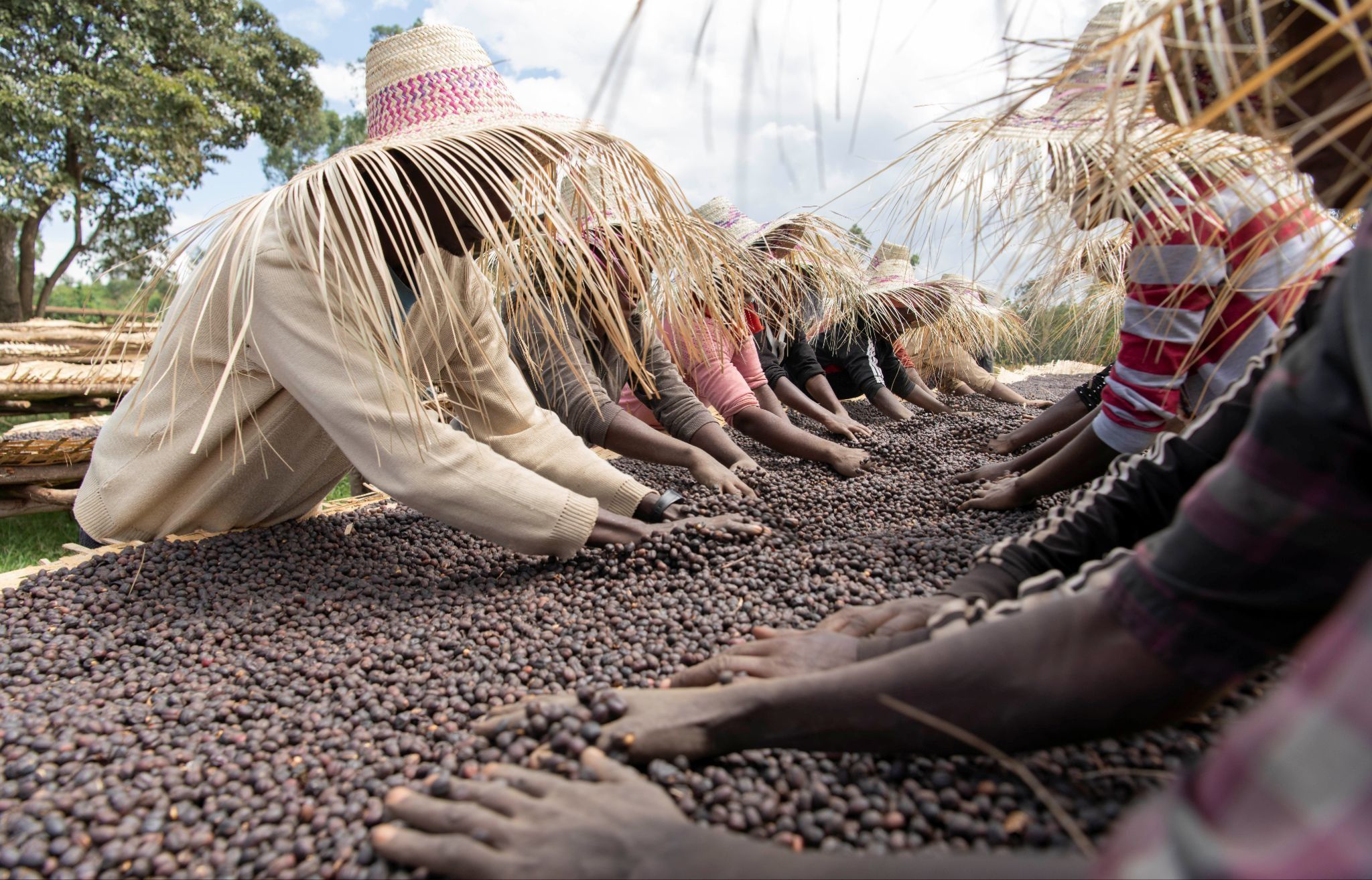
总部位于伦敦的智库 ODI Global 表示,欧盟旨在减少全球森林砍伐的目标可能对埃塞俄比亚的咖啡产业和更广泛的经济造成破坏性后果。据该智库称,在这个被广泛认为是咖啡发源地的国家,约有 1500 万人从事咖啡产业,该产业 30% 的产量出口至欧盟。
The EU goal of reducing global deforestation could have damaging consequences for Ethiopia’s coffee sector and wider economy, a think tank said. Some 15 million people in the country widely considered to be the birthplace of coffee are involved in the industry, which sends 30% of its output to the EU, according to London-based ODI Global.
欧盟新规将于明年初生效,要求包括咖啡和可可在内的特定商品出口商证明其产品“无森林砍伐”。这一变化给生产者带来了艰巨的可追溯性和制图负担。埃塞俄比亚的咖啡种植以小农户为主,他们的咖啡豆被混合后一起出售。ODI Global 估计,由于难以追溯产地,这些种植户中可能有 60% 将被排除在欧洲市场之外。
The bloc’s new rules, due to come into force at the start of next year, will require exporters of certain commodities — including coffee and cocoa — to prove they are deforestation-free. The change is placing tough traceability and mapping burdens on producers. Coffee growing in Ethiopia is dominated by smallholders, whose beans are mixed together and sold on. Difficulties in tracing their origin could result in 60% of these growers being excluded from the European market, ODI Global estimated.
埃塞俄比亚咖啡管理局正在汇编数据,但该过程尚未完成。为扭转历史上的森林砍伐,该国还承诺今年种植 80 亿棵新树,但该项目在核查和成活率方面面临质疑。
Ethiopia’s coffee authority is compiling data, but the process is not complete. In order to reverse historical deforestation, the country has also committed to planting 8 billion new trees this year, though the project has faced questions over verification and survival rates.