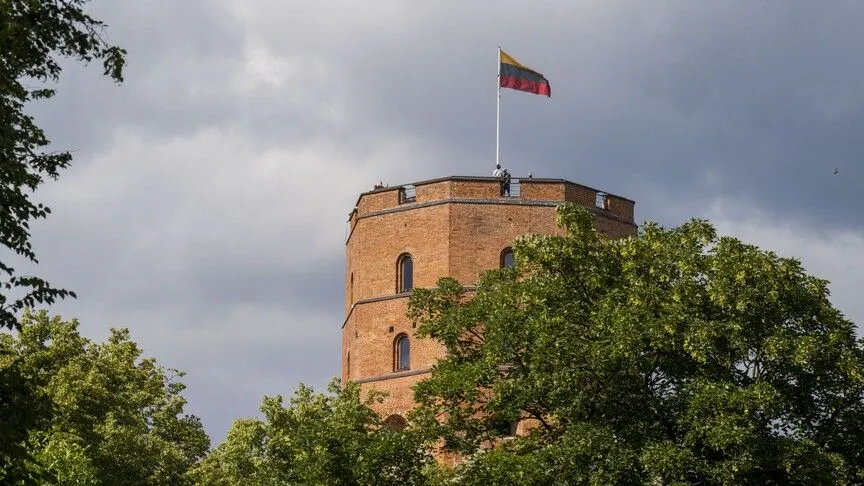
立陶宛公共广播电台 LRT 周一报道,立陶宛预计欧盟将于 2027 年 6 月底、立陶宛担任欧盟理事会轮值主席国期间,就终止季节性调时进行投票。
Lithuania expects an EU vote on ending seasonal clock changes in late June 2027, during its presidency of the Council of the European Union, public broadcaster LRT reported Monday.
副交通部长卢卡斯·帕斯凯维丘斯表示,该议题将首先于 2027 年 2 月在欧盟交通部长非正式会议上讨论。
Deputy Transport Minister Lukas Paskevicius said the issue would first be discussed at an informal meeting of EU transport ministers in February.
他说:“2027 年 2 月,我们将在欧盟交通部长非正式会议上讨论这一问题,而在立陶宛轮值主席国任期末期、即 6 月底,将举行投票。我们将看到决定是什么。”
“In February 2027, we will discuss this issue at an informal meeting of EU transport ministers, and toward the end of Lithuania's presidency, in late June, a vote will be held. We will see what the decision will be,” he said.
立陶宛将在 2027 年上半年担任理事会轮值主席国。终止每年两次的调时已被列入其拟议的轮值主席国议程,尚待议会最终批准。
Lithuania will hold the council’s rotating presidency during the first half of 2027. Ending twice-yearly clock changes has been included in its proposed presidency agenda, pending final approval by parliament.
帕斯凯维丘斯说,立陶宛已与法国、西班牙、德国和北欧国家的部长,以及欧洲议会议员讨论了这一倡议。
Paskevicius said Lithuania had discussed the initiative with ministers from France, Spain, Germany and the Nordic countries, as well as members of the European Parliament.
欧盟正在等待欧盟委员会的一项研究,预计将于 2027 年 2 月出炉,评估终止季节性调时对经济、农业、公共卫生和其他领域的潜在影响。
The EU is awaiting a European Commission study, expected in February 2027, assessing the potential effects of ending seasonal time changes on the economy, agriculture, public health and other sectors.
据这位副部长称,成员国在永久采用夏令时还是冬令时的问题上仍存在分歧。
Member states remain divided over whether to adopt summer or winter time permanently, according to the deputy minister.
他说,南欧国家倾向于支持夏令时,因为傍晚光照更久;北欧国家则担心冬季早晨更暗。
Southern European countries tend to favor summer time for its brighter evenings, while Nordic countries have concerns over darker winter mornings, he said.
帕斯凯维丘斯说:“我们的目标是彻底放弃季节性调时,无论选择夏令时还是冬令时。调查显示,大多数立陶宛居民倾向于保留夏令时。”
“Our goal is to abandon seasonal time changes altogether, regardless of whether summer or winter time is chosen. Surveys show that most Lithuanian residents prefer remaining on summer time,” Paskevicius said.
欧盟委员会于 2018 年提出终止季节性调时,欧洲议会于 2019 年支持该提案。随后因成员国间分歧,进程陷入停滞。
The commission proposed ending seasonal clock changes in 2018, and the European Parliament backed the proposal in 2019. Progress subsequently stalled amid disagreement among member states.