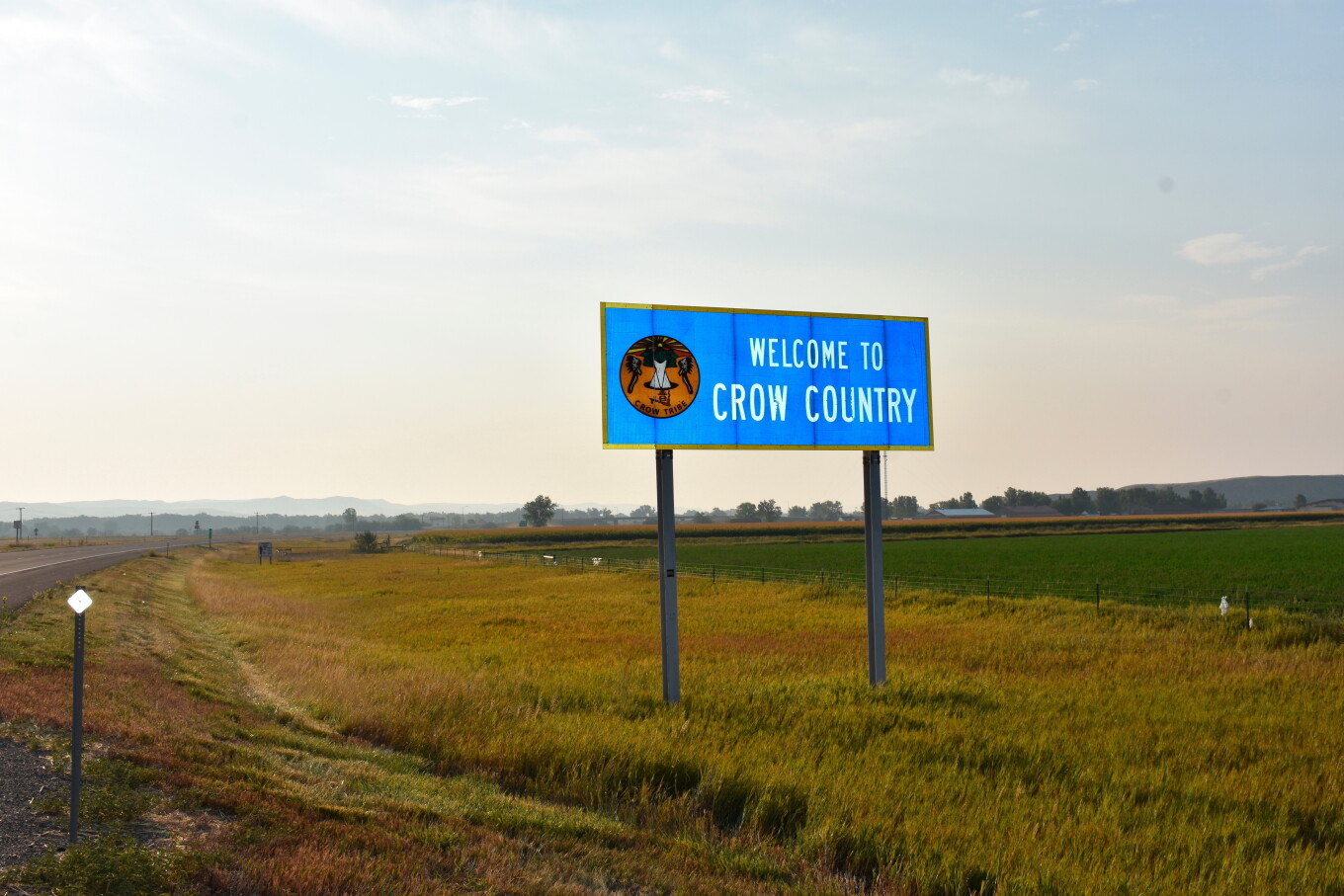
诺拉·马比/蒙大拿自由新闻社 在经过近两个小时的激烈辩论后,克劳族立法机构周三否决了一项将大幅改变部落成员资格定义的法案。
NORA MABIE/Montana Free Press After nearly two hours of impassioned debate, the Crow Tribe’s Legislature on Wednesday voted down a bill that would dramatically change the definition of tribal membership.
该法案由主席弗兰克·怀特·克莱提出,本将修订部落的“血统量”标准,实际上会使更多人有资格获得部落公民身份。
The bill, brought by Chairman Frank White Clay, would have revised the tribe’s “blood quantum” standard , effectively making more people eligible for tribal citizenship.
血统量是白人移民创造的概念,植根于同化策略,指个人血统中部落血统所占的比例。这一概念关乎个人身份认同,同时也极具争议。
Blood quantum, a concept created by White settlers and rooted in assimilation tactics , refers to the fractional amount of tribal affiliation in an individual’s ancestry. The concept is central to individual identity and is also highly controversial.
全美大多数部落使用血统量计算来确定公民身份资格。部落登记进而决定了能否享受特定医疗服务、在部落选举中投票的权利、是否符合教育奖学金申请资格等其他权利和特权。部落登记人数还可能影响联邦对部落项目的资助。
Most tribes nationwide use a blood quantum calculation to determine eligibility for citizenship. Tribal enrollment, in turn, determines eligibility for certain health services, the ability to vote in tribal elections and whether a person can qualify for educational scholarships, among other rights and privileges. Tribal enrollment numbers can also influence federal funding for tribal programs.
随着每一代新生代的诞生,任何使用血统量的部落要维持其成员数量都变得更加困难,因为部落成员会与非原住民或其他部落的人通婚。《加利福尼亚法律评论》一篇文章指出,血统量作为部落成员资格的限制性标准,“威胁到原住民国家的生存,因为没有公民就不能构成国家。”虽然蒙大拿州大多数部落用血统量确定公民身份,但奇佩瓦克里族和北夏延族采用直系血统模式,即根据一个人的祖先来确定成员资格。黑脚族和贝尔纳普阿尼厄族与纳科达族也已启动社区讨论,探讨可能改变登记要求。
With each new generation, it becomes harder for any tribe using blood quantum to maintain its membership as tribal members marry non-Natives or people from other tribes. The limitations of blood quantum as a qualifying standard for tribal membership, a California Law Review article contends, “threaten to jeopardize the existence of Native nations, as you cannot have a nation without citizens.”While most tribes in Montana use blood quantum to determine citizenship, the Chippewa Cree and Northern Cheyenne tribes use a lineal descendency model in which membership is determined by a person’s ancestry. The Blackfeet and Fort Belknap Aaniiih and Nakoda tribes have also initiated community discussions about potentially changing enrollment requirements.
根据克劳族目前的入部政策,个人必须“拥有四分之一克劳印第安人血统”才能作为部落成员入部。拟议的立法将修改该政策,使所有在世的现有成员均被视为拥有 100% 的克劳“血统”。这不仅将改变 1.4 万多名已入部克劳族成员的生活和成员身份,也将使数千名后裔更有资格获得部落成员资格及随之而来的服务。
According to the Crow Tribe’s current enrollment policy , an individual must “possess one-quarter Crow Indian blood” to enroll as a member of the tribe. The proposed legislation would revise that policy so that all living current members would be considered to have 100% Crow “blood.”That would change the lives and membership status not just of more than 14,000 enrolled Crow tribal members, but thousands of descendants who would become more likely to qualify for tribal membership and the services that come with it.
克劳族部落立法分支是部落政府三个分支之一,由 18 名参议员组成。周三下午,主席弗兰克·怀特·克莱和部落律师马杰尔·拉塞尔在部落立法机构成员的簇拥下,坐在桌旁为该法案背书。
The Crow Tribal Legislative Branch , one of three branches of tribal government, comprises 18 senators. Sitting at a table surrounded by members of the tribal Legislature on Wednesday afternoon, Chairman Frank White Clay and tribal attorney Majel Russell made their pitch for the bill.
他们表示,血统定量在 19 世纪末成为联邦政策的核心。1887 年至 1934 年间,联邦政府将部落土地划分为若干分配地分发给个别部落成员,以血统定量决定资格,旨在通过私有财产所有制将美洲原住民同化入白人社会。拉塞尔说,联邦代理人在给个人分配血统定量数值时犯下了“重大错误”。她称这种做法“武断”,并举出了同父母所生子女被分配不同血统定量数值的例子。
Blood quantum, they said, became central to federal policy in the late 19th century. From 1887 to 1934, the federal government divided tribal land into allotments for distribution to individual tribal members, using blood quantum to determine eligibility, with the goal of assimilating Native Americans into White society through private property ownership. In assigning blood quantum values to individuals, federal agents made “significant errors,” said Russell. She called the practice “arbitrary,” citing instances where children of the same parents were assigned different blood quantum values.
拉塞尔将该立法呈现为“最可行的选择”,以便及时解决这一问题。她说,其他改革将需要举行宪法公投,那是一个更繁重的政治程序。
Russell presented the legislation as “the most viable option” to address the issue in a timely manner. Other reforms, she said, would require a Constitutional referendum , a more burdensome political process.
主席和部落律师辩称,部落自 2023 年以来面临入部人数下降的问题。他们说,如果在未来几十年不修订血统定量,部落最终可能不复作为一个政治实体而存在。怀特·克莱表示,该立法将惠及父母已入部但本人尚未入部的年轻人。
The tribe has faced declining enrollment since 2023, the chairman and tribal attorney argued. Without a blood quantum revision in the coming decades, they said, the tribe could eventually cease to exist as a political entity. White Clay said the legislation would benefit young people whose parents are enrolled but who are not enrolled themselves.
“他们一切都是克劳族人,”他对立法机构说。“他们生活在这里。他们在这里工作。他们的文化在这里。但仅仅因为一点点,他们不是克劳族人。当我们坚持血统量标准时,我们的部落就有了截止日期。”虽然一些参议员完全反对修改血统量的想法,但其他人表示该立法还不够,只提供了一个临时的解决方案。
“Everything about them is Crow,” he told the Legislature. “They live here. They work here. Their culture is here. But, just by a little bit, they’re not Crow. When we hold on to Blood quantum, our tribe has an expiration date.”While some senators opposed the idea of revising blood quantum at all, others said the legislation didn’t go far enough and offered only a temporary fix.
参议员达尔文·斯波蒂德高级表达了一个普遍的反对论点:更宽松的入部要求可能导致更多人争夺更少的资源,而在联邦体系中资源本就稀缺。
Sen. Darwin Spotted Sr. voiced a popular counterargument: that more liberal enrollment requirements could result in more people vying for fewer resources in a federal system where resources are already scarce.
“目前,我们都在争夺一个大锅饭,美国所有的美洲原住民,”他说。虽然主席和部落律师辩称联邦资金通常根据部落人口计算,成员越多资源越多,但斯波蒂德表示他持怀疑态度,并补充说特朗普政府尤其不可预测。
“Right now, we’re fighting for one big pot, all of us Native Americans in the U.S.,” he said. While the chairman and tribal attorney argued that federal funding is often calculated based on a tribe’s population, resulting in more resources based on higher membership, Spotted said he was skeptical, and added that the Trump administration is particularly unpredictable.
参议员迪恩·唐特·米克斯表示,虽然他赞赏该立法将如何造福部落,但他担心更宽泛的成员资格可能会使未来修改部落宪法变得更加困难,因为宪法修改需要部落相当一部分公民的支持。他还表示担心该立法是“把包袱甩给”后代来处理这个问题。“我想回到起草阶段,”他说。
Sen. Dean Don’t Mix said that while he appreciated how the legislation would benefit the tribe, he worried that broader membership could make it more difficult in the future to revise the tribe’s Constitution, which requires support from a significant portion of the tribe’s citizens. He also expressed concern that the legislation was “passing the buck” to future generations to contend with the issue. “I want to go back to the drawing board,” he said.
参议员杰森·基尔斯·普里蒂·埃内米对拉塞尔描述的入部信息中的所谓错误提出异议,辩称在部落考虑修改血统量的立法之前,应先纠正现有成员名单中的任何不准确之处。“你们打算如何处理那些非法入部的人?”他问道。
Sen. Jason Kills Pretty Enemy took issue with the alleged errors in enrollment information as described by Russell, arguing that before the tribe considers legislation to revise blood quantum, it should correct any inaccuracies in existing membership rolls. “What are you guys going to do about those that were illegally enrolled?” he said.
参议员维尔玛·皮克特表示支持采用直系血统政策,即由一个人的祖先血统决定的成员资格类型。
Sen. Velma Pickett spoke in support of adopting a lineal descent policy, the type of membership determined by a person’s ancestry.
“并非只有这一个选择,”她谈及该提案立法时表示。“这并非摆脱血统定量制,而只是延长了截止日期。”参议员莱斯利·卡博蒂、乔西·帕塞斯和格伦·普伦蒂·霍克是该立法最直言不讳的支持者之一。
“This isn’t the only option,” she said of the proposed legislation. “This isn’t a step away from blood quantum, it only extends the expiration date.”Sens. Lesley Kabotie, Josie Passes and Glenn Plenty Hawk were among the legislation’s most vocal supporters.
卡博蒂批评反对派议员的论点源于恐惧。她表示,支持修订血统定量标准行使了部落的主权,并有助于确保部落的未来。
Kabotie criticized lawmakers’ opposing arguments as being rooted in fear. Supporting the blood quantum revision, she said, exercised the tribe’s sovereignty and helped ensure the tribe’s future.
“血统定量不是决定阿普萨卢克人是否在这世上生存的合法因素,”她说。“我们的决定是:只要青草生长、河水流淌,就应有被认可、登记在册的阿普萨卢克族成员,美国和其他所有人都将不得不与之打交道。我们必须确保这一点。”帕塞斯同样将反对论点描述为“基于恐惧”,并敦促立法机构考虑社区儿童的情况。
“Blood quantum is not a legitimate deciding factor of whether Apsaalooké people walk the face of this Earth or not,” she said. “Our decision is to decide that as long as the grass grows, the rivers flow, there shall be recognized, enrolled members of the Apsaalooké Nation that America and everybody else will have to deal with. We need to assure that.”Passes similarly characterized opposing arguments as “fear-based” and urged the Legislature to consider the community’s children.
“在这个保留地上有好几个印第安小孩到处跑,他们登记在其他部落名下,生活在这里,是克劳人,跳传统舞、说部落语、唱部落歌,”她说。“那是他们的身份认同,但在纸面上,他们不够格。他们只差一笔、两笔。我们在告诉他们,他们不是克劳人,而我们不予考虑。”她说,该立法向年轻人传递的信息是:“你很重要。你是克劳人。我看见你了,你也算数。”经过近两小时的辩论,立法机构以10票对7票否决了该法案。
“We have several little Indian kids running around this reservation who are enrolled in other tribes, who live here, who are Crow, who dance traditional, who speak the language, who sing,” she said. “That’s their identity, but on paper, they’re not enough. They are one tick mark away, two tick marks away. We’re telling them that they are not Crow and we are not considering them.”The legislation, she said, sends a message to young people that “you matter. You’re Crow. I see you, and you count.”After almost two hours of debate, the Legislature voted the bill down on a 10-7 vote.
多位议员表示,虽然法案已被否决,但关于血统定量的辩论尚未结束。主席可以提交另一项立法供机构审议,或发布行政命令修订血统定量标准。部落也可以通过全民公投修改宪法来改变成员资格要求。
Several lawmakers said that while the bill is dead, the debate about blood quantum isn’t over. The chairman could bring another piece of legislation for the body to consider or issue an executive order revising blood quantum. The tribe can also change its membership requirements via constitutional referendum.
投票结束后,主席怀特·克莱站在会议厅内,呼应了部分参议员因恐惧而投反对票的观点。
Standing in the chamber after the vote, Chairman White Clay echoed the sentiment that some senators voted out of fear.
“我只是觉得他们害怕变革,”他说。“他们恐惧这些新事物。也许下一代就不会了。”
“I just believe that they’re scared of change,” he said. “They fear these new things. Maybe the next generation won’t.”