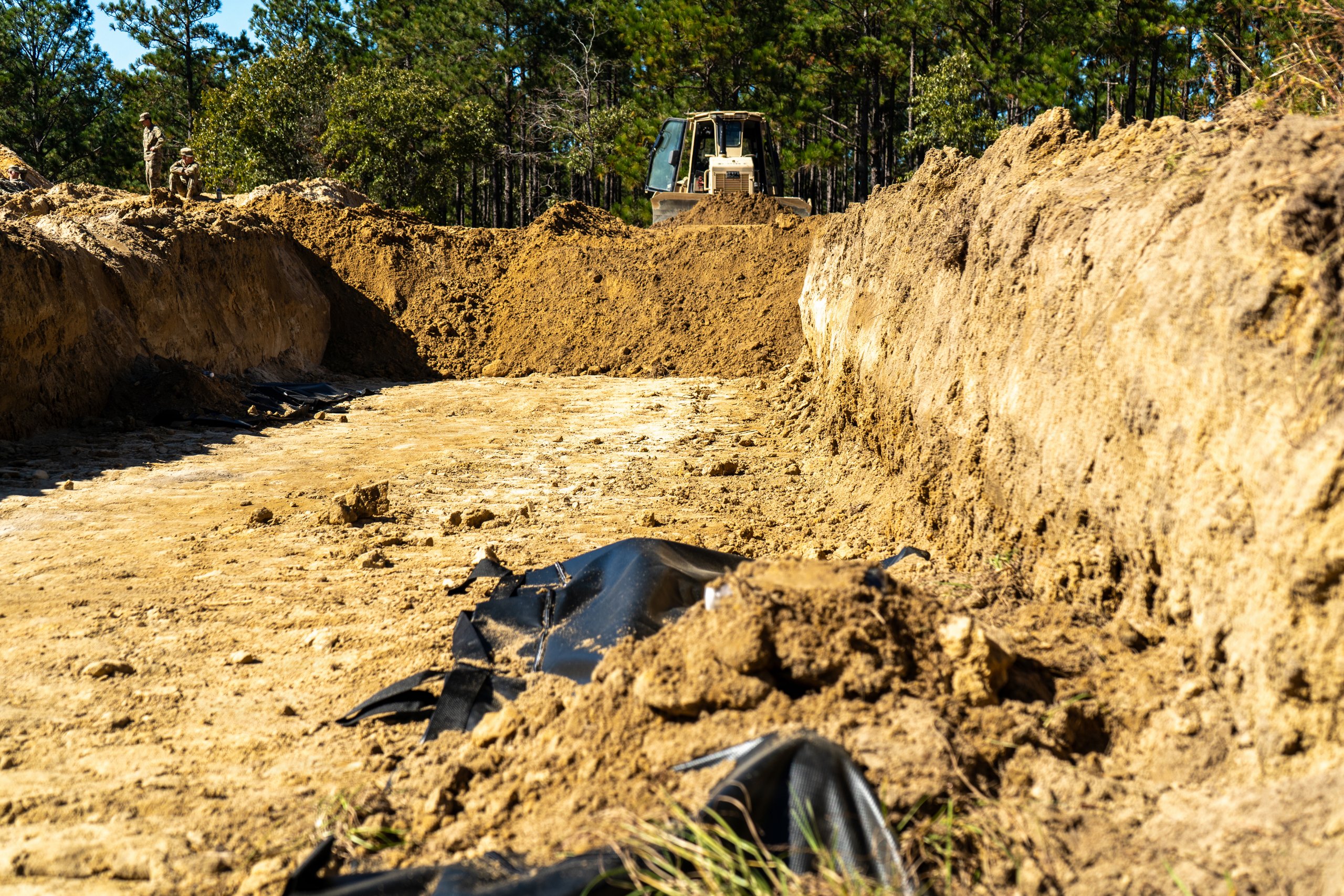
美国陆军正在为在战场上掩埋阵亡士兵这一严峻可能性做准备,测试挖掘临时墓穴的速度,同时保存遗骸,以便在冲突结束后最终确认身份并送还家属。
The Army is preparing for the grim possibility of burying fallen soldiers on the battlefield, testing how fast it can dig temporary graves while preserving remains for eventual identification and return to families after the end of a conflict.
陆军在上周发布的一份声明中表示,在北卡罗来纳州的一次演习中,工兵、预防医疗小组、军队牧师和阵亡者事务专家为大规模临时安葬做准备,这种做法自朝鲜战争以来尚未大规模使用。
During an exercise in North Carolina, engineers, preventative medicine teams, chaplains and fatality management specialists prepared for mass temporary interment not used on a large scale since the Korean War, the Army announced in a release last week.
在伊拉克和阿富汗战争的二十多年里,美国的制空权使得遗骸能通过阵亡者事务渠道迅速撤回美国。未来冲突——尤其是涉及大规模战斗行动(LSCO)的冲突——可能不具备同样的能力。
For more than twenty years during wars in Iraq and Afghanistan, U.S. air superiority allowed the quick evacuation of remains back to the United States through mortuary affairs channels. Future conflicts — especially those with large-scale combat operations, or LSCO — may not have the same capabilities.
“龙之盟约”行动第二阶段要求部队大规模测试和验证临时安葬行动及遗骸保存。参与的工兵必须利用装备挖掘并回填安葬壕沟,同时不得损坏模拟遗骸——由骨骼模型和水容器制成——以便假设的未来法医团队能在冲突结束后将其发掘并送返。
Phase II of Operation Dragon Covenant challenged troops to test and validate temporary burial operations and remains preservation at a large scale. Engineer soldiers involved had to use their equipment to excavate and then fill burial trenches without damaging mock remains, made of skeletal models and water containers, so that hypothetical future forensic teams could unearth and repatriate them after the end of a conflict.
“此次演习让我们得以严肃审视,在高强度冲突中,我们如何尊重、致敬并系统性地处理阵亡人员,”第3军团后勤司令部(CSC)资深阵亡人员管理负责人、一级军士长德尔伯特·鲁德在声明中说。“如果我们明天就开战,我们将不得不边打边想。我们在这里所做的,是采取一种科学的、经实战检验的方法,以便保持有效管控,并妥善、庄重地安置阵亡人员。”
“This exercise allowed us to take a critical look at how we respect, honor, and systematically manage our fallen in a high-intensity conflict,” said Sgt. 1st Class Delbert Ruede, the senior fatality management leader for 3rd Corps Sustainment Command (CSC), in the release. “If we went to war tomorrow, we would be making this up as we went along. What we are doing here is taking a scientific, field-tested approach so that we can maintain positive control and respectfully care for our fallen.”
美国要求在战时行动条件允许时撤运遗体,但美军联合勤务指导授权在战时大规模伤亡事件中设立临时墓穴,适用于因安全原因、缺乏运输工具,或死亡系化学、生物、放射性或核武器所致,导致遗体无法安全转移的情况。
The U.S. requires the evacuation of human remains when operations in wartime situations permit, but U.S. joint service guidance authorizes temporary graves during mass casualty incidents in war, where decedents cannot be safely moved due to safety, lack of transportation, or if the deaths are a result of chemical, biological, radiological or nuclear weapons.
军方规定,安葬于临时墓穴中的军人、平民或敌方战斗员必须受到尊严对待,其信息(如可获取)必须予以保存。
Soldiers, civilians or enemy combatants buried in temporary graves must be treated with dignity and their information — if available — preserved, the military dictates.
《日内瓦公约》要求甚至连敌方部队的遗体也必须登记在案,并收集身份识别信息。除卫生或宗教理由外,极少批准火化。
The Geneva Conventions require that even the bodies of enemy forces be recorded and that identifying information be collected. Cremation is rarely authorized, save for hygiene or religious grounds.
陆军条令规定,临时安葬地由五条平行壕沟组成,可容纳100具遗体,每侧壕沟安放10具。在先前的测试中,使用标准挖掘机的部队三小时只能挖掘一条壕沟——即仅能安放10具遗体。根据军方发布的消息,在最近一次演习中,操作员使用D6推土机挖掘可容纳20具遗体的壕沟,平均耗时一小时15分钟。
Army doctrine prescribes that temporary interment plots consist of five parallel trenches to hold 100 bodies, with ten bodies lining each side of the trenches. In previous trials, units using standard backhoes could excavate only one trench — and thus ten remains — per three hours. According to the service’s release, operators during the most recent exercise used D6 bulldozers to excavate a trench large enough for 20 remains in an average of one hour and 15 minutes.
以此为依据,指挥官可规划:配备所需装备的一个工兵连若不间断作业,每24小时可挖掘并回填壕沟,安葬多达2400具遗体。
Based on that, commanders can plan for an engineer company with the requisite equipment to dig and cover trenches for up to 2,400 bodies every 24 hours, if operating nonstop.
操作人员还了解到,已发布的战壕标准指导并未反映当前陆军装备的实际情况。陆军表示,现行条令要求排与排之间间隔七英尺(约2.13米),但该小组发现这一宽度过窄,推土机无法在不破坏安葬战壕的情况下通过。这一发现以及其他任何发现都将体现在未来的陆军条令中。
Operators also learned that published instructions on trench standards did not reflect current Army equipment. The service said that doctrine called for seven feet between rows, which the team found too narrow to drive a dozer without disrupting the burial trenches. This discovery, and any others, will be reflected in future Army doctrine.
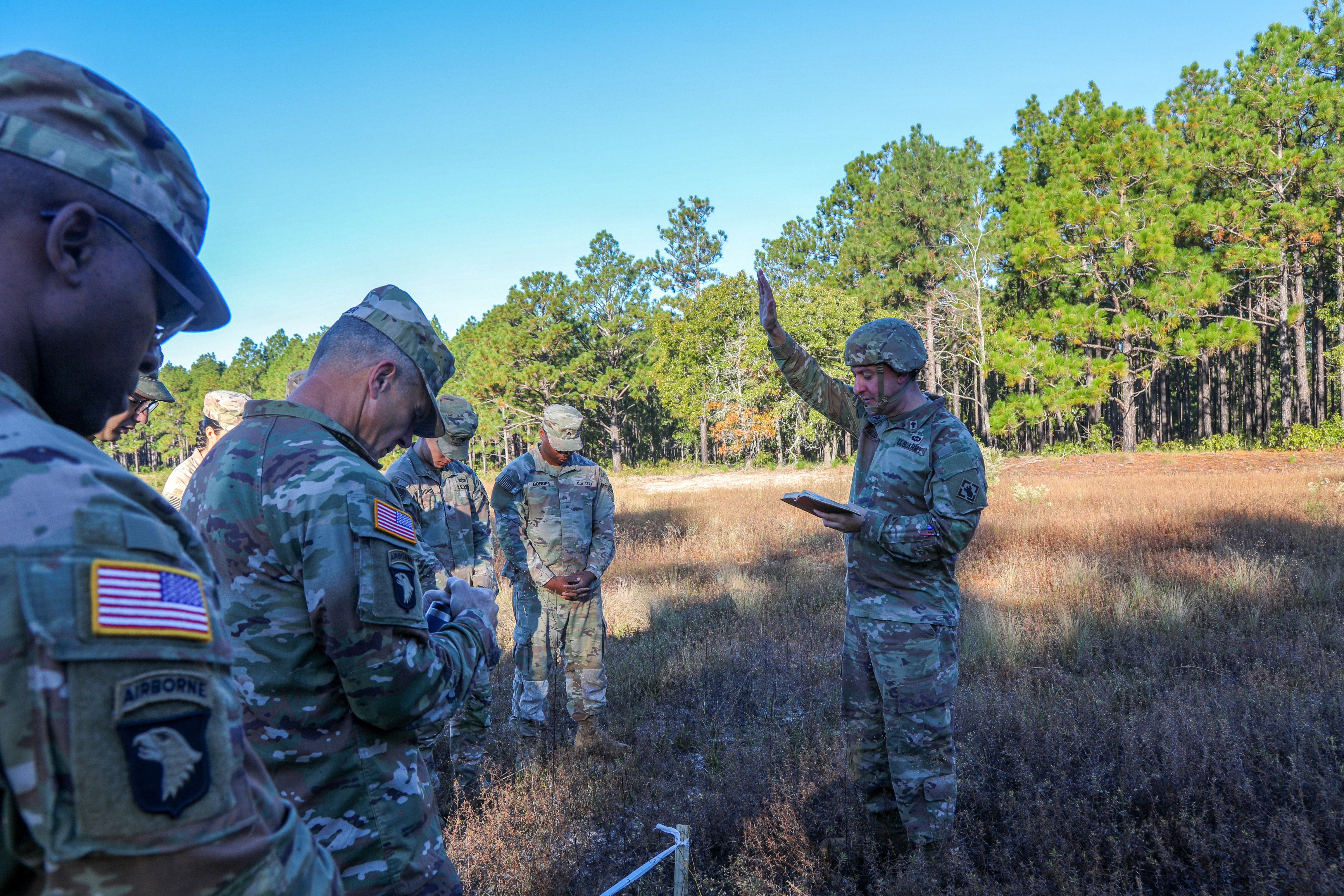
除了实体战壕之外,这次演习还为宗教事务专家和随军牧师提供了契机,让他们通过制定敏感的规程来为大规模作战行动做准备。
Beyond the physical trenches, the exercise also gave religious specialists and chaplains an opportunity to prepare for LSCOs by developing sensitive protocols.
“在高强度、受争夺的战斗环境中,遗体管理小组无法为了举行个性化的宗教安葬仪式而暂停全天候24小时的安葬行动,”第3军团支援司令部随军牧师、中校拉斯卡在声明中说。他补充道,该小组在死后也可能无法确定个人的信仰。
“In a high-intensity, contested combat environment, fatality management teams cannot stop a 24-hour interment operation for individualized religious gravesite services,” Lt. Col. Ruska, chaplain for the 3rd CSC, said in the release. The team, he added, also may be unable to determine an individual’s faith after death.
他说:“我们咨询了各个低密度信仰群体的随军牧师以征求意见。共识是,在遗骸安放入地前对场地进行祝圣,能让家属放心,尽管在受争夺的战斗环境中无法举行纪念仪式,但他们的亲人仍受到崇敬、尊严和荣誉的对待。”陆军表示,演习将继续进行,“龙之盟约”第三阶段将于2027年春季举行,届时将整合安保、医疗设施和遗体管理收集点。
“We consulted with Chaplains from various low density faith groups for advisement,” he said. “The consensus was that by consecrating the site before remains are placed in the ground reassures families that their loved ones are treated with reverence, dignity and honor despite the inability to provide a memorial ceremony in a contested combat environment.”The exercise will continue, the Army said, with Phase III of Dragon Covenant in Spring 2027, integrating security, medical facilities and a mortuary affairs collection point.