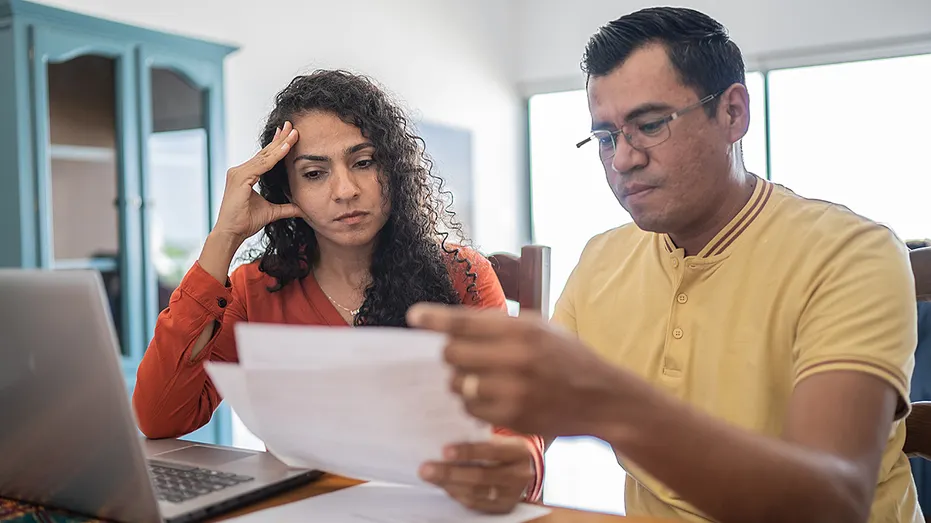
他们知道你住在哪里。他们可能知道你的电话号码、亲属姓名,以及你房子的大致价值。如今,大多数人至少隐约知道数据经纪人会收集个人信息。但许多人没有意识到的是接下来会发生什么。
They know where you live. They may know your phone number, your relatives' names and roughly what your house is worth. By now, most people have at least a vague sense that data brokers collect personal information What many don't realize is what happens next.
数据经纪人还会分析这些信息。他们利用算法,对比来自不同来源的记录,并将人们归入各类群体,以预测他们的兴趣、处境和行为。这些预测可能涉及你的健康、财务、宗教信仰以及潜在弱点。
Data brokers also analyze that information. They use algorithms, compare records from different sources and sort people into categories that predict their interests, circumstances and behavior. Those predictions can involve your health, finances, religious beliefs and potential vulnerabilities.
其中一些可能是错误的。其他的可能会泄露你从未打算分享的敏感细节。而且,视公司和所涉信息类型而定,这些画像可能会被出售或共享给你从未听说过的企业。以下将更深入地剖析数据经纪人给你贴上的标签、他们如何生成这些标签,以及你可以采取哪些措施来保护个人信息。
Some may be wrong. Others could reveal sensitive details you never intended to share. And depending on the company and the type of information involved, those profiles may be sold or shared with businesses you have never heard of. Here's a closer look at the labels data brokers assign to you, how they come up with them and what you can do to protect your personal information

数据经纪人的工作远不止维护地址和电话号码数据库。一些公司构建详细画像,旨在帮助广告商识别特定受众。联邦贸易委员会多年前就记录了这种做法。其调查发现,经纪人综合多个来源的信息,以推断敏感特征,包括收入、宗教、政治观点和健康状况。
Data brokers do far more than maintain databases of addresses and phone numbers. Some build detailed profiles designed to help advertisers identify specific audiences. The Federal Trade Commission documented this practice years ago. Its investigation found that brokers combined information from multiple sources to infer sensitive characteristics, including income, religion, political views and health conditions.
Acxiom 是一家大型数据公司,开发了一套名为 PersonicX 的细分系统,将家庭归入生活方式类别。根据联邦贸易委员会(FTC)的记录,其中一个有据可查的历史类别被称为“Rural Everlasting”(乡村长青),用于描述收入和教育程度相对较低的老年人。其他类别还包括“Urban Scramble”(都市奔波)和“Mobile Mixers”(流动混合群体)。
Acxiom, a major data company, developed a segmentation system called PersonicX that grouped households into lifestyle categories. One documented historical category was called "Rural Everlasting." According to the FTC, it described older adults with relatively low income and educational attainment. Other categories included "Urban Scramble" and "Mobile Mixers."
这些是基于数据构建的分类,并非当事人自己撰写的个人描述。FTC 还记录了公司如何利用位置信息创建更具体的广告受众。例如,InMarket 提供的受众类别包括“基督教教会出席者”、“学龄前儿童父母”以及“富有但不健康”。随后,FTC 限制了 InMarket 对敏感位置数据的使用和出售。
These were classifications built from data, not personal descriptions written by the people involved. The FTC also documented how companies used location information to create even more specific advertising audiences. For example, InMarket offered audience categories such as "Christian church goers," "parents of preschoolers," and "wealthy and not healthy." The FTC subsequently restricted InMarket's use and sale of sensitive location data.
还有 Oracle 的 BlueKai 广告业务,帮助广告商利用大量消费者数据进行定向投放。Oracle 于 2024 年 9 月关闭了其广告产品。尽管如此,其历史说明了该行业已变得多么复杂。关键在于,标签不必准确,也能影响公司对你的看法。
Then there was Oracle's BlueKai advertising business, which helped advertisers use extensive consumer data for targeting. Oracle shut down its advertising products in September 2024. Still, its history illustrates how sophisticated this industry became. The important point is that a label doesn't have to be accurate to influence how a company views you.
想了解你的个人信息可能已有多少暴露?在 CyberGuy.com 进行免费扫描,查明数据经纪商可能掌握了你的哪些数据。
Want to see how much of your personal information may already be exposed? Get a free scan to find out what data brokers may have on you at CyberGuy.com.
其中一些分类听起来无害,另一些则出奇地私密。以下是数据经纪商历史上推断或用于创建消费细分的信息示例。数据经纪商研究和执法案例记录了涉及以下内容的类别:一个主要担忧是,这些分类可能源自医疗体系之外。
Some of these classifications sound harmless. Others are surprisingly personal. Here are examples of the information brokers have historically inferred or used to create consumer segments. Data broker research and enforcement cases have documented categories involving: A major concern is that these classifications can originate outside the medical system.
《健康保险流通与责任法案》(HIPAA)保护受监管医疗保健组织及其业务关联方处理的健康信息。然而,其他企业独立收集或推断的健康相关信息可能不在 HIPAA 的保护范围之内。
HIPAA protects health information handled by covered healthcare organizations and their business associates. However, health-related information independently gathered or inferred by other businesses may fall outside HIPAA's protections.
例如,搜索糖尿病相关信息并不意味着你患有糖尿病。你可能是在为家人查询该病症。然而,广告系统在构建用户画像时,仍可能将该活动作为多个信号之一加以利用。其他联邦和州隐私法律可能适用,但它们不一定提供与《健康保险流通与责任法案》(HIPAA)同等的保护。
For example, searching for information about diabetes doesn't mean you have diabetes. You could be researching the condition for a family member. Yet advertising systems may still use that activity as one of several signals when building a profile. Other federal and state privacy laws may apply, but they don't necessarily provide the same protections as HIPAA.
数据公司还基于预估收入、消费行为和财务状况提供分类。这些分类可能包括被归类为富裕、价格敏感或可能对特定金融优惠做出回应的人群。一个特别令人担忧的例子来自司法部起诉Epsilon Data Management(Epsilon数据管理公司)一案。根据联邦检察官的指控,Epsilon利用复杂的建模技术识别可能对推销做出回应的消费者。
Data companies have also offered categories based on estimated income, spending behavior and financial circumstances. These can include people classified as affluent, price-sensitive or likely to respond to certain financial offers. One particularly troubling example comes from the Justice Department's case against Epsilon Data Management. According to federal prosecutors, Epsilon used sophisticated modeling to identify consumers likely to respond to solicitations.
该公司向欺诈计划运营者出售了超过3000万美国人的信息,其中包括虚假抽奖促销活动。Epsilon同意支付1.5亿美元,作为其延期起诉协议的一部分。这是消费者数据被用于帮助欺诈者识别潜在受害者的一个有据可查的案例。
The company sold information about more than 30 million Americans to operators of fraudulent schemes, including fake sweepstakes promotions Epsilon agreed to pay $150 million as part of its deferred prosecution agreement. This is a documented example of consumer data being used to help fraudsters identify potential victims.
数据经纪人还推断人们的宗教兴趣和政治倾向。这些预测可能依据位置模式、购买记录、公共记录和其他可用数据。例如,联邦贸易委员会(FTC)记录了“基督教教堂出席者”广告细分受众的使用情况。到访教堂的人不一定信奉该宗教。同样,研究某位政治候选人的人也不一定支持该候选人。尽管如此,用户画像系统仍可利用这些信号将人们归入特定受众群体。
Data brokers have also inferred people's religious interests and political leanings. These predictions may draw on information such as location patterns, purchases, public records and other available data. For example, the FTC documented the use of a "Christian church goers" advertising segment. A person visiting a church doesn't necessarily belong to that faith. Similarly, someone researching a political candidate doesn't automatically support that candidate. Nevertheless, profiling systems can use these signals to group people into audiences.
另一类则关注您个人生活中可能发生的事情。数据公司已开发出涉及有年幼子女的父母、空巢老人以及处于不同人生阶段的家庭等细分群体。这些分类有助于企业决定推广何种产品或服务。然而,它们也可能暴露潜在的压力点。即将退休的人收到的金融产品推销可能与年轻父母不同。被认为正在承担医疗费用的家庭可能会吸引另一种类型的营销。而当这些假设出错时,由此产生的画像仍可能影响某人所看到的内容。
Another category focuses on what may be happening in your personal life. Data companies have developed segments involving parents with young children, empty nesters and households at different stages of life. These classifications can help businesses decide what products or services to advertise. However, they can also reveal potential pressure points. Someone approaching retirement may receive different financial offers than a young parent. A household believed to be managing health expenses may attract another type of marketing. And when those assumptions are wrong, the resulting profile may still influence what someone sees.
请回想您最近在网上做了什么。也许您搜索过关节疼痛缓解方法。也许您对比过养老金计划,或为亲属查找过治疗方案。单独来看,这些活动可能透露的信息很少。然而,公司可以整合来自网站、应用程序、购买记录、公共记录和商业数据库的信息。
Consider what you've done online recently. Maybe you searched for joint pain relief. Perhaps you compared retirement plans or looked up treatment options for a relative. Individually, these activities might reveal very little. However, companies can combine information from websites, apps, purchase histories, public records and commercial databases.
随后,预测模型会寻找规律。例如,一家公司在决定您是否符合某个特定广告受众类别时,可能会综合考虑您的年龄段、预估收入和浏览活动。这些分类通常被称为建模属性或推断属性。它们代表的是预测,而非经核实的个人事实。问题在于:购买受众细分数据使用权的公司,可能在不了解该预测对每个人描述准确度如何的情况下,直接加以使用。
Then predictive models look for patterns. For example, a company may consider your age range, estimated income and browsing activity when deciding whether you fit a particular advertising category. These classifications are often called modeled attributes or inferences. They represent predictions rather than verified personal facts. And here's the problem: a company buying access to an audience segment may use the prediction without knowing how accurately it describes each person.
基本信息有助于骗子与您取得联系。更详细的个人信息则能让他们的接触显得更可信。例如,知道您姓名和地址的人,可以发送一份外观逼真的金融通知。现在假设同一个人还掌握着表明您即将退休或正在研究医疗费用的信息。犯罪分子便可利用这些线索,量身定制欺诈性的联邦医疗保险(Medicare)推销、投资推介或虚假医疗服务。
Basic information helps a scammer contact you. More detailed personal information can help make the approach believable. For example, someone who knows your name and address could send a convincing-looking financial notice. Now suppose that same person also has information suggesting you're approaching retirement or researching medical expenses. A criminal could use those clues to tailor a fraudulent Medicare offer, investment pitch or fake medical service.
这并不意味着每个诈骗者都会购买复杂的消费者画像。然而,司法部起诉 Epsilon Data Management(艾普西龙数据管理公司)一案显示,定向消费者信息是如何落入欺诈者手中的。该公司将消费者数据出售给欺诈计划的运营商,帮助他们识别更有可能做出回应的人群。
This doesn't mean every scammer buys sophisticated consumer profiles. However, the Justice Department's case against Epsilon Data Management shows how targeted consumer information can end up in the hands of fraudsters. The company sold consumer data to operators of fraudulent schemes, helping them identify people more likely to respond.
与此同时,联邦调查局(FBI)报告称,2025 年,美国 60 岁及以上老年人因网络犯罪损失约 77 亿美元,高于 2024 年的 49 亿美元。虽然这些损失并不全都与数据经纪商有关,但定向消费者名单的有据可查的出售表明,个人信息如何帮助罪犯识别潜在受害者,并使其诈骗手段更具说服力。
Meanwhile, the FBI reported that Americans age 60 and older lost approximately $7.7 billion to internet crime in 2025, up from $4.9 billion in 2024. While those losses weren't all connected to data brokers, the documented sale of targeted consumer lists shows how personal information can help criminals identify potential victims and make their scams more convincing.
找到与你名字关联的每一个画像可能很困难。与信用报告不同,并没有一个集中化的系统供你查看公司生成的所有关于你的营销预测。不过,一些州的隐私法赋予居民访问、更正或删除个人信息(包括某些推断信息)的权利。
Finding every profile attached to your name can be difficult. Unlike a credit report, there isn't one centralized system where you can review all the marketing predictions companies have generated about you. However, some state privacy laws give residents rights to access, correct or delete personal information, including certain inferences.

加利福尼亚州提供了一个重要范例。根据《加利福尼亚州消费者隐私法案》(CCPA),符合条件的居民可以请求受监管企业持有的信息,但须遵守法律规定的例外情况。加利福尼亚州还于 2026 年 1 月推出了名为 DROP 的删除请求和选择退出平台,网址为 privacy.ca.gov。
California provides one important example. Under the California Consumer Privacy Act eligible residents can request information held by covered businesses, subject to legal exceptions. California also launched its Delete Request and Opt-out Platform, known as DROP at privacy. in January 2026.
它允许符合条件的加利福尼亚州居民提交一项删除请求,涵盖已注册的数据经纪商。这些公司于 2026 年 8 月开始处理请求。匹配的记录(包括推断信息)通常必须予以删除,除非适用例外情况。其他州有不同的隐私保护措施,因此你的选择取决于你居住的州。
It allows eligible California residents to submit one deletion request covering registered data brokers. Those companies began processing requests in August 2026. Matching records, including inferences, generally must be deleted unless an exception applies. Other states have different privacy protections, so your options depend on where you live.
你可能无法消除关于你的所有预测。不过,你可以采取切实可行的措施,减少可获取的个人信息量。以下是起步建议:减少公开可获取的个人信息,能让陌生企业和诈骗者更难构建详细画像。然而,删除服务无法保证所有现有推断都会消失,也无法阻止公司收集新信息。
You may not be able to eliminate every prediction about yourself. However, you can take practical steps to reduce how much personal information remains available. Here's where to start: Reducing publicly accessible personal information can make it harder for unfamiliar businesses and scammers to build detailed profiles. However, removal services cannot guarantee that every existing inference will disappear or prevent companies from collecting new information.
我曾警告过你们数据经纪人会收集你们的个人信息,但我发现他们对我们做出的预测更令人担忧。请想一想。你可能为所爱的人搜索一种病症,结果却被归入一个暗示你自己患有该病症的类别。购买该画像访问权的人可能根本不知道这个假设是错误的。而当个人信息落入坏人之手,能帮助诈骗者让他们的说辞听起来更具说服力。
I've warned you before about data brokers collecting your personal information, but I find the predictions they make about us even more troubling. Think about it. You could search for a medical condition on behalf of someone you love and end up in a category suggesting you have that condition yourself. Someone buying access to that profile may have no idea the assumption is wrong. And when personal information gets into the wrong hands, it can help scammers make their pitches sound much more convincing.
让我担忧的是,我们大多数人对以我们名义建立的画像知之甚少。你可能永远看不到公司给你贴的每一个标签,但你可以开始减少可用于构建这些画像的信息。我建议查看搜索自己名字时会出现什么内容,并利用你所在州提供的隐私保护。信誉良好的数据删除服务也能提供帮助,它们会自动向数据经纪人发送删除请求,并持续检查你的信息何时重新出现。你不会从互联网上消失,但你可以让陌生人更难拼凑出你生活的详细画像。
What concerns me is how little most of us know about the profiles being built around our names. You may never see every label a company assigns to you, but you can start reducing the information available to build those profiles. I recommend checking what appears when you search for yourself and taking advantage of the privacy protections available in your state. A reputable data removal service can also help by automatically sending removal requests to data brokers and continuing to check when your information reappears. You won't disappear from the internet, but you can make it harder for strangers to assemble a detailed profile of your life.
什么更让你担忧?是数据经纪人精准预测出关于你的深度隐私,还是将完全错误的预测当作事实出售?请写信告诉我们,地址是
What would concern you more, a data broker accurately predicting something deeply personal about you or selling a completely false prediction as if it were fact? Let us know by writing to us at