新加坡:过去几年,新加坡公共机构委托开展了源源不断的遗产相关研究,旨在为具有遗产意义的场地的重新开发提供指导。
SINGAPORE: Over the past few years, public agencies in Singapore have commissioned a steady stream of heritage-related studies meant to guide the redevelopment of sites with heritage significance.
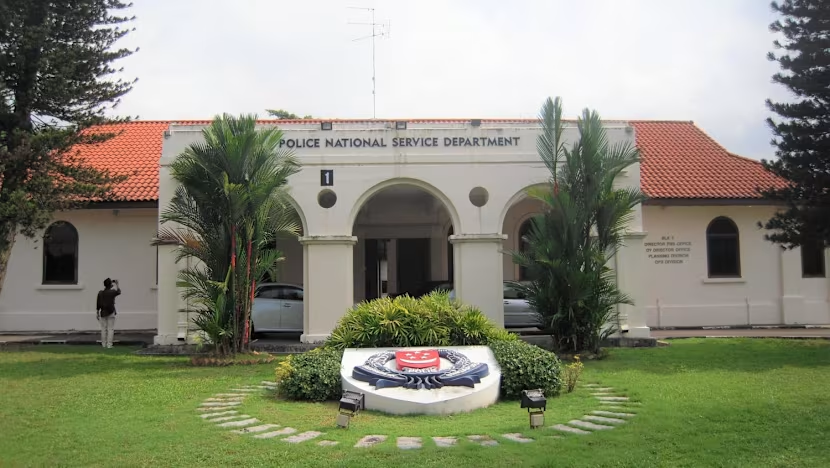
这些研究包括2021年对位于蒙彼利埃的前旧警察学院的研究,该研究为国家发展部2022年推出的遗产影响评估(HIA)框架提供了试点。该框架后来被应用于武吉知马的马城和吉尔曼军营的研究。还有其他一些研究不属于HIA框架的范围。例如,在亚当园,新加坡土地管理局(SLA)最近的招标要求进行考古缓解措施。建屋发展局也为两个未来开发区的遗产相关研究进行了招标。
These include the 2021 study of the former Old Police Academy at Mount Pleasant, which served as a pilot for the Ministry of National Development’s Heritage Impact Assessment (HIA) framework introduced in 2022. The framework was later applied to the studies of Bukit Timah's Turf City Gillman Barracks There are others that sit outside the HIA framework. At Adam Park, for example, the Singapore Land Authority’s (SLA) recent tender requires archaeological mitigation. The Housing and Development Board also called for a tender for heritage studies related to two future development areas.
委托工作的增加是值得欢迎的,因为它代表了遗产在政策制定中更早被纳入的一个重要变化。但这也使另一个问题受到关注:新加坡是否有足够的专业知识来做好这项工作?
This growth in commissioned work is welcome, as it represents an important change in how heritage is incorporated earlier in policymaking. But it brings another issue into focus: Does Singapore have enough expertise to do it well?
专家人数有限。新加坡没有正式的遗产从业者名录,人才库因学科而异。建筑保护依赖于相对少量的专业事务所和大学团队,而历史和社会史研究往往依赖于个别历史学家和研究人员。
A SMALL NUMBER OF EXPERTS There is no formal of heritage practitioners in Singapore, and the pool varies by discipline. Architectural conservation draws on a relatively small number of specialist practices and university-based teams, while historical and social-history research often depends on individual historians and researchers.
一个大型HIA可能需要多种专业知识,从建筑保护到档案和社会研究,尽管每个项目没有标准的专家人数。海外公司可以补充本地团队,但对新加坡历史资料、物质文化和规划背景的熟悉仍然很重要。遗产顾问也没有正式的许可或认证制度。
A single large HIA may require several kinds of expertise, from architectural conservation to archival and social research, though there is no standard number of specialists for every project. Overseas firms can supplement local teams, but familiarity with Singapore’s historical sources, material culture and planning context remains important. There is also no formal licensing or certification system for heritage consultants.
招标通常会考虑资格和业绩记录,而专业隶属关系可以作为有用的指标。仍然,业绩记录仅表明类似工作已被完成,并不能证明质量。
Tenders commonly consider qualifications and track records, while professional affiliations can be useful indicators. Still, a track record only shows that similar work has been done and does not establish quality.
在考古领域,这种情况更为严重。新加坡拥有极少数具备大量本土实地经验的从业者,活跃的专业人才库异常小。国家遗产委员会(NHB)在 2024 年承认需要培养本土考古专业人才,但随着考古工作成为与发展相关的遗产研究的一部分,这一需求变得愈发迫切。潜在问题建筑保护与工程的能力已被拉伸。尚无证据表明研究时间延长或系统正在崩溃,但仍有理由担忧。
The situation is more acute in archaeology. Singapore has very few practitioners with substantial local field experience, and the active professional pool is exceptionally small. The National Heritage Board (NHB) acknowledged the need to build local archaeological expertise in 2024, but that need has become increasingly urgent as archaeological work becomes part of development-related heritage studies. POTENTIAL ISSUES Capacity in architectural conservation and engineering is stretched. There is no evidence yet of studies taking longer or that the system is breaking down, but there are reasons to be concerned.
招标假设存在一个足够成熟的市场,可从中挑选有能力的供应商。若仅有少数经验丰富的考古学家可用,竞争性采购无法创造能力或确立正确的标准。
A tender assumes that there is a sufficiently developed market from which capable providers can be selected. Where only a handful of experienced archaeologists are available, competitive procurement cannot create the capacity or establish the right standards.
低质量的研究会产生严重后果。不充分的建筑评估可能误述现场的重要性,并影响保留、改动或重建的决策——这些决策往往难以逆转。在考古学中,还存在额外风险:挖掘是破坏性的。为了解释沉积物,必须将其移除。若上下文被扰乱,或文物与记录记录不充分,原始证据将无法为未来研究者重建。
Poor-quality studies have serious consequences. An inadequate building assessment may misstate a site’s significance and influence decisions about retention, alteration or redevelopment – decisions that can be difficult to reverse. In archaeology, there is an added risk: excavation is destructive. Deposits are removed to understand them. If contexts are disturbed or artefacts and records are inadequately documented, the original evidence cannot be reconstructed for future researchers.
问题并不止于调查阶段。一旦报告被接受,它就具有实质性的分量。其结论可能决定是否需要进一步调查、是否保留遗存或是否继续开发。
The problem does not end with the investigation. Once accepted, a report acquires substantive weight. Its conclusions may determine whether more investigation is needed, remains are retained or development proceeds.
认定某处遗址价值甚微或毫无价值的结论本身并不必然错误,但这种结论必须建立在称职且严谨的调查之上。因此,委托机构不应仅凭表面就接受顾问的报告,它需要具备足够的内部专业能力或通过独立审查,来审视其方法、证据和推理。
A finding that a site has little or no significance is not inherently wrong, but such a finding must rest on competent and rigorous investigation. A commissioning agency should therefore not simply accept a consultant’s report at face value. It needs sufficient expertise, internally or through independent review, to scrutinise the methods, evidence and reasoning.
这同样适用于建筑遗产研究以及考古学。但当考古人才库如此之小,且大部分可用专业知识集中在国家文物局下属的文物局(HeritageSG)内部时,寻找独立审查者就变得尤为迫切。国家应发挥更积极作用的理由?
This applies to built-heritage studies as well as archaeology. But when the archaeological pool is so small, and much of the available expertise is concentrated within HeritageSG under NHB, finding independent reviewers becomes especially pressing. A CASE FOR A MORE ACTIVE STATE ROLE?
在专业知识极度稀缺、且调查可能永久改变证据的情况下,国家可以发挥更积极的作用。
Where expertise is critically scarce and investigation can permanently alter the evidence, the state can take a more active role.
在亚当公园,土地管理局的招标要求中标者任命一名项目考古学家,开展缓解性工作,以回收和记录考古材料与遗迹。谁应设定研究设计和方法、确定主持工作者的资质并确保其质量?在可用专家数量如此之少的情况下,单独的招标本身可能无法提供合适的人选或建立统一的标准。
At Adam Park, the SLA tender requires the successful tenderer to appoint a project archaeologist to conduct mitigation works to recover and document archaeological materials and features. Who should set the research design and methodology, determine the qualifications of those leading the work, and ensure its quality? With the small number of experts available, separate tenders, on their own, may not be able to supply the right people or establish consistent standards.
如果国家能发挥更积极的作用,主管当局将设定范围和方法、确定适当的资质,并在遗址考古潜力巨大时安排独立审查。这将建立一个国家框架,而不是把要求留给接连招标中的临时性规定。
If the state could play a more active role, the authority would set the scope and methods, determine appropriate qualifications and provide for independent review where a site’s archaeological potential is substantial. This would establish a national framework instead of leaving requirements to ad hoc formulations in successive tenders.
体制基础已经存在。国家文物局的考古咨询小组就考古举措和政策提供建议,而2024年公开征求意见的立法提案则设想让国家文物局发挥更直接的监管作用。
There is already an institutional foundation. NHB’s Archaeology Advisory Panel advises on archaeological initiatives and policies, while legislative proposals put forward for public consultation in 2024 envisaged a more direct regulatory role for NHB.
一个国家级系统可以确保实地记录、图纸、照片、发现物登记册和数字数据得到一致的保存和获取。每一项由开发驱动的调查都可以为一个累积的国家记录做出贡献,而实地工作则为当地从业者和学生创造持续的机会来获得经验。
A national system could ensure that field records, drawings, photographs, finds registers and digital data are consistently deposited and accessible. Each development-led investigation could contribute to a cumulative national record, while fieldwork creates sustained opportunities for local practitioners and students to gain experience.
新加坡通过更早、更定期地将遗产纳入规划,已经取得了重要进展。现在的问题是,能力和监管是否跟上了步伐。
Singapore has made important progress by bringing heritage into planning earlier and more regularly. The question now is whether capacity and oversight have kept pace.
对于建成遗产而言,这意味着加强专业基础和审查。对于考古学而言——该领域专业知识极为稀缺,且相关工作可能破坏其试图了解的实物证据——一种更由国家主导的模式值得认真考虑。一项糟糕的遗产研究可能导致不可逆的决定。在考古学中,它还可能意味着证据本身的不可逆丧失。
For built heritage, that means strengthening the professional base and review. For archaeology, where expertise is exceptionally scarce and the work can destroy the evidence it seeks to understand, a more state-led model deserves serious consideration. A poor heritage study can lead to an irreversible decision. In archaeology, it can also mean the irreversible loss of the evidence itself.
凯文·陈(Kevin Tan)是国际古迹遗址理事会(ICOMOS)新加坡分会主席,也是一名法学教授。杨康华(Yeo Kang Shua)是ICOMOS新加坡分会副主席,也是新加坡科技设计大学建筑历史与保护专业的副教授。
Kevin Tan is President of the International Council on Monuments and Sites (ICOMOS) Singapore and a law professor. Yeo Kang Shua is Vice-President of ICOMOS Singapore and an associate professor at the Singapore University of Technology and Design in architectural history and conservation.