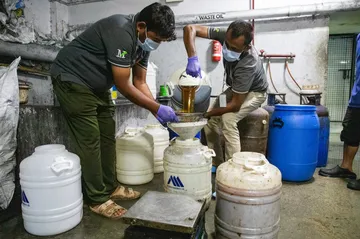
在班加罗尔一家肮脏餐馆的地下室里,两名男子蹲在一只黏糊糊的塑料盆前,盆里装着厨房不再需要、石油行业却日益渴求的东西。
In a grubby restaurant basement in Bengaluru, two men crouch over a sticky plastic tub of something a kitchen no longer wants and the oil industry increasingly does.
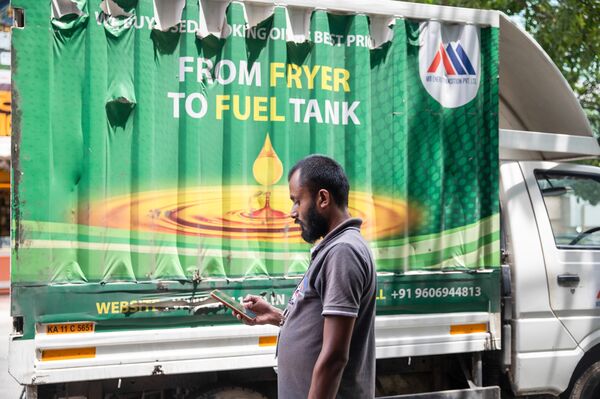
这两人是“废油猎人”:收集员们骑着机动三轮车,穿梭于这座特大城市拥堵的道路和狭窄的后巷,从一家餐馆跑到另一家餐馆,收集加仑计的废弃食用油。他们的货物散发着昨天炸鸡和炸鱼排的气味。在越来越多的炼油商眼中,这闻起来像是一个将廉价废料转化为宝贵生物燃料的机会。
The men are grease hunters: collectors who spend their days traversing the megacity’s clogged roads and narrow back alleys on motorized rickshaws, going from kitchen to kitchen to gather gallons of used cooking oil. Their cargo carries the odor of yesterday’s fried chicken and fish fritters. To a growing roster of refiners, it smells like an opportunity to convert cheap waste into valuable biofuel.
这种油已在为部分公交车和卡车提供动力。印度推动用本土原料为更多公路车辆和飞机提供燃料,正吸引更大的买家进入一个低效且分散的供应链。印度石油公司、印度斯坦石油公司和印度巴拉特石油公司合计想要数万吨废弃食用油。要运来这些油,意味着要从成千上万家分散的餐馆汇集工业级数量的货源,一次一盆地收集。
Already powering some buses and trucks, India’s push to fuel more road vehicles and aircraft with homegrown ingredients is bringing bigger buyers into an inefficient and fragmented supply chain. Together, Indian Oil Corp., Hindustan Petroleum Corp. and Bharat Petroleum Corp. want tens of thousands of tons of used food oil. Delivering it means assembling industrial quantities from thousands of scattered eateries, one tub at a time.
“市场大得多,远超我们所有人能供应的量,”M11 Energy Transition Pvt. 首席执行官曼南·汗说,该公司是印度约十几家持牌废油聚合商之一。2022年,他的公司只有一个人用铁皮桶收集废弃食用油。今年,他在24个城市拥有300名收集员,每月收集约1000吨。
“The market is way, way bigger than all of us can provide for,” said Mannan Khan, chief executive officer of M11 Energy Transition Pvt., one of about a dozen licensed aggregators of the waste material in India. In 2022, his company had one person collecting used food oil in jerry cans. This year, he has 300 collectors in 24 cities, gathering about 1,000 tons a month.
这些采购背后是一种印度越来越难以忽视的脆弱性。该国约90%的原油依赖进口,今年迄今已在进口上花费创纪录的1250亿美元,引发了对其外汇储备的担忧。随后美国与伊朗的战争爆发,扰乱了霍尔木兹海峡的航运,推高油价,使寻找更多国内燃料的理由更加充分。
Behind those purchases is a vulnerability that India has found increasingly hard to ignore. The country imports about 90% of its crude and has spent a record $125 billion on those imports so far this year, raising concerns about its foreign exchange reserves. Then came the war between the US and Iran, which disrupted shipments through the Strait of Hormuz and sent oil prices surging, sharpening the case for finding more fuel at home.
“霍尔木兹敲响了警钟,”德勤南亚能源与资源主管桑杰·萨说,并补充称政府不得不加快行动以减少进口。
“Hormuz triggered the alarm,” said Sanjay Sah, Deloitte South Asia’s lead for energy and resources, adding that the government has had to move fast to reduce imports.
印度总理纳伦德拉·莫迪政府正在推广利用城市、工业和农业废弃物生产能源,以帮助满足不断增长的需求并减少对进口的依赖。从1月开始,从印度起飞的国际航班将需要使用含1%可持续航空燃料的燃料。到2030年,这一比例将上升至5%,同时道路运输的生物柴油目标也设定为5%。
Prime Minister Narendra Modi’s government is promoting energy made from urban, industrial and agricultural waste to help meet growing demand and cut reliance on imports. From January, international flights leaving India will need to use fuel containing 1% sustainable aviation fuel. That will rise to 5% by 2030 alongside a 5% biodiesel target for road transport.
印度正加入亚洲更广泛的生物燃料推广行列,其中包括可持续航空燃料。新加坡和韩国也计划从2027年起引入相关要求。马来西亚、越南和印度尼西亚的收集网络正在扩大,而中国已经是向美国、欧洲和新加坡供应废弃食用油的主要供应国。
India is joining a broader Asian push into biofuels, including sustainable aviation fuel. Singapore and South Korea also plan to introduce requirements from 2027. Collection networks are expanding in Malaysia, Vietnam and Indonesia, while China is already a major supplier of used cooking oil to the US, Europe and Singapore.
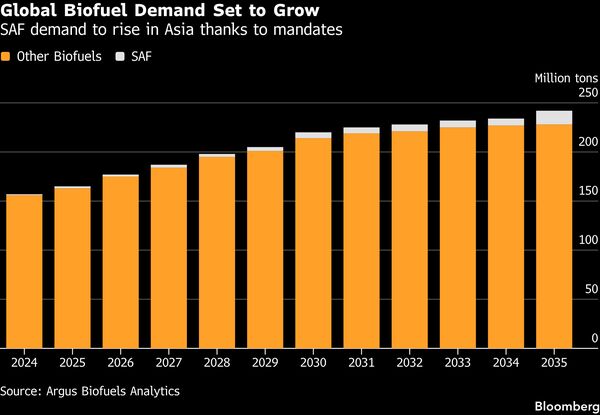
据Argus Biofuels Analytics(阿格斯生物燃料分析)预测,全球对可持续航空燃料(SAF)的需求预计将在十年内激增600%,到2035年达到1400万吨。该机构首席生物燃料顾问容蒂·理查森表示,亚洲将成为这一增长的主要驱动力。据标普全球预测,仅印度的需求到本世纪末将达到25万吨。
Global demand for sustainable aviation fuel, or SAF, is expected to soar 600% over a decade to 14 million tons by 2035, according to Argus Biofuels Analytics. Asia will be a major driver of that growth, said Jonty Richardson, the agency’s principal biofuels consultant. India’s demand alone will reach 250,000 tons by the end of the decade, according to S&P Global.
与此同时,供应紧张,这一复杂因素有助于抑制需求。据国际航空运输协会称,去年可持续航空燃料仅占喷气燃料总使用量的0.6%,该协会预计仅会实现渐进式增长。这使得从厨房废弃物中榨取燃料显得更加紧迫。
Supply, meanwhile, is tight, a complication that’s helped to dampen demand. SAF accounted for just 0.6% of total jet fuel used last year, according to the International Air Transport Association, which expects only gradual growth. That makes squeezing fuel out of kitchen waste all the more urgent.
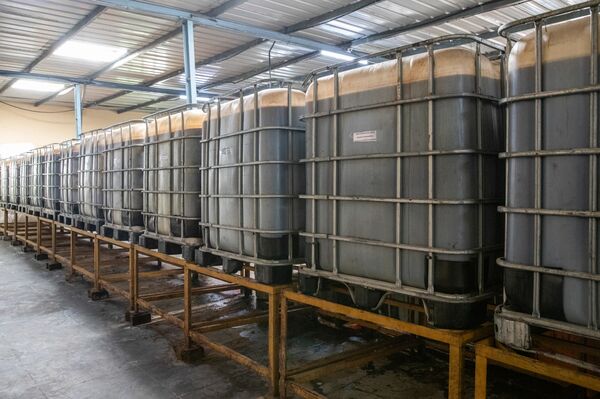
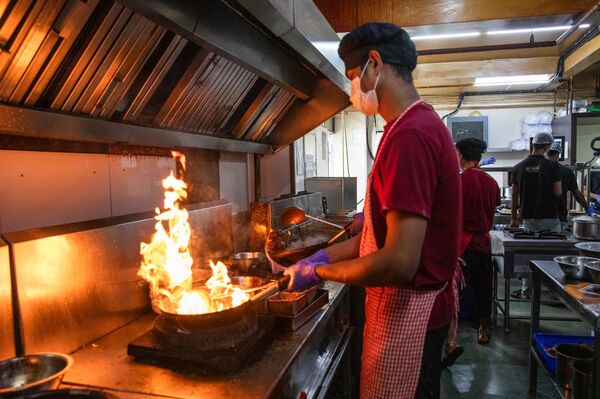
废弃食用油提供了生产符合全球排放标准燃料的最廉价途径,但确保其真的是“废弃”油可能是个挑战。废油有时比新油更值钱,这就留下了造假的空间。另一个难点是获取废油。印度是世界上最大的食用油消费国,每年产生约300万吨废油,但由于缺乏集中收集系统,这些废油滞留在餐厅地下室、酒店厨房和食品工厂,等待有人来收走。
Used cooking oil offers the cheapest route to a fuel that meets global emissions standards, but making sure it really is used can be a challenge. Waste oil can sometimes be worth more than fresh oil, creating room for fraud. Another difficulty is getting hold of it. India is the world's biggest consumer of edible oils and produces about 3 million tons of used oil a year, but with no centralized collection system, it sits in restaurant basements, hotel kitchens and food factories, waiting for someone to come take it away.
据印度可持续航空燃料协会称,只有约 5% 的 UCO(废弃食用油的行业简称)被收集。据估计,60% 的废弃食用油重新流回食物链再次使用,这种做法既违法,也对食用者有害。
Only about 5% of UCO – the industry shorthand for used cooking oil – is collected, according to India's SAF Association. An estimated 60% finds its way back into the food chain to be used again, a practice that’s both illegal and bad for people eating it.
主要向欧洲和美国客户销售生物柴油的 M11 公司负责人 Khan 预计,印度将成为越来越重要的买家。他计划到今年年底将收集站点数量翻倍至 50 个,并将居民家庭、食品制造商和工业厨房纳入收集路线。
M11’s Khan, who sells biodiesel mostly to customers in Europe and the US, expects India to become an increasingly important buyer. He plans to double his depots to 50 by the end of this year and add households, food manufacturers and industrial kitchens to his collection routes.
他并非唯一为应对更多需求而做准备的人。奥地利生物柴油生产商 Münzer Bioindustrie GmbH 十年前开始从印度出口废弃食用油,发现市场杂乱无章、充满挑战。该公司如今认为市场正在成熟,并已收到炼油商提出的共同生产生物燃料的建议。
He’s not the only one gearing up for more demand. Münzer Bioindustrie GmbH, an Austrian biodiesel producer, began exporting used cooking oil from India a decade ago and found a haphazard market fraught with challenges. It now sees the market maturing, and has received proposals from refiners to co-produce biofuels.
“在一个高度无序的市场中做有序的参与者并不容易,”Münzer Bharat 公司贸易主管 Jatin Udwadia 表示,该公司在印度 20 多个城市每月收集约 900 吨废弃食用油。“印度的可持续航空燃料强制令是一项雄心勃勃的举措,这更加需要有序的参与者介入,帮助印度履行该强制令。”
“It is not easy to be an organized player in a highly unorganized market,” said Jatin Udwadia, head of trading at Münzer Bharat, which collects about 900 tons of UCO a month across more than 20 Indian cities. “India's SAF mandate is an ambitious move and all the more reason for organized players to step in and help India fulfill its mandate.”
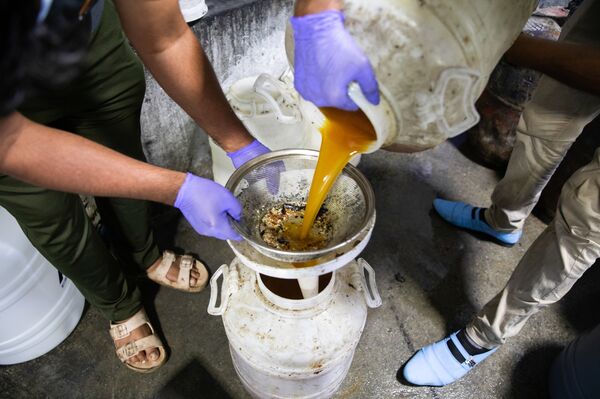
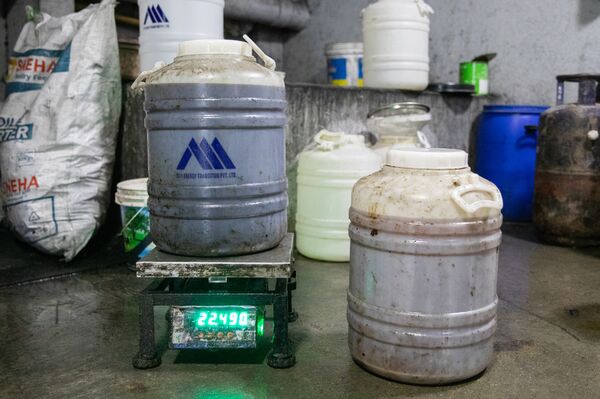
回到班加罗尔的地下室,其中一名男子将一桶琥珀褐色的废弃食用油倒过另一名男子手持的金属滤网。他们重复这一过程,直到装满三四个 20 升的容器,随后给油称重、拍照,并在一款应用程序中记录收集情况,然后将容器装上他们的三轮车。
Back in the Bengaluru basement, one of the men pours a bucket of amber-brown cooking oil through a metal strainer held by the other. They repeat this until three or four 20-liter containers are full, then weigh the oil, photograph it and record the collection in an app before loading the containers onto their auto-rickshaws.
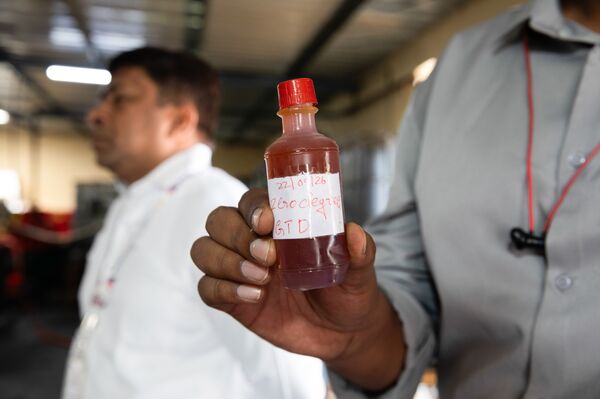
该油品进入一套文件记录链条,旨在确立一件在餐厅地下室看似显而易见、但等到抵达炼油厂时可能变得模糊不清的事实:这油确实是用过的。
The oil enters a chain of documentation intended to establish something that seems fairly obvious in a restaurant basement but can grow hazier by the time it reaches the refinery: the oil really is used.
这种区别可能意味着金钱。在欧盟自身的可持续航空燃料(SAF)强制令即将出台之际,去年废弃食用油的价格一度超过原生油,出现了一种罕见的倒挂现象。欧洲生物柴油行业团体质疑,来自亚洲生产商的部分货物是否含有以厨余油冒充的新鲜植物油。亚洲生产商否认了这些指控,同时呼吁建立更严格的可追溯标准。
That distinction can be worth money. In the run-up to the European Union’s own SAF mandate last year, used cooking oil sometimes fetched more than virgin oil, an odd inversion. European biodiesel industry groups questioned whether some shipments from Asian producers contained fresh vegetable oil passed off as kitchen leftovers. Asian producers disputed the allegations while calling for more stringent traceability standards.
德勤的萨赫表示,在印度碎片化的市场中,如果没有政府和行业的协同行动,追踪废油十分困难。
dia’s fragmented market, tracing the oil is difficult without coordinated action by government and industry, Deloitte’s Sah said.
目前,收集者只能记录他们能掌握的信息,而更多买家正在竞争收购他们收集的废油。根据政府发布的文件,国有巨头印度斯坦石油公司和印度石油公司在本月截止的招标中共寻求采购8.3万吨废弃食用油,这增加了印度石油公司今年早些时候发布的一个规模较小的废弃食用油招标。根据阿格斯传媒的数据,今年以来亚洲海运废弃食用油的基准价格在5月创下纪录后,已上涨约10%,该机构预计“未来十年将稳步上涨”。
For now, collectors document what they can while more buyers compete for what they gather. State majors Hindustan Petroleum and Bharat Petroleum sought a combined 83,000 tons of used cooking oil in tenders that close this month, adding to a smaller UCO tender from Indian Oil earlier in the year, according to documents posted by the government. Benchmark prices of seaborne used cooking oil from Asia have risen about 10% this year after hitting a record in May, according to data from Argus Media, which expects “a steady incline over the next decade.”
傍晚时分,在班加罗尔,这两名男子的三轮车装满了约20桶废油。他们驶向M11仓库,该仓库每天接收约4吨废油。
By evening in Bengaluru, the two men’s rickshaw is heaving with about 20 containers of oil. They head for the M11 depot, which receives about four tons a day.
随后,这些废油将经过处理和提炼。部分将经由鹿特丹运往德国;部分将运往得克萨斯州和加利福尼亚州的港口。越来越多的原料将先运往印度西海岸的帕杜比德里和东海岸的帕拉迪普,最终供应从德里、孟买等主要枢纽起飞的飞机。
Later, the oil will be treated and refined. Some will travel to Germany by way of Rotterdam; some to ports in Texas and California. Increasingly, more of the feedstock will head to Padubidri on India’s west coast and Paradip on the east, before eventually reaching aircraft departing Delhi, Mumbai and other major hubs.
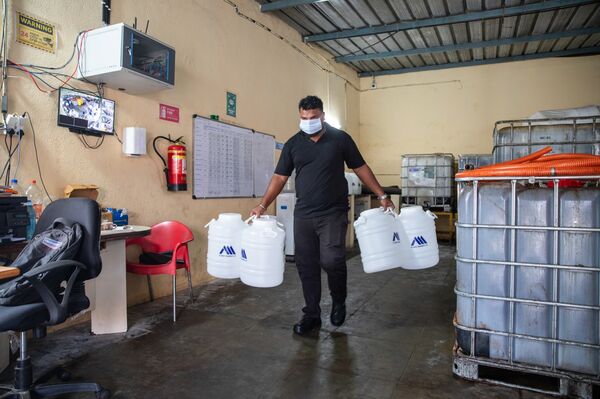
回到仓库,废油猎人们将他们的收集量与白板上的月度目标进行对比。明天,将有更多加仑废油等待收集,也将有更多买家等待供货。
Back at the depot, the grease hunters compare their tally with the month’s target on the whiteboard. Tomorrow, there will be more gallons to gather, and more buyers to satisfy.