几代人以来,该行业一直由少数几家大型“主承包商”主导,例如BAE系统公司,它们专门从事相对少量先进战斗机、坦克和军舰的缓慢且极其昂贵的生产,这些装备的设计使用寿命长达数十年。
For generations, the sector has been dominated by a handful of large “prime contractors”, such as BAE Systems, which specialise in the slow and hugely expensive production of a relative handful of advanced jet fighters, tanks and warships, designed to stay in service for decades.
但乌克兰战争带来的教训是,对于那些能够迅速大量生产更小、更廉价的系统(如无人机)、然后不断改进和重新设计、每隔几个月就推出更新更好型号的国家来说,这样做有着日益增多且至关重要的优势。这需要大量中小企业,它们能够通过运用人工智能,以尽可能快的速度和尽可能低的成本制造不断变化的各类零部件,从而竞争成为最具创新性和最高效的企业。
But the lesson from Ukraine is that there are increasing – and critical – advantages for countries that can speedily produce an abundance of smaller and cheaper systems, such as drones, then constantly improve and redesign them, and turn out new and better models every few months. This requires a multitude of small and medium-sized enterprises that can compete to be the most innovative and efficient by deploying AI to make an ever-changing array of components as quickly and cheaply as possible.
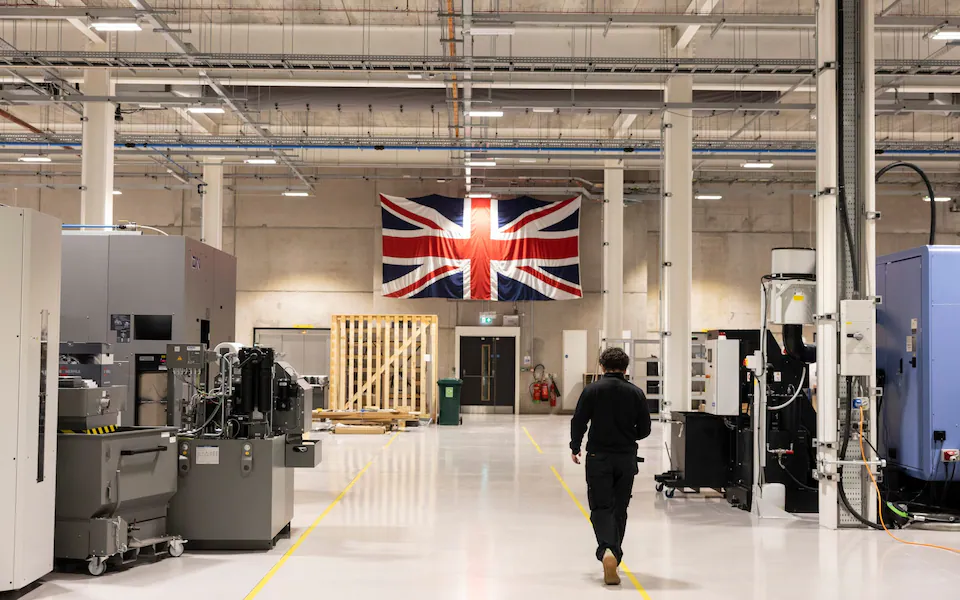
伊森巴德已经在这样做了。企业发送所需零部件的3D设计图,伊森巴德则按照这些设计进行制造。菲茨杰拉德说:“我们自主开发软件和人工智能,使工厂的建设和运营变得非常高效。”
Isembard is already doing exactly that. Companies send 3D designs for the parts they need, and Isembard manufactures them according to those designs. “We build our own software and AI to make setting up our factories and running our factories really efficient,” says Fitzgerald.
目前,制造业约95%的零部件由中小型企业生产。一个非同寻常的事实是,英国这些企业主的平均年龄为65岁——而且不少于40%的人计划在五年内退休。
At present, about 95 per cent of components for manufacturing are produced by small and medium-scale businesses. It is an extraordinary fact that the average age of the owners of these companies in the UK is 65 – and that no less than 40 per cent of them plan to retire within five years.
恰在欧洲重新武装之际——包括英国在内的所有北约国家承诺到2035年将至少3.5%的GDP用于国防——新零部件的供应链却在萎缩。
At the exact moment when Europe is rearming – with all Nato countries, including Britain, pledging to spend at least 3.5 per cent of GDP on defence by 2035– the supply chain for new components is contracting.