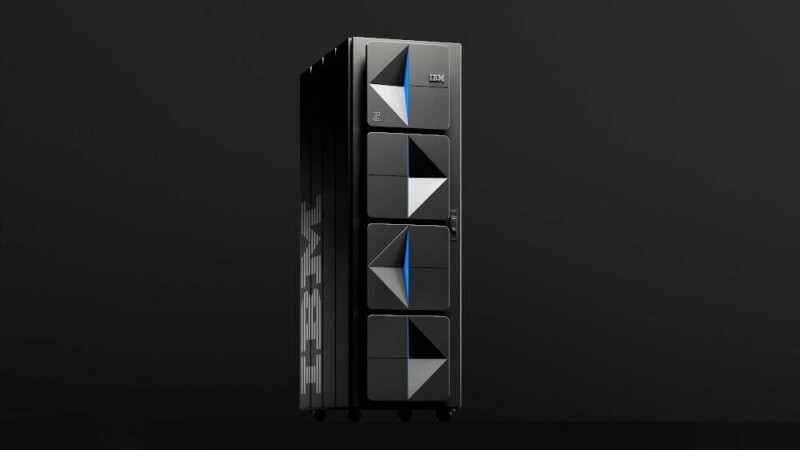
IBM 将其 Z 系列大型机誉为某些工作负载最可靠、最具成本效益的环境,但周一也承认,该平台可能逐渐演变为难以管理的复杂性,从而降低韧性,因此需要 AI 提供一些帮助。IBM 在一份针对即将推出的产品“IBM Z Atlas”的《方向声明》中承认,并非所有大型机环境都处于完美状态。该文件将这款产品描述为“一种 AI 原生解决方案,利用系统智能将 AI 技能和代理置于关键工作流的上下文中,例如规划和验证变更,或现代化应用和基础设施。”
IBM touts its Z series mainframes as the most reliable and cost-effective environments for certain workloads, but on Monday also acknowledged that the platform can drift towards hard-to-manage complexity that reduces resilience and therefore needs some help from AI. Big Blue admitted that not all mainframe estates exist in a state of perfect bliss in a Statement of Direction for a forthcoming product called “IBM Z Atlas” that the document describes as “an AI-native solution that uses system intelligence to ground AI skills and agents in the context of key workflows like planning and validating changes or modernizing applications and infrastructure.”
“它打算映射客户跨越基础设施、中间件和应用程序的整个 z/OS 堆栈,然后利用这种系统智能来减少补丁管理、监管响应以及在从系统程序员到应用程序开发人员的每个团队之间共享知识等任务的人工工作量。”IBM 还希望该工具能帮助大型机技术人员和运维团队“更好地理解各组件如何连接、交互以及相互依赖。”《方向声明》补充道:“IBM Z Atlas 打算通过映射变更如何影响 z/OS 堆栈、对其进行测试并验证,来消除 z/OS 计划外停机的主要原因——未经证实安全的变更。”
“It intends to map a client's entire z/OS stack across infrastructure, middleware, and applications, and then use that system intelligence to reduce the manual effort of tasks like patch management, regulatory response, and sharing knowledge across every team, from systems programmers to application developers.”Big Blue also hopes the tool helps mainframe techs and ops teams “better understand how components connect, interact, and depend on one another.”“IBM Z Atlas intends to eliminate the leading cause of unplanned z/OS outages – changes that aren't proven to be safe – by mapping how a change impacts the z/OS stack, testing it, and validating it,” the Statement of Direction adds.
“这种设计将专家置于掌控之中,让运营或开发领域的每一位从业者都能获得相同的Z系统共享可见性,从而降低风险,加速客户的现代化进程。”IBM认为,Z Atlas将帮助大型机用户完成四件事:在做出决策或发起变更之前理解系统及其依赖关系;评估潜在影响、风险和运营考量;加速现代化、部署和资源配置的规划;为AI原生体验和自动化提供可信的上下文。
“This design accelerates clients' modernization efforts by keeping experts in control and giving every practitioner, in operations or development, the same shared Z system visibility to reduce risk.”IBM reckons Z Atlas will help mainframe shops do four things: Understand systems and dependencies before making decisions or initiating changes Assess potential impacts, risks, and operational considerations Accelerate planning for modernization, deployment, and provisioning Provide trusted context for AI-native experiences and automation While IBM clearly sees AI has a role in helping its customers to manage mainframes, it appears not to be going all-in on AIOps – the emerging practice of allowing agents to either keep tech infrastructure humming, or autonomously find issues and develop proposed fixes.
尽管IBM显然认为AI在帮助客户管理大型机方面可以发挥作用,但它似乎并未全力投入AIOps——这一新兴实践允许智能体要么维持技术基础设施平稳运行,要么自主发现问题并提出修复方案。该方向声明写道:“IBM的意图是,让AI辅助的洞察和建议保留适当的人工审查和决策权。”文中多次提到“现代化”引起了本刊记者的注意,因为IBM的众多竞争对手常常建议,实现大型机现代化的最佳方式是将其淘汰,并把它们运行的应用程序迁移到其他平台。
“IBM intends for AI-assisted insights and recommendations to preserve appropriate human review and decision authority,” the Statement of Direction reads. The multiple mentions of modernization caught your correspondent’s eye, because IBM’s many rivals often suggest the best way to modernize mainframes is by trashing them and moving the applications they run to another platform.
近年来,供应商们建议使用生成式AI将大型机应用改写为其他语言,而分析公司Gartner认为这一想法被严重高估。IBM显然希望“现代化”意味着让大型机更易于共存,从而使客户继续留在该平台上——这是一个关键结果,因为每当新一代Z系列机器上市时,公司的收入就会激增。事实上,IBM首席执行官阿尔温德·克里希纳上周表示,当前的Z17代大型机比其他所有代际的销量高出10亿美元。
In recent years, vendors have suggested using generative AI to rewrite mainframe apps in other languages, an idea that analyst firm Gartner thinks is highly overrated. IBM clearly wants modernization to mean making mainframes easier to live with so that customers persist with the platform, a critical outcome as the company’s revenue spikes when each new generation of Z-series machines hits the market. Indeed, IBM CEO Arvind Krishna last week said the current Z17 generation of mainframes has outsold all others by $1 billion.
这样的成绩实实在在地终结了“大型机已死”的叙事——这个预测就像“明年将是Linux桌面之年”一样,从未消失,也从未成真。
That kind of result well and truly puts to bed the “death of the mainframe” narrative that, like next year becoming the Year of Linux on the Desktop, is a prediction that never goes away and never comes to fruition.
凭借Z Atlas,IBM似乎正试图确保有关大型机消亡的传言被更加夸张地证明为假。®
With Z Atlas, IBM seems to be trying to ensure rumors of the mainframe’s demise are even more exaggeratedly false. ®