中国多所高校即将开始以数字人民币发放工资,标志着北京在推广国家支持的数字货币、并将其更深度融入国家金融体系方面的最新举措。
Several Chinese universities will soon begin paying salaries in digital yuan, marking Beijing’s latest push to broaden adoption of the state-backed currency and integrate it more deeply into the country’s financial system.
中国东部经济大省江苏省的多所高校财务处在其官方网站发布公告称,将从11月起以数字人民币(即e-CNY)发放工资。她们引用了省财政厅的初步指示。
The finance departments of several universities in Jiangsu province, an economic powerhouse in eastern China, announced on their official websites that they would pay salaries in digital yuan, known as e-CNY, from November. They cited preliminary instructions from the provincial finance department.
其中,南通大学在周五发布的通知中表示,受影响的教职工应根据现有工资账户情况,于本周五前开立或升级其数字人民币钱包。
Among them, Nantong University said in a notice issued on Friday that affected employees should open or upgrade their e-CNY wallets by this Friday, depending on their existing salary accounts.
江苏师范大学在同一天发布了类似通知,称此举符合扩大数字人民币试点的国家指令,将简化工资发放流程并保障资金安全。
Jiangsu Normal University issued a similar notice on the same day, saying the move aligned with national directives on expanding digital yuan trials and would streamline salary payments and safeguard the security of funds.
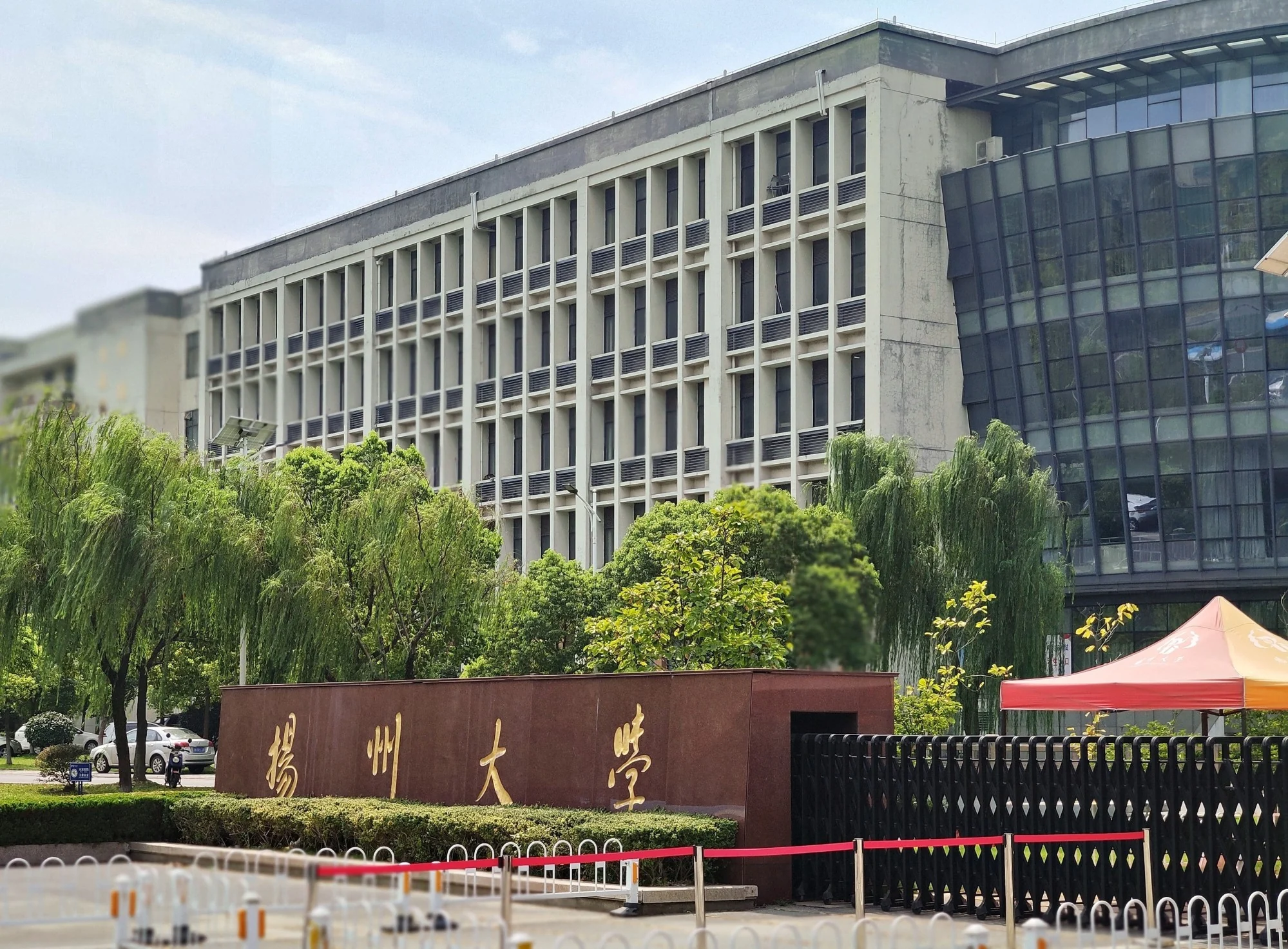
扬州大学也于10月20日宣布了以e-CNY发放工资的计划,要求受影响的教职工于上周五前开立或升级钱包。
Yangzhou University also announced plans on October 20 to pay salaries in e-CNY, requiring affected staff to open or upgrade their wallets by last Friday.
北京一直在推广数字人民币,以实现国内支付系统现代化、拓展该货币在跨境交易中的使用,并推进人民币国际化的更宏大目标、减少对美元主导的金融基础设施的依赖。
Beijing has been promoting the digital yuan to modernise its domestic payment system, expand the currency’s use in cross-border transactions and advance a broader ambition to internationalise the yuan and reduce reliance on US dollar-dominated financial infrastructure.
中国于2019年底启动数字人民币试点项目,成为最早大规模测试央行数字货币的主要经济体之一。此后,其应用场景已从零售支付和工资发放扩展至政务服务、企业结算和跨境交易。
The country began pilot projects with the digital yuan in late 2019, becoming one of the first major economies to test a central bank digital currency on a large scale. Its applications since then have expanded from retail payments and salary disbursements to government services, corporate settlements and cross-border transactions.
然而,零售消费者的采用速度相对较慢,因为中国用户已习惯使用支付宝和微信支付等成熟支付平台,这给北京推动更广泛使用带来了挑战。
However, adoption among retail consumers has been relatively slow, as Chinese users are already accustomed to established payment platforms such as Alipay and WeChat Pay, leaving Beijing with the challenge of encouraging wider use.
支付宝由阿里巴巴集团关联公司蚂蚁集团运营,阿里巴巴集团持有《南华早报》。微信支付由腾讯控股运营。
Alipay is operated by Ant Group, an affiliate of Alibaba Group Holding, which owns the South China Morning Post. WeChat Pay is operated by Tencent Holdings.
周三,中国央行前副行长朱民在中共机关报《人民日报》发表的文章中表示,人民币更广泛的使用将支持中国的高质量增长,同时提供一种替代选择,有助于在日益加剧的地缘政治风险中稳定国际金融体系。
On Wednesday, former Chinese central bank deputy governor Zhu Min said in an article published in the Communist Party mouthpiece People’s Daily that wider use of the yuan would support China’s high-quality growth while offering an alternative that could help stabilise the international financial system amid intensifying geopolitical risks.
8月,包括平安银行、上海银行和杭州银行在内的八家银行加入了数字人民币网络。
In August, eight banks, including Ping An Bank, Bank of Shanghai and Bank of Hangzhou, joined the e-CNY network.
6月,26家中外金融机构加入了一个跨境数字人民币结算平台,覆盖泰国、卡塔尔和巴西等市场。
In June, 26 Chinese and overseas financial institutions joined a cross-border digital yuan settlement platform spanning markets including Thailand, Qatar and Brazil.
中国于1月对其数字人民币框架进行了重大改革,通过允许实名钱包余额计息并将其纳入银行存款准备金框架,将其从一种“数字现金”形式转向“数字存款货币”。
China introduced a major overhaul of its digital yuan framework in January, shifting it from a form of “digital cash” towards “digital deposit money” by allowing verified wallet balances to earn interest and bringing them under banks’ reserve requirement framework.