香港首座垃圾焚化炉因火灾突然停运,环保人士表示,这是一个严峻警示,不应过度依赖这座耗资313亿港元(约40亿美元)的设施;一名前立法会议员则敦促政府维持“垃圾零填埋”时间表不变。
The abrupt suspension of Hong Kong’s first waste incinerator after a fire is a stark warning against relying too heavily on the HK$31.3 billion (US$4 billion) plant, environmentalists have said, as a former lawmaker urges the government to keep its landfill-free timetable on track.
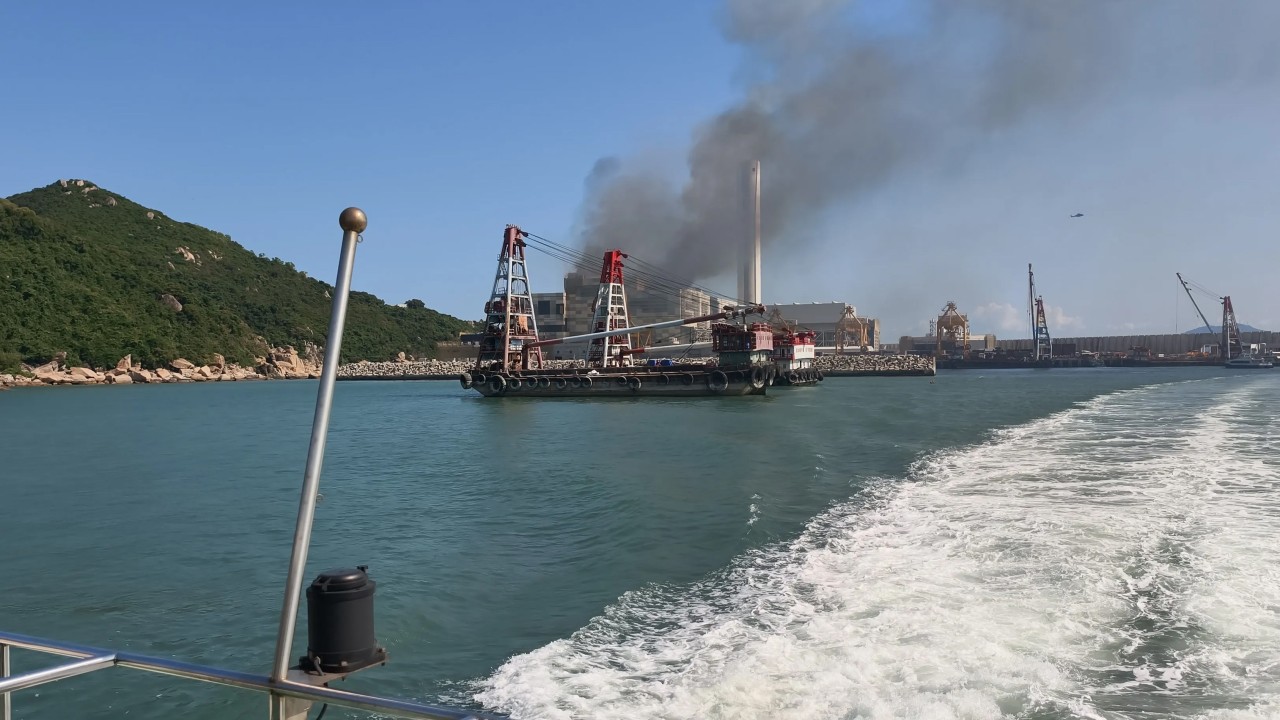
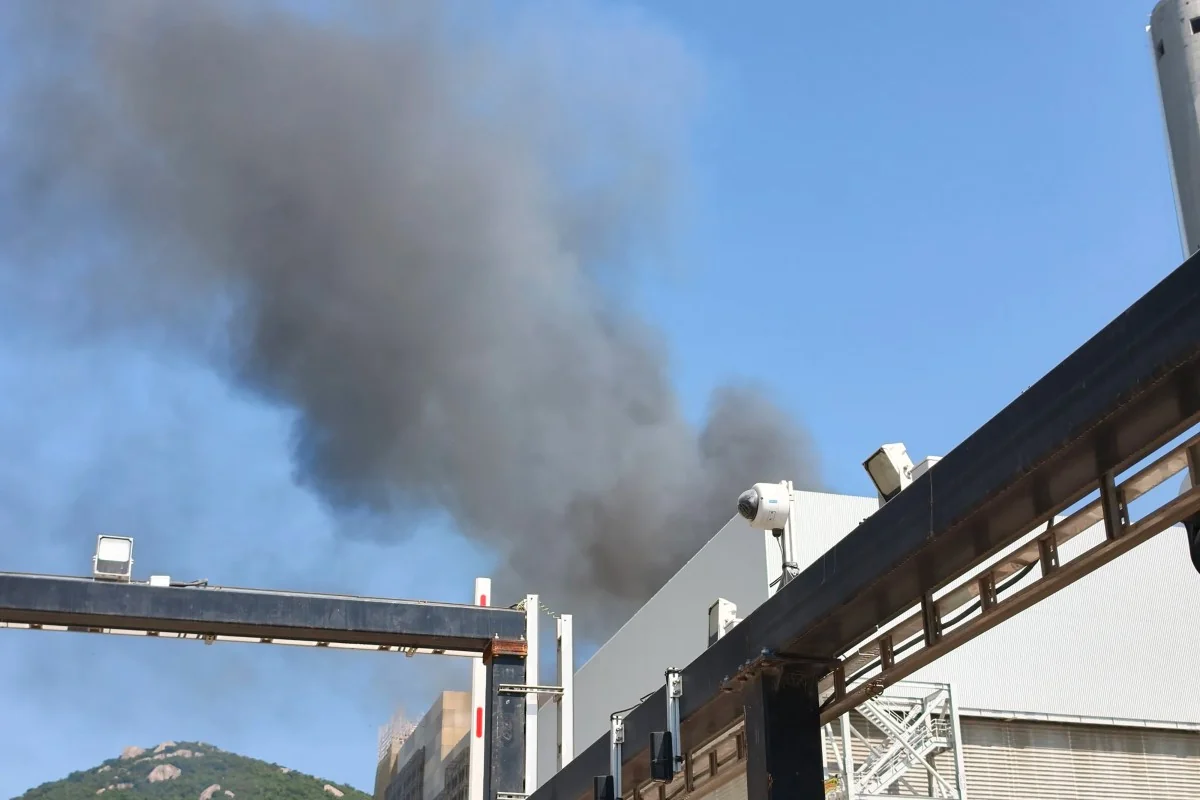
周一,位于石鼓洲附近人工岛上的“综合废物管理设施第一期”(I·PARK1)第三焚化模块屋顶发生火灾。超过900人被疏散,一名员工因身体不适送医。政府已责成承建商在七天内提交报告,调查仍在进行中。
Monday’s blaze broke out on the roof of the third incineration module at the Integrated Waste Management Facilities Phase 1, or I·PARK1, on an artificial island off Shek Kwu Chau. More than 900 people were evacuated and one staff member was taken to hospital after feeling unwell. The government has instructed the contractor to submit a report within seven days while the investigation continues.
设施已暂停运作,当局延长了新界西堆填区扩展部的运作时间,以维持城市的废物处理运作。
The facility has suspended operations, while authorities have extended operating hours at the West New Territories Landfill extension to maintain the city’s waste-management operations.
环境保护署助理署长胡敬恩周二表示,火灾疑因建筑材料着火引起,并指焚化炉事发时运作正常。
Theresa Wu King-yan, assistant director of the Environmental Protection Department, said on Tuesday that the fire was suspected to have been caused by construction materials catching fire, adding that the incinerator had been operating normally at the time.
环保团体“绿惜地球”创始人刘志锋表示,政府不应过度依赖焚化处理城市垃圾,呼吁推出更强有力的政策、建设配套设施和开展公众教育,以推动避免产生废物和源头减废。
Edwin Lau Che-feng, founder of environmental group Green Earth, said the government should not rely too heavily on incineration to manage the city’s waste, calling for stronger policies, infrastructure and public education to promote waste avoidance and reduction.
他说:“如果认为只要多建焚化炉就能解决城市垃圾问题,那就错了。”
“If one thinks it would be fine to just build more incinerators to solve the problem of urban waste, it would be wrong,” he said.
他补充道:“任何技术方案都可能面临技术问题……一个技术故障或事故可能立即引发废物管理危机。”他指出,原本应被焚化的垃圾现在必须送往堆填区。
“Any technical solution could face technical problems … a technical problem or an accident could immediately trigger a crisis in waste management,” he added, noting that waste which would otherwise have been incinerated would now have to be sent to landfill.
该设施耗资313亿港元,历时逾七年建设,于2025年12月开始试运行,并于今年底全面投入运作。
Costing HK$31.3 billion and taking more than seven years to build, the facility began trial operations in December 2025 and became fully operational by the end of this year.
I·PARK1 每天可处理多达 3,000 吨城市固体废物,是政府到 2035 年逐步摆脱对堆填区依赖计划的一部分。
Capable of processing up to 3,000 tonnes of municipal solid waste a day, I·PARK1 forms part of the government’s plan to phase out reliance on landfills by 2035.
根据 2026 年财政预算案,政府预计该厂今年将接收 91 万吨城市固体废物,日均约 2,500 吨 —— 超过其产能的 80%。
According to the 2026 budget, the government expected the plant to receive 910,000 tonnes of municipal solid waste this year, averaging about 2,500 tonnes a day – more than 80 per cent of its capacity.
相比之下,根据普查统计处的数据,2024 年香港每天平均在堆填区弃置超过 15,600 吨固体废物。
By contrast, Hong Kong disposed of an average of more than 15,600 tonnes of solid waste at landfills each day in 2024, according to the Census and Statistics Department.
刘先生表示,虽然焚烧减少了送往堆填区的废物体积,但产生的炉底灰有毒,需要特殊处理。
Lau said that although incineration reduced the volume of waste sent to landfill, the resulting bottom ash was toxic and required special treatment.
他补充说,如果这类有毒元素释放到空气中,可能对附近居民健康构成风险。
If such toxic elements were released into the air, they could pose health risks to nearby residents, he added.
“我们应投入更多力气提升公众的环保意识、习惯和日常行为。这才是以低成本、低失败风险真正发挥减废最大效益的方法。试想:我们无需耗资巨款,亦毋须担心毒素或技术故障。” 绿色和平香港分会亦表达了这一担忧,认为废物转能源并非真正可持续的废物管理方案。
“We should invest more effort in raising the public’s environmental awareness, habits and everyday behaviour. That is truly how we maximise the benefits of waste reduction at low cost and with low failure risk. Think about it: we do not have to spend a fortune, nor worry about toxins or technical failures.”Greenpeace Hong Kong shared that concern, dismissing waste-to-energy conversion as a genuinely sustainable approach to waste management.
“政府应审慎运用公帑,以减废和循环再造为政策优先。” 该组织在社交媒体帖文中表示。
“The government should spend public funds prudently, making waste reduction and reuse its policy priorities,” it said in a social media post.
城市大学能源及环境学院助理教授 Sai Kishore Ravi 肯定减废的重要性,但表示废物转能源技术对于处理无法回收的废物仍然重要。
While acknowledging the importance of waste reduction, Sai Kishore Ravi, an assistant professor at City University’s School of Energy and Environment, said waste-to-energy technologies remained important for handling waste that could not be recycled.
他说,这宗事故给香港的废物管理系统带来了韧性挑战,因为废物仍须有去处。
He said the incident had created a resilience challenge for Hong Kong’s waste-management system, as the waste still had to go somewhere.
“因此,一个强健的废物管理系统需要灵活性和替代处理路径。拥有多个设施和处理技术为香港整体废物管理生态系统做出贡献,也能增强韧性,”拉维说。
“A robust waste-management system therefore needs flexibility and alternative treatment routes. Resilience also benefits from having multiple facilities and treatment technologies contributing to the overall waste-management ecosystem in Hong Kong,” Ravi said.
他敦促当局实现城市废物转化技术多元化,包括生物、热力和太阳能驱动方法,将城市垃圾转化为能源或高价值化学品。
He urged authorities to diversify the city’s waste-conversion technologies, including biological, thermal and solar-driven methods to turn urban refuse into energy or high-value chemicals.
拉维还强调了妥善管理现有设施的重要性,指出焚烧仍是处理大量垃圾的一项成熟技术。
Ravi also stressed the importance of managing existing facilities well, noting that incineration remained a well-established technology for handling large volumes of refuse.
“从环境角度来看,在任何火灾期间监测烟雾和潜在排放物很重要,”他说。
“From an environmental perspective, monitoring smoke and potential emissions during any fire is important,” he said.
“总的来说,废能设施的安全运行依赖于对燃烧过程的精心控制、持续监测、异常状况早期探测、火灾探测和灭火系统、设备检查维护,以及经过充分演练的应急程序。”前立法会议员田北辰则对香港废物管理策略的长远影响表示担忧。
“In general, safe operation of waste-to-energy facilities relies on careful control of the combustion process, continuous monitoring, early detection of abnormal conditions, fire detection and suppression systems, equipment inspection and maintenance, and well-practised emergency procedures.”Former lawmaker Michael Tien Puk-sun, meanwhile, expressed concern over the long-term impact on Hong Kong’s waste-management strategy.
“香港肯定需要焚烧炉——不仅是I·PARK1,还有I·PARK2。如果我们连第一个都搞不好,就得忘掉I·PARK2吧。它们合起来每天处理[近]1万吨城市固体废物。香港永远无法减少那么多垃圾,因为总会有不可回收材料,”他说。
“Hong Kong definitely needs incinerators – not just I·PARK1 but also I·PARK2. If we cannot get the first one right, we need to forget about I·PARK2. Together, they handle [almost] 10,000 tonnes of municipal solid waste [each day]. Hong Kong will never be able to reduce that much waste, as there are always non-recyclable materials,” he said.
“我们必须让它运转起来,而且它们必须按时投入运营;否则,我们的堆填区将面临极大压力……政府应尽快交代事件经过,以消除公众担忧。”《南华早报》已联络环境保护署置评。
“We must make it work, and they must be operational on time; otherwise, our landfills will face extreme pressure … The government should provide an account of the incident as soon as possible to ease public concerns.”The South China Morning Post has reached out to the Environmental Protection Department for comment.