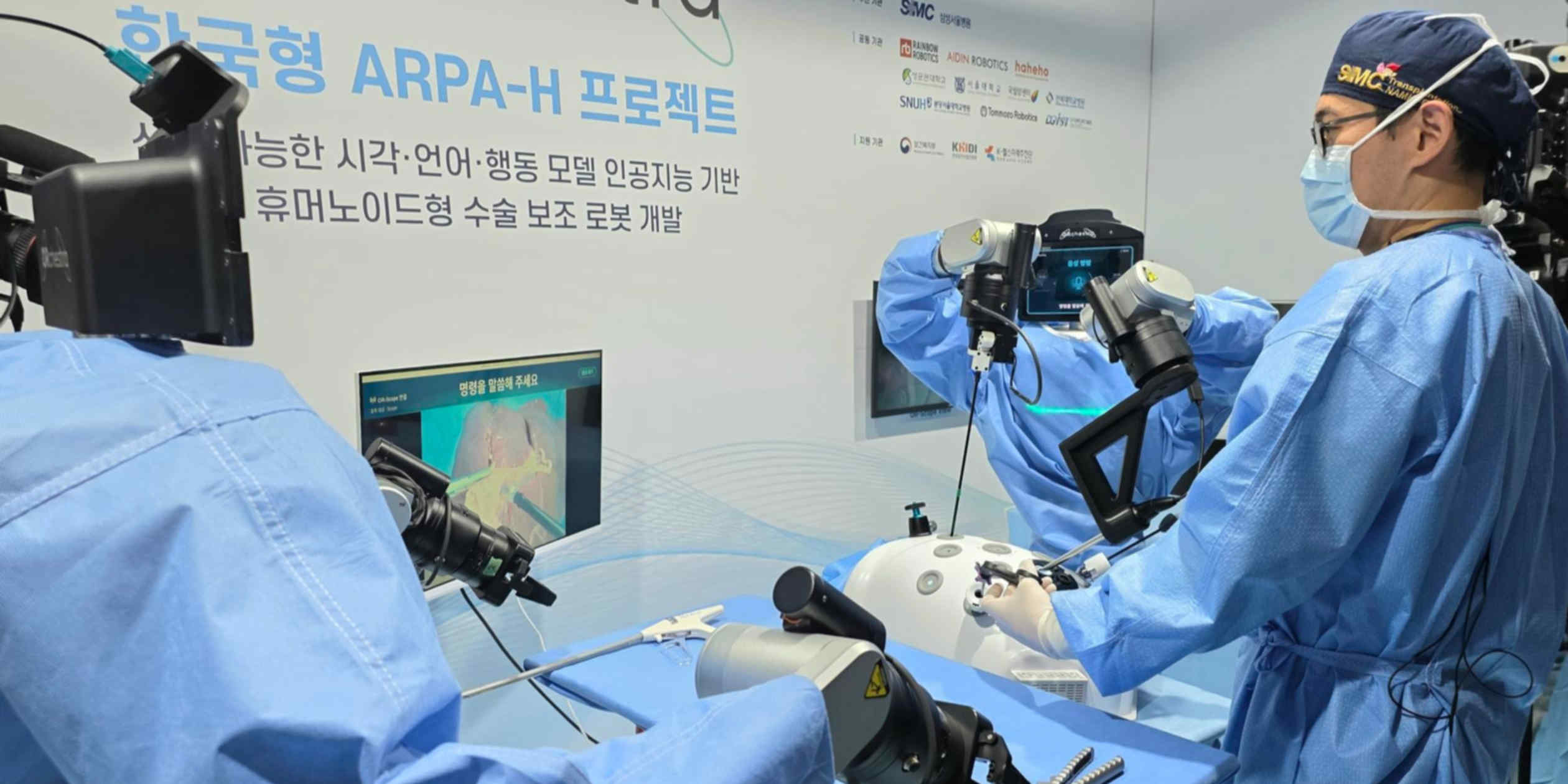
首尔 —— “手术刀,”外科医生说道。但递上手术器械的不是随时待命的护士,而是一个机器人。
SEOUL -- "Scalpel," says the surgeon. But instead of a nurse standing ready with the surgical instrument, it is a robot.
韩国三星医疗中心正致力于让由人工智能驱动的人形机器人协助手术,该国医院长期面临人手短缺的困境。
South Korea's Samsung Medical Center is moving toward having artificial-intelligence-powered humanoid robots help with surgeries in a country where hospitals suffer from chronic understaffing.
位于首尔的该医院于今年9月在模拟手术环境中,首次公开演示了其人形手术助手机器人。
The facility in Seoul held its first public demonstration of its humanoid surgical assistant robots in a simulated surgical environment this September.
一台机器人将器械递给外科医生并放回原位,另一台则持握内窥镜并牵开组织。它们在两秒内响应外科医生的指令。
One robot handed instruments to a surgeon and put them back in place, while another held an endoscope and retracted tissue. They responded to commands from the surgeon within two seconds.
据三星医疗中心介绍,该机器人能听懂韩语和英语的自然语言,并能实时追踪手术器械的类型和位置,沿最优路径移动器械。它成功识别并执行语音指令的准确率达95%。
The robot can understand natural language in Korean and English, as well as track the type and position of surgical instruments in real time to move them along the optimal path. It successfully recognizes and carries out voice commands 95% of the time, according to Samsung Medical Center.
该机器人旨在协助切开和缝合等手术操作,这些环节一旦出错便可能危及生命。当指令模棱两可时,它会在行动前向医生寻求确认。它还配有急停按钮,一旦按下,机器人会后退且关节松弛。
The robot is designed to assist with such procedures as incisions and suturing, where mistakes can threaten lives. When commands are ambiguous, it will seek confirmation from the doctor before acting. It also has an emergency stop button that, if pressed, causes the robot to move back and its joints to go slack.
该手术机器人的研发始于2025年,由大学、国家癌症中心以及三星电子子公司Rainbow Robotics共同合作开展。该项目入选一项为期约五年的政府医疗计划,获得总额138亿韩元(约合1040万美元)资助。
Development of the surgical began in 2025 as a joint effort involving Rainbow Robotics, a Samsung Electronics subsidiary. (Samsung Medical Center) Development began in 2025 as a joint effort involving universities; the National Cancer Center; and Rainbow Robotics, a Samsung Electronics subsidiary. The project was selected for a roughly five-year government medical initiative, receiving a total of 13.8 billion won ($10.4 million) in funding.
韩国医疗机构正面临严重的劳动力短缺,农村地区和夜间尤为突出。三星医疗中心于6月成立了AI转型专项任务组,正加紧开发节省人力的措施。
South Korean medical facilities are grappling with severe labor shortages, particularly in rural areas and at night. Samsung Medical Center launched an AI transformation task force in June as it rushes to develop labor-saving measures.
韩国在采用物理人工智能医疗机器人方面落后于美国和中国。该行业的主力产品是美国直觉外科公司的达芬奇系统。三星医疗中心使用的正是达芬奇系统,该中心称截至10月初已利用该系统完成1500例胃癌手术。
The country lags behind the U.S. and China in adopting medical robots that use physical AI. The industry mainstay is the da Vinci system from U.S.-based Intuitive Surgical. Samsung Medical Center uses the da Vinci system, with which says it performed 1,500 gastric cancer procedures by early October.
但该机构认为,达芬奇系统是由外科医生操作的专业工具。相比之下,该中心表示,其人形机器人的目的是让“多个人形机器人共享手术情境,并作为单一团队与人类协同工作”,而非改进特定任务。
But the facility considers that system a specialized tool operated by a surgeon. By contrast, it says the purpose of its humanoids is to have "multiple humanoid robots share the surgical context and work together with people as a single team," rather than to improve on specific tasks.
未来,三星医疗中心设想这些机器人能够学习特定外科医生的手术操作方式和器械处理方法,从而提供个性化支持。
In the future, Samsung Medical Center envisions the robots learning how specific surgeons perform procedures and handle instruments to provide individualized support.
开发者的目标是在2029年让这些机器人投入实际使用。计划是让它们先从耳鼻喉科手术和神经外科的内窥镜任务开始,之后再启动胆囊切除或垂体瘤切除的临床试验。
The developers aim to have the robots ready for actual use in 2029. The plan is to have them start with endoscopy tasks in ear, nose and throat procedures and neurosurgery, before starting clinical trials for removing the gallbladder or pituitary gland tumors.
此类机器人预计将承担简单、重复性的任务,从而让医务人员腾出精力专注于关键操作和决策。它们还可以接管护士持内窥镜和传递器械等工作,使护士有更多时间观察患者。
Such robots are expected to handle simple, repetitive tasks, freeing up medical personnel to focus on critical procedures and decisions. They could also take over such tasks as holding endoscopes and handling instruments from nurses, who would then have more time to observe patients.