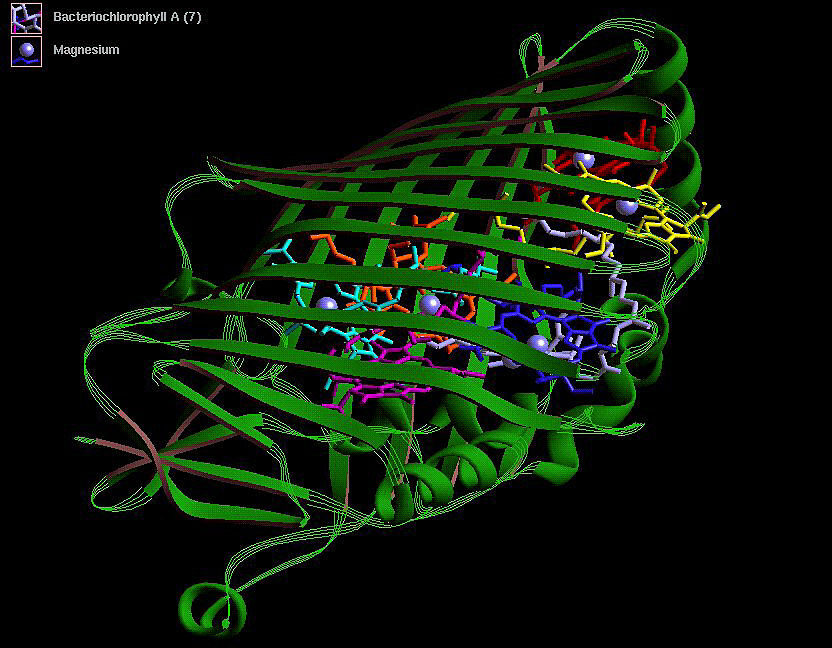
蛋白质设计工具可能日益复杂,但要让它们发挥作用,仍需要对蛋白质结构有深入的理解。这可能包括了解酶的作用机制,精确到特定氨基酸的位置,以及催化发生区域内水分子的位置。一旦指定了这些要素,工具就能围绕这一目标构建蛋白质的其余部分。
Protein design tools may be getting increasingly sophisticated, but you still need a sophisticated understanding of protein structure for them to work. This can include knowing enzyme mechanisms down to the positions of specific amino acids, as well as the water molecules that also occupy the area where catalysis takes place. Once you specify these, the tools can build the rest of a protein around this target.
然而,一个总部位于中国的大型研究合作团队决定让蛋白质设计走向大众,开发出一种能够接受自然语言提示并据此生成具有指定功能蛋白质的工具。如果以获得功能性蛋白质为成功标准,其成功率可能不高。但他们仍设法完成了任务。此外,Hugging Face 另行宣布,该平台现已托管一款在 DNA 层面实现类似功能的工具。
A large collaboration of researchers based in China, however, decided to bring protein design to the masses, making a tool that can take natural language prompts and use them to produce proteins with the function you specify. If your measure for success is a working protein, then the success rate may not be great. But they still manage to get the job done. And, in a separate announcement, Hugging Face shared that it's now hosting a tool that does similar things on the DNA level.
“氛围编程”的等价物或许已来到蛋白质设计领域——前提是你拥有实验室,能从几十个失败的设计中筛选出优秀的方案。
The equivalent of vibe coding may have come to protein design—at least if you have access to a lab where you can sort the good designs from the dozens of failed ones.