
新加坡的乳腺癌研究揭示了不同种族女性之间的差异。新加坡Solis乳腺护理与手术中心的林秀冠医生表示,乳腺癌有不同的分类方式。其中一种分类描述癌症起源于乳腺的哪个部位,另一种则描述其生物学行为以及它对治疗的可能反应。
Much of what we know about breast cancer comes from studies involving Caucasian women in Western countries. But research in Singapore has found differences in certain breast cancer characteristics among Chinese, Malay and Indian women. Dr Lim Siew Kuan, senior consultant and breast surgeon at Solis Breast Care and Surgery Centre, said that breast cancer is classified in different ways. One classification describes where the cancer originates within the breast, while another describes its biological behaviour and how it is likely to respond to treatment.
例如,浸润性导管癌(IDC)起源于乳腺导管。“它约占全球浸润性乳腺癌的70%至80%”,林医生说,“这在所有族裔中都是事实,包括亚洲女性。”而HER2阳性乳腺癌则指的是一种分子亚型。HER2代表人类表皮生长因子受体2——癌细胞具有增加的HER2活性,可驱动其生长。
For example, invasive ductal carcinoma (IDC) begins in the milk ducts. “It accounts for around 70 to 80 per cent of invasive breast cancers worldwide,” said Dr Lim. “This is true across all ethnic groups, including Asian women.”HER2-positive breast cancer, on the other hand, refers to a molecular subtype, she added. HER2 stands for human epidermal growth factor receptor 2 – the cancer cells have increased HER2 activity, which can drive their growth.
附属副教授吴Samuel Ow,新加坡国立大学癌症研究所血液肿瘤科高级顾问,指出亚洲女性HER2阳性乳腺癌的比例略高,约为19%,而白人女性为14%。
Adjunct Associate Professor Samuel Ow, senior consultant at the Department of Haematology-Oncology at National University Cancer Institute, Singapore, said Asian women have a slightly higher proportion of HER2-positive breast cancer – around 19 per cent, compared with 14 per cent in Caucasian women.
“HER2曾经预后较差,”他告诉CNA Women,“好消息是我们现在有了针对HER2的靶向治疗,能特异性阻断HER2,因此HER2阳性乳腺癌可以被非常有效地治疗。”
“HER2 used to have a poor outlook,” he told CNA Women. “The good news is that we now have targeted therapy which specifically blocks HER2, and HER2-positive breast cancer can be treated very effectively.”
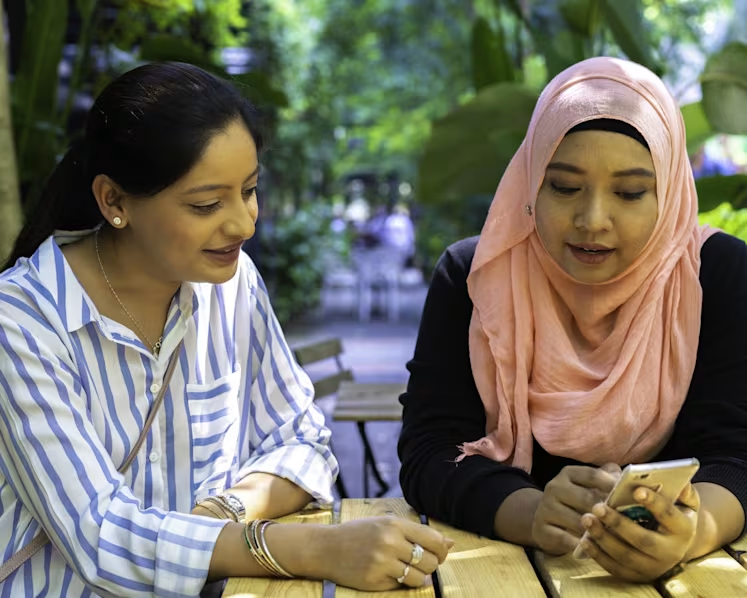
乳腺癌与种族差异林医生说,研究表明乳腺癌模式在不同人群中存在差异。新加坡的研究已发现华人、马来人和印度女性乳腺癌亚型的分布存在不同。新加坡华人、马来人和印度女性的乳腺癌模式各不相同。
BREAST CANCER AND ETHNICITY Dr Lim said research has shown that breast cancer patterns can vary between populations. Studies from Singapore have identified differences in the distribution of breast cancer subtypes among Chinese, Malay and Indian women. Breast cancer patterns vary among Chinese, Malay and Indian women in Singapore.
中国女性似乎患激素受体阳性乳腺癌的比例较高,这类癌症的生长受雌激素或孕激素等激素刺激。
Chinese women appear to have a higher proportion of hormone receptor-positive breast cancers, whose growth is stimulated by hormones such as oestrogen or progesterone.
林医生表示,马来族女性,尤其是印度族女性,似乎患三阴性乳腺癌的比例略高,这类癌症往往表现更具侵袭性,化疗通常是治疗的重要组成部分。
Malay and particularly Indian women appear to have a somewhat higher proportion of triple-negative breast cancers, which tend to behave more aggressively, and chemotherapy is commonly an important part of treatment, said Dr Lim.
“然而,治疗决策是基于个体肿瘤的特征,而非患者种族中更常见的癌症类型,”林医生补充道。
“However, treatment decisions are based on the characteristics of the individual tumour and not what type of cancer is more common in a patient’s ethnicity,” Dr Lim added.
林医生指出,某些乳腺癌特征,如确诊年龄、乳腺密度和肿瘤亚型分布,在不同人群间可能存在差异。不过,诊断和治疗该疾病采用的是相同的国际公认方法。
Dr Lim said certain breast cancer characteristics, such as age at diagnosis, breast density and the distribution of tumour subtypes, may vary between populations. However, the same internationally accepted methods are used to diagnose and treat the disease.
她解释说:“这些本地模式对研究、筛查和医疗规划很重要,但它们并不意味着新加坡的乳腺癌是一种不同的疾病。”
“These local patterns are important for research, screening and healthcare planning, but they do not make breast cancer in Singapore a different disease,” she explained.
种族只是因素之一 林医生表示,乳腺癌风险和肿瘤生物学特性受多种因素影响——不仅仅是种族。这些因素包括遗传、生育史、生活方式和环境影响。即使在亚洲内部,不同人群之间也存在相当大的差异。
ETHNICITY IS JUST ONE FACTOR Dr Lim said that breast cancer risk and tumour biology are influenced by many factors – not just ethnicity. These include genetics, reproductive history, lifestyle and environmental influences. Even within Asia, there is considerable variation between populations.
她说:“新加坡因其多元种族人口,为我们研究这一点提供了有趣的机会。我们确实观察到不同种族群体在乳腺癌特征和预后方面存在差异,但仅凭种族无法预测乳腺癌的行为表现。”除了种族,遗传、生育史、生活方式和环境因素也会影响乳腺癌风险。
“Singapore gives us an interesting opportunity to study this because of our multi-ethnic population,” she said. “We do see differences in breast cancer characteristics and outcomes between ethnic groups, but ethnicity alone cannot predict how a breast cancer will behave.”Besides ethnicity, genetics, reproductive history, lifestyle and environmental factors can influence breast cancer risk.
她补充说,最重要的信息来自对肿瘤本身的检测,以及其分级和分期,因为这些决定预后并指导治疗决策。
She added that the most important information comes from testing the tumour itself, as well as its grade and stage, as these determine prognosis and guide treatment decisions.
区欧副教授说:“种族也能反映生活方式、生育和社会文化因素的差异,这些因素可能影响求医行为,包括女性是否主动接受癌症筛查,进而影响乳腺癌确诊时的分期。”区欧副教授说,约5%至10%的乳腺癌与遗传性基因易感性有关,如BRCA1或BRCA2基因突变。他建议女性了解母亲和父亲两边家族的癌症病史。
Adjunct Assoc Prof Ow said: “Ethnicity can also reflect differences in lifestyle, childbearing and sociocultural factors, which may influence health-seeking behaviour, including whether women come forward for cancer screening, which can affect the stage at which breast cancer is diagnosed.”Around five to 10 per cent of breast cancers are linked to an inherited genetic predisposition such as BRCA1 or BRCA2, said Adjunct Assoc Prof Ow. He advised women to be familiar with the cancer history on both their mother’s and father’s sides of the family.

亚洲女性乳腺更致密 亚洲女性与西方女性的一个差异是乳腺密度,这可能影响诊断。区欧副教授解释说,致密乳腺组织和肿瘤在乳腺X光片上都呈现白色,导致癌症更难被发现。
ASIAN WOMEN HAVE DENSER BREASTS One difference between Asian and Western women is breast density, which could impact diagnosis. Adjunct Assoc Prof Ow explained that both dense breast tissue and tumours appear white on a mammogram making cancer harder to detect.
乳腺组织和肿瘤在乳腺X光片上都呈现白色,使得致密乳腺中的乳腺癌更难被检出。
Both breast tissue and tumours appear white on mammograms, making breast cancer harder to detect in dense breasts.
拥有致密乳腺也是患乳腺癌的一个风险因素。然而,区欧副教授说:“这并不意味着[亚洲女性]的总体乳腺癌风险比西方女性明显更高——乳腺密度只是决定风险的众多因素之一。”林医生说:“乳腺密度是我们在决定如何最好地评估女性乳腺时考虑的一个重要因素。”这正是可以使用3D而非2D乳腺X光摄影的地方。
Having dense breasts is also a risk factor for developing breast cancer. However, Adjunct Assoc Prof Ow said: “This does not mean [Asian women] have a markedly higher overall breast cancer risk than women in the West – breast density is only one of many factors that determine risk.”Dr Lim said that “breast density is an important factor we consider when deciding how best to assess a woman’s breasts”. This is where 3D instead of 2D mammography could be used.
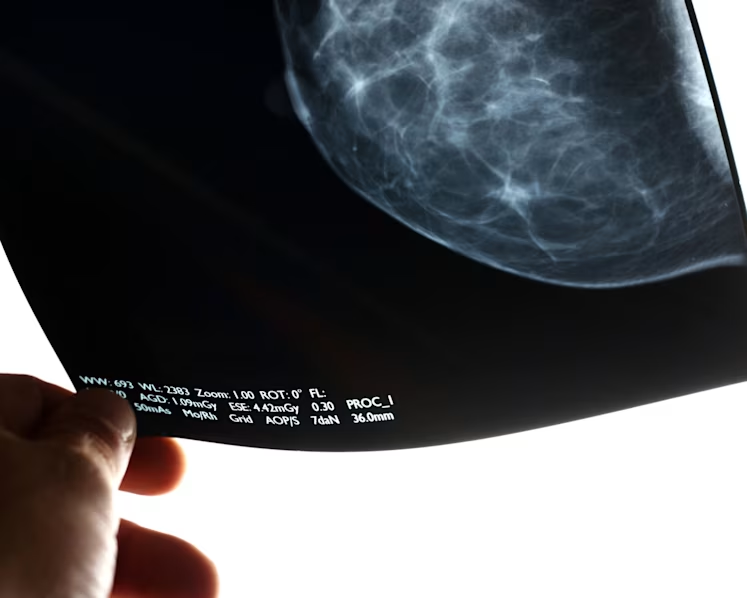
林医生说:“与传统的2D乳腺X光摄影相比,3D乳腺X光摄影使用的压迫力更小,能提供更清晰、更详细的乳腺组织视图。这可以提高乳腺癌的检出率,特别是在致密乳腺组织的女性中,在需要更详细的影像来评估乳腺问题时也可能有用。”
“Compared with conventional 2D mammography, 3D mammography uses less compression force and provides clearer, more detailed views of breast tissue,” said Dr Lim. “This can improve the detection of breast cancers, particularly in women with dense breast tissue, and may be useful when more detailed imaging is needed to assess a breast concern.”
乳腺癌与年轻女性 虽然乳腺癌仍主要是老年女性的疾病,但在新加坡,越来越多的年轻女性被确诊——六分之一未满45岁,约十分之一低于40岁。
BREAST CANCER AND YOUNGER WOMEN Although breast cancer remains primarily a disease of older women, it is increasingly being diagnosed in younger women in Singapore – one in six is under 45 and about one in 10 is below 40.
欧副教授兼副研究员表示,年轻群体中的乳腺癌反映了1950年代后出生几代人快速西化和工业化的影响,与前几代人相比,他们的乳腺癌风险有所增加。
Adjunct Assoc Prof Ow said breast cancer in a younger demographic reflects the effects of rapid Westernisation and industrialisation among generations born after the 1950s, whose breast cancer risk has increased compared with previous generations.
促成因素包括生育子女减少、生育年龄推迟、初潮年龄提前以及体重指数(BMI)较高。年轻女性的乳腺癌也更有可能更具侵袭性。
Contributing factors include having fewer children, giving birth at a later age, starting menstruation earlier and having a higher body mass index (BMI). Breast cancers in younger women are also more likely to be more aggressive.
林医生说:“与年长患者相比,年轻女性患高分级肿瘤和生物学侵袭性亚型的可能性更高,包括三阴性和HER2阳性乳腺癌。”
“Compared with older patients, younger women have a higher likelihood of developing high-grade tumours and biologically aggressive subtypes, including triple-negative and HER2-positive breast cancers,” said Dr Lim.
新加坡修订后的国家指南建议,40至49岁女性每年做一次乳腺X光检查,50岁起每两年做一次。欧副教授兼副研究员表示,对于平均风险女性,一般不建议40岁以下进行常规筛查。
Singapore’s revised national guidelines recommend that women aged 40 to 49 have a mammogram every year, and every two years from age 50. Routine screening is generally not recommended below 40 for women at average risk, said Adjunct Assoc Prof Ow.

今年早些时候,根据卫生部任命的专家委员会——筛查测试审查委员会的建议,乳腺X光检查的合资格年龄从50岁降至40岁。
The eligibility age for mammograms was lowered from 50 to 40 earlier this year, following recommendations by the Screening Test Review Committee, an expert committee appointed by the Ministry of Health.
根据新加坡筛查测试审查委员会于2026年2月的建议,40岁起的女性现已符合乳腺X光筛查资格。
Women from age 40 are now eligible for mammogram screening, following recommendations by Singapore’s Screening Test Review Committee in February 2026.
统计数据显示,新加坡的乳腺癌发病率在东南亚最高。欧副教授兼副研究员指出,其发病率现在与发达国家相似。
Statistics show that Singapore has the highest rate of breast cancer in Southeast Asia. Adjunct Assoc Prof Ow noted that its rates now resemble those of developed countries.
促成因素包括推迟生育、生育子女减少、预期寿命延长、BMI上升以及膳食脂肪或动物产品摄入量增加,这些都可能增加人体接触雌激素的机会,而雌激素是乳腺癌的一个风险因素。
Contributing factors include later childbearing, having fewer children, longer life expectancy, rising BMI and greater consumption of dietary fat or animal products, which can increase the body’s exposure to oestrogen, a risk factor in breast cancer.
欧副教授兼副研究员说:“但也有好消息——新加坡的五年生存率已大幅提高,从1970年代的约50%上升至如今的80%以上。”
“But there is good news, too – five-year survival in Singapore has improved dramatically, from about 50 per cent in the 1970s to more than 80 per cent today,” Adjunct Assoc Prof Ow said.
他补充道:“无论你多大年纪,持续存在的乳房肿块或变化都应该始终进行检查——乳房症状从来不会因为年纪轻就不被重视。”
“Whatever your age, a persistent breast lump or change should always be checked – you are never too young for a breast symptom to be taken seriously,” he added.
《CNA女性》是《CNA生活方式》的一个栏目,旨在为现代女性提供信息、赋能并激发灵感。如果你有与女性相关的新闻、议题和想法要与我们分享,
CNA Women is a section on CNA Lifestyle that seeks to inform, empower and inspire the modern woman. If you have women-related news, issues and ideas to share with us,