巴勒斯坦加沙地带布赖杰——新锐导演莫娜·阿布·卡斯执导的11分钟纪录片《一袋面粉》,借助她的亲身经历,探讨以色列在对加沙地带发动的种族灭绝战争中,如何利用饥饿作为武器对付巴勒斯坦人。
Al-Bureij, Gaza Strip – A Sack of Flour, an 11-minute documentary by the emerging filmmaker Mona Abu Qass, draws on her personal experience to examine Israel’s use of starvation against Palestinians in Gaza during Israel’s genocidal war on the enclave.
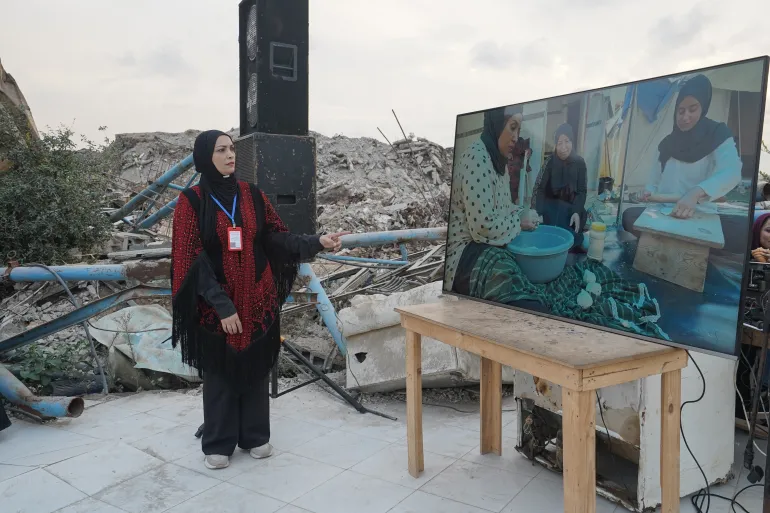
该片是周一第二届加沙国际女性电影节开幕式上放映的五部由巴勒斯坦女性执导的纪录片之一,该电影节同时也标志着加沙电影学院正式成立。
The film is one of five documentaries by Palestinian women screened Monday at the opening of the second Gaza International Women’s Film Festival, which also marked the official launch of the Gaza Cinema Academy.
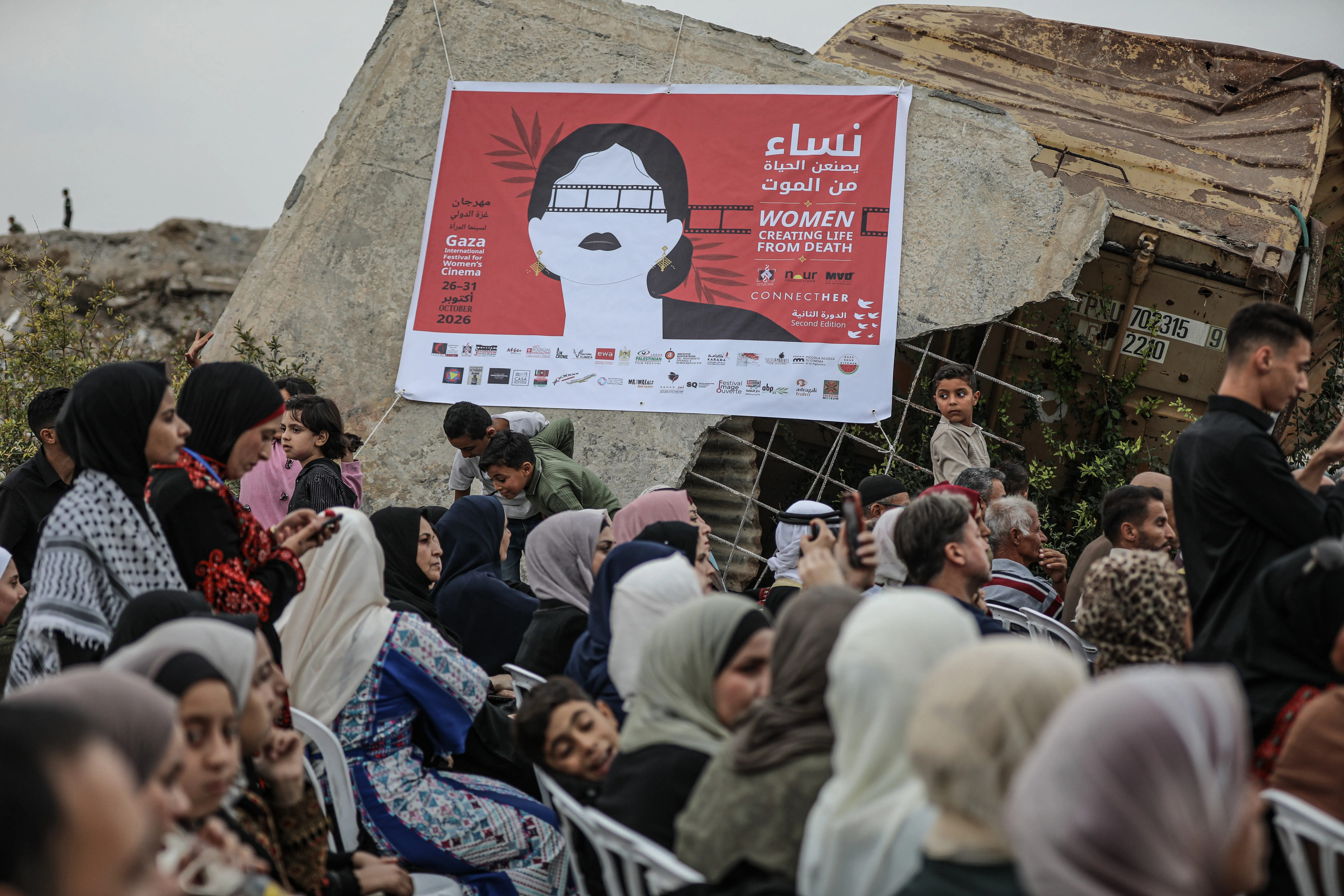
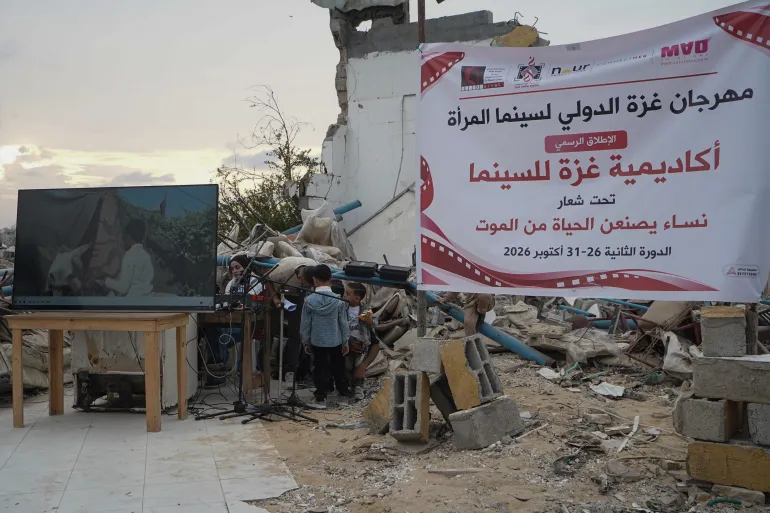
活动在加沙中部布赖杰的纳赫勒大厅遗址举行,口号为“女性从死亡中创造生命”。这座大厅已成废墟,正如加沙地带大多数建筑一样,在以色列发动战争三年后被毁,这场战争已造成74,000多名巴勒斯坦人死亡。
The event took place at the site of the al-Nakheel Hall in al-Bureij, central Gaza, under the slogan “Women Creating Life from Death”. The hall is destroyed, like the majority of buildings in Gaza, after three years of Israel’s war, which has killed more than 74,000 Palestinians.
影片记录了加沙巴勒斯坦人寻找食物的挣扎、援助分发点的危险,以及人们为获取面粉而失去生命的悲剧。
The film captures Palestinians’ struggle to find food in Gaza, the dangers at aid distribution points and the lives lost while trying to obtain flour.
通过阿布·卡斯自身的经历,《一袋面粉》探讨了饥饿的创伤如何在食物重新变得可获得后,继续影响着家庭。
Through Abu Qass’s own experiences, A Sack of Flour explores how the trauma of hunger continues to affect families even after food becomes available again.
随着以色列限制物资进入加沙并削减食物援助,导致物资短缺并引发对饥荒重演的担忧,这些经历有了新的现实意义。
Those experiences have renewed relevance as Israeli restrictions on goods entering Gaza and cuts to food assistance have caused shortages and fears of a return to famine.
“这个电影的创意源于一次个人经历和一个真实故事,”阿布·卡斯对半岛电视台说。“它记录了加沙在轰炸、毁灭、围困、饥饿和失去的重压下的日常生活。”
“The idea for the film stems from a personal experience and a true story,” Abu Qass told Al Jazeera. “It documents daily life in Gaza, weighed down by bombardment, destruction, siege, hunger, and loss.”
她补充道:“我想捕捉那些能揭示苦难、以及人们决心紧守生活的细节。我试图呈现人们亲历的现实,帮助观众理解战争对他们的关系、梦想和希望造成了什么影响。”聚焦残障人士的挣扎另一部电影《超越沉默》由新晋电影人兼记者拉格达·布海西执导,通过一位从未学会读写或通过手语交流的聋哑艺术家的故事,探讨加沙残障人士在战时面临的挣扎。他在加沙南部拉法的艺术工作室被以色列摧毁,父母和多名家庭成员遇难。
“I want to capture details that reveal suffering and people’s determination to hold on to their life,” she added. “I seek to show reality as people experience it and help viewers understand what the war has done to their relationships, dreams, and hopes.”Highlighting struggles of the disabled Another film, Beyond Silence, by emerging filmmaker and journalist Raghda al-Buhaisi, explores wartime struggles in Gaza for people with disabilities through the story of a deaf artist who never learned to read, write or communicate through sign language. His art studio in southern Gaza’s Rafah was destroyed by Israel, and his parents and several family members were killed.
在被迫流离失所至加沙中部代尔拜拉赫后,另一个家庭收留了他,并在路边为他搭建了一个简陋的工作室。他的画作反映了失去与流离失所,用色彩和线条表达语言无法诉说的痛苦。
After being displaced to Deir el-Balah in central Gaza, another family took him in and set up a modest studio by the roadside. His paintings reflect loss and displacement, expressing what words cannot through colour and line.
“我希望凸显残障人士在战争中面临的额外挑战,包括流离失所、家庭成员遇难和生计被毁,”布海西对半岛电视台说。“艺术能跨越语言与沉默的障碍,将个体的痛苦体验转化为视觉讯息,向世界传达加沙的苦难。”
“I want to highlight the additional challenges people with disabilities face during war, including displacement, family loss, and the destruction of livelihoods,” al-Buhaisi told Al Jazeera. “Art can cross barriers of language and silence, turning an individual experience of pain into a visual message that conveys Gaza’s suffering to the world.”Alongside those films were three others by emerging Palestinian women filmmakers – Soso: The Lifeline, Remnants of Light, and Dandana. The films document life in Gaza and the suffering brought by war.
与这两部电影一同展出的,还有由新晋巴勒斯坦女性电影人创作的另外三部作品——《索索:生命线》《光的残骸》和《达达纳》。这些电影记录了加沙的生活以及战争带来的苦难。
Soso: The Lifeline follows an orphaned child and his donkey, who help people survive in Gaza. Remnants of Light follows a filmmaker struggling with the loss of her family and home, while Dandana tells the story of a mother whose eight children were killed, and who turns to Palestinian songs with her surviving family to cope with her grief.
《索索:生命线》讲述了一个孤儿和他的驴子,他们帮助加沙人民生存。《光的残骸》跟随一位在家庭和家园失去的痛苦中挣扎的电影人。《达达纳》则讲述了一位母亲的八个孩子遇难,她与幸存的家人转向巴勒斯坦歌曲,以此应对悲痛。
The five documentaries were produced through a filmmaking diploma programme that began in March and brought together 25 young Palestinian women.
这五部纪录片是通过一个电影制作文凭课程制作完成的,该课程于3月启动,汇聚了25名年轻巴勒斯坦女性。
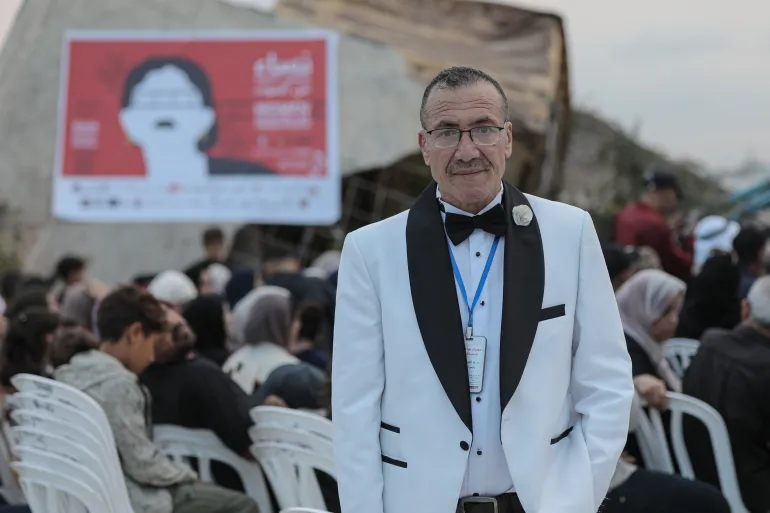
Preserving Gaza’s stories Festival director Ezzedine Shallah said the films draw on experiences women and girls lived through during the war, offering visual testimony to daily life and giving women space to tell their stories in their own voices.
保存加沙的故事 电影节总监埃泽丁·沙拉表示,这些影片取材于妇女和女孩在战争期间的亲身经历,为日常生活提供了视觉见证,并给予女性以自己的声音讲述故事的空间。
“Though their subjects differ, the films turn individual pain into broader human stories, revealing war’s psychological and social scars,” he told Al Jazeera. “They preserve stories that might otherwise never reach the screen, transforming suffering into cinematic testimony and bringing Gaza’s stories to audiences beyond its borders.”The festival, which runs until October 31, features 73 films from 24 countries and offers a broader platform for filmmakers from Gaza and beyond.
“尽管题材各异,这些影片将个人痛苦转化为更宏大的人类故事,揭示了战争留下的心理与社会创伤,”他对半岛电视台表示。“它们保存了那些可能永远无法登上银幕的故事,将苦难转化为电影见证,让加沙的故事传向国境之外的观众。” 该电影节将持续至10月31日,展映来自24个国家的73部影片,为来自加沙及其他地区的电影人提供了一个更广阔的平台。
But even with events like the festival, filmmaking in Gaza comes with formidable challenges. The destruction of cultural institutions, scarce equipment, limited funding, power and internet outages, and the pressures of war and displacement have severely restricted opportunities for film production. Women filmmakers also struggle to access training, production opportunities and international festivals.
但即便有此类活动,在加沙从事电影制作仍面临严峻挑战。文化机构的毁坏、设备匮乏、资金有限、电力与网络中断,以及战争与流离失所的压力,严重限制了电影制作的机会。女性电影人在获取培训、制作机会和参与国际电影节方面同样举步维艰。
Filmmaker Rima Mahmoud, a co-founder of the festival, said that war and the Israeli siege on Gaza – which predates 2023 – have hindered young women’s filmmaking, pushing some to use simple methods, self-fund projects and document Gaza’s reality even with the difficulties.
电影人、电影节联合创始人里马·马哈茂德表示,战争以及以色列对加沙的围困——这早于2023年——阻碍了年轻女性的电影创作,迫使一些人采用简易手段、自筹资金,即便困难重重也要记录加沙的现实。
“Despite limited resources, these films deserve international exposure,” Mahmoud said. “Their makers need technical and financial support, translation, and partnerships with festivals and platforms.”Resisting attempts at erasure Palestinian filmmaker Mai Masri, based in Lebanon and another co-founder of the festival, said the films help young women tell their own stories, resist erasure and preserve collective memory, while building skills and accessing work in Gaza or through digital platforms.
“尽管资源有限,这些电影值得获得国际曝光,”马哈茂德说。“她们的创作者需要技术和资金支持、翻译,以及与电影节和平台建立合作伙伴关系。”抹除企图的抵抗者驻黎巴嫩的巴勒斯坦电影制作人迈·马斯里是该电影节的另一位联合创始人,她说,这些电影帮助年轻女性讲述自己的故事、抵抗抹除并保存集体记忆,同时培养技能并在加沙或通过数字平台获得工作机会。
The academy has also developed a filmmaking diploma in cooperation with al-Quds Open University and accredited by the Palestinian Ministry of Education.
该学院还与圣城开放大学合作开发了电影制作文凭课程,并获巴勒斯坦教育部认证。马斯里说,该学院目前还在努力帮助导演们进入国际电影节。
Masri said that the academy is also now trying to help directors reach international festivals.
“我们正在寻求与发行商达成协议,在巴勒斯坦境外的教育和文化机构放映这些电影,并通过专注于妇女权利和人权的国际平台和电影节进行放映,”她说。
“We are seeking agreements with distributors to screen these films in educational and cultural institutions outside Palestine, and through international platforms and festivals focused on women’s and human rights,” she said.
马斯里补充道:“这将把巴勒斯坦女性的声音带向全球受众,揭示她们的人生经历和艺术创造力,增强巴勒斯坦电影在国际上的影响力,并为年轻女导演打开新天地,使她们能够触达全球放映平台和电影节。”
“This would bring the voices of Palestinian women to a global audience, shed light on their human experiences and artistic creativity, strengthen the presence of Palestinian cinema internationally, and open new horizons for young female directors to reach global screening platforms and film festivals,” Masri added.