他们是66号公路被遗忘的人。在《愤怒的葡萄》中,约翰·斯坦贝克几乎未提及他们。“祖父杀印第安人,父亲为土地杀蛇,”这位1939年未来的诺贝尔文学奖得主写道。至于非裔美国人,书中仅涉及一位“家乡的女士”。在这个百年之际,从俄克拉荷马州塔尔萨到新墨西哥州历史首府圣菲这段路途上,记忆依然苦涩。
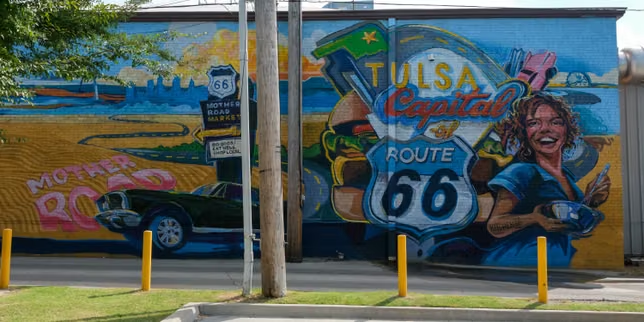
They were the forgotten people of Route 66. In The Grapes of Wrath, John Steinbeck barely mentioned them. "Grampa killed Indians, Pa killed snakes for the land," wrote the future winner of the Nobel Prize in Literature in 1939. As for African Americans, they were only referenced in regard to a "lady back home." On this centennial, memories remain bitter along the stretch of road from Tulsa, Oklahoma, to Santa Fe, the historic capital of New Mexico.
“我根本不怎么想66号公路。从历史角度看,我们不被允许——我的社区、我的人民、黑人——甚至不被允许光顾66号公路上的商业机构和场所,因为种族隔离。这就是历史。这就是为什么我们有《绿皮书》[一本为非裔美国人列出允许黑人光顾的城镇和加油站的指南],”代表塔尔萨黑人社区的市议员瓦妮莎·霍尔·哈珀说,该社区是1921年一场种族屠杀的发生地,这段历史被抹去记忆长达一个世纪。
"I don't think about Route 66 very much at all. From a historical perspective, we weren't allowed—my community, my people, Black people—were not even allowed to patronize businesses and institutions on Route 66 because of segregation. So that's the history.
“对我来说,这就是66号公路的遗产,”她说。“因为当他们谈论66号公路时,不谈它的完整历史……这是漂白历史。”至于美洲原住民,他们的视角带着残酷的讽刺,正如一千公里外沿路的艺术家罗伯特·金所展现的。这位拥有乔克托族混血血统的男子在加利斯泰奥的画廊迎接我们,该村位于圣菲以南,是1680年普韦布洛起义的核心地带——这是唯一成功将西班牙人赶走12年的美洲原住民起义。
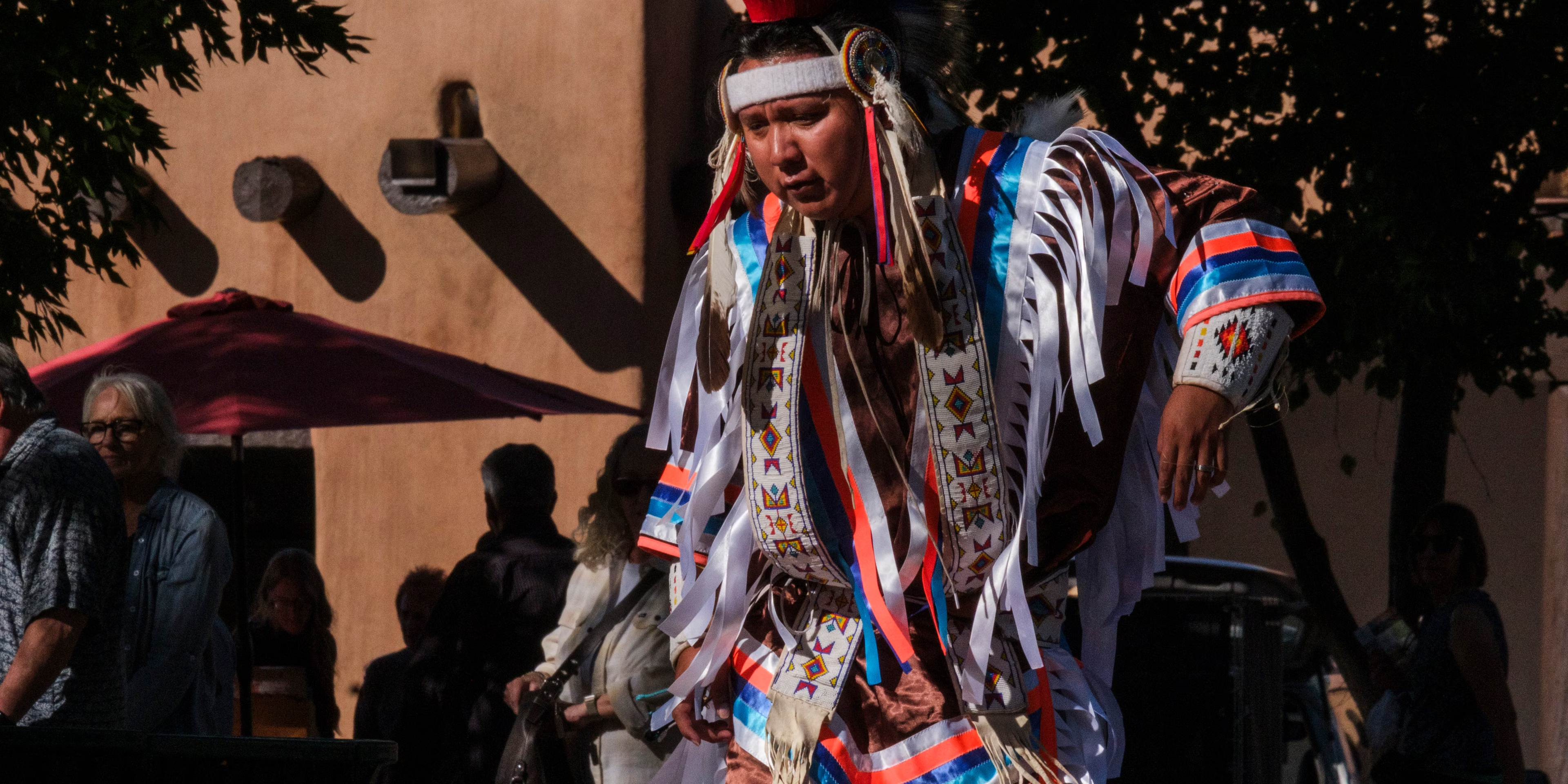
That's why we had the Green Book [a guide for African Americans listing towns and gas stations where Black people were allowed]," said Vanessa Hall Harper, a member of the city council representing Tulsa's Black neighborhood, which was the site of a racist massacre in 1921 that was erased from memory for a century. "To me, that's the legacy of Route 66," she said. "Because when they talk about Route 66, they don't talk about the full history of it... It's the whitewashing." As for Native Americans, their perspective carries a cruel irony, as illustrated a thousand kilometers further west along the road by artist Robert King. This man of mixed Choctaw heritage welcomed us into his gallery in Galisteo, a village south of Santa Fe that was at the heart of the Pueblo Revolt in 1680 – the only Native American uprising that succeeded in driving out the Spanish for 12 years.
“在某种意义上,我的人生轨迹追随了66号公路,”金解释说,他童年在俄克拉荷马州的保留地度过。“但我们在66号公路之前就已存在,延续了千代,”他指出。
"In some ways, my life's path has followed Route 66," explained King, who spent his childhood on a reservation in Oklahoma. "But we existed long before Route 66, for a thousand generations," he pointed out.