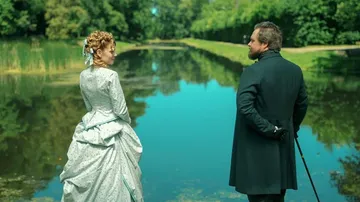
十九世纪的小说通常不在当今文化战争的前沿。但在波兰,对《玩偶》(或译《洋娃娃》)这部近700页、几代学生都被要求在学校阅读的经典著作,出现了两部相互竞争的新改编作品,使这本书成为全国关注的焦点。
Nineteenth-century novels aren’t usually on the front lines of today’s culture wars. But in Poland, two new competing takes on , or , a nearly 700-page classic that generations have been required to read at school, have turned the book into a national obsession.
这两部改编作品相继在几周内推出,引发了波兰今秋最大的文化争论。Netflix出品的迷你剧是一部激进的重新诠释,批评者指责它从庸俗化名著到将当代进步观念强加于过去,罪名不一。而一部考究时代细节的豪华故事片则为传统主义者提供了另一种选择。
Released within weeks of each other, the adaptations of Bolesław Prus’ 1890 story of love, class and money have sparked Poland’s biggest cultural argument of the fall. A miniseries from Netflix is a radical reinterpretation that critics have accused of everything from vulgarizing a masterpiece to imposing contemporary progressive ideas on the past. A lavish period-appropriate feature film has offered an alternative for traditionalists.
《玩偶》是波兰文学的核心著作之一,其人物家喻户晓、跨越世代。小说讲述了华沙白手起家的商人斯坦尼斯瓦夫·沃库尔斯基积聚巨额财富,却难以跨越阶级鸿沟,追求他痴迷爱慕的贵族女子伊扎贝拉·伦茨卡的故事。在爱情故事背后,是一幅社会在资本主义和阶层流动重塑下的宏大画卷。
is one of the central works of Polish literature, making its characters familiar across generations. It follows Stanisław Wokulski, a self-made Warsaw merchant who amasses a fortune but struggles to cross the class divide separating him from Izabela Łęcka, the aristocratic woman he obsessively loves. Behind the romance is a sweeping portrait of a society being reshaped by capitalism and social mobility.
这些主题或许有助于解释为何这部小说会以如此强劲的势头回归。过去三十年间,波兰本身经历了巨变,发展成为一个约1万亿美元的经济体,形成了庞大的中产阶级,并创造了新的财富,改变了该国的社会阶层结构。“波兰精英与非精英之间的分化正在加强,而非消退,”华沙大学文化研究与社会学教授米罗斯瓦夫·彭查克表示。“社会群体之间的壁垒变得更加明显。或许这也是沃库尔斯基的困境让人再次感到切身相关的原因之一。”
Those themes may help explain why the novel has returned with such force. Poland itself has been transformed over the past three decades, growing into a roughly $1 trillion economy, creating a large middle class and producing new fortunes that have altered the country’s social hierarchy. “The division between elites and nonelites in Poland is becoming stronger rather than fading,” says Mirosław Pęczak, a cultural studies and sociology professor at the University of Warsaw. “These barriers between social groups are becoming more noticeable. And perhaps that is one reason why Wokulski’s problem feels relevant again.”
读书会、社交媒体和餐桌上充斥着激烈的辩论:谁演绎主角更出色、电影制作方是否有权改编国民经典,以及更根本的——谁有资格决定波兰文化应呈现何种面貌。“我最欣慰的是,几乎全民都在讨论这本书及其改编作品,”总理唐纳德·图斯克在X平台上写道。“每个人都有权保留自己的观点,只请大家:别为此互相残杀。”
Book clubs, social media and dinner tables have been filled with vicious debates about who plays the main characters better, whether filmmakers have the right to rewrite a national classic and, more fundamentally, who gets to decide what Polish culture should look like. “I’m happiest that almost the entire nation is discussing the book and its adaptation,” Prime Minister Donald Tusk wrote on X. “Everyone has the right to their own opinion, just please: let’s not kill each other over it.”
Netflix的改编版(波兰语对白,配英语字幕)尤其采取了许多人认为越界的创作自由。这部六集剧集更改了情节、人物甚至结局,增加了刑侦线索,并通过当代关切(包括女权主义)来过滤故事。甚至Netflix的营销活动也在社交媒体上用TikTok时代的描述呈现普鲁斯笔下的人物,诸如“恋父情结”和“小白脸”,招致嘲讽和愤怒。
Netflix’s adaptation (in Polish, with English subtitles) in particular took liberties many have found to be transgressive. The six-part series changes plot lines, characters and even the ending, adds a criminal investigation and filters the story through contemporary concerns including feminism. Even Netflix’s marketing campaign presented Prus’ characters on social media with TikTok-era descriptions including “daddy issues” and “toy boy,” prompting ridicule and outrage.
评论家称赞该改编充满活力、演技精湛且敢于玩味经典;批评者则抨击其粗俗、暴力以及对普鲁斯原著的背离。
Critics have praised the adaptation’s energy, acting and willingness to play with the canon; detractors attacked its profanity, violence and departures from Prus.
“听说要推出新版改编时我就知道会引发争论,”波兰科学院历史与文学学者阿利娅·乌尔巴尼克-科佩奇说,“但我承认,没想到规模会大到这种地步。”
“I knew there would be a fight when I heard there were going to be new adaptations of . But I admit, I didn’t expect it to be quite this big,” says Alicja Urbanik-Kopeć, a history and literature scholar at the Polish Academy of Sciences.
她表示,这场辩论的激烈程度反映了19世纪在波兰民族记忆中的特殊地位。那是一个起义与争取独立斗争的时代,发生在波兰被邻国瓜分、从地图上消失的百余年间。因此,挑战对那个时期的理想化想象,在一些观众眼中仿佛是在挑战更宏大的事物。“如果一部当代文化作品打破了那种形象,许多人会将其视为对其民族身份基石之一的攻击,”她说。
The intensity of the debate, she says, reflects the special place the 19th century occupies in Polish national memory. It was an era of uprisings and struggles for independence during the more-than-century-long period when Poland was partitioned by neighboring powers and absent from the map. Challenging an idealized vision of that period can therefore feel to some viewers like challenging something much bigger. “If a contemporary cultural work disrupts that image, many people experience it as an attack on one of the foundations of their national identity,” she says.
紧接着又出现了另一部作品。Netflix剧集上线仅两周后,导演马切伊·卡瓦尔斯基推出了近三小时的院线版电影。该片更传统、更豪华地重现了19世纪的华沙——也给了波兰人另一个选边站队的机会。
Then came another . Just two weeks after the release of Netflix’s series, director Maciej Kawalski released a nearly three-hour theatrical version of the book. The result is a more traditional, lavish re-creation of 19th-century Warsaw — and another opportunity for Poles to choose sides.
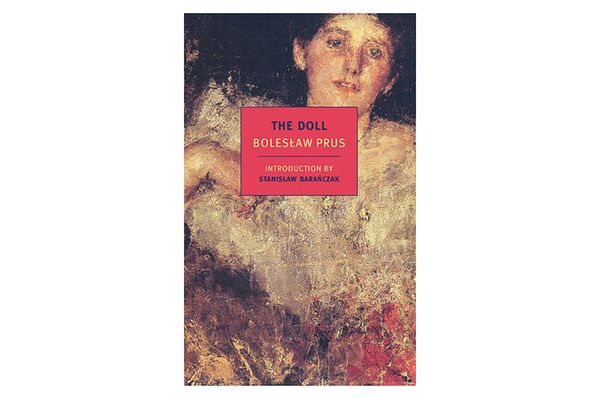
据发行方提供的数据,卡瓦尔斯基的电影仅用三周时间就吸引了200万观众,成为今年波兰最卖座的影片,并让波兰国产片获得了疫情以来最强劲的开局。
It took just three weeks for Kawalski’s to draw 2 million moviegoers, making it Poland’s most-watched film of the year and giving a Polish production its strongest opening since the pandemic, according to figures provided by the distributor.
这种热度具有传染性。各家公司纷纷抢着蹭热度:咖啡店和餐厅推出了受书中启发的饮品和甜点;瑞典服装品牌H&M推出了汲取19世纪时尚灵感的系列;ING Bank Śląski银行邀请当代作家为普鲁斯笔下的人物构想另一种人生——包括他们会如何理财——并将这些故事制成有声书。
The buzz has been contagious. Companies have rushed to attach themselves to the phenomenon: Coffee shops and restaurants have devised drinks and desserts inspired by the book; Swedish clothing brand H&M has introduced a collection drawing on 19th-century fashion; and ING Bank Śląski commissioned contemporary writers to imagine alternative lives for Prus’ characters — including how they might handle their money — and turned the stories into audiobooks.
这股热潮也让人们回到了一切的起点,即这本书本身。据K+ Research的一项研究,在波兰观看Netflix系列剧的人中,约有46%的人表示希望重读这部小说。波兰国家图书馆表示,其数字图书馆的访问量在9月激增了近480%,成为该服务第二受欢迎的出版物。传统图书馆也出现了类似的增长:据当地媒体报道,克拉科夫公共图书馆的该书借阅量同比增长了30%。
The frenzy has also led people back to where it all began, namely the book itself. Some 46% of people who watched the Netflix series in Poland say they would like to reread the novel, according to a study by K+ Research. Poland’s National Library said traffic around on its digital library surged almost 480% in September, making it the service’s second-most-popular publication. Traditional libraries have seen a similar bump: Kraków’s public library recorded a 30% year-on-year increase in borrowing of the book, according to the local media.
抛开关于服装和艺术加工的争论,你会发现一场与普鲁斯130多年前所写的惊人相似的辩论。他那个时代的波兰正面临着新财富、旧精英以及阶级隔阂的挣扎。如今的波兰富裕得多,社会流动性也更强,但关于金钱、地位以及谁属于精英的问题并未完全消失。
Look past the fights about costumes and artistic license, and you’ll find a debate remarkably similar to the one Prus wrote about more than 130 years ago. His Poland was wrestling with new wealth, old elites and the barriers separating social classes. Today’s Poland is vastly richer and more socially mobile, yet questions about money, status and who belongs to the elite haven’t entirely disappeared.
“事实证明,一部以19世纪现实主义风格写成的小说,仍然可以具有重要意义,”彭察克说。
“It turns out that a novel written in the style of 19th-century realism can still be something important,” Pęczak says.