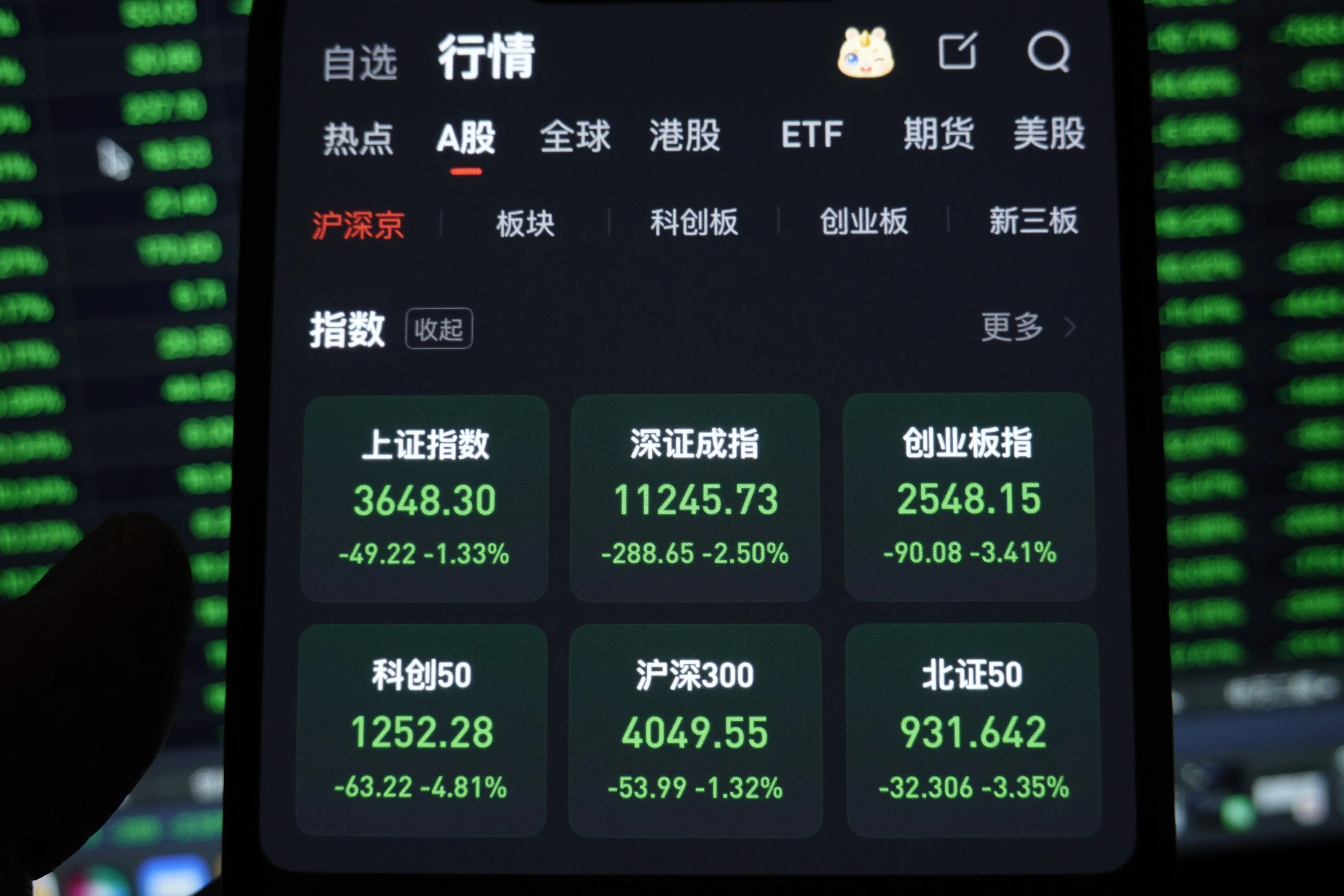
中国陷入困境的股市中,国家队买盘日益明显,帮助基准沪深300指数周三上午上涨0.68%,但全球投行分析师认为,这不足以在世界第二大股市中构建持久反弹。
Increasingly apparent state buying in China’s struggling stock market helped drive the benchmark CSI 300 Index up 0.68 per cent on Wednesday morning, but will be insufficient to engineer a durable rally in the world’s second-largest equity market, according to analysts from global investment banks.
“国家队”投资者——购买交易所交易基金(ETF)及其他工具的国家实体——本月向市场注资高达1700亿元人民币(约合255亿美元)。但分析师认为,此类干预旨在为股市托底并防范系统性风险。
“National team” investors – state entities buying exchange-traded funds (ETFs) and other vehicles – poured as much as 170 billion yuan (US$25.5 billion) into the market this month. But such intervention was intended to put a floor under stocks and ward off systemic risk, they argued.
澳洲麦格理集团和瑞士私人银行宝盛银行指出,虽然在中央汇金投资有限责任公司及其他国家支持买方的干预下,市场可能暂时企稳,但可持续上涨仍取决于企业盈利实力和国内需求,后者是中国经济的薄弱环节。
While the market could temporarily stabilise after the intervention by Central Huijin Investment and other state-backed buyers, sustainable gains would depend on the strength of corporate earnings and domestic demand, a weak part of China’s economy, according to Macquarie and Swiss private bank Julius Baer.
在基准沪深300指数滑入熊市、芯片权重的科创50指数从历史高位回落逾40%之后,中国国家队对境内股市的干预本月加速。高盛表示,国家队10月可能买入了约1700亿元跟踪关键股指的ETF,而美国银行估计此类买入额超过1100亿元。
China’s state meddling in its onshore stock market accelerated this month after the benchmark CSI 300 Index slipped into a bear market and the chip-heavy Star 50 gauge shed more than 40 per cent of its value from a record high. Goldman Sachs said that the national team probably bought about 170 billion yuan of ETFs tracking key equity gauges in October, while Bank of America estimated such purchases at more than 110 billion yuan.
麦格理首席中国经济学家胡捷表示:“国家队的重点是稳定股市,帮助防范系统性风险。持续的市场反弹仍取决于国内需求的复苏,这可能要等到北京无法再依赖出口拉动增长时才会到来。”胡捷称,国家队买股也符合北京的“逆周期”做法,就像其财政政策一样,经过微调以助力实现全年增长目标,同时避免像“核弹”式刺激方案那样因过度刺激增长而带来风险。
“The national team’s focus is to stabilise the stock market and help prevent systemic risk,” said Larry Hu, chief China economist at Macquarie. “A sustained market rally still depends on a recovery in domestic demand, which may come once Beijing can no longer rely on exports to drive growth.”Hu said that state stock buying also aligned with Beijing’s “countercyclical” approach, just like its fiscal policy, which is fine-tuned to help achieve the annual growth target while avoiding bazooka-like stimulus packages that would risk overshooting growth.
在今年6月之前市场情绪高涨期间,中国国家队买家可能抛售了价值1.5万亿元人民币的持仓以抑制过快上涨,但随着情绪恶化,它们在7月重新转为净买入,据法国兴业银行称。
We see limited motivation for a prolonged intervention campaignPatrick Pan, Bank of America During the euphoric market sentiment until June this year, China’s state buyers could have sold holdings worth 1.5 trillion yuan to rein in rapid gains, but they turned into net buyers again in July after sentiment deteriorated, according to Societe Generale.
中国股市交易依然波动,市场情绪在对国家加大支持力度的预期与对增长前景的担忧、以及拥挤AI交易的平仓之间摇摆。
Trading in Chinese stocks remains volatile, as sentiment sways between expectations about increased state support and concerns about growth prospects and an unwinding of crowded AI bets.
与沪深300指数和科创50指数挂钩的最大规模ETF交易量激增,指向国家队买入,因为这些是国家队干预的关键工具。与2015年和2024年早期的干预不同,最新买入更侧重于科技股,这是北京推动科技自立自强的关键部分。
Spikes in trading volumes for the biggest ETFs tied to the CSI 300 and the Star 50 gauge pointed to state buying, as these were the key vehicles for state buyers to intervene. Unlike an earlier bout of interference in 2015 and 2024, the latest buying focused more on technology stocks, a critical part of Beijing’s tech self-reliance drive.
据美国银行称,追踪科创50指数和深圳创业板指数的ETF本月吸引了约500亿元人民币的新增资金流入。
ETFs tracking the Star 50 gauge and the ChiNext index of tech start-ups trading in Shenzhen attracted about 50 billion yuan of fresh inflows this month, according to Bank of America.
瑞银分析师Richard Tang表示,历史上股市往往在国家队干预后一至三个月见底,但有意义的反弹要等到明年年初,届时政策制定者将不得不加大政策力度以重振经济增长。他目前推荐高股息股票作为对冲市场波动的工具。
While stocks historically tended to trough one or three months after state interventions, a meaningful rebound would not arrive until early next year, when policymakers would have to ramp up policies to reinvigorate economic growth, said Richard Tang, an analyst at Julius Baer. He recommended high-dividend stocks for now as a hedge against market volatility.
“最新的稳定措施似乎更多旨在控制下行风险,而非推动市场反转,”美国银行策略师Patrick Pan表示。“我们看到持续干预行动的动力有限,因为中国股市并非全球AI平仓的唯一受害者,且指数仍远高于两三年前的低点。”
“The latest stabilisation measures appear aimed more at containing downside risks than driving a market reversal,” said Patrick Pan, a strategist at Bank of America. “We see limited motivation for a prolonged intervention campaign, given that [China’s stock] market is not the only casualty of the global AI unwind and indices remain well above the lows seen two to three years ago.”