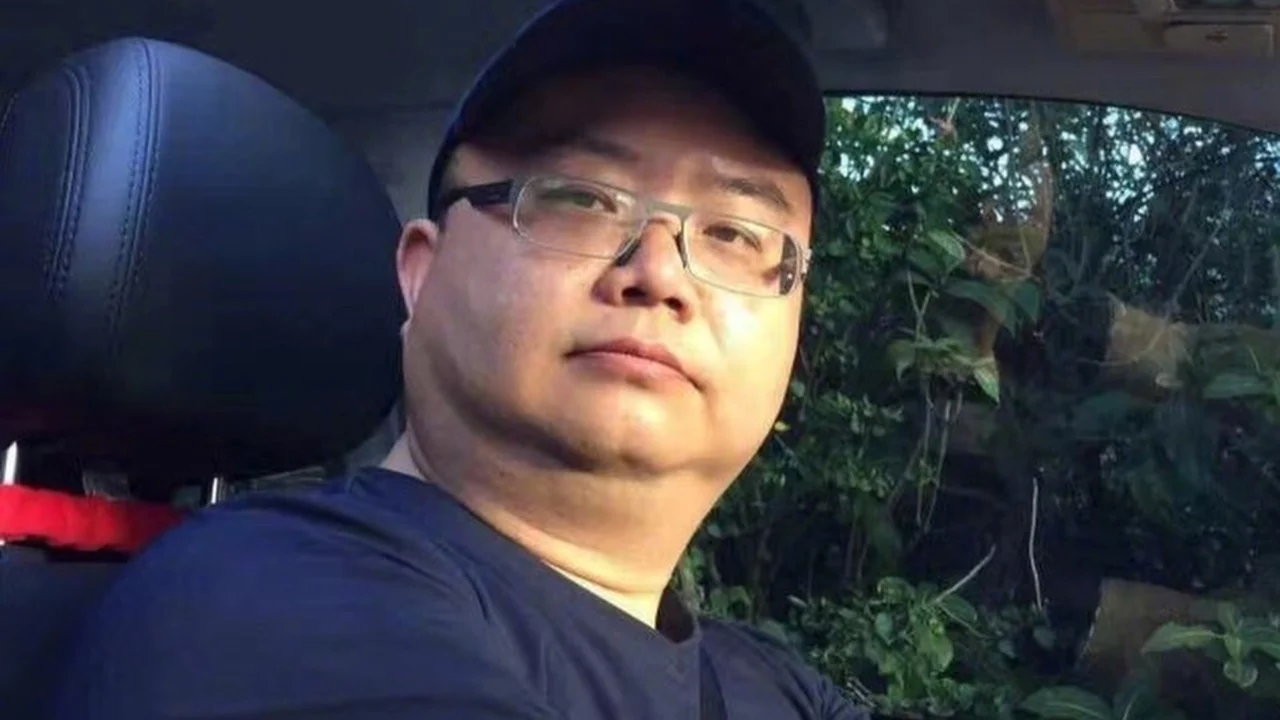
中国调查博主曝光电信诈骗等违法活动后,据中国媒体报道,被通过社交媒体雇佣的犯罪分子杀害,此案引发了对凶手加重处罚的呼声。
A Chinese investigative blogger who exposed telecoms fraud and other illegal activity was killed by criminals hired on social media, according to Chinese media, as the case prompts calls for heavier punishment for his death.
这位使用“惠剑”网名、多年来撰写东南亚电信诈骗文章的吴凯,遗体于2024年11月在中国南方被发现。他的死因及案件细节于本周披露。
The body of Wu Kai, who used the name “Huijian” on social media and had written for years about telecoms fraud in Southeast Asia, was discovered in southern China in November 2024. His death and details of the case that followed have been revealed this week.
据《界面新闻》周二报道,2024年8月,吴凯公开指控刘仁——由中国富商陈志主导的一个企业集团核心人物——是赌场高利贷放贷人、殴打他人致死、向商铺勒索保护费、经营电信诈骗园区并从事武装跨国犯罪。
In August 2024, Wu openly accused Liu Ren – a central figure in a conglomerate masterminded by Chinese tycoon Chen Zhi – of being a casino loan shark, beating someone to death, extorting protection fees from shops, operating telecoms fraud compounds and engaging in armed transnational crimes, according to a Jiemian News report on Tuesday.
据称,刘仁于今年6月从柬埔寨被引渡回中国。警方当时发布的通报称,他受陈志指使于2016年创立“金贝”集团,在柬埔寨经营电信诈骗园区,自2020年起实施涉案金额“特别巨大”的大规模电信及网络诈骗。
Liu was extradited from Cambodia to China in June this year. A police statement at the time said he had been ordered by Chen in 2016 to found a group called Jinbei, which operated telecoms fraud compounds in Cambodia and carried out large-scale telecoms and online fraud involving “extremely large amounts” of money since 2020.
中国警方称,刘仁还被指控非法拘禁和故意伤害,其案件正在侦查中。
Liu was also charged with illegal detention and intentional injury, and his case was being investigated, Chinese police said.
陈志于今年1月被押解回国,面临诈骗、非法经营、故意伤害等多项指控。
Chen, who was sent to China in January this year, has been charged with fraud, illegal business operations and intentional injury, among other crimes.
国有媒体《界面新闻》引用法院文件,详述了吴凯遇害及凶手获刑情况,称2024年10月,中国籍赵冰在Telegram社交平台上从一名匿名用户“稍晓”处接下一项绑架任务。
The state-owned Jiemian News cited court documents in detailing the death of Wu and conviction of his killers, stating that in October 2024, Chinese native Zhao Bing picked up a kidnapping mission on the Telegram networking platform from an anonymous user, “Shaoxiao”.
任务是绑架一名经常在微信上撰写缅甸北部电信诈骗文章的人,强迫他交代背后靠山并删除文章。报道称,吴凯的个人信息被提供给了赵冰。
The task was to kidnap a person who often wrote about telecoms fraud in northern Myanmar on WeChat and force him to reveal who was backing him and delete the articles. Wu’s personal information was given to Zhao, the report said.
11月,赵某的同伙绑架了吴某,将其带到广东省惠东县的山区。据警方通报,赵某强迫吴某删除文章,随后驱车将这名博主带到河源市另一处地点,继续殴打吴某。
In November, Zhao’s accomplices kidnapped Wu and took him to the hills in Huidong county, Guangdong province. Zhao forced Wu to delete the articles and then drove the blogger to another site in Heyuan, where Zhao continued to beat Wu, according to the police statement.
据报道,在少骁不相信吴某说的是实话后,赵某反复殴打吴某,并剪掉了他半个指甲。第二天,赵某将吴某带到邻省江西省定南县的一座山上,踢击吴某头部直至其昏迷,并发送了一张照片给少骁。
After Shaoxiao did not believe Wu was telling the truth, Zhao repeatedly hit Wu and cut off half a fingernail, the report said. The next day, Zhao took Wu to a hill in Dingnan county in neighbouring Jiangxi province, where he kicked Wu in the head until he was unconscious and sent a photo to Shaoxiao.
随后,他用草覆盖吴某,返回河南老家。据报道,赵某及其四名同伙瓜分了100万元(约合15万美元)报酬。
He then covered Wu with grass and returned to his hometown in Henan province. Zhao and his four accomplices split the 1 million yuan (US$150,000) payment, according to the report.
两天后,村民发现了吴某的尸体。几天后,警方抓获了犯罪嫌疑人。2025年12月,赵某因故意伤害罪被判处死刑,缓期二年执行,其同伙分别被判处15个月至8年不等有期徒刑。少骁的身份未被披露。
Two days later, Wu’s body was found by villagers. A few days after that, police detained the suspects. In December 2025, Zhao was convicted of committing intentional injury and sentenced to death with a two-year reprieve, while his accomplices received sentences ranging from 15 months to eight years. The identity of Shaoxiao has not been revealed.
检方辩称,虽然赵某接受任务时的初衷是非法拘禁并审讯吴某,但他反复对受害人实施暴力殴打,包括对头部造成特别严重的伤害。
Prosecutors argued that although Zhao’s initial purpose when taking the assignment was to confine and interrogate Wu, he repeatedly beat the victim violently, including delivering an especially heavy blow to the head.
根据法院文件,他也没有采取任何措施救助受害人,将其遗弃在偏远山区,间接导致其死亡。
He also took no steps to aid the victim and left him on a remote hill, which indirectly led to his death, according to the court documents.
关于吴某之死及该案件的披露震惊了中国公众,许多人质疑为何合同暴力和光天化日之下的绑架仍能发生。
Revelations about Wu’s death and the case have shocked the Chinese public, with many asking why contract violence and kidnapping in broad daylight can still occur.
吴某的朋友对广东媒体《南方周末》表示,他们觉得他被杀“难以置信”。他们说,没人质疑过他的去向,因为他们听到传言称他收了钱写文章,或者因偷税漏税正在接受警方调查。也有人认为对赵的判决过轻,建议应立即执行死刑。
Wu’s friends told the Southern Weekend, a Guangdong outlet, they found it “unbelievable” that he was killed. They said no one had questioned his whereabouts because they had read rumours he had taken money to write the articles or that he had not paid taxes and was under police investigation. Others felt the sentencing for Zhao was too light and suggested he should be immediately executed.
律师吴玲玲在微博上写道,施害者对受害者实施了长时间的非法拘禁、折磨和殴打,其暴行远远超过一般的暴力犯罪。
Wu Lingling, a lawyer, wrote on Weibo that the perpetrator had put the victim through prolonged illegal confinement, torture and beating, an atrocity far exceeding ordinary violent crimes.
她写道:“此案针对的是反诈活动人士,因此如果犯罪目的确实是报复和压制反诈活动,那么其危害就远不止剥夺一个人的生命——而在于用暴力恐吓那些敢于揭露犯罪的人。”
“This case targets anti-fraud activists, so if the criminal purpose is indeed retaliation and suppression of anti-fraud activities, then the harm extends far beyond depriving one person’s life – it lies in using violence to intimidate those who dare to expose crimes,” she wrote.