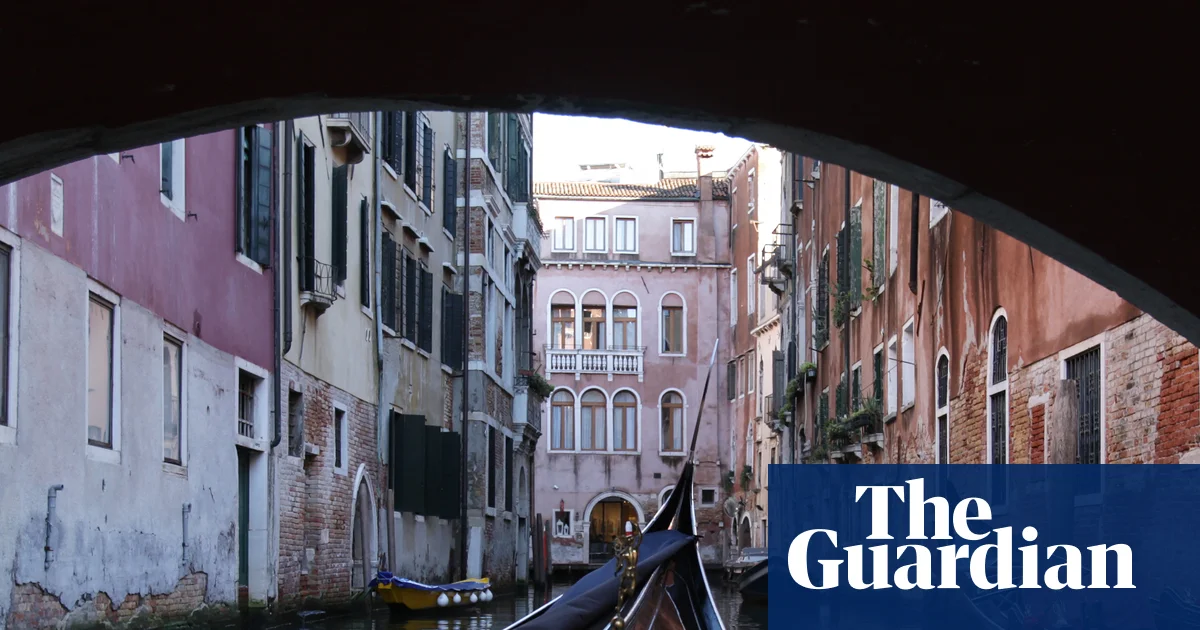
贡多拉在意大利威尼斯运河中穿行。海平面上升如何将干地变成威尼斯潟湖 科学家揭示北亚得里亚海海平面上升时消失的古老丘陵与沼泽 威尼斯以漂浮城市闻名,但研究表明,它所在的土地曾位于内陆数英里之外。过去1万年间,海平面的剧烈变化重塑了北亚得里亚海海岸线,祖先曾活动过的大片土地如今已沉没于海底。
Gondolas wending through a canal in Venice, Italy. How rising seas transformed dry land into Venice lagoon Scientists uncover ancient hills and swamps that disappeared as sea levels rose across northern Adriatic enice is famed for being a floating city, but research shows the land it sits on once lay many miles inland. Dramatic changes in sea level over 10,000 years have reshaped the northern Adriatic coastline, with much of the land that our ancestors roamed now lying beneath the waves.
英国南安普顿大学的萨穆埃莱·翁加罗及其同事结合地震数据与意大利北部、斯洛文尼亚和克罗地亚北部沿海盆地的沉积岩芯,对该地区海平面变化进行建模,并重建了过去1万年的古代地貌。
Samuele Ongaro, at the University of Southampton, and colleagues combined seismic data with sedimentary cores from the coastal basins of northern Italy Slovenia and northern Croatia to model changes in sea level across the region and reconstruct past landscapes over the past 10,000 years.
马拉诺一幅风景如画的运河和色彩斑斓的屋顶,马拉诺是威尼斯的历史古镇。
Picturesque canals and colourful rooftops in Murano, a historic old town in Venice.
摄影:Amazing Aerial/Alamy 他们的研究成果发表在《第四纪科学评论》上,显示如今的威尼斯潟湖曾是延伸至海岸线30多英里外的干地,而的里雅斯特此前是一片俯瞰沼泽与潟湖的丘陵地区。
Photograph: Amazing Aerial/Alamy Their results, published in Quaternary Science Reviews show that the present-day Venice lagoon was once dry land extending more than 30 miles from the coast, and that Trieste was previously an area of hills overlooking swamps and lagoons.
大约1万年前,海平面开始断断续续上升,有时每年高达25毫米,迫使中石器时代的狩猎采集者转移狩猎和捕鱼活动,以适应快速变化的环境。最剧烈的变化发生在三个不同阶段,随后是过去6000年相对稳定的时期,这支持了定居点的形成以及我们今天所熟悉的景观中农业的出现。
Starting just over 10,000 years ago, sea level rose in fits and starts, sometimes by up to 25mm a year, forcing Mesolithic hunter-gatherer populations to shift their hunting and fishing activities as they adapted to a rapidly changing environment. The most dramatic changes occurred in three distinct phases, followed by a period of relative stability over the past 6,000 years, which supported the formation of settlements and the advent of farming in the landscape we are familiar with today.