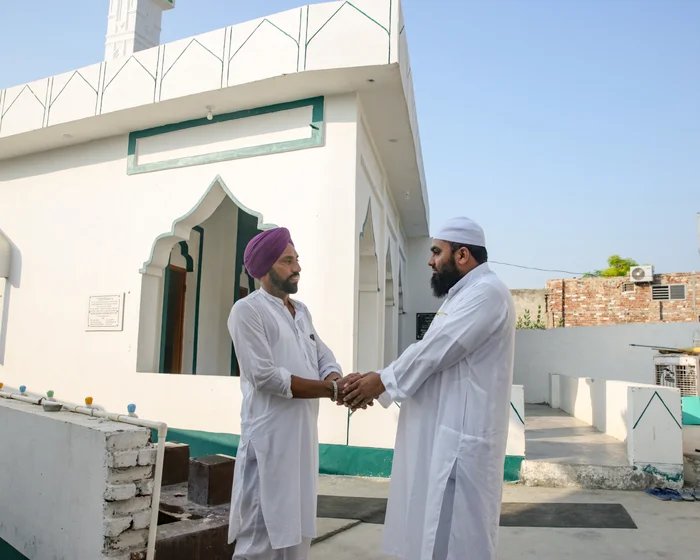
在1947年印度分治的宗派暴力期间,许多穆斯林的礼拜场所遭到摧毁或废弃。如今,信仰各异的村民们正齐心协力将其复兴。下午晚些时候,87岁的加朱·汗(Gajju Khan)坐在印度北部旁遮普邦一栋未完工的建筑里,面带微笑。他心怀希望,盼望在自己去世前,当清真寺落成时,能再次听到穆斯林的礼拜宣礼声(azan)在村庄上空回荡。
Many Muslims saw their places of worship destroyed or abandoned during the sectarian violence of India’s partition in 1947. Now villagers of many faiths are coming together to revive them Gajju Khan is smiling as he sits in an unfinished building in the northern Indian state of Punjab in the late afternoon. The 87-year-old is hopeful that before he dies he will hear the , the Muslim call to prayer, echo across his village once again when the mosque is completed.
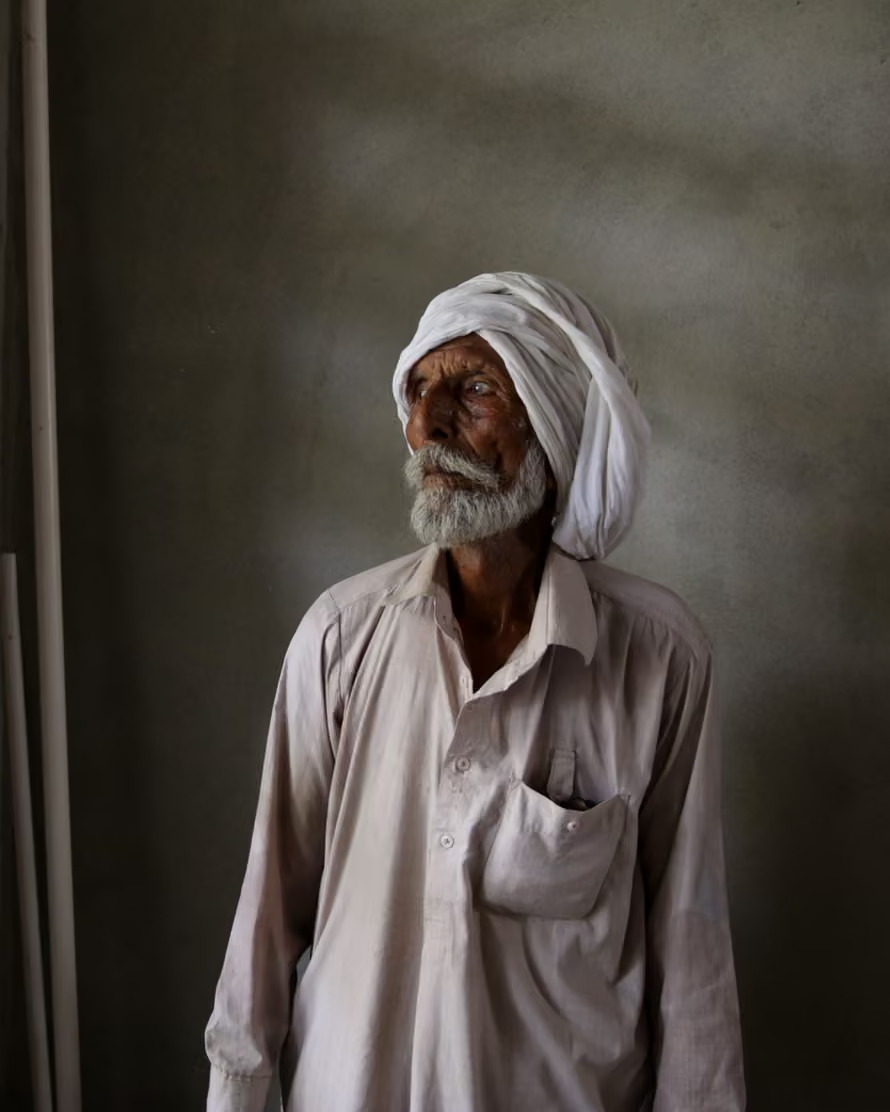
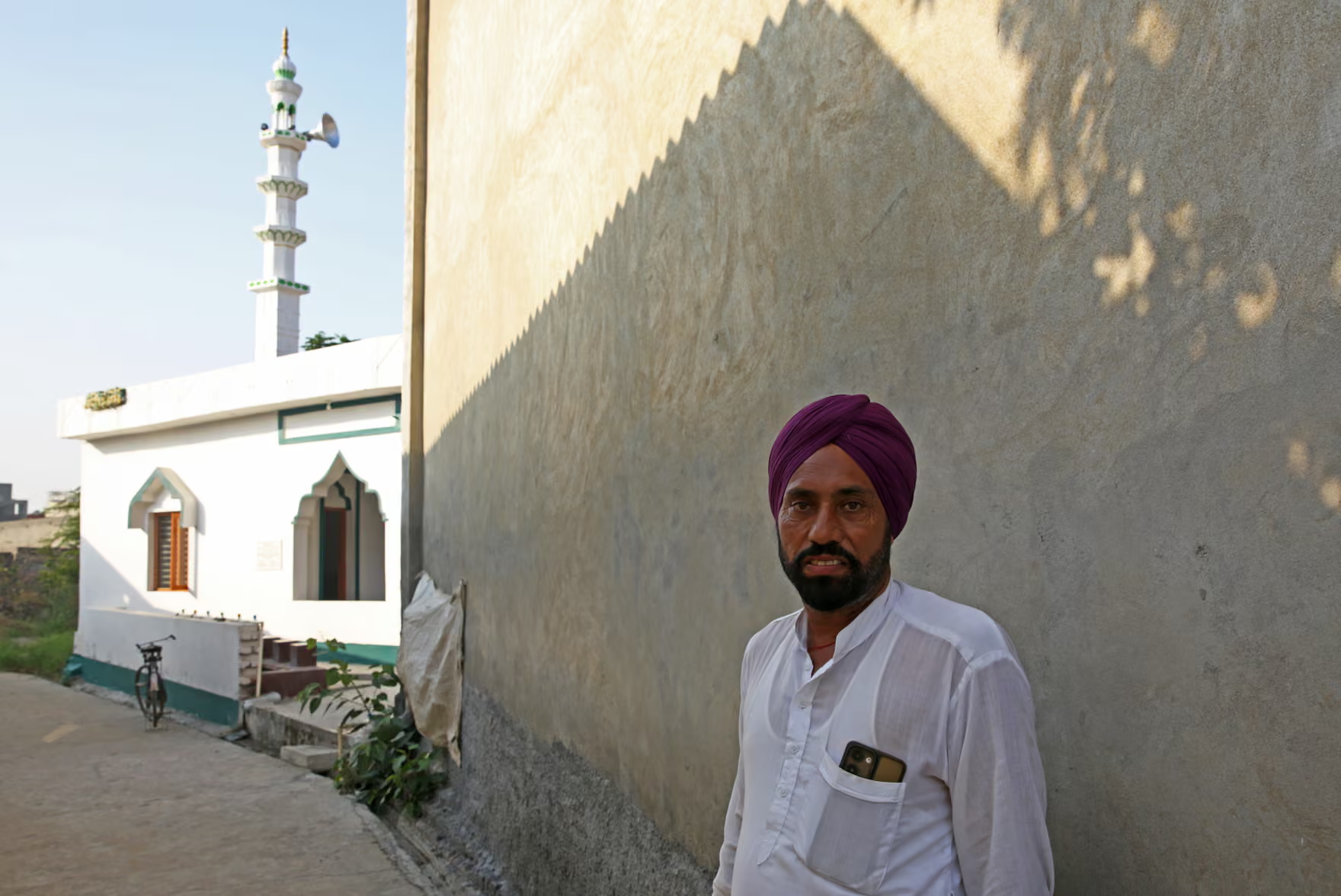
他上一次在这里听到宣礼声还是八岁的时候,当时他和父母住在昌迪加尔附近的蒂拉马拉亚(Tira Maloya)村,距离他现在的住处不远。
The last time he heard it here was when he was eight years old, living with his parents in Tira Maloya, a village in Chandigarh, not far from where he lives now.
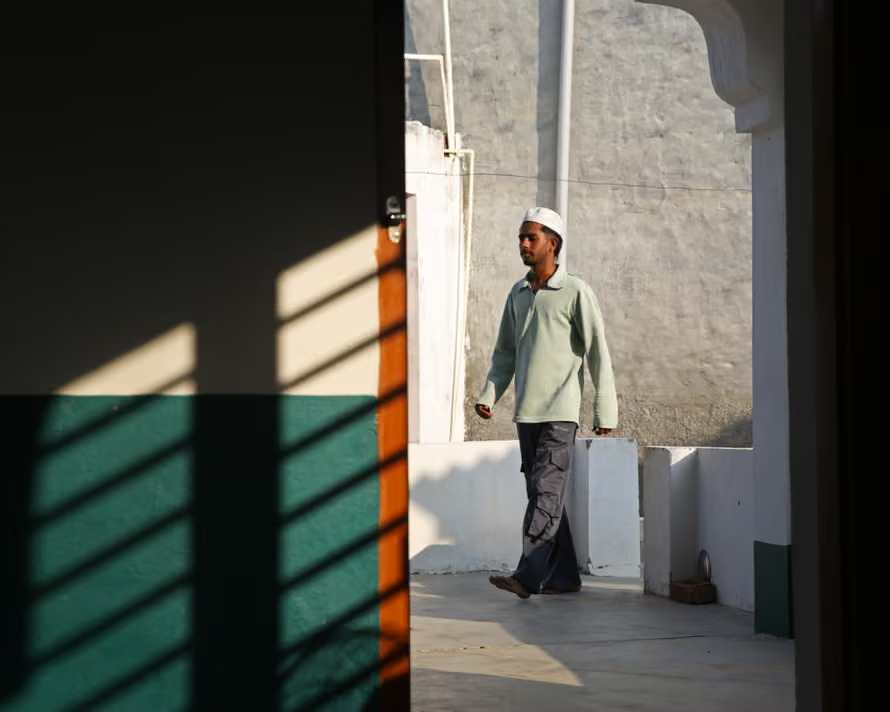
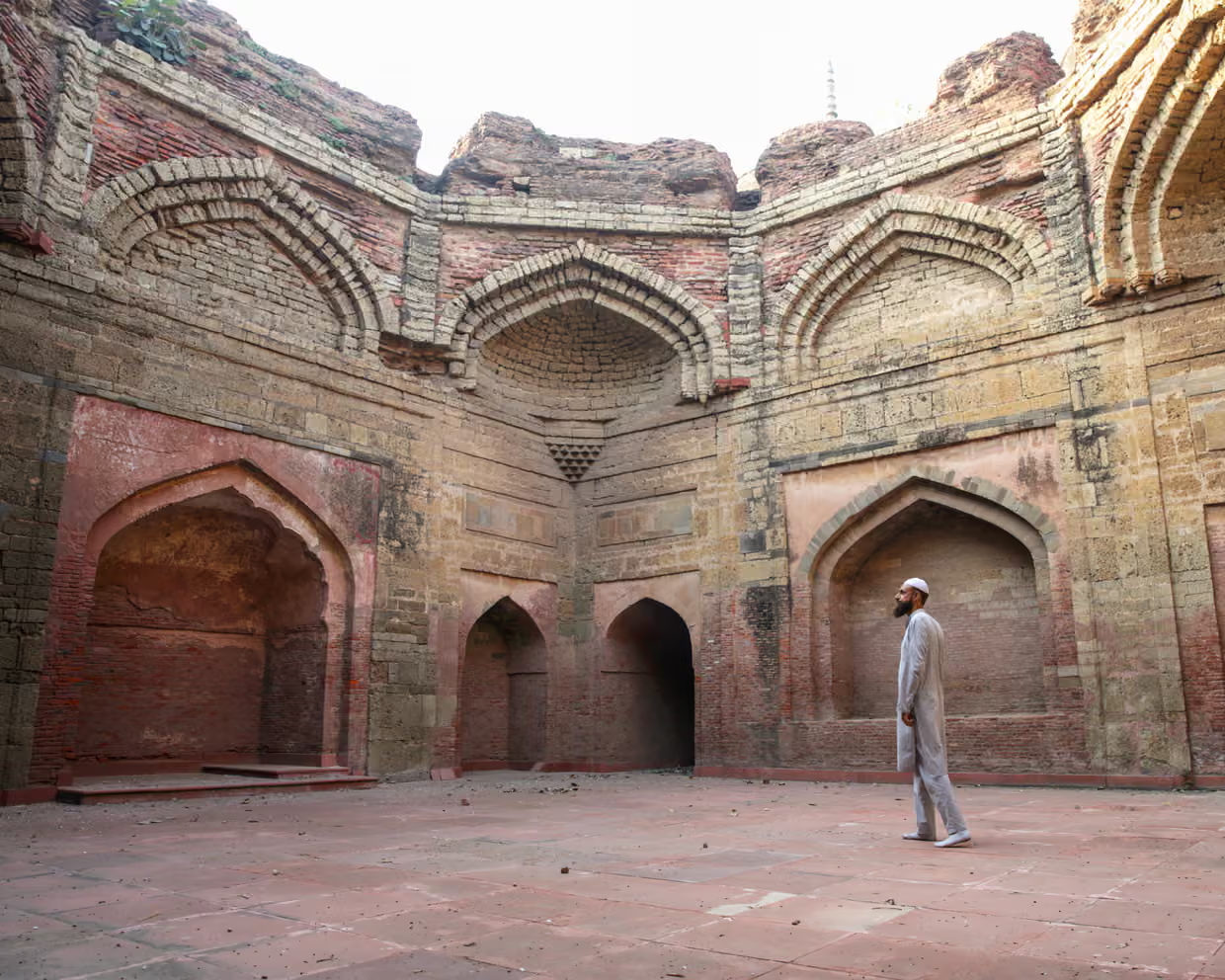
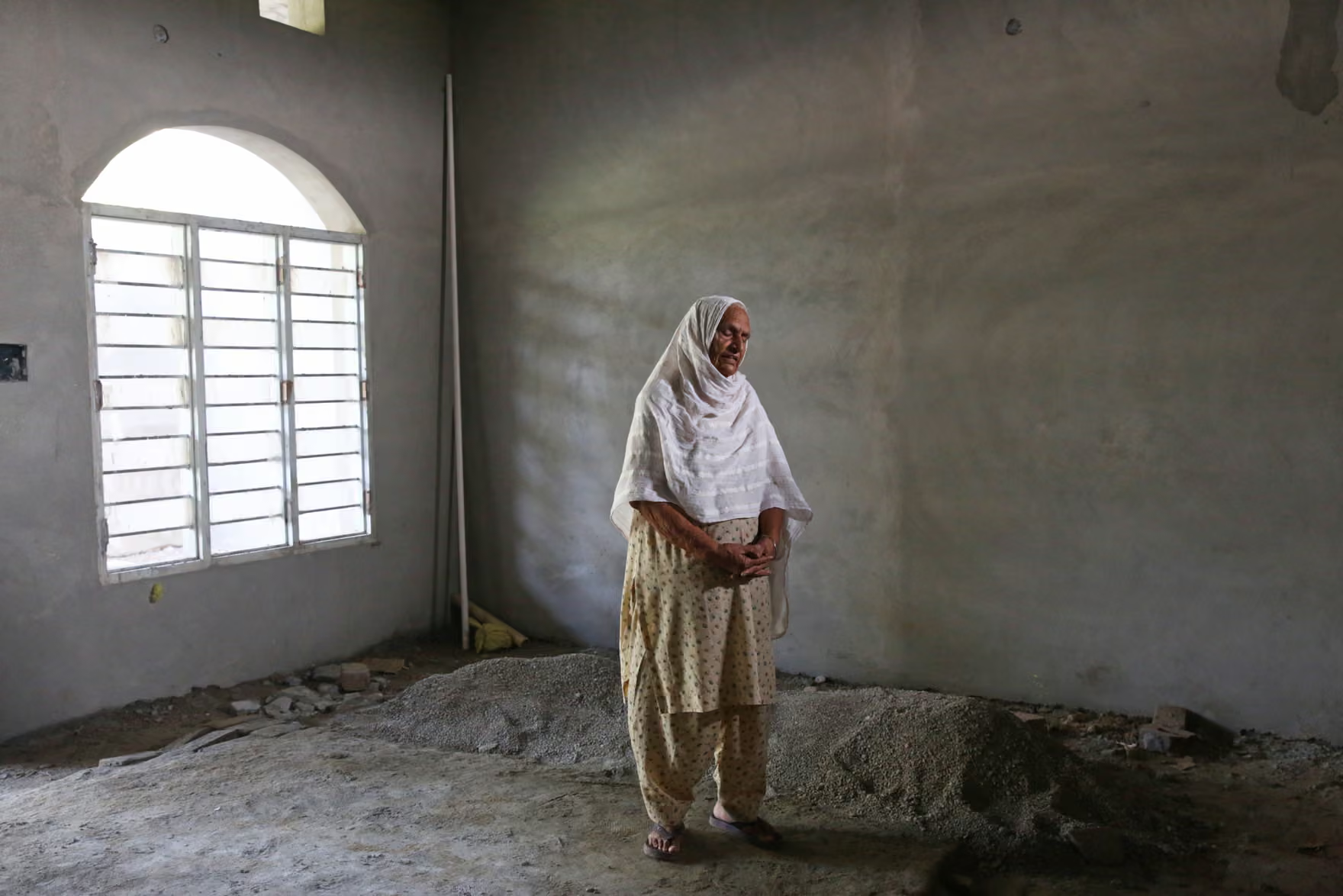
锡克教徒比比·拉金德尔·考尔(Bibi Rajinder Kaur)捐出了家族土地用于在她所在的村庄建造清真寺。“没有什么善举比给别人提供一个礼拜的地方更好,”她说。
Bibi Rajinder Kaur, a Sikh, donated family land to build a mosque in her village. ‘There is no deed better than giving someone a place to worship,’ she says