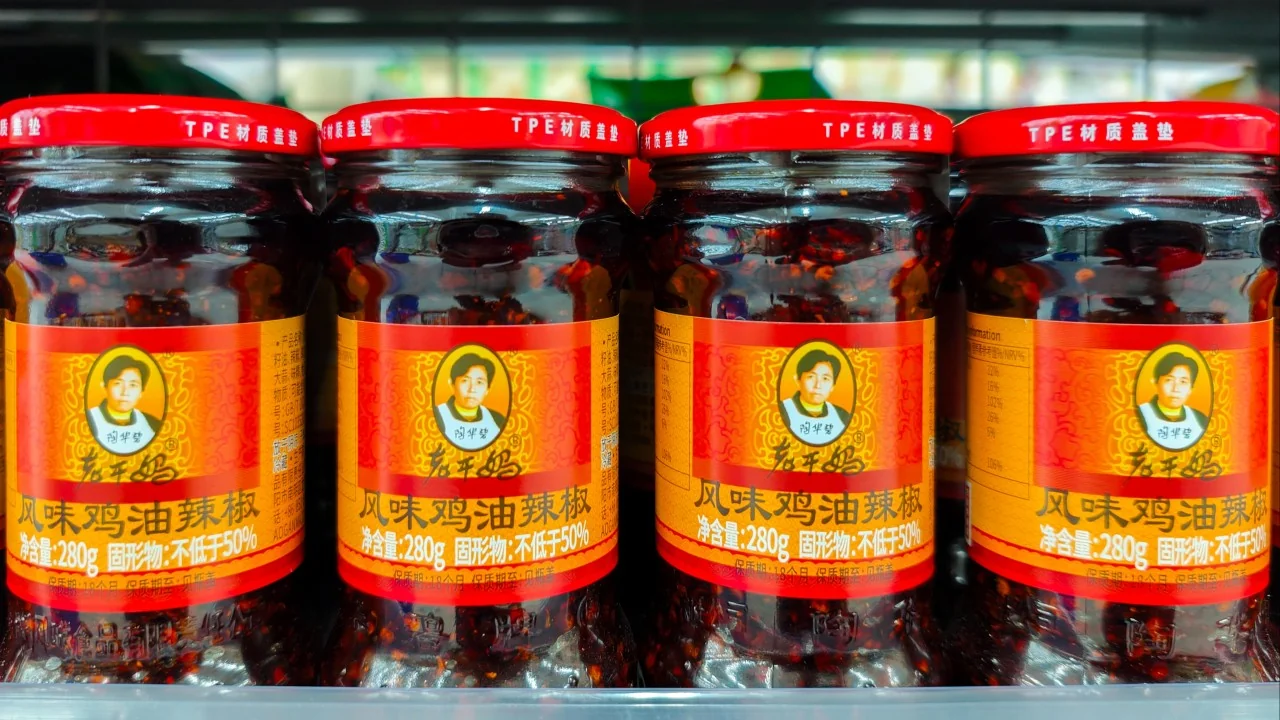
三十年来,印有创始人陶华碧严肃肖像的老干妈玻璃罐一直是中国餐桌上的常客,也是传统食品制造的象征。然而,本周这款标志性的辣椒酱却意外地成为了公众对人工智能焦虑的焦点。
For three decades, Lao Gan Ma’s glass jars, bearing the stern portrait of founder Tao Huabi, have been a fixture on Chinese dinner tables and a symbol of traditional food manufacturing. This week, however, the iconic chilli sauce has become an unlikely focus of public anxiety over artificial intelligence.
网络上有传言称这家总部位于贵州的公司的数百名工厂工人被人工智能取代,这在网上迅速病毒式传播,引发了抵制威胁,并突显了公众对自动化对世界第二大经济体就业影响日益增长的不安。
Online rumours that the Guizhou-based company had replaced hundreds of factory workers with AI went viral, prompting boycott threats and highlighting growing public unease over the impact of automation on jobs in the world’s second-largest economy.
周一,在有传言称老干妈在安装了人工智能驱动的检测系统后,将其辣椒分拣员工从600多人削减至仅48人之后,社交媒体平台微博上的猜测随之增加。
Speculation mounted on the social media platform Weibo on Monday after claims spread that Lao Gan Ma had reduced its chilli-sorting workforce from more than 600 people to just 48 after installing an AI-powered inspection system.
作为回应,一些网民威胁停止购买该调味品,而另据一些人则为这些改变辩护,称其为例行的产业升级。
In response, some internet users threatened to stop buying the condiment, while others defended the changes as a routine industrial upgrade.
据当地媒体报道,老干妈否认了有关人员配置的说法。该公司人力资源部门的一名员工周一告诉中国新闻媒体凤凰网,该公司确实将人工智能技术用于质量检测,但有关大规模裁员的报道是不实的。“我们从来没有雇佣过那么多工人,”该员工说。周三,多次致电老干妈总部寻求进一步置评均无人接听。这些网络传言似乎起源于对该公司工厂升级改造的媒体报道。
Lao Gan Ma rejected the staffing claims, according to local media reports. An employee in its human resources department told Chinese news outlet Ifeng on Monday that the company used AI technology for quality inspections, but reports of mass lay-offs were false. “We have never employed that many workers,” the employee said. Repeated calls to Lao Gan Ma’s headquarters seeking further comment went unanswered on Wednesday. The online rumours appear to have originated in media coverage of the firm’s factory upgrades.
根据《贵州日报》最近的一篇报道,老干妈执行副总经理兼首席质量官李鑫在本月早些时候举行的2026年贵州省质量发展大会上表示,该公司已于2025年全面引入了基于人工智能的视觉检测。
Li Xin, Lao Gan Ma’s executive deputy general manager and chief quality officer, told the 2026 Guizhou Provincial Quality Development Conference earlier this month that the company had fully introduced AI-based visual inspection in 2025, according to a recent Guizhou Daily report.
随后的报道加入了未经证实的员工人数数据,加剧了人们对该技术导致广泛失业的猜测。《贵州日报》的最初报道并未包含此类数据。
Subsequent reports added unverified staffing figures, fuelling speculation that the technology had led to widespread job losses. The original Guizhou Daily report contained no such figures.
布鲁金斯学会约翰·L·桑顿中国中心学者凯尔·陈表示,鉴于该公司的基层形象,这种强烈反弹尤为引人注目。
Kyle Chan, a fellow at the Brookings Institution’s John L. Thornton China Centre, said the backlash was particularly striking because of the company’s grass-roots image.
“老干妈是一个如此标志性的品牌,在人们想到人工智能时,它可能是最让人意想不到的,”他说。
“Lao Gan Ma is such an iconic brand and probably the furthest thing from people’s minds when thinking about AI,” he said.
陈表示,公众反应的强烈程度凸显出中国企业在运营中引入人工智能时需要谨慎行事。“它们冒着触及日益增长的焦虑情绪的风险,尽管官方的国家叙事往往侧重于乐观的视角,”他说。
Chan said the strength of the public reaction highlighted the need for Chinese businesses to tread carefully when introducing AI into their operations. “They risk tapping into growing anxieties, even as the official state narrative tends to focus on the optimistic view,” he said.
这场争议爆发之际,北京正寻求加速人工智能的应用,同时限制对一线工人的颠覆性影响。去年出台的一项“人工智能+”行动计划的目标是,到2027年战略行业的应用率达到70%,到2030年达到90%。但今年全国各地已经浮现了多起与人工智能相关裁员有关的劳资纠纷。
The controversy comes as Beijing seeks to accelerate AI adoption while limiting the disruptive impact on frontline workers. An “AI Plus” action plan unveiled last year targeted adoption rates of 70 per cent in strategic sectors by 2027 and 90 per cent by 2030. But several labour disputes linked to AI-related lay-offs have surfaced across the country this year.
上周,国务院发布了指导意见,敦促劳动密集型行业的企业在人工智能部署的速度和规模上保持谨慎,以尽量减少对工人的冲击。这些指令鼓励雇主在大规模推广人工智能之前提前通知员工,并为转岗培训和内部转岗提供支持。
Last week, the State Council issued guidelines urging companies in labour-intensive industries to exercise caution over the pace and scale of AI deployment to minimise disruption to workers. The directives encouraged employers to give staff advance notice before large-scale AI roll-outs and provide support for retraining and internal transfers to other roles.
但陈认为,这些保护措施还可以更进一步,包括要求企业为被人工智能取代的工人寻找替代岗位,或者在引入新系统后的过渡期内留用他们。
But Chan argued that the protections could go further, including requiring companies to find alternative roles for workers displaced by AI or retain them during a transition period after introducing new systems.