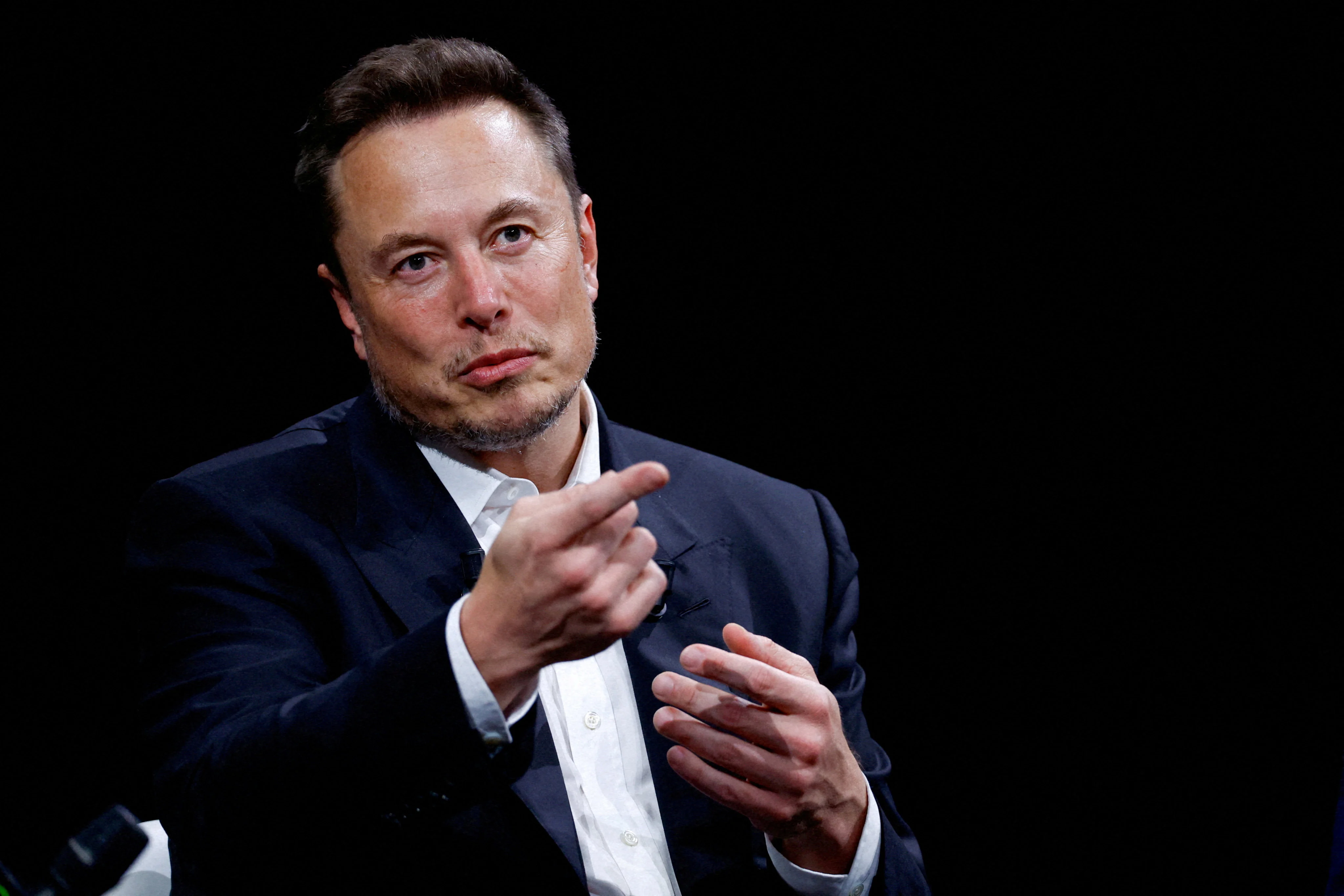
随着投资者对人工智能泡沫的焦虑加剧,SpaceX的埃隆·马斯克和英伟达掌门人黄仁勋,就支撑这轮热潮的专业云服务提供商能否在日益沉重的债务下生存,给出了截然不同的展望。
As investor anxiety over an artificial intelligence bubble mounts, SpaceX’s Elon Musk and Nvidia chief Jensen Huang have offered starkly divergent outlooks on whether the specialist cloud providers powering the boom can survive their mounting debts.
马斯克警告称,在200多家被称为“新云”的专门出租图形处理器(GPU)的企业中,即将出现倒闭和整合;而黄仁勋则依然看多,坚称强劲的市场需求将释放维持该行业运转所需的资本。
While Musk has warned of impending collapses and consolidation among the more than 200 dedicated graphics processing unit (GPU) rental ventures known as “neoclouds”, Huang remains bullish, insisting that robust market demand will unlock the capital needed to keep the sector afloat.
这场争论凸显了全球人工智能基础设施提供商日益面临的流动性压力,中国也不例外——在中国,科技巨头和专业数据中心开发商正投入数百亿美元建设算力,而清晰的变现路径尚未出现。
The dispute highlights the growing liquidity pressures facing AI infrastructure providers worldwide, including in China, where tech giants and specialised data-centre developers are committing tens of billions of dollars to build computing capacity before clear monetisation pathways emerge.
马斯克执掌特斯拉、SpaceX和xAI。他周日(11月30日)在社交媒体上发文,预测新云行业将出现大面积倒闭,并指出贷款机构已在很大程度上退出,不再支持那些在人工智能数据中心之外缺乏成熟收入来源的运营商。“有些会挺过去,但不会很多,”他写道。
Musk, who heads Tesla, SpaceX and xAI, wrote on social media on Sunday, predicting widespread failures across the neocloud sector, noting that lenders have largely retreated from backing operators that lack established revenue streams outside of AI data centres. “Some will make it through, but not many,” he wrote.
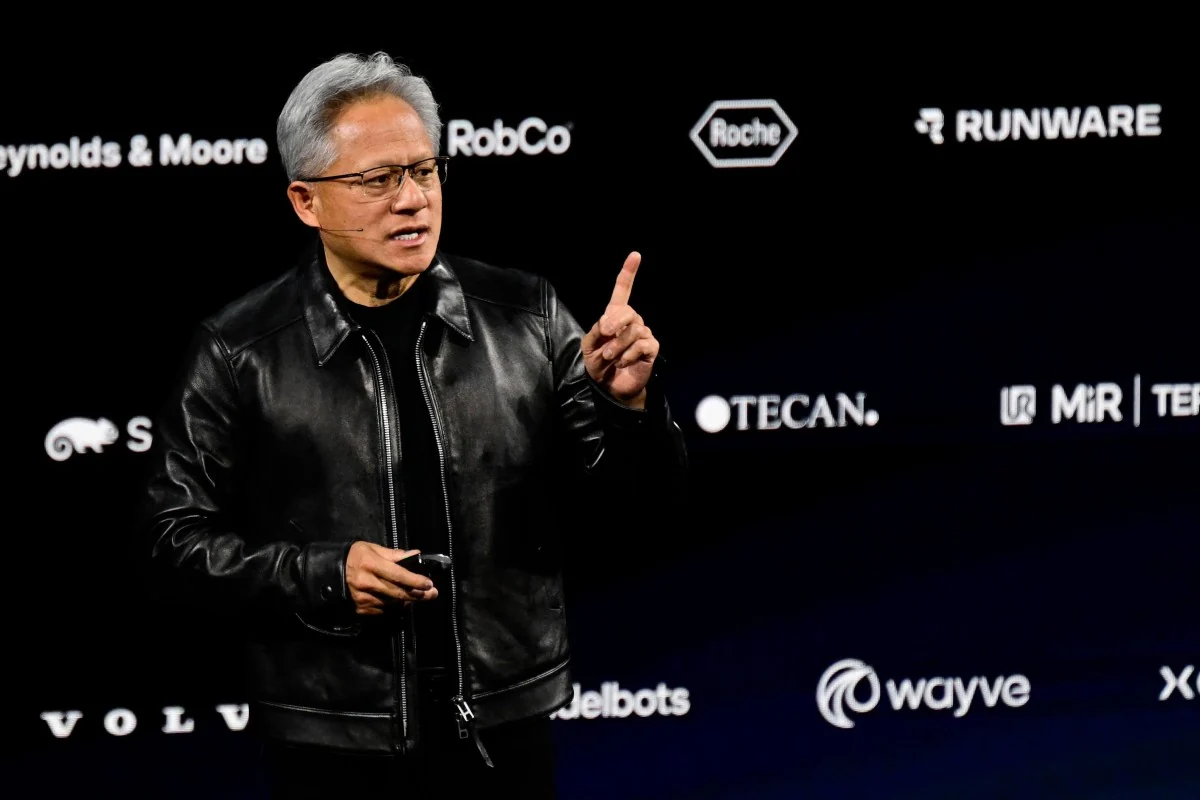
黄仁勋在几天前给出了截然不同的评估。这位英伟达掌门人上周四在柏林接受美国消费者新闻与商业频道(CNBC)采访时,称新云的需求“爆表”。他承认短期内存在资金紧张,但否认存在系统性担忧,称:“这会被解决的。”英伟达已积极介入,帮助客户融资,于8月宣布与六家金融机构建立合作,以在较长时期内帮助调动超过5000亿美元的第三方资本。
Huang offered a sharply contrasting assessment days earlier. Speaking to US broadcaster CNBC in Berlin on Thursday, the Nvidia boss described neocloud demand as “off the charts”. While acknowledging a near-term capital crunch, Huang dismissed systemic concerns, saying: “That’s going to get solved.”Nvidia has actively stepped in to ease customer financing, announcing partnerships in August with six financial institutions to help mobilise more than US$500 billion in third-party capital over an extended period of time.
新云运营商面临严重的现金流错配。它们必须支出数十亿美元,提前数月甚至数年锁定高端处理器和数据中心空间,之后才能产生租赁收入。施工延误可能进一步推迟收入,而借贷成本却在不断累积。
Neocloud operators face an acute cash-flow lag. They must outlay billions of dollars to secure high-end processors and data-centre space months or years before they can generate rental income. Construction delays can further postpone revenue while borrowing costs accumulate.
压力已在市场领跑者中显现。伯恩斯坦研究公司本周估计,美国市场领导者CoreWeave将需要180亿至420亿美元的额外融资,才能兑现其约1290亿美元的合同积压订单。该报告警告称,随着该公司寻求更短的租约,融资成本将不断上升。
The strain is already visible among market front-runners. Bernstein Research estimated this week that US market leader CoreWeave would require between US$18 billion and US$42 billion in additional financing to deliver on its roughly US$129 billion contracted backlog. The report warned of rising funding costs as the firm pursued shorter leases.
CoreWeave第二季度营收同比增长逾一倍,达到26亿美元,但净利息支出从去年同期的2.67亿美元激增至6.4亿美元。
CoreWeave’s second-quarter revenue more than doubled year on year to US$2.6 billion, but net interest expense surged to US$640 million from US$267 million over the same period.
今年8月,该公司披露,一笔期限约为五年的贷款,其背后支撑的客户合同平均期限仅为三年。尽管CoreWeave表示短期合同往往能带来更高的价格,但这种期限错配使该公司的贷款方在初始协议到期后面临收入不确定性。
In August, the company disclosed that a loan carrying a roughly five-year maturity was backed by customer contracts averaging just three years. While CoreWeave said shorter deals often commanded higher prices, the mismatch exposed the firm’s lenders to income uncertainty once initial agreements expired.
即便对计算能力的整体需求继续增长,借贷成本上升或租赁价格下降也可能进一步挤压CoreWeave的盈利能力和偿债能力。
Higher borrowing costs or lower rental prices could put further pressure on CoreWeave’s profitability and ability to service debt, even if overall demand for computing continues to grow.
部分新型云服务提供商仍能获得融资渠道,但信贷条件正根据交易对手的质量而出现分化。Nebius上周从花旗银行获得了35亿美元的过桥贷款,并表示长期融资选项包括以与投资级客户签订的逾400亿美元合同为抵押进行借款。
Financing lines remain open to some neocloud providers, but credit terms are bifurcating based on counterparty quality. Nebius secured a US$3.5 billion bridging loan from Citibank last week and said that longer-term funding options included borrowing against more than US$40 billion of contracts with investment-grade customers.
摩根士丹利在周日的一份报告中写道:“资金会有的,但不同借款人面临的条款正日益不同。”
“The capital will be there, but increasingly on different terms for different borrowers,” Morgan Stanley wrote in a report on Sunday.
对于微软、亚马逊、Alphabet和Meta Platforms等超大规模云服务商——以及中国的互联网巨头——而言,庞大的现有运营现金流提供了抵御资本市场波动的缓冲,而这是纯数据中心运营商所缺乏的。
For hyperscalers such as Microsoft, Amazon, Alphabet and Meta Platforms – as well as China’s internet titans – large existing operating cash flows provide a protective buffer against capital-market volatility that pure-play data-centre operators lack.
然而,即便是多元化企业集团,资本需求也十分沉重。申报文件显示,中国互联网巨头阿里巴巴集团、腾讯控股和百度第二季度资本支出合计达1319亿元人民币(198亿美元),导致三家企业的自由现金流均为负值。
Even for diversified conglomerates, however, the capital requirements are heavy. Chinese internet giants Alibaba Group Holding, Tencent Holdings and Baidu together racked up 131.9 billion yuan (US$19.8 billion) in capital expenditure during the second quarter, leaving all three with negative free cash flow, their filings showed.
腾讯季度经营现金流为527亿元,并报告称,若不是为算力容量支付了大额预付款,自由现金流本可保持正值,为376亿元。阿里巴巴拥有《南华早报》。
Tencent generated 52.7 billion yuan in quarterly operating cash flow, reporting that free cash flow would have remained positive at 37.6 billion yuan were it not for heavy prepayments for computing capacity. Alibaba owns the South China Morning Post.
中国建设企业在电力接入和监管许可等方面相较美国同行拥有一些运营优势。
Chinese builders hold some operational advantages over US peers, notably around power hookups and regulatory permits.
研究公司SemiAnalysis指出,在中国,一座标准的100兆瓦设施大约可在12个月内交付,从而缩短在租金收入开始前的现金消耗期,尽管美国对先进AI芯片的出口管制造成了明显的设备瓶颈。
According to research firm SemiAnalysis, a standard 100-megawatt facility in China could be delivered in around 12 months, cutting the cash-burn window before rental income began, even though US export controls on advanced AI chips created distinct equipment bottlenecks.
尽管如此,晨星高级股票分析师Chelsey Tam警告称,市场估值压力可能蔓延至中国算力和数据中心板块。
Still, market valuation pressures could spill over into Chinese computing and data-centre counters, warned Chelsey Tam, senior equity analyst at Morningstar.
她指出,在全球同行的估值倍数可能先于现金流调整而同步压缩,并补充说,全行业的高资本支出可能会持续到2028年,之后收入才会跟上。
She noted that valuation multiples could compress in tandem with global peers before cash flows adjusted, adding that high capital expenditure across the industry was likely to persist through 2028 before revenues caught up.
投资咨询公司86Research研究副主管Charlie Chai指出,与受债券收益率波动冲击的西方新型云运营商不同,中国AI企业享有相对稳定的融资环境。
Charlie Chai, vice head of research at investment consultancy 86Research, noted that unlike Western neocloud operators, which were buffeted by bond-yield swings, the Chinese AI players enjoyed relatively stable funding conditions.
但他表示,中国AI行业更大的风险在于国内企业和消费者的成本与利润率意识,这令人怀疑终端用户在AI token上的支出最终能否证明巨额基础设施投资是合理的。
However, a bigger risk for China’s AI industry lay in the cost- and margin-consciousness of domestic enterprises and consumers, raising doubts over whether end-user spending on AI tokens could ultimately justify vast infrastructure investments, he said.
不过,Chai预计这轮周期在全球范围内将以软着陆收场,而非骤然崩盘。
Still, Chai expected the cycle to conclude in a soft landing globally, rather than an abrupt crash.
他说:“人工智能供应链各环节的产能扩张受到异常显著的制约,这可能会抑制过度投资。这使当前的繁荣与以往的投机泡沫区别开来。”他还表示,现在判断中国是否也面临泡沫担忧还为时过早,因为地缘政治进一步加剧了晶圆厂通常面临的制约。
“Unusually significant constraints on capacity expansion across the AI supply chain could restrain overinvestment,” he said. “This distinguishes the current boom from previous speculative bubbles.”He added that it was premature to tell if China was also facing a bubble concern, since geopolitics further compounded normal fab constraints.
柴表示:“泡沫只有在事后才会显而易见。”这番话呼应了一句常被归于美国联邦储备委员会前主席艾伦·格林斯潘的名言。
“A bubble is only obvious in hindsight,” Chai said, echoing a remark often associated with former US Federal Reserve chairman Alan Greenspan.