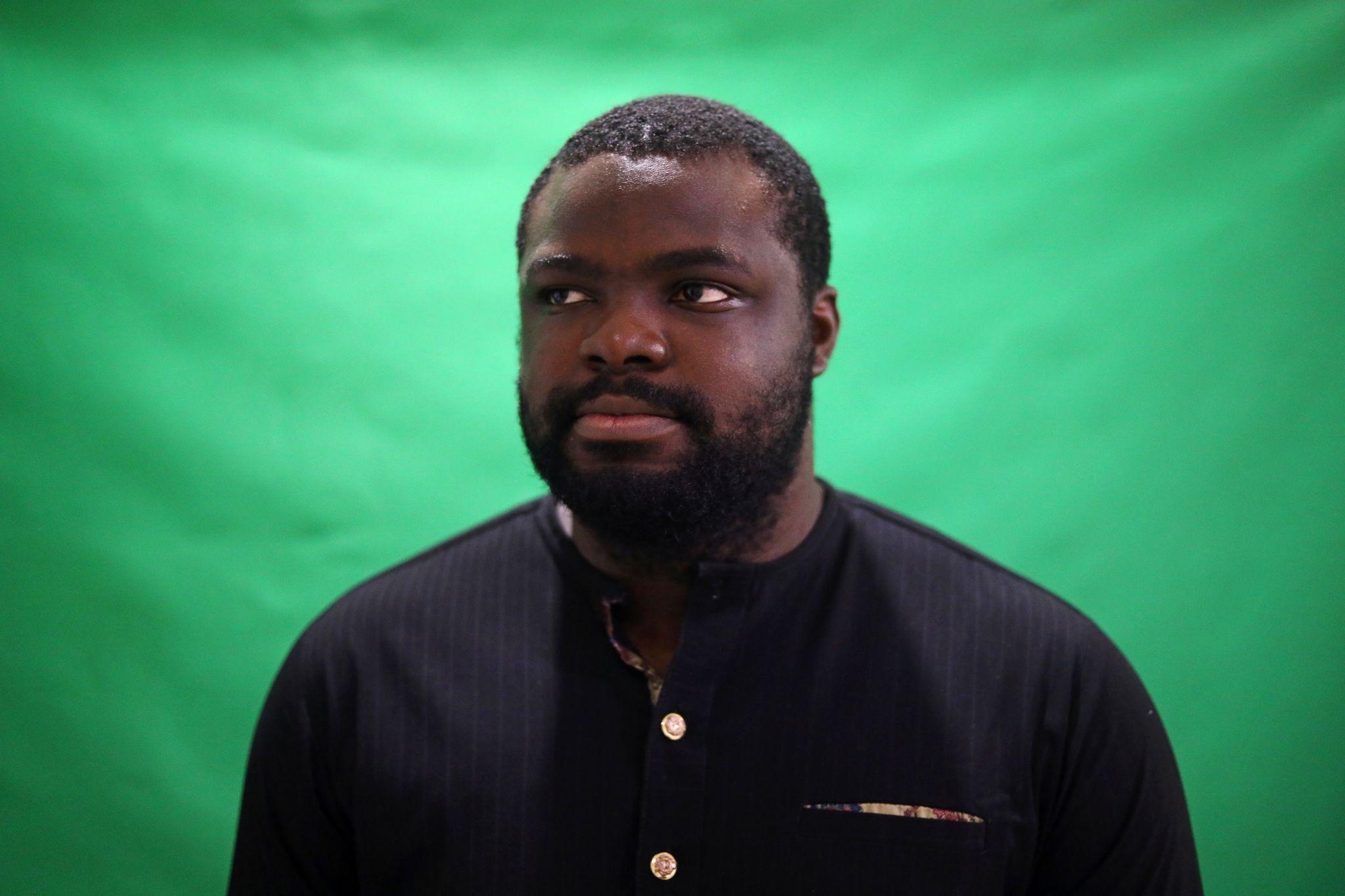
尼日利亚企业家伊因诺卢瓦·阿博耶吉(Iyinoluwa Aboyeji)曾联合创办两家估值超十亿美元的非洲初创企业,并是第三家独角兽企业的创始投资人,如今他正在进行另一项大胆押注:非洲软件工程师将填补全球日益增长的人工智能人才需求。
A Nigerian entrepreneur who co-founded two billion-dollar African startups and was a founding investor in a third is making another bold bet: that African software engineers will fill the rising global demand for AI talent.
阿博耶吉创办了 Talent Nation,旨在向跨国公司供应开发人员,提供制造可用 AI 产品仍不可或缺的人工输入。这家新企业与他 2014 年创办的 Andela 如出一辙,后者在马克·扎克伯格(Mark Zuckerberg)、塞雷娜·威廉姆斯(Serena Williams)和美国前副总统阿尔·戈尔(Al Gore)等投资者的支持下,在六个非洲国家培养了一代软件工程师。硅谷 AI 公司筹集的惊人资本规模——以 Anthropic 冲刺可能载入史册的 IPO 为例——指向一个可能超越他以往创业项目的市场机遇。
Iyinoluwa Aboyeji has started Talent Nation to supply developers to multinationals, providing the human input that remains relevant to making usable AI products. The new venture mirrors Andela, a company he launched in 2014 and which — with the backing of investors like Mark Zuckerberg, Serena Williams, and former US Vice President Al Gore — trained a generation of software engineers in six African countries. The dizzying levels of capital being raised by AI companies in Silicon Valley, underscored by the buzz around Anthropic’s march to a potentially historic IPO, point to a market opportunity that could surpass his previous endeavors.
“我们的目标是在未来 10 年培养 100 万 AI 工程师,”阿博耶吉在接受 Semafor 采访时表示。他还联合创办了 Flutterwave,并是 Moove 的首批投资人之一。他新公司培训项目的大多数开发人员将来自非洲,不过他说:“我不确定我们是否会限制自己。”阿博耶吉于 2016 年离开 Andela,后者最终在 2021 年不再局限于仅培训非洲软件开发人员。
“We’ve got a goal of a million AI engineers over the next 10 years,” Aboyeji, who also co-founded Flutterwave and was one of the first checks into Moove, told Semafor in an interview. Most developers from his new company’s training programs will be African, though “I don’t know that we are going to constrain ourselves,” he said. Andela, which Aboyeji left in 2016, eventually moved beyond training only African software developers in 2021.
阿博耶吉表示,Talent Nation 由非洲投资机构 Enza Capital 和总部位于伦敦的基金 LocalGlobe 提供种子资金启动,但拒绝透露金额。该初创企业的首个项目“Learn2Earn”收到 63,000 份申请,录取率不足 3%,入选者目前正在多个校区接受培训。该项目不收取学费。
Talent Nation is taking off with seed money from African investor Enza Capital and London-headquartered fund LocalGlobe, Aboyeji said, but declined to say how much. The startup’s inaugural program, Learn2Earn, has received 63,000 applications, from which less than 3% were selected and are currently in training in multiple campuses. It does not charge fees for tuition.
“大规模培养人才是一项极其复杂的任务,”公司首席执行官兼Talent Nation联合创始人Kesiah Valkin表示。“我们很容易说非洲拥有巨大的人才储备,但真正困难的是建设基础设施,真正找到这些人才,并将他们培养到具有全球竞争力的水平。”非洲的人工智能领域并未迎来接近科技巨头如微软、谷歌和英伟达向前沿模型公司注资的那种资金洪流。
“Developing talent at scale is an extraordinarily complex undertaking,” Kesiah Valkin, the company’s CEO and Talent Nation’s co-founder, said. “It is easy for us to say that Africa has enormous talent but what’s really hard is building the infrastructure to actually find that talent and develop them to globally competitive standards.”Africa’s AI scene is not recording anything close to the flood of money pouring into the frontier model companies from tech giants such as Microsoft, Google, and Nvidia.
与美国争相建设数据中心形成对比,非洲主要技术生态系统中的高层人工智能对话往往聚焦于治理担忧和国家政策文件,例如尼日利亚和肯尼亚在过去两年发布的文件。
Compared to the rush to build data centers in the US, high-level AI conversations in Africa’s leading technology ecosystems often focus on governance concerns and national policy documents, like those published by Nigeria and Kenya over the last two years.
实质性的基础设施举措也在推进中。津巴布韦科技亿万富翁Strive Masiyiwa旗下的一家公司今年在南非开普敦开设了其首个人工智能工厂——由处理大语言模型的数据中心和芯片组成——并计划在约翰内斯堡建设另一座。但除了对数据中心的需求和对构建人工智能赋能服务公司的资本投资外,人才供给是全球人工智能发展中最大的缺口,而非洲有望填补这一缺口,Talent Nation的创始人表示。根据波士顿咨询集团的数据,非洲仅有6.2万名人工智能专家,占全球人工智能劳动力的5%。
Substantial infrastructural moves are being made, too. A company owned by Zimbabwean tech billionaire Strive Masiyiwa opened its first AI factory — composed of data centers and chips that process large language models — in Cape Town, South Africa this year and plans to build another in Johannesburg. But beyond the need for data centers and capital investment into companies building AI-enabled services, the supply of human talent is the largest global gap in AI development and one that Africa is positioned to fill, Talent Nation’s founders say. Africa has only 62,000 AI specialists, accounting for 5% of the global AI workforce, according to the Boston Consulting Group.
随着人工智能投资军备竞赛的到来,一场争夺人才的战争随之展开,涉及提供数百万美元的薪酬待遇。根据在线学习平台Coursera的数据,在美国,人工智能工程师的基本薪资现在远高于美国其他工作的平均水平。“当你看到薪酬出现这种表现时,通常意味着供给受限,”Valkin说。
With the AI investment arms race has come a war for talent that involves the offer of multimillion-dollar pay packages. In the US, base salaries for AI engineers are now much higher than the mean for other jobs in the US, according to online learning platform Coursera. “When you see compensation behaving like that, it usually means supply is constrained,” Valkin said.
这家初创公司的部分计划尚未敲定。例如,Aboyeji 表示,他尚未决定 Talent Nation 培养的工程师是作为公司的全职员工,还是作为自由职业者。但他核算的一个关键支柱是:AI 工程师可以在为期两年的培训期内、无需付费讲师、基于同伴学习体系,以低于 5000 美元的成本达到世界级水平。
Some of the startup’s plans are yet to be finalized. For example, Aboyeji said he has not made a decision whether Talent Nation’s trained engineers will be the company’s full time employees or freelancers. But a key pillar of his calculation is that AI engineers can become world-class for less than $5,000 over a two-year training period, without paid instructors but based on a peer learning system.
“我们不需要 30 万美元的 AI 工程师。这项技术不会以这种方式走进世界各地的夫妻店,”Aboyeji 说。
“We don’t need $300,000 AI engineers. That’s not how this technology is going to find its way to mom and pop shops around the world,” Aboyeji said.