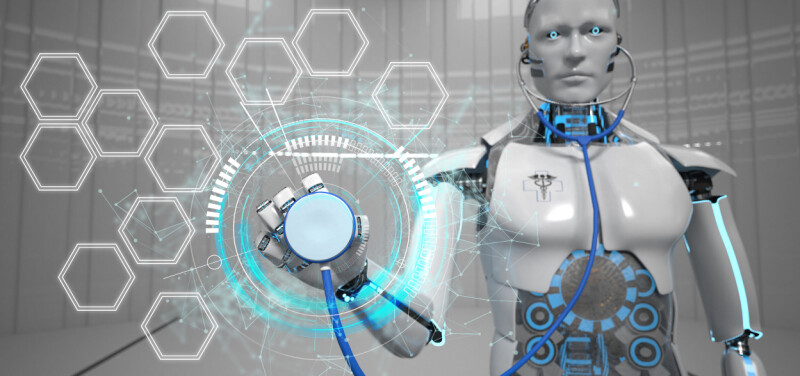
谷歌正与美国国家航空航天局(NASA)合作,开发一款机器人医疗助手,旨在协助宇航员执行未来的深空任务。谷歌公共部门副总裁吉姆·凯利在周二的一篇博客文章中表示,该公司最新的“登月计划”项目有望将其技术推向月球表面之外,谷歌公共部门部门正与NASA人类研究计划、约翰逊航天中心机器人团队及喷气推进实验室合作,开发一款能够协助宇航员完成医疗任务、货物搬运和日常维护的机器人。
Google is working with NASA to develop a robotic medical assistant that could help astronauts on future deep-space missions. Chocolate Factory's public sector VP Jim Kelly said in a Tuesday blog post that the company's latest moonshot could take its technology far beyond the lunar surface, with Google's public sector arm partnering with NASA's Human Research Program, Johnson Space Center's robotics team, and the Jet Propulsion Laboratory to develop a robot that could assist astronauts with medical tasks, cargo handling, and routine maintenance.
该机器人项目建立在“机组医疗官数字助手”(CMO-DA)的基础上,这是一款由AI驱动的医疗决策支持系统,谷歌自去年以来一直在与NASA合作开发。CMO-DA由红帽支持的开源本地AI工具RamaLama提供动力,目前已在国际空间站(ISS)所用计算机的地面副本上进行评估。它旨在本地运行AI模型以评估医疗问题,由于地球与深空宇航员之间存在通信延迟,这将成为未来太空任务的关键部分。
The robotics project builds on the Crew Medical Officer Digital Assistant (CMO-DA), an AI-powered medical decision-support system Google has been working on with NASA since last year. CMO-DA, which is powered by the Red Hat-supported open source local AI tool RamaLama, is already being evaluated on Earth-bound copies of computers used aboard the ISS. It’s designed to run AI models locally for evaluation of medical issues, which will be a key part of future space missions due to the communications lag between Earth and astronauts in deep space.
凯利在本周的博客文章中表示:“未来执行火星深空任务的宇航员可能面临严峻的操作挑战——包括长达44分钟的往返通信延迟,这使得实时医疗指导几乎成为不可能。”
“An astronaut on a future deep space mission to Mars could face severe operational challenges—including round-trip communication latencies of up to 44 minutes, making real-time medical guidance for crew nearly impossible,” Kelly said in this week’s blog post.
谷歌和NASA设想该机器人作为人类机组医疗官的助手,在不需要床边协助时帮助处理医疗任务并从事其他工作。凯利解释道:“为了最大化其对精简机组的效用,该机器人系统被设计为多功能‘有效载荷’处理器,能够管理货物、后勤和设备。”
Google and NASA envision the robot as an assistant to a human crew medical officer, helping with medical tasks and doing other work when bedside assistance isn't required. “To maximize its utility for a lean crew, the robotic system is designed as a versatile 'payload' handler capable of managing cargo, logistics, and equipment,” Kelly explained.
“当不需要进行日常维护(如整理工具或固定隔间)时,它可以转为提供医疗支持。”作为其潜在用途的一个例子,谷歌公共部门副总裁解释说,如果有人经历可能由肾结石引起的严重背痛,机器人可以取来并准备好超声波机器,让机组医疗官解读扫描结果并决定治疗方案。“最终目标是建立一个机器人系统,能够在宇航员的直接监督和指挥下,通过简单的语音指令执行各种任务,”凯利说。
“When not needed for routine maintenance like organizing tools or securing compartments, it can pivot to medical support.”As one example of its potential use, the Google public sector VP explained that, were someone to experience severe back pain potentially caused by kidney stones, the robot could fetch and prep an ultrasound machine, leaving the crew medical officer to interpret the scan and decide on treatment. “The ultimate goal is to build a robotic system that can execute a variety of tasks via simple voice instructions, under the astronauts’ direct supervision and command,” Kelly said.
“例如,在人类机组医疗官的严格指导下,机器人可能会被指派协助日常健康监测——如采集基本生命体征或进行简单的超声波检查。”所以,这更多是给过度劳累的人类医生提供一双额外的手,而不是一个成熟的数字医疗官。
“For instance, the robot might be directed to assist with routine health monitoring—such as capturing basic vitals or simple ultrasounds—under the strict guidance of a human crew medical officer.”So, not a full-fledged digital medical officer as much as an extra set of hands for an overworked human doc.
至于项目进展,似乎尚未取得太大进展。谷歌概述了正在探索的几项技术,包括喷气推进实验室(JPL)将原本用于追踪轨道物体的卫星态势感知工具进行改造,以帮助机器人在三维空间中导航。该项目仍处于概念验证阶段,已进行早期实验室演示,但谷歌尚未确认是否存在完全集成、可用于太空的机器人。凯利解释说,谷歌使用了DeepMind的MuJoCo物理模拟器来测试机器人的动作,该系统在早期涉及定位和移动医疗包的实验室测试中取得了初步的85%成功率——这并不能完全证明它已准备好协助医疗程序,但这是一个开始。谷歌将问题转交给美国国家航空航天局(NASA),但该航天机构拒绝透露具体细节。
As for the status of the project, it doesn't appear to have advanced too far yet. Google outlines several technologies being explored, including JPL's work adapting satellite situational-awareness tools originally used to track objects in orbit to help the robot navigate 3D spaces. The project remains at the proof-of-concept stage, with early laboratory demonstrations conducted, but Google hasn't confirmed whether a fully integrated, space-ready robot exists. Kelly explained that Google used DeepMind's MuJoCo physics simulator to test the robot's movements, and that the system scored an initial 85 percent success rate in early lab tests involving locating and moving a medical bag – not exactly proof that it's ready to assist with medical procedures, but it's a start. Google referred us to NASA for questions, but the space agency declined to get into specifics.
该机构仅告知我们,它正在为其众多任务开展各种“超级智能”(翻白眼——对我们这些生活在现实世界中的人来说,那就是AI)项目,并正与合作伙伴共同评估这些项目,以备未来应用。®
The agency only told us it's working on a variety of "super intelligence" (eye roll - that's AI to those of us operating in reality) projects for its many missions, and that it's working with partners to assess them for future applications. ®