我将超过十分之一的精力投入到慈善事业中。2007年黑石集团上市时,股份出售为我带来的资源远超我个人所需。
I devote more than a 10th of my energy to philanthropy. When Blackstone went public in 2007, the sale of shares gave me resources far beyond anything I needed for myself.
次年,我承诺捐赠1亿美元,用于纽约公立图书馆的大规模改造。从那时起,我的捐赠事业正式起步。迄今为止,我的慈善承诺总额约为15亿美元。
The following year, I committed $100 million to a major transformation of the New York Public Library. From that point on, my giving began in earnest. To date, my philanthropic commitments have totaled roughly $1.5 billion.
正如我在本系列第二期中提到的,这种冲动可追溯至我的童年。我眼睁睁看着祖父母源源不断地向生活在以色列的犹太同胞寄送物资。
As I mentioned in the second installment of this series, the impulse reaches back to my childhood. I grew up watching my grandparents send a steady stream of supplies to fellow Jews living in Israel.
慈善事业也深深植根于美国传统之中,被视为一种“绝对的善”。生活在纽约,你会很快发现,这座城市的博物馆、剧院、大学、医院和文化机构长期以来一直依赖富有捐赠者的慷慨解囊。然而,我的做法与传统慈善家有所不同。首先,我寻求在大规模上带来变革。
Philanthropy is also woven deeply into the American tradition. It is regarded as an "absolute good." Live in New York, and you quickly see that the city's museums, theaters, universities, hospitals and cultural institutions have long depended on the generosity of wealthy benefactors. My own approach, however, differs from that of the conventional philanthropist. First, I seek to bring about change on a large scale.
我承诺捐赠3.5亿美元,支持麻省理工学院的人工智能研究与教育。
I committed $350 million to support research and education in artificial intelligence at the Massachusetts Institute of Technology.
强化麻省理工学院本身只是目的之一。面对被超越的前景,斯坦福大学、卡内基梅隆大学等其他顶尖学府将被迫加强自身的人工智能项目。竞争将加剧,创新将加速,国家整体能力将随之提升。
Strengthening MIT itself was only part of the purpose. Faced with the prospect of being overtaken, Stanford, Carnegie Mellon and other leading institutions would be compelled to reinforce their own AI programs. Competition would intensify, innovation would accelerate, and the capabilities of the country as a whole would rise.
更宏大的目标是让整个美国体系更具竞争力,并更深度地聚焦于人工智能领域。
The larger objective was to make the entire American system more competitive and more deeply focused on artificial intelligence.
其次,我试图做别人无法做到的事。如果别人愿意提供资金,我通常乐于将任务交给他们。我转而寻找那些无人愿意或无力支持的重要事业。
Second, I try to do what no one else can. If someone else is prepared to provide the money, I am generally happy to leave the task to them. I look instead for important causes that no one else is willing or able to support.
第三,我保留了对结果产生实质性影响的角色。典型的慈善家向机构捐款,然后寄希望于最好的结果。如果项目开始出现偏差,捐赠者可能几乎无能为力。
Third, I retain a meaningful role in the outcome. The typical philanthropist gives money to an institution and hopes for the best. If the project begins to go wrong, there may be little the donor can do.
我的做法不同。我寻求在决策过程中处于平等——甚至更有利——的地位,并保持积极参与,以确保目标得以实现。“施瓦茨曼学者”项目的成功让我感到特别欣慰。
I approach matters differently. I seek a position of equal standing -- or greater -- in the decision-making process, and I remain actively involved to ensure that the objective is achieved. The success of Schwarzman Scholars gives me particular satisfaction.
我于2013年在中国清华大学创立了该项目,首届学员于2016年入学。
I founded the program at Tsinghua University in China in 2013, and its first class enrolled in 2016.
自2007年中国政府投资黑石集团以来,我一直与中国保持着密切接触。这一经历滋生出一种担忧。
Ever since the Chinese government invested in Blackstone in 2007, I had been closely engaged with China. Out of that experience grew a concern.
如果中国继续年复一年地保持两位数增长,而发达经济体却难以实现任何可比拟的增长,那些国家的民众可能会越来越多地将挫败感和怨恨指向中国。由此产生的紧张局势可能不会局限于贸易领域。
If China continued expanding at double-digit rates year after year while the advanced economies struggled to achieve anything comparable, people in those countries might increasingly direct their frustration and resentment toward China. The resulting tensions might not remain confined to trade.
因此,我从一个简单的想法着手:趁还有时间,把有才华的年轻人从世界各地带到中国。让他们亲身了解这个国家——不仅通过日常生活,还通过与中国领导人会面、游历全国各地。然后让他们带着这些认知回国,加深理解,帮助管理本国与中国的关系。
So I began with a simple idea: bring talented young people from around the world to China while there was still time. Let them learn about the country firsthand -- not only through daily life, but through meetings with its leaders and travel throughout the nation. Then let them return home equipped to deepen understanding and help manage their countries' relations with China.
约1500名毕业生已返回100多个国家。他们正崭露头角,成为政治领袖、企业家、知名高管和政府官员的顾问,以及非政府组织负责人。我的下一个目标是将这一数字增加到1.5万。
Some 1,500 graduates have returned to more than 100 countries. They are emerging as political leaders, entrepreneurs, advisers to prominent executives and government officials, and heads of nongovernmental organizations. My next goal is to increase that number to 15,000.
孙正义——软银集团创始人兼首席执行官——向该项目捐赠了逾2500万美元,而前首相安倍晋三则派遣日本政府官员作为学生参与其中。
Masa -- Masayoshi Son, the founder and chief executive of SoftBank Group -- contributed more than $25 million to the initiative, while former Prime Minister Shinzo Abe sent Japanese government officials to take part as students.
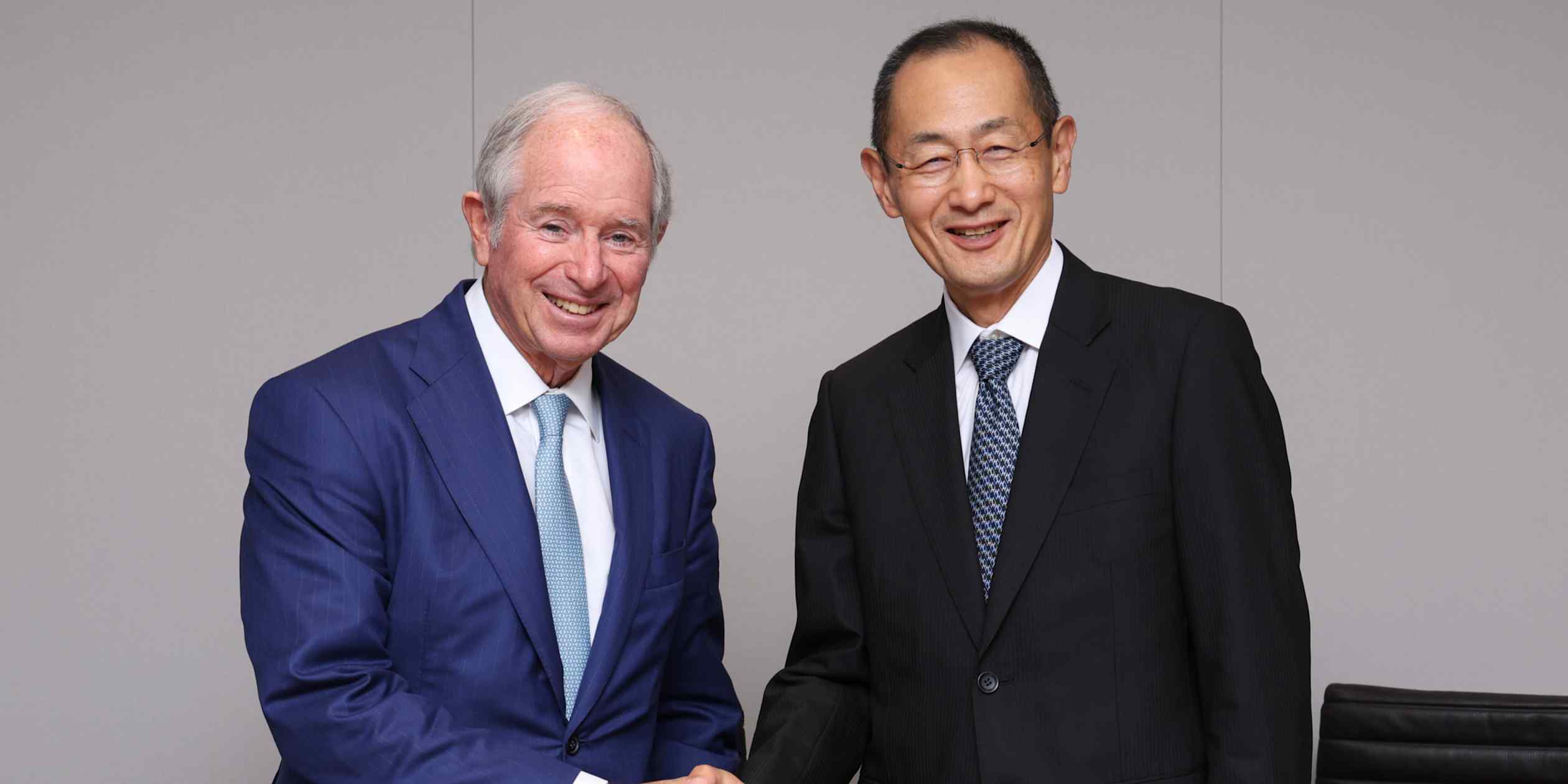
去年,我也在日本完成了首笔慈善捐赠。这笔资金用于支持京都大学山中伸弥教授及其将诱导多能干细胞——即iPS细胞——应用于癌症治疗的研究工作。
Last year, I also made my first philanthropic gift in Japan. It provides financial support for professor Shinya Yamanaka of Kyoto University and his work applying induced pluripotent stem cells -- iPS cells -- to the treatment of cancer.
通过我的慈善事业,我已对癌症研究有了更深入的了解。加州大学伯克利分校教授珍妮弗·杜德纳,一位老相识,和山中教授一样是诺贝尔奖得主,她鼓励我支持这项工作。得知山中教授也获得日本政府的支持,坚定了我的信念。
Through my philanthropy, I had already developed a deeper understanding of cancer research. Jennifer Doudna, a professor at the University of California, Berkeley, an old acquaintance and, like Dr. Yamanaka, a Nobel laureate, encouraged me to support the work. Learning that professor Yamanaka also had the backing of the Japanese government reinforced my conviction.
年龄让我学到了一些东西。我的成功从来不只属于我一人。之所以能取得成功,只因我生活在一个给予我机会的社会,其中教育首当其冲。我怎能不心怀感激?
Age has taught me something. My success was never mine alone. It was possible only because I lived in a society that gave me opportunities, education foremost among them. How could I not be grateful?
资本主义有一个副作用:它制造收入和机会的不平等。慈善事业可以将个人所获财富的一部分回馈社会,帮助缩小这些差距。
Capitalism has a side effect: It produces inequality of income and opportunity. Philanthropy can return part of the wealth one has earned to society and help soften those disparities.
如果我能拓宽他人可获得的机会范围,那么这样做不仅仅是一项慷慨之举;更是一份责任。斯蒂芬·施瓦茨曼是黑石集团联合创始人、董事长兼首席执行官。
If I can widen the range of opportunities available to others, then doing so is not merely an act of generosity; it is a responsibility. Stephen Schwarzman is co-founder, chairman and CEO of Blackstone.