韩国存储芯片巨头SK海力士上一季度将其总销售额的近80%保留为营业利润,这一利润率在制造业中几乎闻所未闻,因为韩国芯片制造商正收获全球人工智能热潮的红利。
South Korean memory chip giant SK Hynix kept almost 80 per cent of its total sales as operating profit last quarter, a margin almost unheard of in manufacturing, as the country’s chipmakers reap the rewards of the global artificial intelligence boom.
SK海力士周三公布,截至9月的三个月内,其营业利润(定义为公司核心业务在利息和税项前的收益)同比激增632%,达到83.33万亿韩元(约合627.6亿美元),营收为104.62万亿韩元——标志着其连续第六个季度刷新纪录。
Operating profit, defined as earnings from the company’s core business before interest and taxes, soared 632 per cent in the three months to September from a year earlier to 83.33 trillion won (US$62.76 billion) on revenue of 104.62 trillion won, SK Hynix reported on Wednesday – marking its sixth consecutive record quarter.
分析师此前预期该公司营业利润约为77万亿韩元。其营业利润率(即营收中作为营业利润保留的份额)在第三季度达到79.7%,高于第一季度的72%和第二季度的76.3%。
Analysts had expected the company to report an operating profit of about 77 trillion won. Its operating margin, or the share of revenue left as operating profit, was 79.7 per cent in the third quarter, up from 72 per cent in the first and 76.3 per cent in the second.
SK海力士的主要国内竞争对手三星电子本月早些时候公布了初步第三季度数据。其营收为195万亿韩元,同比增长126.6%;营业利润为107.4万亿韩元,同比增长782.5%——利润率约为55%。
Samsung Electronics, SK Hynix’s main domestic rival, reported preliminary third-quarter figures earlier this month. Its revenue came in at 195 trillion won, up 126.6 per cent, and operating profit was 107.4 trillion won, up 782.5 per cent – a margin of about 55 per cent.
据西江大学经济学教授许正(Hur Jung,音)表示,芯片价格飙升推动了利润激增,他称这是“确实极为罕见的营业利润率”。
Sky-high chip prices drove the profit surge, according to Hur Jung, an economics professor at Sogang University, who called it “an extremely rare operating margin, indeed”.
他说:“销量确实增加了,但营业利润的上升主要应归因于价格上涨,而非芯片销售量的增加。”
“Sales volumes have certainly increased, but the rise in operating profit should be attributed mainly to price increases rather than the volume of chips sold,” he said.
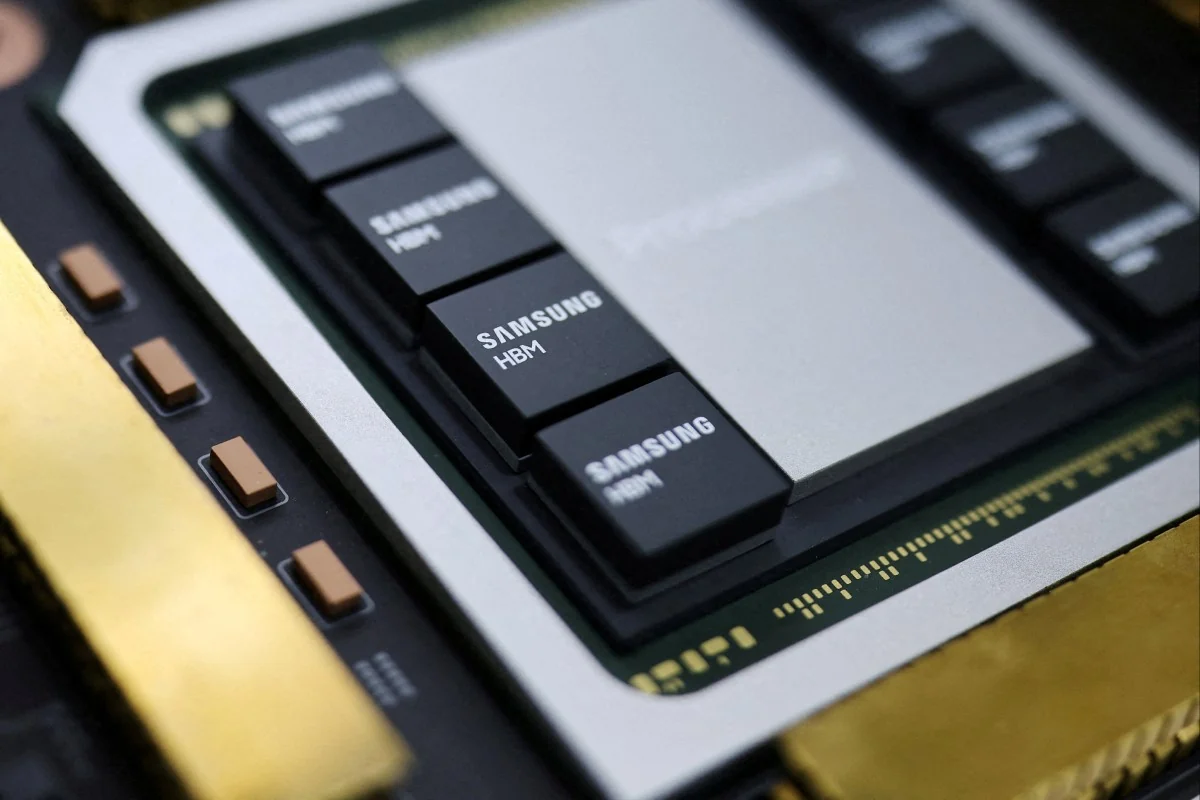
许正表示,这是“垄断性利润”,意指来自由少数卖方控制的市场的利润。“几乎没有多少公司能够取代它们。”SK海力士和三星合计供应全球超过60%的动态随机存取存储器(DRAM),即计算机主动处理数据所需的芯片。它们在高带宽存储器(HBM)领域也拥有近乎双寡头的地位,HBM是AI系统使用的一种更快的DRAM。
These were “oligopolistic profits”, Hur said, meaning they came from a market controlled by few sellers. “There simply aren’t many companies capable of replacing them.”Together, SK Hynix and Samsung supply more than 60 per cent of the world’s dynamic random-access memory (DRAM), the chips needed to hold the data computers are actively working on. They also have a near-duopoly in high-bandwidth memory (HBM), a faster type of DRAM that AI systems use.
中国芯片制造商的任何市场份额增长都将以韩国公司的利益为代价。韩国经济产业研究院经济研究室室长、汉阳大学教授金光锡表示,存储芯片尤其是用于数据中心的HBM需求激增,而供应依然紧张。
Any gains in market share by Chinese chipmakers would come at the expense of South Korean companiesKim Gwang-suk, economist Kim Gwang-suk, head of economic research at the Institute for Korean Economy and Industry and a Hanyang University professor, said demand for memory chips, especially HBM for data centres, had surged while supplies stayed tight.
他说:“因此,各类客户已同意以更高价格签订合同,使这些公司得以打破以往的盈利纪录。”
“As a result, various customers have agreed to contracts at higher prices, enabling the companies to break their previous earnings records,” he said.
两家芯片制造商都面临来自美国竞争对手美光科技以及中国制造商长鑫存储技术(CXMT)和长江存储科技(YMTC)的激烈竞争。
Both chipmakers face fierce competition from US rival Micron Technology and Chinese manufacturers ChangXin Memory Technologies (CXMT) and Yangtze Memory Technologies Corp (YMTC).
但分析师表示,数十年的制造经验、成熟的生产工艺和先进的封装设施(用于组装成品芯片)使韩国公司在数据中心存储等关键细分领域占据优势。
But analysts say decades of manufacturing experience, mature production processes and advanced packaging facilities, which assemble finished chips, give the South Korean companies an edge in critical segments such as memory for data centres.
SK海力士表示,正在与部分客户延长长期协议,并讨论超出典型五年期限的条款,以确保更可预测的收益。
SK Hynix has said it is extending long-term agreements with some customers and discussing terms beyond the typical five years to secure more predictable earnings.
合同锁定产量在2027年和2028年已分别占公司总产能的50%以上。
Contracted volumes already account for more than 50 per cent of the company’s total production capacity in both 2027 and 2028.
首席执行官郭鲁正在声明中说:“我们的业务结构正在转变为具有收益稳定性和中长期需求可见性的结构。”他将这笔巨额利润归功于“通过技术竞争力建立的客户信任”。
“Our business structure is transforming into one with earnings stability and mid- to long-term demand visibility,” CEO Kwak Noh-jung said in a statement, in which he credited the blockbuster profits to “customer trust built through our technological competitiveness”.
除了季度业绩外,SK海力士还宣布了一项60万亿韩元的股东回报计划,这在上周完成的40万亿韩元计划之上。公司还计划通过一次性特别股息,派发其持有的日本铠侠(一家闪存制造商)股份所实现的大部分收益。
Alongside its quarterly results, SK Hynix announced a 60 trillion won shareholder-return plan, on top of a 40 trillion won programme completed last week. It also plans to pay out most of the gains realised from its stake in Japan’s Kioxia, a flash-memory maker, through a special one-off dividend.
股东有望从第三季度计划的分配中获得约2万韩元(约合15美元)的每股分红。该公司股价周三报1.487万韩元,较前一日上涨逾10%。
Shareholders stand to receive about 20,000 won (US$15) per share from the third quarter’s planned distribution. The company’s shares were trading at 1.487 million won on Wednesday, up more than 10 per cent from the previous day.
Hur 表示,两家公司打破纪录的财务业绩将增强其资助进一步研发和扩大产能的能力。但 Kim 质疑此类利润和营业利润率能否在长期维持。
Hur said both companies’ record-shattering financial results would strengthen their ability to fund further research and expand production. But Kim questioned whether such profits and operating margins could last over the long term.
“如果价格见顶,营业利润率可能会受到压力,”他表示,并预测利润率可能在本年度第四季度或2027年第一季度出现回落。
“If prices peak out, operating margins could come under pressure,” he said, forecasting that margins were likely to moderate in the fourth quarter of the year or the first quarter of 2027.
他称,收入仍有增长空间,只是通过更高的销量而非更高的价格实现,这将导致利润率趋于平稳。
He said revenue could still grow, just through higher volume rather than higher prices, causing margins to level off.
Hur 预计 AI 芯片的红利还能持续两到三年,但不会无限期延长。
Hur expects the AI chip windfall to last another two to three years, but not indefinitely.
有两大因素可能延长这一繁荣期。第一是中国需求。字节跳动、腾讯控股以及拥有《南华早报》的阿里巴巴均在准备大规模的 AI 投资。
Two factors could extend the boom. The first is Chinese demand. ByteDance, Tencent Holdings and Alibaba, which owns the South China Morning Post, are all preparing heavy AI spending.
但 Kim 表示,国内中国厂商如长江存储(CXMT)和紫光国微(YMTC)仍在大规模生产前沿存储芯片方面面临困难。
But Kim said domestic Chinese manufacturers such as CXMT and YMTC still struggled to mass-produce cutting-edge memory chips.
“为进行必要的资本投入并在 AI 赛道上快速追赶,中国科技公司可能会寻求与韩国芯片制造商签订长期供货合同,”他说。
“To make the necessary capital investments and catch up fast in the AI race, Chinese tech companies may seek long-term supply contracts with South Korean chipmakers,” he said.
第二个因素是技术。两家韩国公司都在研发下一代高带宽存储(HBM),该技术通过垂直堆叠多个存储层实现更高的能效和容量,使其更容易处理大容量数据。
The second factor is technology. Both South Korean companies are developing the next generation of HBM – designed for better energy efficiency and capacity by stacking several memory layers vertically, allowing them to more easily handle large volumes of data.
Kim 说,这些产品上市后可能为两家公司带来显著提振,主要挑战来自中国半导体产业。
These products hitting the market could give both companies a significant boost, Kim said, with the main challenge coming from China’s semiconductor industry.
他指出,很多因素取决于 CXMT 能够获取的市场份额,“尤其是在低价位存储细分市场”,以及中国竞争对手是否能够开始大规模生产性能更高的芯片。
Much would depend on the amount of market share CXMT was able to capture, “particularly in the lower-priced memory segment” and whether Chinese competitors could begin mass producing higher-performance chips, he said.
金说,长鑫存储也曾宣布开发HBM的计划,但“它能否从这一雄心推进到量产,仍是一个重要问题”。
CXMT had also announced plans to develop HBM, but “whether it can progress from that ambition to mass production remains an important question”, Kim said.
与此同时,许表示,芯片出口带来的外汇收入可能有助于稳定韩元,但他对相关收益能否进一步广泛扩散表示怀疑。
Meanwhile, Hur said the foreign-currency earnings from chip exports could help stabilise South Korea’s won, but he cast doubt on the benefits spreading much further.
“虽然这可能通过分红使股东受益,员工也可能获得奖金,但我认为这些收益不会转化为更广泛的经济涓滴效应,”他说。
“While it may benefit shareholders through dividends, and employees could also receive bonuses, I don’t think the gains will translate into a broader economic trickle-down effect,” he said.