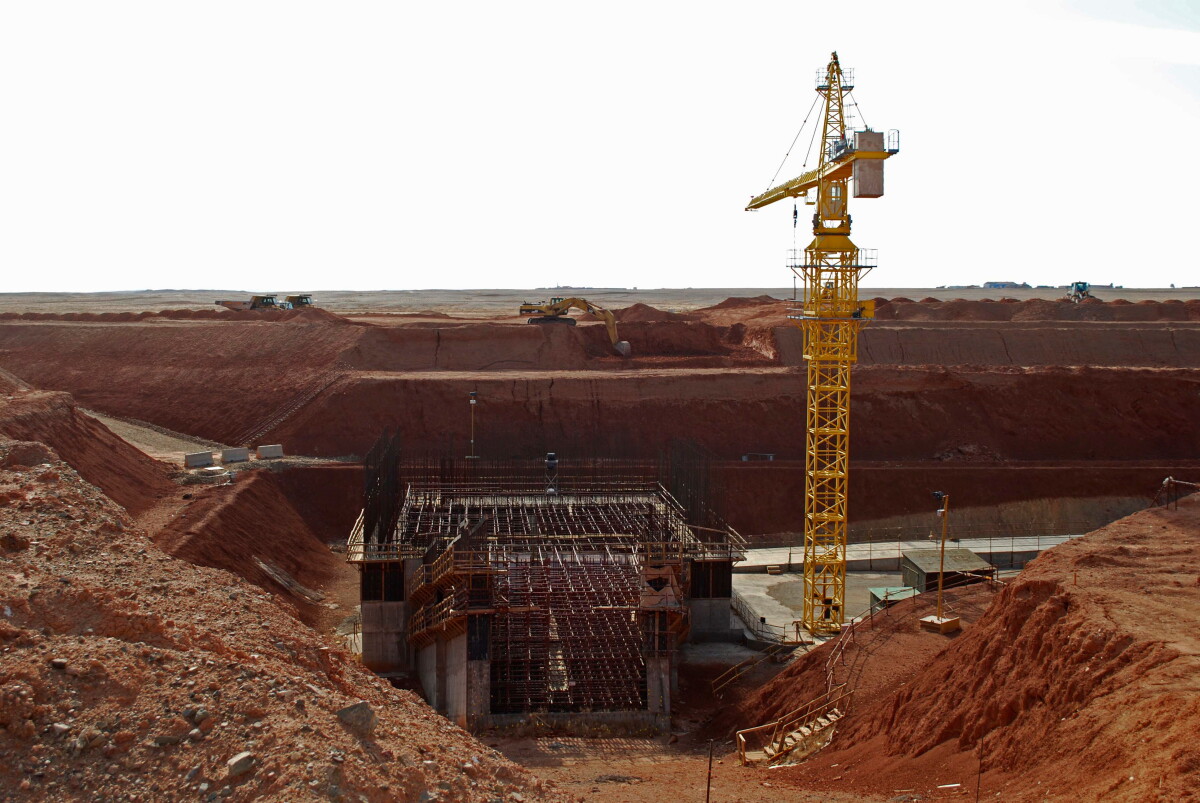
乌兰巴托,蒙古 — 蒙古最大铜矿之一的运营商表示,由于边境口岸限制,过去两周向中国出口的铜精矿下降了约 70%。
ULAANBAATAR, Mongolia — The operator of one of Mongolia’s largest copper mines says its exports of copper concentrate to China have dropped by about 70% in the past two weeks due to restrictions at a border crossing.
这一中断引发了对潜在收入损失以及蒙古庞大矿产部门受到冲击的担忧。
The disruption has raised concerns over potential revenue losses and disruptions to Mongolia’s massive mineral sector.
运营奥尤陶勒盖铜矿(世界最大铜矿之一)的奥尤陶勒盖有限责任公司周四表示,跨越中蒙边境运输铜精矿的卡车车队数量,已从通常的每天 13 至 15 个降至仅 3 至 4 个。限制影响通过中国甘其毛都口岸通行的车辆,该口岸与蒙古的嘎顺苏海特口岸相邻。
Oyu Tolgoi LLC, which operates Oyu Tolgoi, one of the world’s largest copper mines, said Thursday that the number of truck convoys transporting copper concentrate across the Chinese border has fallen from the usual 13–15 per day to just three or four. The restrictions affect vehicles crossing at China’s Ganqimaodu Border Port, which is adjacent to Mongolia’s Gashuunsukhait Border Port.
公司表示,出口削减较正常运营条件下减少约 3 亿美元。若持续至年底,潜在出口收入损失可能达 12 亿美元。
The export cuts amount to a decline of about $300 million compared to normal operating conditions, the company said. If they continue through the end of the year, potential lost export revenue could reach $1.2 billion.
蒙古是中国主要的煤炭和铜供应国,中国是这两大宗商品的全球最大消费国。
Mongolia is a major supplier of coal and copper to China, the world’s largest consumer of both commodities.
蒙古边境官员称,放缓与中国甘其毛都口岸的基础设施和技术升级有关。中国内蒙古自治区有关部门未立即回复美联社发去的传真提问。
Mongolian border officials said the slowdown was related to infrastructure and technology upgrades at China’s Ganqimaodu Border Port. Authorities in China’s Inner Mongolia region did not immediately answer faxed questions by The Associated Press.
据蒙古边境当局称,8 月中方在过境卡车司机中引入车载人脸识别系统,安装和维护工作影响了边境通关能力。
In August, Chinese authorities introduced an in-vehicle facial recognition system for truck drivers crossing the border, and installation and maintenance work have affected border processing capacity, according to the Mongolian border authorities.
蒙古政府表示,中国驻乌兰巴托大使馆告知其,原定据蒙古媒体报道于 9 月底结束的工作,可能持续至 12 月底。
Mongolia’s government said the Chinese embassy in Ulaanbaatar informed it that the work, originally due to end by late September according to Mongolian news reports, may continue until the end of December.
蒙古财政部长门德赛汗·扎格达夫表示,内阁会议上指示部分部长前往边境口岸,与中方当局会面。
Mongolian Finance Minister Mendsaikhan Zagdjav said some ministers were instructed during a Cabinet meeting to visit the border crossing and meet with Chinese authorities.
道路与运输部长德勒格尔赛汉·博尔呼(Delgersaikhan Borkhuu)表示,蒙古国一侧的所有交通路线均保持畅通,政府并未意识到这些限制措施背后存在任何政治原因。
All transport routes on the Mongolian side remain open and the government was not aware of any political reasons behind the restrictions, said the minister of Road and Transport, Delgersaikhan Borkhuu.
蒙古国的铜产业已成为国家出口收入日益重要的贡献者。据报道,2026年前九个月,铜精矿出口量达到了200万吨。
Mongolia’s copper sector has become an increasingly important contributor to national export revenues. During the first nine months of 2026, copper concentrate exports reportedly reached 2 million tons.
边境管理部门表示,边境口岸的限制措施也影响了蒙古国经嘎顺苏海图(Gashuunsukhait)的煤炭出口,通关车辆数量从每天1,300辆降至每天刚过1,000辆。
The border crossing restrictions have also affected Mongolia’s coal exports through Gashuunsukhait, with the number of vehicles crossing falling to just over 1,000 a day from 1,300 a day, border authorities said.
蒙古国拥有丰富的矿产资源,包括煤炭、铜、黄金、铀和萤石,其经济高度依赖采矿业,采矿业约占其国内生产总值的四分之一。因此,该国对跨境贸易中断和大宗商品价格波动格外敏感。
Mongolia has abundant mineral resources, including coal, copper, gold, uranium and fluorspar, and its economy relies heavily on mining, which accounts for roughly a quarter of its GDP. So it is particularly sensitive to disruptions to cross-border trade and fluctuations in commodity prices.
去年,煤炭和铜精矿合计占蒙古国商品出口额的82.3%,同时其总出口额的89.4%流向了中国。蒙古国也是中国进口炼焦煤的主要供应国,约占2005年中国炼焦煤进口量的51%。
Last year, coal and copper concentrates together accounted for 82.3% of Mongolia’s merchandise exports, while 89.4% of total exports went to China. Mongolia was also China’s leading supplier of imported coking coal, accounting for approximately 51% of Chinese coking coal imports in 2025.