白昼渐短,寒风渐凉,人们本应提防“食尸鬼”的日子临近——不,不是10月31日,而是11月3日,选举日。
The daylight is getting shorter, the wind is getting colder, and the date fast approaches when people are supposed to beware of “ghouls” — no, not October 31, but November 3, Election Day.
俄亥俄州共和党州长候选人维韦克·拉马斯瓦米“是个十足的食尸鬼”,前奥巴马和拜登政府官员安德鲁·温斯坦在Bluesky上发帖称。“维韦克是个食尸鬼,”宾夕法尼亚州民主党众议员马尔科姆·肯亚塔写道,他也是民主党副主席。喊“食尸鬼”的人声此起彼伏,源于拉马斯瓦米的一则竞选广告,广告中出现了他的对手埃米·阿克顿的疏远母亲,该女子的丈夫曾被指控在阿克顿儿童时期强奸她。
Vivek Ramaswamy, the Republican nominee for governor of Ohio, “is an absolute ghoul,” the former Obama and Biden administration official Andrew Weinstein posted to Bluesky. “Vivek is a ghoul,” Pennsylvania Rep. Malcolm Kenyatta, the Democratic Party vice chair, wrote on That chorus of people crying “ghoul” was inspired by a Ramaswamy campaign ad featuring his opponent Amy Acton’s estranged mother, whose husband was charged with raping Acton when she was a child.
但拉马斯瓦米远非当今政坛唯一被指为“食尸鬼”的人。近几周,公众也向国防部长皮特·赫格塞斯投掷这一侮辱,原因是他计划直播一场枪决执行;以色列总理本雅明·内塔尼亚胡在联合国大会上的演讲后,也遭到了同样的指责。
But Ramaswamy is far from the only accused ghoul in today’s politics. In recent weeks, members of the public have also leveled the insult at Defense Secretary Pete Hegseth over his plan to livestream a firing squad execution and at Israeli Prime Minister Benjamin Netanyahu after his speech at the United Nations General Assembly.
这一贬义词的使用跨越党派界限。今年早些时候,一名共和党策略人士将前华盛顿州州长杰·英斯利称为“没有灵魂的食尸鬼”,原因是他在白宫记者协会晚宴枪击事件后发布的一条社交媒体帖子。去年,特朗普总统的白宫将该词用于一名记者,该记者指控卫生部长小罗伯特·肯尼迪在椭圆形办公室的一起医疗紧急事件中逃跑;白宫还称一名质疑特朗普决定向华盛顿特区派遣国民警卫队的作家为“病态、令人作呕的食尸鬼”。称某人为“食尸鬼”意味着什么?这个神话生物是如何成为政坛常用侮辱的?
Use of the pejorative crosses party lines. Earlier this year, a Republican strategist called former Washington Gov. Jay Inslee a “soulless ghoul” for a social media post he made after a shooting at the White House Correspondents’ Dinner. President Donald Trump’s White House applied the term last year to a journalist who accused Health Secretary Robert F. Kennedy Jr. of running away from a medical emergency in the Oval Office; it also called a writer who questioned Trump’s decision to deploy National Guard troops in Washington, DC a “sick, disgusting ghoul.”What does it mean to call someone a “ghoul”? And how did the mythical creature become a go-to insult in politics?
“这在某种程度上是一种非人化策略,”研究员、《恐怖叙事与大选》一书的作者菲尔丁·蒙哥马利说。“他们被描绘成怪物……他们特别在利用人们或捕食人们。”
“It’s in a sense a dehumanization tactic,” said Fielding Montgomery, a researcher and author of “Horror Framing and the General Election.”“It’s that they are a monster … that they are particularly taking advantage of people or preying on people.”
“食尸鬼”一词源自法语的“goule”和阿拉伯语的“ġūl”,而“ġūl”又源自阿拉伯语的“ġāla”,意为“抓住”。学者艾哈迈德·阿尔-拉维在2009年的一篇文章中写道,食尸鬼起源于伊斯兰教前的阿拉伯传统,长期以来一直是阿拉伯民间传说中恐惧和迷恋的来源。人们相信食尸鬼具有变形的能力,其本质的概念同样是可塑的——阿尔-拉维指出,食尸鬼曾被认为是“一种恶魔、精灵、精灵的女巫、恶魔般的精灵和灵魂”。
The word “ghoul” derives from the French “goule” and the Arabic “ġūl,” which in turn comes from the Arabic “ġāla,” meaning “to seize.”Originating in pre-Islamic Arab traditions, the ghoul has long been a source of fear and fascination in Arab folklore, the scholar Ahmed Al-Rawi wrote in a 2009 article. People believed ghouls had the power to change form, and the concept of their underlying essence was likewise malleable — Al-Rawi noted that the ghoul has variously been considered “a kind of devil, genie, enchantress of genies, devilish genie, and spirit.”
但总的来说,阿拉伯民间故事中的食尸鬼是丑陋的女性掠食者,她们在沙漠中游荡,将旅人引入歧途。
Generally, though, the ghouls of Arab folktales were ugly female predators that wandered the desert, steering travelers astray.
18世纪初,东方学家安托万·加兰将《一千零一夜》翻译成法语时,食尸鬼的形象再次发生变化。加兰为他的食尸鬼增添了阿拉伯原文中没有的新特征,主要是挖坟墓以食人肉的恐怖习俗。
Ghouls morphed again in the early 18th century when the orientalist Antoine Galland translated “One Thousand and One Nights” into French. Galland embellished his ghouls with new characteristics not found in the original Arabic, chiefly the macabre practice of digging up graves to feast on human flesh.
加兰的描绘将食尸鬼在西方世界中的形象固定为居住在墓地的食人族。加兰式的食尸鬼出现在《一千零一夜》的其他欧洲改编作品中——在《尤南国王和智者杜班的故事》中,一位王子遇到一个食尸鬼,食尸鬼起初以美貌女子的形象出现,后来却变成了一个怪诞的、食人的怪物。
Galland’s depiction cemented the ghoul’s image in the Western world as a cemetery-dwelling cannibal. The Galland-style ghoul appeared in other European adaptations of the tales in “One Thousand and One Nights” — in “The Story of King Yunan and Duban the Sage,” a prince meets a ghoul who presents as a beautiful woman only to transform later into a grotesque, cannibalistic monster.
哥特时代作家也对这个词兴趣浓厚,威廉·贝克福德1786年的小说《瓦塞克》和拜伦勋爵的诗歌《异教徒》都提到了食尸鬼。埃德加·爱伦·坡在1849年的诗歌《钟声》中写道:“它们既非男也非女——既非野兽也非人类——它们是食尸鬼。”
It was also a source of intrigue for writers of the Gothic era, featuring in William Beckford’s 1786 novel “Vathek” and in Lord Byron’s poem “The Giaour.”Edgar Allan Poe, in his 1849 poem “The Bells,” wrote that “They are neither man nor woman— They are neither brute nor human— They are Ghouls.”
到19世纪,“食尸鬼”一词还衍生出比喻义,用来指那些似乎以他人不幸为乐的人。威廉·梅克比斯·萨克雷在1854年的小说《纽可谟一家》中写道:“食尸鬼们大快朵颐于名誉的新鲜尸体。”编者按:CNN的“每周一词”为您带来新闻中词语背后的含义。
By the 19th century, the word “ghoul” had also developed a figurative sense, applied to people who seemed to delight in others’ misfortune. In his 1854 novel “The Newcomes,” William Makepeace Thackeray wrote of “Ghouls feasting on the fresh corpse of a reputation.”EDITOR’S NOTE: CNN’s “Word of the Week” brings you the meaning behind the words in the news.
食尸鬼在小说和娱乐作品中不断演变。作家H.P.洛夫克拉夫特在1927年的短篇小说《皮克曼的模特》中进一步演绎了这种怪物,将食尸鬼描绘为具有“狗一样特征”的地下生物,雷汉·海德尔在《阿什盖特文学与电影怪物百科全书》中写道。海德尔指出,在洛夫克拉夫特后来的中篇小说《未知卡达斯的梦境探索》中,角色理查德·皮克曼以食尸鬼的身份再次出现——这捕捉了食尸鬼作为一种低于人类、人类可能退化而成的形态这一观念。
Ghouls continued to evolve in fiction and entertainment. The writer H.P. Lovecraft further iterated on the monsters in his 1927 short story “Pickman’s Model,” which depicted ghouls as subterranean creatures with “dog-like features,” Rehan Hyder wrote in “The Ashgate Encyclopedia of Literary and Cinematic Monsters.”In Lovecraft’s later novella, “The Dream-Quest of Unknown Kadath,” the character Richard Pickman reappeared as a ghoul — capturing the idea of the ghoul as a less-than-human form that a human could devolve into, Hyder noted.

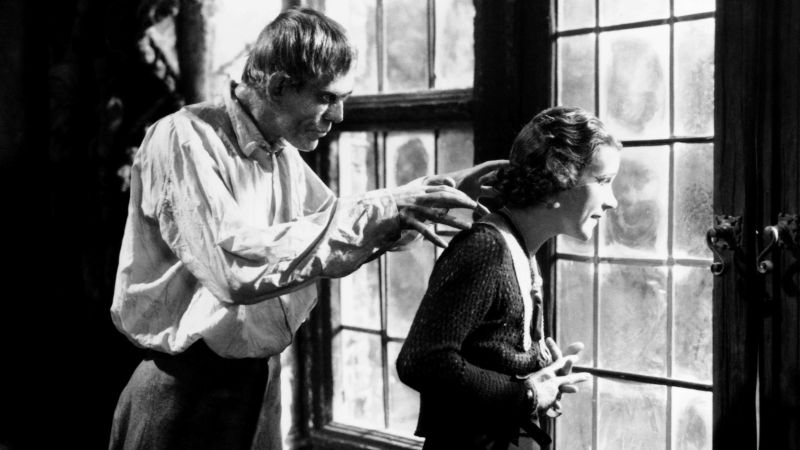
其他流行的食尸鬼描绘则将其与僵尸和恶魔等怪物混为一谈。海德尔写道,1933年的电影《食尸鬼》和1943年的电影《疯狂食尸鬼》除了与死亡和墓地有关联外,似乎与阿拉伯民间传说中的食尸鬼关系不大。尽管1968年的电影《活死人之夜》常被描述为僵尸恐怖片,但导演乔治·A·罗梅罗说,他把自己片中的反派视为食尸鬼。
Other popular depictions of ghouls conflated them with monsters such as zombies and demons. The 1933 film “The Ghoul” and the 1943 film “The Mad Ghoul” seemed to have little to do with the ghoul of Arab folklore, Hyder wrote, besides a connection to death and burial grounds. And though the 1968 film “Night of the Living Dead” is often described as zombie horror, director George A. Romero said he thought of his antagonists as ghouls.
食尸鬼已成为亵渎的象征,是跨越生死边界的掠夺者,是健康正派之物的腐化者。因此,它自然被卷入了政治。
The ghoul had become an emblem of desecration, a predator violating the boundary between life and death, a corruptor of what was wholesome and decent. Naturally, then, it was drawn into politics.
20世纪20年代初,随着已故总统沃伦·G·哈定政府的腐败问题曝光,与哈定同属共和党的参议员乔治·沃顿·佩珀抨击那些揪住“一位敬爱领袖的错误”不放的人是“政治食尸鬼”。佩珀说:“当任何人为了竞选目的或获取党派优势,企图搅扰那位领袖的安息时,我就把他称为政治食尸鬼,并宣布他不配与体面人为伍。”
In the early 1920s, as the corruption of the late President Warren G. Harding’s administration came to light, Sen. George Wharton Pepper, a Republican like Harding, attacked those who pounced on “the mistakes of a beloved leader” as “political ghouls.”“When any man for campaign purposes or to gain a partisan advantage undertakes to disturb the repose of that leader I brand him as a political ghoul and declare him to be unfit for the society of decent people,” Pepper said.
但这一侮辱又被反掷回他自己身上。进步政治活动人士J·A·H·霍普金斯宣称:“参议员把共和党如今可耻状况的全部责任都压在已故总统哈定肩上,却又说他是‘谈论错误,不是谈论生者,而是谈论死者’。因此,佩珀参议员所做的,正是他自己所说的只有政治食尸鬼才会做的事。”
But the insult was thrown back at him. “[T]he Senator states that he is ‘speaking of the mistakes not of the living but of the dead’ when he lays upon the late President Harding’s shoulders the entire responsibility for the disgraceful condition of the Republican Party today,” the progressive political activist J. A. H. Hopkins declared. “Senator Pepper therefore does what he says only a political ghoul would do.”
1966年,二战老兵罗伯特·G·汤普森因同情共产主义而被拒绝安葬于阿灵顿国家公墓,他的遗孀西尔维娅·汤普森谴责这一决定:“五角大楼向政治食尸鬼屈服了,”她说,“他们现在是在说阿灵顿只安葬政治顺从者吗?”如今,称某人为“食尸鬼”,意味着其道德败坏之明显已使其丧失人性。
In 1966, when World War II veteran Robert G. Thompson was denied a burial in Arlington National Cemetery over his communist sympathies, his widow Sylvia Thompson decried the decision: “The Pentagon has yielded to political ghouls,” she said. “Are they now saying that Arlington is only for political conformists?”Today, calling someone a “ghoul” suggests a moral depravity so stark that it renders the person inhuman.
政治修辞学者罗伯特·L·艾维认为,食尸鬼是“邪恶敌人”的又一变体,而“邪恶敌人”是政治和军事话语中由来已久的套路。在当今将政治视为战争的文化中,称某人为“食尸鬼”会制造恐惧和焦虑感,从而加剧事态的严重性。
Robert L. Ivie, a scholar of political rhetoric, sees the ghoul as another iteration of the “evil enemy,” a longstanding trope in political and militaristic discourse. In today’s culture of politics as warfare, calling someone a “ghoul” can create a sense of fear and anxiety that heightens the stakes.
“它与黑暗、死亡、野蛮、暴政和非理性联系在一起,”他说。“而这一观念的另一面是,‘我们站在理性一边,我们站在光明而非黑暗的一边,我们站在生命而非死亡的一边。’就是这种二元对立。”使用“食尸鬼”只是政客们用来暗示对手毫无人性的一整套恐怖意象中的一部分。蒙哥马利说,他发现9·11事件之后的总统竞选中,恐怖修辞的使用有所增加,尤其是在2016年大选中。
“It’s associated with darkness and death and savagery and tyranny and irrationality,” he said. “Where on the other side of that notion is, ‘We’re on the rational side, we’re on the side of the light instead of the dark, we’re on the side of life instead of death.’ That kind of dialectic.”Using “ghoul” is just one part of the suite of horror imagery politicians use to signal an opponent’s inhumanity. Montgomery said he found an uptick in the use of horror tropes in presidential campaign s after 9/11, but especially in the 2016 election.
他举了特朗普竞选团队一则针对希拉里·克林顿的广告为例:这则广告以低沉、不祥的嗓音解说,将她笼罩在黑暗中,并使用了怪物电影中常见的红色字体。
He pointed to one particular ad about Hillary Clinton from the Trump campaign: Narrated in a deep, ominous voice, the ad shrouded her in darkness and featured red lettering typical of monster flicks.
蒙哥马利说,尽管这则广告没有明确称克林顿为食尸鬼或任何种类的怪物,但暗示显而易见。
Though the ad didn’t explicitly refer to Clinton as a ghoul, or any kind of monster, the implication was obvious, Montgomery said.
“你会因为一个人像食尸鬼,还是因为一个人愚蠢而攻击他?”他说。“食尸鬼般的特质才真正触及毫无人性这一点。”
“Do you attack someone for being ghoulish, or foolish?” he said. “The ghoulishness is really going to get at the inhumanity.”