“在我长大的城镇,我已成了陌生人,仿佛不属于任何土地。”埃塞俄比亚最大的流行巨星泰迪·阿弗罗在四月发行的热门单曲《Das Tal》中如此演唱。这首歌是对正在撕裂其国家的暴力与镇压的控诉。据报道,歌曲发行几天内,首都亚的斯亚贝巴就有上百人因在公共场合收听该曲而被捕。据称警方已告诫该市夜店老板不要播放这首歌。泰迪的工作室遭到突击搜查,他的两名助手据报被扣留。
“In the town where I grew up I have become a stranger, as though I belong to no land.”So sings Teddy Afro, Ethiopia’s biggest pop star, on “Das Tal”, a hit song released in April. It is a denunciation of the violence and repression convulsing his country. Days after its release more than a hundred people in Addis Ababa, the capital, were reportedly arrested for listening to it in public. Police are said to have warned nightclub owners in the city not to play it. Teddy’s studio was raided and two of his associates were reportedly detained.
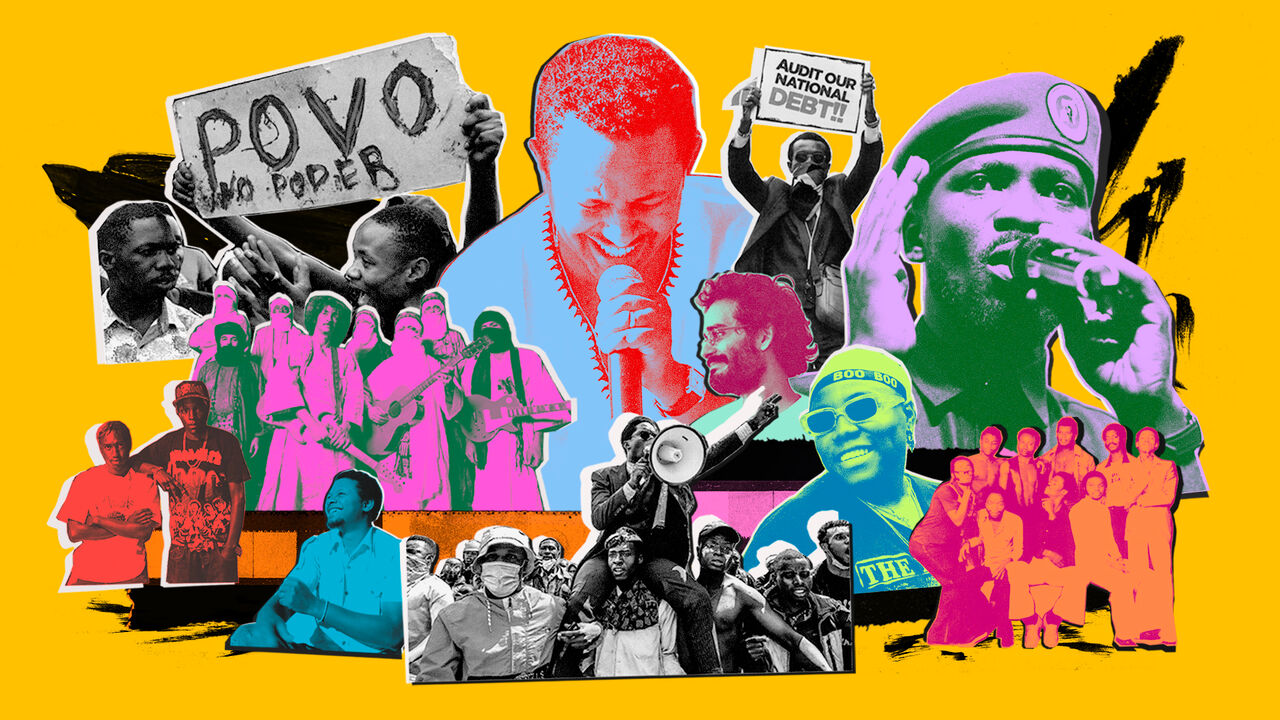
这种荒诞的暴行似乎有些过头。但埃塞俄比亚政府和其他非洲政权有充分理由惧怕音乐人。非洲的反对党往往软弱或分裂。公民社会通常处于顺从状态,媒体常被噤声。但在一个充满不满青年的大陆上,音乐依然是一个活跃的政治战场。在许多国家,音乐人已成为异见声音中最真实——有时也是最危险——的代表。“如果你想了解我们的政治,你应该去听音乐,”一位埃塞俄比亚分析人士说。
Such cartoonish thuggery might seem excessive. But the Ethiopian government and other African regimes have good reason to fear musicians. Opposition parties in Africa tend to be weak or divided. Civil society is typically supine, the media often cowed. But on a continent teeming with disaffected youth, music remains a lively political battleground. In many countries, musicians have emerged as the most authentic—and at times the most dangerous—voices of dissent. “If you want to understand our politics, you should listen to the music,” says an Ethiopian analyst.
这可能令人惊讶,因为当今非洲最知名的音乐出口产品在政治上却是无害的。例如,非洲节奏虽然得名于费拉·库蒂——这位嬉皮的尼日利亚激进分子曾多次被军政府入狱——但其当下的大多数巨星专攻“夜店神曲”,即迪斯科舞池里的非政治化颂歌。南非的音乐界曾诞生米里亚姆·马凯巴和休·马塞克拉等反种族隔离偶像,如今却最以阿马皮亚诺闻名,这是一种催眠且享乐主义的电子舞曲流派。
This may come as a surprise, since Africa’s best-known musical exports these days are politically anodyne. Afrobeats, for instance, might owe its name to Fela Kuti, a ludic Nigerian radical repeatedly jailed by military juntas. But most of its current stars specialise in “club bangers”, apolitical anthems for the discotheque. South Africa’s music scene once produced anti-apartheid icons like Miriam Makeba and Hugh Masekela. It is now most famous for Amapiano, a hypnotic and hedonistic genre of electronic dance music.
有人将这些变化归因于非洲中产阶级的崛起和富裕的非洲侨民群体的出现。这两类人都更倾向于狂欢而非革命。尼日利亚歌手特尼唱道:“他们说金钱买不到快乐,但我想要世界上所有的钱。”她是认真的:当她这类非洲流行乐巨星在尼日利亚本土举办演唱会时,门票价格可能超过尼日利亚普通人一个月的收入。南非的嘻哈乐迷表示,自种族隔离制度结束以来,他们的音乐流派也经历了类似的“绅士化”过程。
Some link these shifts to the rise of an African middle class and a well-heeled African diaspora. Both prefer revelry to revolution. “They say money don’t buy you happiness,” sings Teni, a Nigerian artist. “But I want all the money in the world.”She means it: when Afrobeats stars like her hold concerts back home in Nigeria, the tickets can cost more than the average Nigerian earns in a month. Hip-hop fans in South Africa say their genre has been similarly gentrified since the end of apartheid.
“这是一种与新黑人资产阶级话语相关联的音乐,他们正享受着自由的果实,”康奈尔大学的南非研究员奥利弗·莱曼说道。
“It’s music tied to a discourse of a new black bourgeoisie, enjoying the fruits of freedom,” says Oliver Layman, a South African researcher at Cornell University.
然而,在这层富裕的表象之下,岩浆正在涌动。数百万非洲年轻人失业,或只能从事糟糕的工作。他们指责腐败领导人挪用公款、窃取他们的未来,却鲜有发泄愤怒的渠道。上一代受压迫者至少拥有明确界定的共同利益。农民可以拿起枪为土地而战;工厂工人可以组建工会举行罢工。如今,非洲庞大的非正规底层阶级更加多元,也缺乏凝聚力。非熟练临时工与靠技艺谋生的手艺人利益诉求不同。摩托车外卖骑手与理发师或女佣几乎没有共同点。
Beneath this affluent crust, however, magma seethes. Millions of young Africans have no jobs or only bad ones. They blame corrupt leaders for embezzling their futures, but have few outlets for their anger. Previous generations of the downtrodden at least had clearly defined common interests. Peasants might pick up guns and fight for land; factory workers could unionise and go on strike. Today Africa’s vast, informal underclass is more diverse and less coherent. Unskilled day-labourers have different interests from jobbing tradesmen. Motorbike delivery riders have little in common with barbers or maids.
除了深深的幻灭感,几乎没有什么能将非洲这代“拼命三郎”团结在一起。但几乎所有幻灭的非洲年轻人都听音乐,一代音乐人已为他们的反抗精神赋予了形式。这些歌手多用本土语言演唱,深受雷鬼和嘻哈影响,汲取了这些流派关于贫困、反抗和黑人解放的情感主题。他们的音乐往往超越了族群和职业的界限,有时能将模糊的愤怒转化为有组织的政治行动。
Little unites Africa’s “generation hustle” apart from a deep sense of disaffection. But nearly all disaffected young Africans listen to music, and a generation of musicians has given form to their spirit of revolt. Singing mostly in local languages, many are heavily influenced by reggae and hip-hop, drawing on those genres’ emotive themes of poverty, defiance and black liberation. Their music often transcends ethnic and occupational divides. It has sometimes transformed amorphous anger into co-ordinated political action.
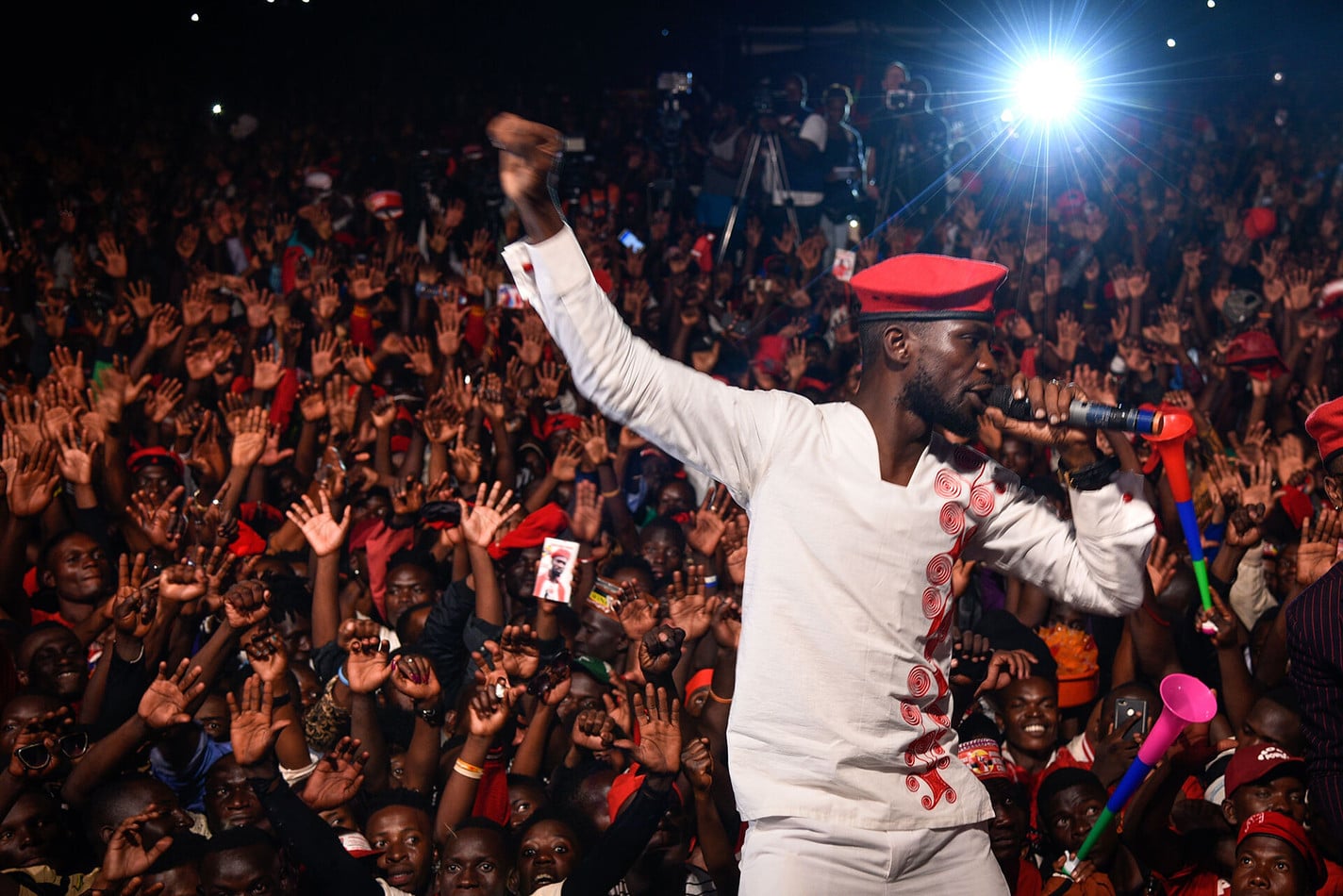
最著名的例子是罗伯特·基亚古拉尼——他更广为人知的艺名是波比·怀恩。怀恩先生以自称“贫民窟总统”而崭露头角,演唱关于乌干达首都坎帕拉贫民窟生活的歌曲。此后,他两次竞选该国总统,成为约韦里·穆塞韦尼40年执政生涯中为数不多的有力挑战者之一。“也许他作为音乐人的背景,让他以其他人无法比拟的方式掌握了民众的脉搏,”穆塞韦尼先生的一位顾问沉吟道。“我现在说的一切,我早已在音乐中唱过了,”怀恩先生说,他的笔名是向偶像鲍勃·马利致敬。
The most famous example is Robert Kyagulanyi—better known by his stage name, Bobi Wine. Mr Wine rose to prominence as a self-styled “ghetto president”, singing songs about life in the slums of Kampala, Uganda’s capital. He has since run twice to be the country’s actual president, making him one of the few serious challengers to Yoweri Museveni in his 40 years in power. “Maybe his background as a musician meant he had his finger on the pulse in a way that others did not,” muses an adviser to Mr Museveni. “Everything that I’m saying now, I had already said in my music,” says Mr Wine, whose nom de plume is a tribute to his hero, Bob Marley.
音乐家在其他国家也曾掀起社会动荡。2023年,莫桑比克说唱歌手阿扎加亚因病去世,数千人走上街头参加葬礼游行。游行很快演变成抗议活动,抗议阿扎加亚在音乐中抨击的精英阶层的不公。这些示威是次年差点推翻政府的大规模起义的序曲。阿扎加亚的歌曲《人民掌权》成为这场起义死后的战歌。
Musicians have orchestrated social eruptions in other countries, too. In 2023 the death (from illness) of Azagaia, a Mozambican rapper, brought thousands of people into the streets for a funeral procession. It quickly morphed into a protest against the iniquity of the elites Azagaia had railed against in his music. Those demonstrations were the overture to a mass uprising that nearly toppled the government the next year. Azagaia’s song “Povo no Poder” (“People in Power”) served as the posthumous anthem of the revolt.
另一位煽动民众的歌手哈查卢·洪德萨在埃塞俄比亚最大族群奥罗莫人中享有近乎神话般的崇拜,该族群长期感到被边缘化。他的歌曲帮助激发了青年抗议,将阿比·艾哈迈德于2018年推上总理宝座——他是首位担任该职务的奥罗莫人。2020年,哈查卢遭遇暗杀,引发了一周的混乱与暴力,造成至少166人死亡。许多年轻奥罗莫人对阿比先生失望(这位音乐家曾批评过他),指责政府导致偶像之死。抗议者为他的遗体安葬地点与安全部队发生冲突,仿佛这位歌手是一位圣人。
Another rabble-rousing singer, Hachalu Hundessa, commands near-mythic adulation among the Oromo, Ethiopia’s largest ethnic group, who have long felt marginalised. His songs helped inspire youth protests that brought Abiy Ahmed, the prime minister, to power in 2018—the first Oromo to hold the job. In 2020 Hachalu was assassinated, sparking a week of chaos and violence that left at least 166 dead. Many young Oromos soured on Mr Abiy (whom the musician had criticised), blaming his government for their idol’s death. Protesters came to blows with security forces over where his body should be buried, as though the singer were a saint.
非洲大陆上还有其他许多音乐异议的例子。由塞内加尔说唱歌手创立的压力团体“受够了”(Y’en a Marre)被认为在2012年帮助迫使一位独裁者下台。2015年,刚果共和国说唱歌手马夏尔·帕努奇组织大规模抗议,反对该国独裁者德尼·萨苏-恩格索试图修改宪法。另一位说唱歌手皮拉托于2017年领导了一场针对赞比亚议会的反腐游行。
The continent is littered with other examples of musical dissent. Y’en a Marre (We’re Fed Up), a pressure group founded by rappers from Senegal, is credited with helping force an autocrat from power in 2012. In 2015 Martial Pa’nucci, a rapper from the Republic of Congo, organised mass protests against an attempt by Denis Sassou-Nguesso, the country’s dictator, to change the constitution. Pilato, another rapper, led an anti-corruption march on Zambia’s parliament in 2017.
邻国津巴布韦盗贼统治的独裁政权的主要批评者之一,是一位名叫温基·D的舞厅歌手。执政党津巴布韦非洲民族联盟-爱国阵线威胁要封禁他的作品,指控他煽动“政权更迭议程”。
One of the leading critics of the kleptocratic dictatorship in neighbouring Zimbabwe is a dancehall singer called Winky D. The ruling party, Zanu-PF, has threatened to ban his work, accusing him of fomenting a “regime-change agenda”.
叛逆的音乐并不总是来自某一个护身符式的人物。2024年,当肯尼亚人涌上街头反对增税时,一些抗议者唱起了可追溯到“茅茅”反殖民叛乱运动的斗争歌曲。其他人则高唱肯尼亚说唱二人组Wadagliz的一首无脑派对歌曲《Anguka Nayo》(意为“随之倒下”)的歌词。传达的信息是政府应当倒台:事实证明,一些夜店劲曲在街垒上相当管用。
Bolshy music does not always emanate from a single talisman. In 2024, when Kenyans poured onto streets in opposition to tax increases, some protesters sang struggle songs that can be traced back to the Mau Mau, an anti-colonial rebel movement. Others belted out the lyrics to “Anguka Nayo” (“Fall With It”), a mindless party song by Wadagliz, a Kenyan rap duo. The message was that the government should fall: some club bangers, it turns out, work rather well on the barricades.
肯尼亚人还制作讽刺性的TikTok视频,嘲讽他们专横且日益威权的总统威廉·鲁托。在一个病毒式传播的热潮中,许多视频配上了刚果乐队超级马泽姆贝管弦乐团的一首老歌《卡松戈》,歌中讲述一个任性丈夫虐待妻子的故事。此后,“卡松戈”就成了鲁托无处不在的绰号。他希望明年赢得第二个任期。“卡松戈只配一届!”已成为反对派的集会口号。
Kenyans also made satirical TikToks mocking William Ruto, their imperious and increasingly authoritarian president. In a viral trend, many videos were set to “Kasongo”, an old song by Orchestra Super Mazembe, a Congolese band, about a wayward husband who mistreats his wife. “Kasongo” has been a ubiquitous nickname for Mr Ruto ever since. He hopes to win a second term next year. “One term for Kasongo!” has become an opposition rallying cry.
将音乐与政治混在一起可能是一件危险的事。2016年,安哥拉说唱歌手卢阿蒂·贝朗被控策划叛乱并入狱。基齐托·米希戈是卢旺达一位直言不讳的福音歌手,他于2020年被捕,几天后被发现死在牢房里。今年,瓦恩先生被迫逃离乌干达,此前该国陆军参谋长威胁要阉割他。“不幸的是,我无法用诗歌对抗一个手持刀剑的人,所以我最终流亡在外,”这位贫民窟总统哀叹道。
Mixing music with politics can be a risky business. In 2016 Luaty Beirao, an Angolan rapper, was charged with plotting a rebellion and jailed. Kizito Mihigo, an outspoken Rwandan gospel singer, was arrested in 2020 and found dead in his cell a few days later. This year Mr Wine was forced to flee Uganda after the country’s army chief threatened to castrate him. “Unfortunately, I could not counter a man with a sword with poetry, and so I ended up in exile,” the ghetto president laments.
有些艺术家自己就挥舞着刀剑。法莫是莱索托流行的一种手风琴音乐流派,许多法莫乐手是犯罪团伙的成员,这些团伙对政党和国家有着触手般的影响力。来自马里北部的格莱美获奖乐队Tinariwen的成员曾为图阿雷格分离主义者与马里政府作战。他们早期歌曲的盗版磁带在沙漠中的战士之间流传,堪称一种撒哈拉式的地下出版物。据说其中一些歌曲由伊亚德·阿格·加利创作,尽管他后来放弃了图阿雷格民族主义事业:阿格·加利先生现在是西非最强大的圣战组织JNIM的领导人。
Some artists wield a sword themselves. Many practitioners of famo, a genre of accordion music popular in Lesotho, are part of criminal gangs with tentacular influence over political parties and the state. Members of Tinariwen, a Grammy-winning band from northern Mali, once fought for Tuareg separatists against the Malian government. Bootleg cassettes of their early songs were passed around by fighters in the desert, in a kind of Saharan samizdat. Some are said to have been written by Iyad ag Ghali, though he later abandoned the Tuareg-nationalist cause: Mr ag Ghali is now the leader of JNIM, west Africa’s most powerful jihadist group.
研究机构苏丹战争监测组织称,苏丹内战催生了大量新的圣战音乐。这些歌曲赞美与政府军结盟的伊斯兰民兵武装中的战士,并号召潜在的新兵加入。埃塞俄比亚内战也促使北部叛乱省份提格雷涌现出 somewhat 类似的族群民族主义音乐。“再也没有情歌了,”一名叛军音乐人2021年对德国之声说,“现在每一首(歌)都是斗争歌曲。”
The civil war in Sudan has produced a flood of new jihadist music, according to Sudan War Monitor, a research group. The songs praise fighters in Islamist militias aligned with the national army, and exhort prospective new recruits to join. Ethiopia’s civil war has spurred a somewhat analogous outpouring of ethno-nationalist music from Tigray, a rebellious northern province. “There are no love songs any more,” a rebel musician told Deutsche Welle in 2021. “Now every [song] is a struggle song.”
如果说所有非洲音乐都是反建制的,那是不对的。据说在埃塞俄比亚,阿比政府近来试图讨好奥罗莫音乐人。今年4月,两位知名奥罗莫歌手发布了一首音乐作品,反驳《Das Tal》——泰迪·阿弗罗对阿比统治的控诉。这首反异见歌曲将泰迪描绘成一个恶意的埃塞俄比亚帝国怀旧者,许多奥罗莫人认为该帝国是一个压迫性体系,泰迪所属族群(阿姆哈拉人)曾在该体系下征服了他们的祖先。
It would be wrong to suggest that all African music is anti-establishment. In Ethiopia Mr Abiy’s government is said to have tried to ingratiate itself with Oromo musicians of late. In April two prominent Oromo singers released a musical rebuttal to “Das Tal”, Teddy Afro’s indictment of Mr Abiy’s rule. The counter-diss track casts Teddy as a malign nostalgist for the Ethiopian empire, which many Oromos regard as an oppressive system under which Teddy’s ethnic group (the Amhara) subjugated their forefathers.
另一首近期热门歌曲则夸耀奥罗莫人如今在“阿拉特基洛”掌权——那是亚的斯亚贝巴的宫殿,埃塞俄比亚历代皇帝曾居住于此,阿比目前也住在这里。
Another recent hit boasts that Oromos now rule the roost in “Arat Kilo”, the palace in Addis Ababa where Ethiopia’s emperors once lived and where Mr Abiy currently resides.
去年的一首流行歌曲甚至赞扬了阿比颇具争议的雄心:重新征服厄立特里亚的一座红海港口。厄立特里亚于1993年从埃塞俄比亚分离。“当我们命令下雨,雨就落下;当我们呼唤晴空,天空就敞开,”歌词写道,“骄傲的奥罗莫……向红海前进。”在整个非洲,政客经常付钱给音乐人,让他们为竞选活动创作歌曲或在集会上表演。
One popular song from last year even lauds Mr Abiy’s controversial ambition to reconquer a Red Sea port in Eritrea, which seceded from Ethiopia in 1993. “When we command the rain, it falls; when we call for clear skies, they open,” it runs. “Proud Oromo…move onwards to the Red Sea.”Across Africa, musicians are often paid by politicians to compose songs for election campaigns or perform at rallies.
2024年肯尼亚抗税运动爆发仅数月后,瓦达格利兹就在一场政府庆典上表演了《Anguka Nayo》,鲁托笑容满面地在他们身旁鼓掌。“那些聪明的独裁者很快就会拉拢人,”瓦恩指出。他们给予音乐人“奢华富足的生活”,作为回报,要求他们服从和奉承。
Mere months after Kenya’s tax revolt in 2024, Wadagliz performed “Anguka Nayo” at a government jamboree, with a beaming Mr Ruto clapping along beside them. “Those dictators that are smart are quick to co-opt,” Mr Wine observes. They offer musicians “lives of luxury and opulence”, and demand obedience and flattery in return.
然而,非洲的异见艺术家们不太可能就此沉默。“非洲人和音乐是同义词,”肯尼亚音乐人兼活动人士恩东吉·吉图库说。“政府为什么害怕这个?原因很简单——政府不会唱歌。”
And yet Africa’s dissident artists are unlikely to pipe down. “Africans and music are synonymous,” says Ndungi Githuku, a Kenyan musician and activist. “Why is the government afraid of this? It’s very simple—the government cannot sing.