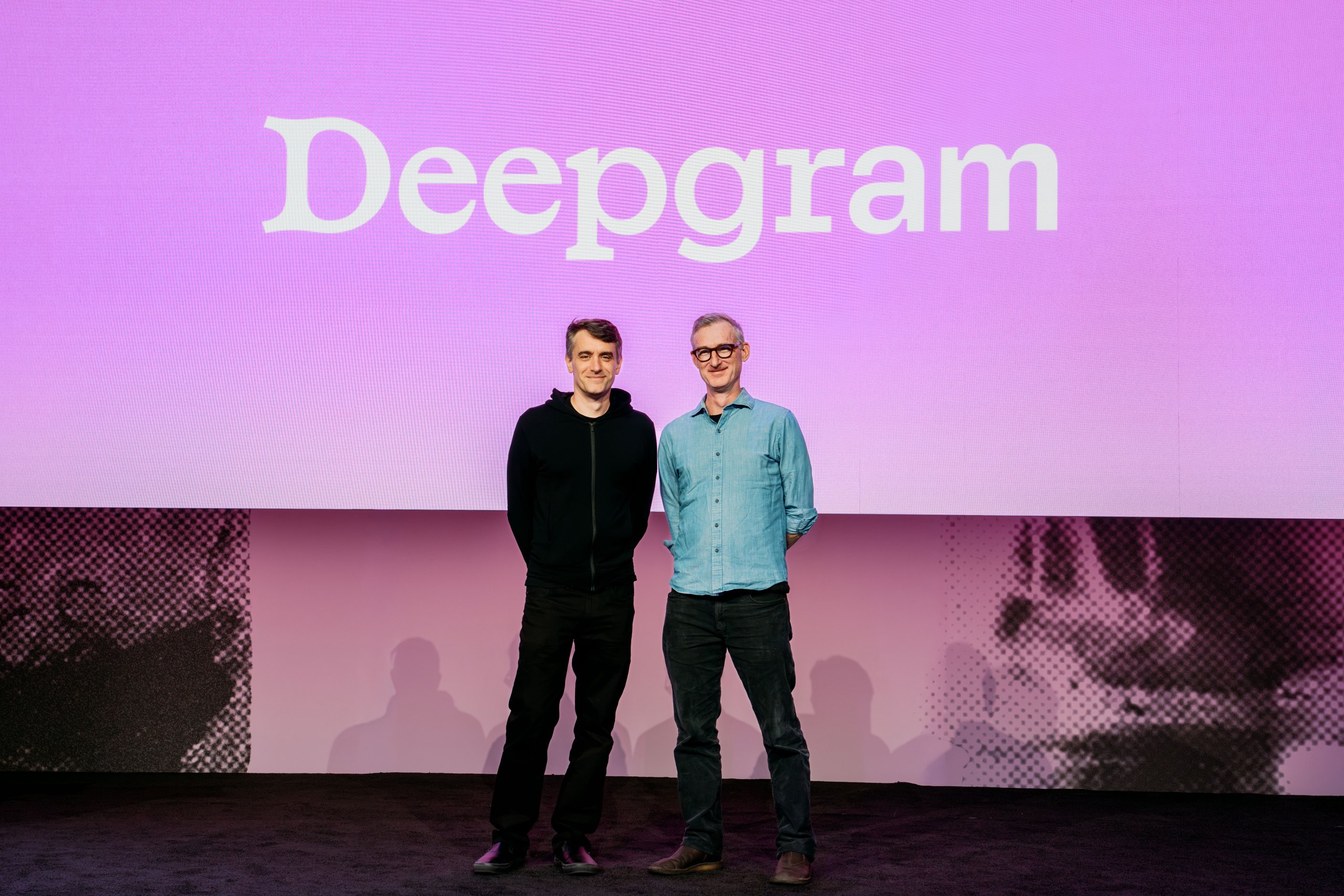
语音 AI 领域热度攀升,头部企业正通过合作与收购巩固地位,更多商业模式随之浮现。Deepgram 是最新采取此类行动的公司:该公司周四宣布,将收购 Daily —— 开源语音 AI 基础设施 Pipecat 的开发与维护方,后者是最受欢迎的同类项目之一。
The voice AI sector is hot, and top players are trying to consolidate their position as more business models come to the fore through partnerships and acquisitions. Deepgram is the latest to make such moves: The company said on Thursday that it is acquiring Daily, the maker and maintainer of one of the most popular open-source voice AI infrastructures, Pipecat.
双方未披露交易金额,但表示将继续保持 Pipecat 的开源状态。
The companies didn’t disclose the deal amount but said that they will keep Pipecat open-source.
对于不熟悉该项目的读者,Pipecat 是一个框架,能够管理语音与视频流,并协调管线中的其他组件,如语音转文本(STT)、大语言模型和文本转语音(TTS)模型,同时降低延迟。其开发方 Daily 为各类语音与视频通话提供托管基础设施。
For the uninitiated, Pipecat is a framework that manages voice and video streams along with other pieces in the pipeline, like speech-to-text (STT), large language models, and text-to-speech (TTS) models while reducing latency. Its maker, Daily, provides hosted infrastructure for voice and video calls of any kind.
借助 Pipecat,Deepgram 将更深入地掌握实时语音与视频基础设施。
With Pipecat, Deepgram will likely gain a deeper understanding of real-time voice and video infrastructure.
据 PitchBook 数据,Daily 迄今已融资逾 6200 万美元,投资方包括 Tiger Global、Highfield Capital、Nat Friedman、Lachy Groom 和 Kevin Weil。今年早些时候,Deepgram 完成 1.3 亿美元 C 轮融资,估值跻身独角兽行列。巧合的是,两家公司同属 2016 年 Y Combinator 同一期孵化批次。
Daily has raised over $62 million in funding to date from investors such as Tiger Global, Highfield Capital, Nat Friedman, Lachy Groom and Kevin Weil, according to PitchBook data. Earlier this year, Deepgram reached unicorn status with a $130 million Series C round. Incidentally, both companies were in the same Y Combinator batch in 2016.
Daily 联合创始人 Kwindla Kramer 表示,GPT-4 发布前后,公司开始尝试 AI 与人类通过语音和文本进行交互,最终催生了 Pipecat 框架。他指出,尽管收购意向者众多,但他看重 Deepgram CEO Scott Stephenson 承诺永久保持 Pipecat 开源,且双方工程文化契合,能让 Daily 团队在更大的组织内自由钻研技术栈的不同层面。
Kwindla Kramer, Daily’s co-founder, said around the time when GPT-4 came out, the company started experimenting with AI-to-human communication over voice and text, which eventually resulted in the Pipecat framework. He noted that while there has been a lot of acquisition interest, he favored Deepgram’s CEO Scott Stephenson’s commitment to keeping Pipecat open-source forever, and the engineering culture of both organizations matched, giving Daily’s team the freedom to work on different parts of the stack within a bigger organization.
“Scott 对 Pipecat 始终保持开源和厂商中立有着超强的承诺。我认为这既有个人承诺的因素,也有商业驱动因素。如果你身处一个快速增长的生态系统核心,且你公司的许多部分确实是该生态系统中最优秀的,那么尽可能开放一切就是一种商业优势,”Kramer 告诉《科技行者》(TechCrunch)。
“Scott was super committed to Pipecat being open-source and vendor-neutral forever. I think there is both a personal commitment and commercial driver there. If you sit in the middle of an ecosystem that’s growing very fast, and have many parts of that ecosystem that are genuinely the best from your company, then everything being as open as possible is like a commercial advantage,” Kramer told TechCrunch.
Stephenson 表示,Deepgram 早就想在开源领域有所作为,公司意识到智能体编排框架是一个潜在切入点,这促成了与 Daily 合作的决定。
Stephenson said that Deepgram has been wanting to work in open source for a long time, and the company realized that an orchestration framework for agents was a potential area, which drove the decision to partner with Daily.
“我们希望开放生态系统,让每个人都能构建语音智能体。如果你使用 Deepgram 的模型那固然很好,但我希望你能针对自己的用例使用最好的模型。如果 Deepgram 发现我们在某些领域自家模型和产品还有追赶空间,那也很好。我们希望你使用合作伙伴的方案,同时我们也会努力在这些领域变得更强,”他说。
“We want to open up the ecosystem so everybody can build voice agents. It’s great if you’re using Deepgram models, but I want you to be using the best models for your use case. And if Deepgram notices that we have some ground to catch up on in a certain area for our own models and products, that’s great. We want you to use partners, and then we’ll also work on becoming better in those areas,” he said.
Stephenson 表示,此次收购让开发者能够通过接入不同模型和连接所有部件的上下文总线,构建具有表现力和端到端语音系统的智能体。
Stephenson said the acquisition lets developers build agents with expressivity and end-to-end speech systems by plugging in different models and a context bus that connects all parts.
对 Deepgram 而言,这笔交易还让它能通过 Pipecat 探索语音以外的领域,因为该框架适用于不同格式的实时通信。
For Deepgram, the deal also lets it explore areas beyond voice through Pipecat, as the framework caters to real-time communication in different formats.
“我们从未把 Pipecat 当作语音工具包。我们把它看作构建这种新型 AI 原生软件所需的工具包。基于我们的出身,我们一直默认实时性是核心,”Kramer 说。
“We never thought about Pipecat as a voice toolkit. We thought about it as the toolkit we needed to build this new kind of AI-native software. Because of where we came from, we just always assumed real-time,” Kramer said.
Deepgram 还在推出实时上下文标准(RCS),这是一个由其与 Pipecat 团队共同开发的语音智能体开放协议。该协议定义了音频中的上下文等元数据,例如耳语、指导语言模型如何使用这些信号的指令,以及关于回复应如何发声的指引。
Deepgram is also launching Real-Time Context Standard (RCS), an open protocol for voice agents that it co-developed with the Pipecat team. The protocol defines metadata like context from the audio, like a whisper, instructions for a language model on how it can use those signals, and guidance on how the response should sound.
语音 AI 领域在模型端和基础设施端均吸引了大量投资。模型开发商 ElevenLabs、Gradium 和 Fish Audio 已筹集数百万美元资金。另一方面,基础设施公司 LiveKit 和 Vapi 今年也完成了数百万美元融资轮次。
Voice AI has seen a lot of investment from both the model and the infrastructure sides. Model makers like ElevenLabs, Gradium, and Fish Audio have raised millions of dollars. On the other hand, infrastructure companies like LiveKit and Vapi have raised multi-million-dollar funding rounds this year.