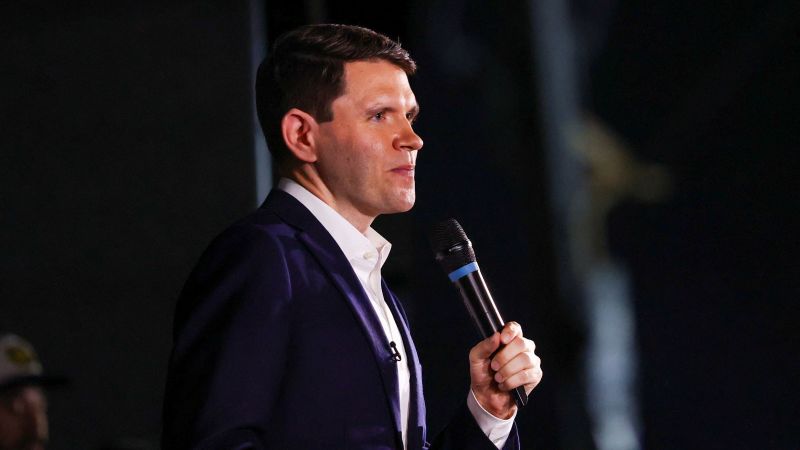
据CNN审阅的音频录音显示,支持德州总检察长肯·帕克斯顿的超级政治行动委员会“孤星自由”正在德州利用人工智能驱动的自动电话活动,攻击民主党参议院候选人詹姆斯·塔拉里科,称其据称接受了“数据中心特殊利益集团”的资金。该超级政治行动委员会曾从埃隆·马斯克处获得1000万美元。
Lone Star Liberty, a pro-Ken Paxton super PAC that received $10 million from Elon Musk, is using an AI-powered robocall campaign in Texas to attack Democratic Senate candidate James Talarico for allegedly taking money from “data center special interest” groups, according to audio recordings reviewed by CNN.
此前未报道的这些电话,使用了名为“珍妮弗”的人工智能生成来电者,其自称是孤星自由的虚拟工作人员。与传统的预录自动电话不同,该系统旨在实时与选民互动,询问他们支持谁,并根据他们的回答作出回应。
The calls, which have not been previously reported, feature an AI-generated caller named “Jennifer” who identifies itself as a virtual staffer for Lone Star Liberty. Unlike a traditional pre-recorded robocall, the system is designed to interact with voters in real time, asking whom they supported and responding to their answers.
在CNN审阅的一通电话中,人工智能生成的声音说道:“你好,这是朱利奥吗?你好。我叫珍妮弗,我是孤星自由的虚拟工作人员,致电支持共和党人肯·帕克斯顿。”
“Hi, is this Julio? Hi. My name is Jennifer and I’m a virtual staffer with Lone Star Liberty calling in support of Republican Ken Paxton,” the AI-generated voice says in one call reviewed by CNN.
人工智能声音在电话中传递了针对塔拉里科的共和党攻击言论,包括在一通电话中声称他“从数据中心特殊利益集团那里拿了1100万美元”。该政治行动委员会的一位发言人表示,该数字基于《每日来电者》的一篇报道,该报道详细列出了与数据中心行业有关联的个人向支持塔拉里科的政治团体捐款的情况。这些捐款人包括科技亿万富翁里德·霍夫曼,他一直倡导数据中心扩建,尽管面临广泛的公众反对,并且本周期向支持塔拉里科的超级政治行动委员会捐款了1000万美元。
The AI-voice delivers Republican attack lines against Talarico – including alleging in one call that he “took $11 million from data center special interests.”A spokesperson for the PAC said the figure was based on a Daily Caller report that detailed donations to pro-Talarico political groups from individuals with ties to the data center industry. Those donors included tech billionaire Reid Hoffman, who has championed data center expansion despite widespread public opposition, and who contributed $10 million to a super PAC supporting Talarico this cycle.
这一自动电话活动呈现出一种引人注目的讽刺:马斯克,世界首富,也是一家顶尖人工智能公司的首席执行官,正在花费数亿个人财产来支持共和党政治竞选活动和超级政治行动委员会。在此案例中,这个德州超级政治行动委员会正在使用人工智能工具,攻击接受那些使这类电话成为可能的数据中心资金的行为。
The robocall campaign presents a striking irony: Musk, the world’s richest person and the CEO of a top AI company, is spending hundreds of millions of his own fortune to support Republican political campaigns and super PACs. In this case, the Texas super PAC is using an AI tool to attack taking money from the very data centers that make those kinds of calls possible.
AI 自动语音电话并非政治竞选的专利——保险、金融等其他行业也在采用这项技术——但这些电话也让人们得以提前窥见,竞选团队如何利用对话式 AI 电话在潜在的大规模范围内开展政治说服——这是一种新兴的政治推广形式,难以让公众追踪,部分原因在于缺乏一个集中的数据库。
AI robocalls are not exclusive to political campaigns — other industries such as insurance and finance are adopting them — but the calls also offer an early look at how campaigns can use conversational AI calls to conduct political persuasion at a potentially massive scale — an emerging form of political outreach that is difficult for the public to track, in part because it lacks a centralized database.
CNN 的 KFile 通过自动语音电话和短信拦截应用程序 Nomorobo 识别出了这些自动语音电话,并获取了通话录音。根据 Nomorobo 的数据,这些电话最早于 10 月 23 日被检测到,源自数十个电话号码,拨打了相对较少的固定电话。
CNN’s KFile identified the robocalls through Nomorobo, a robocall-and text-blocking application, and obtained recordings of the calls. The calls were first detected on October 23, originating from dozens of phone numbers and reaching a relatively small number of landlines, according to Nomorobo.
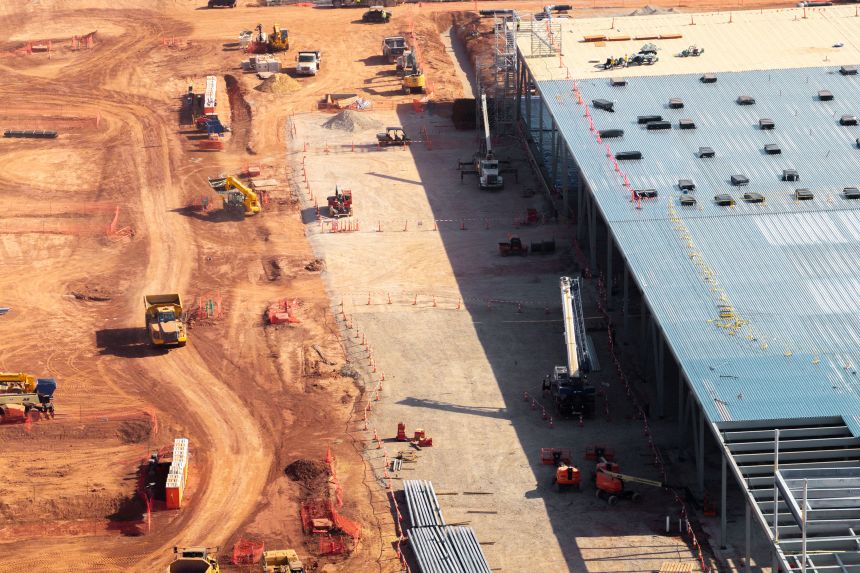
数据中心已成为 2026 年选举周期中最具威力的政治攻击目标之一,因其能源消耗、成本和快速扩张而引发跨党派反对。CNN 近期的民调显示,超过 80% 的美国人对人工智能的快速发展表示担忧远多于兴奋。
Data centers have become one of the most potent political targets of the 2026 election cycle, drawing opposition across party lines over their energy use, costs and rapid expansion. Recent CNN polling found that more than 8 in 10 Americans expressed far more concern than excitement about the rapid development of artificial intelligence.
然而,即便选民表达出担忧,政治竞选团队仍在拥抱 AI 生成的政治电视和数字广告,以及新兴的 AI 驱动对话式自动语音电话。
Yet even as voters voice misgivings, political campaigns are embracing AI-generated political TV and digital ads, and an emerging frontier of AI powered conversational robocalls.
Lone Star Liberty 的发言人 Gregg Keller 在给 CNN 的声明中为该组织的竞选策略进行了辩护,称其正在“利用一切可用工具”向德克萨斯州选民传达他们对 Talarico 的批评。
In a statement to CNN, Gregg Keller, a spokesperson for Lone Star Liberty, defended the group’s campaign tactics, saying it was “using every tool available” to inform Texas voters of their criticisms of Talarico.
Talarico竞选团队的一名发言人在给CNN的声明中说:“肯·帕克斯顿找不到人类为他打电话,所以埃隆·马斯克正在启动他的数据中心,制造出唯一愿意为他们的竞选传播谎言的志愿者:AI机器人。”
A spokesperson for the Talarico campaign told CNN in a statement, “Ken Paxton can’t get humans to make calls for him, so Elon Musk is firing up his data centers to create the only volunteers willing to spread lies for their campaign: AI robots.”
斯坦福法学院教授、斯坦福法学院AI倡议联合主任内特·珀西利在给CNN的电子邮件中表示,他怀疑AI自动语音电话是否会影响政治竞选,因为人们很少接听电话,如果听到“虚拟工作人员”的声音,很可能会挂断。
Nate Persily, a professor at Stanford Law School and the co-director of the Stanford Law AI Initiative, told CNN in an email he is skeptical that AI robocalls impact political races since people rarely pick up their phones and might likely hang up if they hear a “virtual staffer.”
珀西利说:“大多数人认为自动语音电话令人讨厌——无论是传统的录音电话,还是现在的AI生成电话。我们应该将传播内容中的虚假或两极分化言论与传播技术本身区分开来。我理解AI是这场竞选中光鲜亮丽的新事物,但操纵手段与政治一样古老。”他补充说,AI驱动的自动语音电话技术的核心问题在于“它是否在操纵方面更廉价、更有效,以及能否大规模实施操纵”。
“Most people see robocalls as annoying – whether the traditional recorded ones or now, the AI-generated ones,” said Persily. “We ought to separate out false or polarizing claims made by a communication and the technology of that communication. I appreciate that AI is the shiny new object of this campaign but manipulation is as old as politics.”The central question for AI-powered robocall technology is “whether it is cheaper and more effective at manipulation and whether it can do so at scale,” he added.
目前,这类AI驱动的自动语音电话通常仅限于人们的固定电话,但根据联邦通信委员会(FCC)对一项正在审议的请愿书作出怎样的裁决,其使用可能会变得更加普遍。
While these kinds of AI-powered robocalls are at the moment generally limited to people’s landlines, their use could become far more prevalent depending on how the Federal Communications Commission rules on a petition now under consideration.
目前,联邦法律禁止大多数针对无线电话的自动语音电话,除非来电者事先获得同意。FCC正在考虑是否放宽对政治自动语音电话的规则——保守团体“成长俱乐部”寻求这一变更,这可能允许大规模未经请求的电话使用人工或预录语音,不仅触达固定电话,还能在无需事先同意的情况下触达手机。
Currently, federal law bans most robocalls to wireless phones unless the caller has consent beforehand. The FCC is considering whether to loosen its rules on political robocalls— a change sought by the conservative group Club for Growth that could permit large-scale unsolicited calls using artificial or prerecorded voices, to reach not just landlines but mobile phones without prior consent.
顶尖民主党人士和消费者权益团体反对该请愿书。联邦通信委员会可能在10月底前做出裁决。这场辩论发生在联邦通信委员会宣布,利用人工智能克隆他人声音的自动语音电话违反现有联邦法律,已过去两年多。此前,一通冒充乔·拜登总统并敦促新罕布什尔州选民不要投票的电话,曾在2024年初选中被使用。
Top Democrats and consumer-rights groups oppose the petition. The FCC could rule by the end of October. The debate comes more than two years after the FCC declared robocalls using AI to clone someone’s voice as illegal under existing federal law after a call that impersonated President Joe Biden and urged New Hampshire voters not to cast ballots was used in the 2024 primary.
CNN审查的录音显示,这项技术既有前景也有局限。人工智能来电者可以回应接收者,但被打断时也会出现故障——停止、重启,并重复问题或竞选要点。Nomorobo在CNN审查的录音中删除了接收者的声音,以保护他们的隐私。
The recordings reviewed by CNN show both the promise and the limits of the technology. The AI caller can react to a recipient, but it also glitches when interrupted— stopping, restarting, and repeating questions or campaign talking points. Nomorobo removed recipients’ voices from the recordings reviewed by CNN in order to protect their privacy.
如果被问及支持竞选中的哪位候选人,这位虚拟工作人员回答说:“我没有个人意见,因为我是一个人工智能虚拟工作人员。我可以解释竞选活动的立场,但决定权在你。”CNN对带有“虚拟工作人员”一词的自动语音电话进行审查发现,至少有两个政治行动委员会本轮选举使用了同一个“珍妮弗”人工智能声音。
If asked who it supports in the race, the virtual staffer responds, “I don’t have personal opinions because I’m an AI virtual staffer. I can explain the campaign’s position, but the decision is yours.”A CNN review of robocalls with the term “virtual staffer” found that the same “Jennifer” AI voice was used by at least two other PACs this cycle.
密苏里承诺政治行动委员会成立于今年早些时候,由暗钱资助(即来自不披露捐助者的团体的资金),今年夏天使用人工智能自动语音电话,询问第5号修正案,该修正案将赋予立法者权力,逐步取消密苏里州的州所得税,并通过提高销售税来替代该收入。选民最终在8月否决了该提案。
The Missouri Promise PAC, established earlier this year and funded by dark money (funds from groups that do not disclose their donors), used AI robocalls this summer to ask about Amendment 5, which would give lawmakers authority to phase out Missouri’s state income tax and replace that revenue by increasing sales taxes. Voters ultimately rejected the measure in August.
同一个人工智能自动语音电话声音,今年10月又为“选民诚信”政治行动委员会发起了另一场活动。该委员会成立于8月,旨在支持多名竞选密苏里州议席的共和党候选人。
The same AI robocall voice launched another campaign this October with “Voters for Integrity,” a Missouri PAC established in August in support of multiple Republican candidates running for seats in the state.
但这两个政治行动委员会的人工智能自动语音电话录音均未提及数据中心。
But the recordings from neither PAC’s AI robocalls mention data centers.
CNN已联系两个政治行动委员会的财务主管征求评论,但未立即收到回复。
CNN reached out to the treasurers from both PACs for comment but did not receive an immediate response.