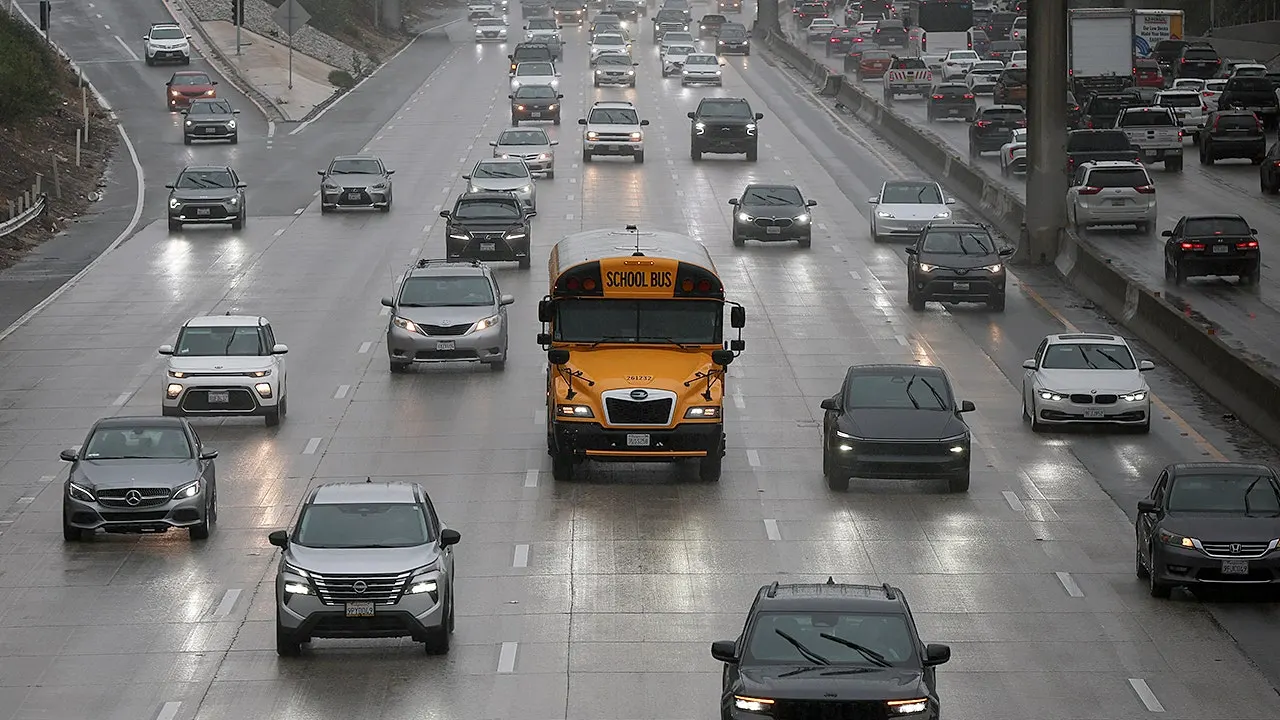

你把孩子送到学校,期望老师能保护他们受教育的权利。你大概不会多想,孩子参加标准化考试之后,他们的个人信息会经历什么。但加州发生的一起大规模数据泄露事件,正引发一些令人不安的疑问:谁能接触到学生记录,这些信息又被保存得有多安全。黑客访问并复制了属于数百万加州公立学校在读及往届学生的敏感记录。
You send your child to school expecting teachers to protect their education. You probably don't think much about what happens to their personal information after they take a standardized test. But a massive data breach in California is raising some uncomfortable questions about who has access to student records and how safely that information is stored. Hackers accessed and copied sensitive records belonging to millions of current and former California public school students.
被盗信息包括家庭住址、出生日期,甚至还有关于残障状况的详细信息。还有一点是家庭需要知道的。即便你今天住在几千英里之外、远离加州,只要你或你的孩子以前曾在加州上过公立学校,仍可能被卷入这起泄露事件。加州数百万学生记录是如何被盗的这起泄露事件涉及美国教育考试服务中心(ETS),这是一家与加州教育部合作的非营利组织。
The stolen information includes home addresses, birth dates and even details about disabilities. And here's something families need to know. You could live thousands of miles from California today and still be caught up in this breach if you or your child previously attended a public school there. How millions of California student records were stolen The breach involves Educational Testing Service (ETS), a nonprofit organization that works with the California Department of Education.
ETS协助管理全州范围内的学生测评,并保存与这些考试相关的信息。据州政府官员称,有人未经授权访问了由ETS运营的一个安全文件传输网站。调查人员认定,攻击者使用了一组遭泄露的凭据进入系统。入侵者随后在2026年5月22日至9月18日期间的不同时间点复制了包含学生信息的文件。ETS于9月25日发现了这一可疑活动。
ETS helps administer statewide student assessments and maintains information connected to those tests. According to state officials, someone gained unauthorized access to an ETS-operated secure file transfer site. Investigators determined that the attacker used a compromised credential to enter the system. The intruder then copied files containing student information at various times between May 22 and Sept. 18, 2026. ETS discovered the suspicious activity on Sept. 25.
该公司停用了受影响的账户,并将该文件传输网站下线。它还引入了外部网络安全专家进行调查。该公司表示,此后已搭建了一个安全控制更强的替代系统。ETS称,迄今为止未发现被盗信息已被公开传播的证据。不过,调查人员已确认有人访问并复制了这些记录。这起学生数据泄露事件中被盗走了哪些个人信息?
The company disabled the affected account and took the file transfer site offline. It also brought in outside cybersecurity specialists to investigate. The company says it has since built a replacement system with stronger security controls. So far, ETS reports finding no evidence that the stolen information has been made publicly available. However, investigators have confirmed that someone accessed and copied the records. What personal information was stolen in the student data breach?
加州学生数据泄露事件涉及的远不止考试成绩。视学生而定,被泄露的文件可能包含足以让人识别某个孩子或了解其家庭情况的个人信息。泄露的记录可能包括:部分记录还标明学生是否符合为无家可归儿童或其他有教育需求的儿童提供服务的项目资格。幸运的是,官员称,被盗文件不包含社会安全号码、财务账户详情、驾照号码、密码或家长和监护人的个人信息。
The California student data breach involved far more than test scores. Depending on the student, the compromised files may contain information that could help someone identify a child or learn personal details about their family circumstances. The exposed records may include: Some records also identified whether a student qualified for programs serving children experiencing homelessness or other educational needs. Fortunately, officials say the stolen files did not contain Social Security numbers, financial account details, driver's license numbers, passwords or parent and guardian personal information.
然而,仍有许多值得担忧之处。若有人知道孩子的姓名、学校和地址,就可能利用这些信息编造一条看似来自教师或学校管理人员的可信消息。残疾信息也引发额外的隐私担忧,因为这些细节尤为私密。为何加州此次泄露可能影响全国各地的家庭 事情尤其令人担忧的地方在于此。尽管此次泄露涉及加州公立学校系统,但被盗记录的人员如今可能身处美国任何地方。
However, there is still plenty to be concerned about. Someone who knows a child's name, school and address could potentially use that information to create a convincing message that appears to come from a teacher or school administrator. Disability information also raises additional privacy concerns because those details are particularly personal. Why this California breach could affect families nationwide This is where the story gets especially troubling. Although the breach involves California's public school system, the people whose records were stolen may now live anywhere in the United States.
据加州教育部称,被泄露的信息包括过去三个学年在校所有学生的记录。然而,受影响的人群不仅限于这些学生。该州还确定了一批曾在2006年或更早离开加州公立学校、且其转学记录从未得到该部门确认的前学生。这造成了许多家庭可能从未考虑过的情况。假设你的孩子曾在洛杉矶上小学,之后你的家人搬到了德克萨斯州。也许你多年前毕业于加州某所公立学校,如今住在佛罗里达州。
According to the California Department of Education, the compromised information includes records covering all students enrolled during the previous three school years. However, the affected population extends beyond those students. The state also identifies a group of former students who left California public schools as far back as 2006 and whose transfers to another school were never confirmed with the department. That creates a situation many families may never have considered. Say your child attended elementary school in Los Angeles before your family relocated to Texas. Perhaps you graduated from a California public school years ago and now live in Florida.
如果您的旧学生信息属于受影响群体,可能仍然在被泄露的记录之中。如今已成年的前学生也可能有资格获得所提供的免费身份保护服务。重要的是,这并不意味着每一名在加州以外上学的学生都受到了影响。ETS在向CyberGuy发表的声明中确认,此次事件未影响其他ETS客户。其他地区家庭的担忧源于他们与加州公立学校的过去联系。
Your old student information could still be among the compromised records if it falls within the affected groups. Former students who are now adults may also be eligible for the free identity-protection services being offered. Importantly, this does not mean every student attending school outside California has been affected. In a statement to CyberGuy, ETS confirmed that no other ETS customers were affected by the incident. The concern for families elsewhere comes from their past connection to California's public schools.
据对此次泄露事件的报道,加州约有570万名公立学校学生。由于被泄露的文件涵盖多个学年,潜在涉及的人数可能达到数百万。官员尚未公布受影响个人的最终去重统计数字。关于学生数据泄露调查的进展,加州教育部和加州教育委员会正与网络安全专家及其他州级机构协调。加州网络安全整合中心正在协助技术调查。
California has roughly 5.7 million public school students, according to reporting on the breach. Since the compromised files span multiple school years, millions of people are potentially involved. Officials have not yet released a final count of unique affected individuals. Where the student data breach investigation stands The California Department of Education and the State Board of Education are coordinating with cybersecurity specialists and other state agencies. The California Cybersecurity Integration Center is assisting with the technical investigation.
与此同时,州官员正在审查ETS是否遵守适用的数据安全要求及其合同义务。ETS在向CyberGuy发表的声明中表示:“我们已实施额外的保障措施,包括加强监控、强化访问控制,以及对我们的安全实践进行进一步的第三方审查。”ETS表示,它仍在持续监控被盗信息是否公开出现。对于家庭来说,悬而未决的问题是被复制的信息接下来会如何。
Meanwhile, state officials are reviewing ETS's compliance with applicable data security requirements and its contractual obligations. In its statement to CyberGuy, ETS said, "We have implemented additional safeguards, including enhanced monitoring, strengthened access controls, and further third-party review of our security practices." ETS says it continues monitoring for signs that the stolen information has surfaced publicly. For families, the unresolved question is what happens to the copied information next.
即使没有公开泄露的证据,落入未经授权人手中的敏感学生记录也构成值得持续关注的隐私风险。如何查明您的信息是否被泄露,ETS于2026年10月16日开始向受影响的学生和家庭发出通知。州政府预计通知将持续到11月初。
Even without evidence of a public leak, sensitive student records in unauthorized hands create a privacy risk that deserves continued attention. How to find out if your information was exposed ETS began notifying affected students and families on October 16, 2026. The state expects notifications to continue through early November.
信件和电子邮件将说明该事件并列明涉及的信息类型。它们还将包含获取免费身份保护服务的说明。但是,这里有一个重要警告。未收到通知不一定意味着您的信息安全。一些前学生的档案中可能有过时的联系方式。担心的家庭应访问加州ETS事件官方网页。该网页包含常见问题解答以及提供27种语言的违规通知链接。
Letters and emails will explain the incident and identify the types of information involved. They will also include instructions for accessing complimentary identity-protection services. However, here's an important warning. Not receiving a notification does not necessarily mean your information is safe. Some former students may have outdated contact information on file. Families who are concerned should visit the official California ETS incident webpage. It contains frequently asked questions and links to breach notifications available in 27 languages.
您也可以拨打事件协助热线833-931-8488,太平洋时间周一至周五上午6点至下午6点。受影响的学生可获得两年免费身份保护。ETS为受影响的在校生和前学生提供24个月免费身份盗窃保护。父母或法定监护人可为18岁以下符合条件的子女注册,成年人(包括前学生)可自行注册。这些服务旨在帮助监控潜在的身份盗窃,并在有人滥用其个人信息时提供协助。
You can also call the incident assistance line at 833-931-8488, Monday through Friday, from 6 a.m. to 6 p.m. Pacific Time. Affected students can get two years of free identity protection ETS is offering affected current and former students 24 months of free identity theft protection. Parents or legal guardians can enroll eligible children under 18, while adults, including former students, can enroll themselves. The services are designed to help monitor for potential identity theft and provide assistance if someone misuses their personal information.
注册截止日期为2027年3月19日。在2029年3月19日前年满18岁的符合条件的未成年人,也可能使用其通知中提供的激活码申请成人保障。注册免费,无需信用卡。符合条件的个人还可在其通知日期起24个月内获得身份恢复协助,即使不注册监控服务。如需了解完整的资格详情和注册说明,请访问加州教育部官方事件网页at cde.加州学生数据泄露后如何保护您的孩子即使没有被盗的密码或财务账号,学生记录也值得高度重视。
The enrollment deadline is March 19, 2027. Eligible minors who turn 18 before March 19, 2029 may also qualify for adult coverage using the activation code provided in their notification. Enrollment is free, and no credit card is required. Identity restoration assistance is also available to eligible individuals for 24 months from their notification date, even without enrolling in monitoring services. For complete eligibility details and enrollment instructions, visit the California Department of Education's official incident webpage at at cde. How to protect your child after the California student data breach Even without stolen passwords or financial account numbers, student records deserve serious attention.
以下是我建议的,如果您的家庭可能受到影响,应采取的实际步骤。1.在回应前先核实泄露通知 诈骗分子经常利用真实的数据泄露事件作为借口,发送欺诈性电子邮件。一封声称来自ETS或Experian的信息可能会将你引导至一个虚假的注册网站。不要点击意外收到的链接,而是打开浏览器,访问加州教育部的事件页面。
Here are practical steps I recommend taking if your family may be affected. 1. Verify the breach notification before responding Scammers frequently use real data breaches as an excuse to send fraudulent emails. A message claiming to come from ETS or Experian could direct you to a fake enrollment website. Instead of clicking an unexpected link, open your browser and visit the official California Department of Education incident page.
从那里遵循经过核实的指示。2. 考虑身份盗窃保护 符合条件的家庭应充分利用此次泄露事件后提供的24个月免费身份保护服务。按照官方通知中的注册说明操作,并保留一份副本以备存档。无需信用卡。为了获得额外保护,可以考虑一项提供身份监控、可疑活动警报以及在发生身份盗窃时可联系恢复专家的身份盗窃保护服务。
Follow the verified instructions from there. 2. Consider identity theft protection Eligible families should take advantage of the 24 months of free identity-protection services being offered following this breach. Follow the enrollment instructions in your official notification and keep a copy for your records. No credit card is required. For additional protection, consider an identity theft protection service which offers identity monitoring, alerts about suspicious activity and access to restoration specialists if identity theft occurs.
某些服务还提供付费家庭计划,可涵盖子女,这对担心长期保护家庭个人信息的父母来说是一个选择。保障范围和福利因计划而异。请参阅我在CyberGuy.com上的“最佳身份盗窃保护”建议和精选推荐。3. 考虑冻结子女的信用 打击某些形式身份盗窃最有力的措施之一,是在子女的信用档案上设置安全冻结。联邦贸易委员会表示,父母和法定监护人可以为16岁以下的子女申请免费信用冻结。
Some services also offer paid family plans that can cover children, making it an option for parents concerned about protecting their family's personal information over the long term. Coverage and benefits vary by plan. See my tips and best picks on Best Identity Theft Protection at CyberGuy.com. 3. Consider freezing your child's credit One of the strongest steps you can take against certain forms of identity theft is placing a security freeze on a child's credit file. The Federal Trade Commission says parents and legal guardians can request a free credit freeze for children under 16.
16岁和17岁的青少年可以自行申请冻结。分别联系Equifax、Experian和TransUnion。每个信用局处理未成年人信息的流程各不相同。冻结会使犯罪分子更难利用子女身份开立新的信用账户。但是,它无法防止所有形式的欺诈。4. 警惕可疑的学校相关信息 对声称涉及学校记录的意外电子邮件或短信要提高警惕。
Teenagers ages 16 and 17 can request their own freezes. Contact Equifax, Experian and TransUnion separately. Each bureau has its own process for handling minors. A freeze can make it harder for criminals to open new credit accounts using a child's identity. However, it cannot prevent every form of fraud. 4. Watch for suspicious school-related messages Pay closer attention to unexpected emails or text messages claiming to involve school records.
骗子若掌握个人信息,就能让欺诈性通信显得异常可信。例如,有人可能声称您孩子的测试账户需要立即验证。在回复之前,请使用您已信任的电话号码联系学校。避免通过意外的链接或附件分享个人信息。考虑在家人设备上使用强大的防病毒软件。它可以帮助检测恶意链接、可疑下载以及隐藏在虚假学校通知中的恶意软件。
A scammer with access to personal details could make a fraudulent communication seem unusually credible. For example, someone might claim that your child's testing account requires immediate verification. Before responding, contact the school using a phone number you already trust. Avoid sharing personal information through unexpected links or attachments. Consider using strong antivirus software on your family's devices. It can help detect malicious links, suspicious downloads and malware hidden in fake school notifications.
虽然它无法找回被盗的学生信息,但能为防范可能试图利用此次泄露的骗子提供额外保护。在Cyberguy.com获取我针对Windows、Mac、Android和iOS设备的2026年最佳防病毒保护推荐。5. 从互联网上删除您家人的个人信息 骗子可以利用网上找到的信息,为您或您的家人构建更详细的档案。这就是为什么我建议考虑使用个人数据删除服务。
While it cannot recover stolen student information, it adds another layer of protection against scammers who may try to exploit the breach. Get my picks for the best 2026 antivirus protection winners for your Windows, Mac, Android & iOS devices at Cyberguy.com 5. Remove your family's personal information from the internet Scammers can use information found online to build a more detailed profile of you or your family. That's why I recommend considering a personal data removal service.
这些服务可以帮助从收集并出售姓名、地址和电话号码等详细信息的数据经纪人网站上删除个人信息。虽然这些服务无法找回此次泄露中被盗的信息,但可以帮助减少公开可用的额外信息量。如果您担心孩子的信息,请在注册前检查该服务是否提供未成年人保护。访问CyberGuy.com,查看我针对数据删除服务的首选推荐,并获取免费扫描,了解您的个人信息是否已经在网上。
These services can help remove personal information from data broker websites that collect and sell details such as names, addresses and phone numbers. While these services cannot retrieve information stolen in this breach, they can help reduce how much additional information is publicly available. If you're concerned about your child's information, check whether the service offers protection for minors beforeg up. Check out my top picks for data removal services and get a free scan to find out if your personal information is already out on the web by visiting CyberGuy.com. 6.
- 检查身份盗用迹象 可能受到影响的成年人可以查看信用报告,查找不熟悉的账户或可疑活动。访问AnnualCreditReporm获取三大信用机构的免费报告。父母还应留意寄给孩子的意外账单或催收通知。
Check for signs of identity theft Adults who may have been affected can review their credit reports for unfamiliar accounts or suspicious activity. Visit AnnualCreditReporm to obtain free reports from the three major credit bureaus. Parents should also watch for unexpected bills or collection notices addressed to their children.
这些可能是有人滥用未成年人身份的警示信号。如果你发现身份盗窃的证据,请通过 IdentityTheft.gov 进行举报。联邦贸易委员会提供恢复计划,帮助你处理欺诈账户并记录问题。7. 询问你孩子的学校保留哪些信息 你也可以联系你孩子所在的学区,以更好地了解其如何处理学生记录。询问外部承包商接收哪些信息以及保留多长时间。
Those can be warning signs that someone has misused a minor's identity. If you discover evidence of identity theft, report it through IdentityTheft.gov . The FTC provides a recovery plan to help you address fraudulent accounts and document the problem. 7. Ask what information your child's school retains You can also contact your child's school district to better understand how it handles student records. Ask what information outside contractors receive and how long they retain it.
学校可能有法律义务保留某些记录。尽管如此,家长仍可以询问保留政策和安全保障措施。无论你的家庭居住在何处,这次谈话都值得进行。库特的要点 多年来我报道过许多数据泄露事件,但这次让我担忧,因为我们谈论的是孩子们,他们无法选择是否交出自己的信息。他们去上学,参加必考考试,并信任处理其记录的成年人和组织。
Schools may have legal obligations to maintain certain records. Still, parents can ask about retention policies and security safeguards. This conversation is worthwhile regardless of where your family lives. Kurt's key takeaways I've covered plenty of data breaches over the years, but this one bothers me because we're talking about children who had no choice about handing over their information. They went to school, took required tests and trusted the adults and organizations handling their records.
现在,其中一些细节已经落入了不法分子之手。我特别担忧的是,这些记录中的一些可能追溯到很久以前。想想看,某人多年前离开了加利福尼亚,并没有理由相信其旧的学生信息仍然留在某家考试公司的系统里。那个人可能住在全国的另一端,却突然不得不担心涉及童年记录的泄露事件。我感激 ETS 提供免费的身份保护,但我希望看到学校和考试公司更清楚地说明他们保留敏感学生信息多长时间以及原因。
Now, some of those details have ended up in the wrong hands. What I find especially troubling is how far back some of these records could go. Think about someone who left California years ago and has no reason to believe their old student information is still sitting on a testing company's system. That person could be living on the opposite side of the country and suddenly have to worry about a breach involving records from childhood. I appreciate that ETS is offering free identity protection, but I'd like to see schools and testing companies explain more clearly how long they keep sensitive student information and why.
家长在泄露事件发生之前就应得到答案。学校和外部考试公司是否应该被允许在孩子离开多年后仍保留敏感学生记录,还是家庭应该对该信息何时被删除拥有更多控制权?
Parents deserve answers before a breach happens. Should schools and outside testing companies be allowed to keep sensitive student records for years after a child leaves, or should families have more control over when that information gets deleted?