东京讯——随着燃油车需求减弱,新型智能汽车技术不断推进,日本汽车制造商在中国的产量持续大幅下滑。
TOKYO -- Production by Japanese automakers in China continues to plummet as demand for gasoline-powered vehicles fades and new intelligent-auto technologies advance.
日本经济新闻(Nikkei)周四汇编的数据显示,丰田汽车、本田汽车、日产汽车和马自达汽车在中国的合计产量,在四月至九月期间同比下降32%,降至102万辆,创下2008年以来的最低水平。
The combined Chinese output of Toyota Motor, Honda Motor, Nissan Motor and Mazda Motor fell 32% on the year in April-September to 1.02 million vehicles, data compiled by Nikkei on Thursday shows, the lowest since 2008.
仅六年时间,产量就从2020年约280万辆的峰值下降了近180万辆,跌幅达63%。
Production has fallen by nearly 1.8 million vehicles in just six years from its peak of roughly 2.8 million in 2020, a 63% drop.
本田的降幅最大,同比下降60%,降至131,716辆。产量较2020年峰值下降了约90%。最近月产量徘徊在1万至2万辆左右,同比下降约70%。
Honda posted the steepest decline, dropping 60% on the year to 131,716 vehicles. Output is about 90% below its 2020 peak. Monthly production has recently hovered around 10,000 to 20,000 units, down roughly 70% on the year.
日产的产量下降49%,降至163,192辆,约为峰值水平的20%。丰田生产了663,079辆,较去年同期下降18%,较2020年下降23%。马自达的产量同比增长43%,但仍低于峰值52%。
Nissan's production fell 49% to 163,192 vehicles, about 80% below peak levels. Toyota made 663,079 units, down 18% from a year earlier and 23% less than in 2020. Mazda's output rose 43% year on year but remained 52% below its peak.
受经济放缓以及电动汽车等新能源汽车购车补贴减少的影响,中国新车市场在一月至九月期间同比萎缩22%。
China's new-car market shrank 22% on the year in the January-September period, hampered by a slowing economy and reduced purchase subsidies for new energy autos such as electric vehicles.
中东冲突引发的油价上涨进一步冲击了市场。今年前九个月,不包括新能源车型在内的车辆销量下降超过30%,与2020年同期相比下降了约60%。
The market was buffeted further by rising oil prices stemming from the conflict in the Middle East. Sales of vehicles excluding new energy models dipped more than 30% in the first nine months of the year and dropped about 60% compared with the same period in 2020.
日本汽车制造商仍高度依赖燃油车型,包括混合动力车型,因此尤其容易受到市场萎缩的影响。
Japanese automakers remain dependent on gasoline-powered models, including hybrids, leaving them particularly exposed to the contracting market.
本田在中国的销量在四月至九月期间下降48%,降至161,372辆。日产的销量下降46%,降至182,854辆,因为其关键燃油车型轩逸轿车的需求大幅减弱。
Honda's China sales fell 48% to 161,372 vehicles in April-September. Nissan's sales dropped 46% to 182,854 units as demand for its key gasoline-powered Sylphy sedan weakened sharply.
日本品牌在电动汽车细分市场也难以取得进展,而该细分市场正吸引着从燃油车转向电动车的购买者。
Japanese brands also have struggled to gain traction in the EV segment, which is winning buyers switching away from gasoline cars.
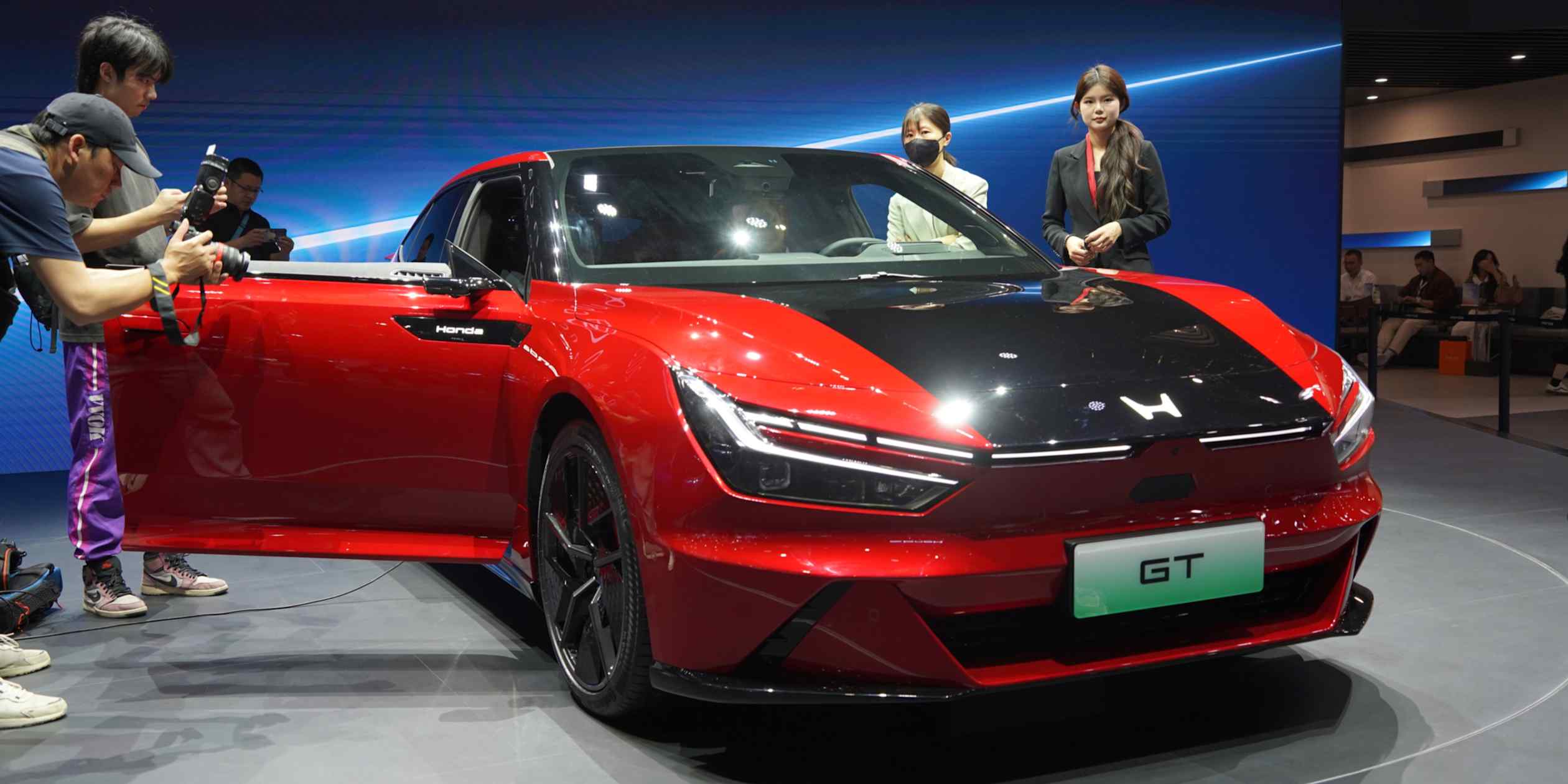
本田在华电动汽车销量在上半年仅为2991辆,同比下降62%。面对需求疲软,该公司无限期推迟其旗舰电动汽车GT的上市,该车型原计划于2025年12月前发布。
Honda sold just 2,991 EVs in China during the six-month period, down 62% on the year. Faced with weak demand, the company indefinitely postponed the launch of the GT, its flagship EV, originally slated for release by December 2025.
日产在2025年4月推出的N7电动轿车,其销量较去年同期(4月至9月)暴跌76%。尽管该车型最初销售良好,但中国市场新车型的大量涌入,缩短了新车型通常经历的高销售期。
Nissan's N7 electric sedan, which debuted in April 2025, saw sales plunge 76% from the previous April-September period. Though the model initially sold well, the flood of launches in the Chinese market has shortened the period of heightened sales that new models usually experience.
2000年代,随着中国汽车市场的增长,日本汽车制造商积极扩大在中国的制造产能,使该国成为与北美同等重要的市场。
Japanese automakers aggressively expanded manufacturing capacity in China during the 2000s as the country's car market grew, turning the nation into a market on par with North America in importance.
但自2020年以来,向新能源汽车的快速转型推动了比亚迪等本土冠军企业的崛起。随着传统汽车需求下降,日本品牌失去了市场份额,产量已回落至其大规模产能扩张之前的水平。
But since 2020, the rapid shift toward new energy vehicles has fueled the rise of local champions such as BYD. As demand sinks for conventional autos, Japanese brands have lost market share, with production retreating to levels last seen before their major capacity expansions.
这种撤退也影响了跟随汽车制造商进入中国的日本供应商。小糸制作所于10月20日表示,将解散其在中国生产汽车照明设备的子公司。
The retreat also affects Japanese suppliers that followed the automakers to China. Koito Manufacturing said on Oct. 20 that it would dissolve a subsidiary producing automotive lighting equipment in China.
一些供应商正试图与中国汽车制造商扩大业务,但面临着本地零部件制造商的激烈价格竞争。
Some suppliers are trying to expand business with Chinese automakers, but they face intense price competition from local parts makers.
总部位于美国的研究公司Mobility Global预测,四家日本汽车制造商在中国的年产量将从2025年的水平到2030年再下降47%,降至约160万辆。
Mobility Global, a U.S.-based research company, forecasts that annual production by the four Japanese automakers in China will fall another 47% by 2030 from 2025 levels, dropping to around 1.6 million vehicles.
尽管市场低迷,对大多数日本汽车制造商来说,退出中国并不现实。2025财年,中国占丰田全球销量的17%、本田的18%和日产的21%,使其成为这三家公司仅次于美国的第二大市场。中国也是先进汽车技术(尤其是电动化和自动驾驶)的关键战场。日产已开始将其在中国生产的插电式混合动力皮卡出口到墨西哥。
Despite the downturn, exiting China is not realistic for most Japanese automakers. China accounted for 17% of Toyota's global sales in fiscal 2025, 18% for Honda and 21% for Nissan, making it the second-largest market after the U.S. for all three companies. China also represents a critical battleground for advanced automotive technologies, particularly electrification and autonomous driving. Nissan has begun exporting its China-made plug-in hybrid pickup truck to Mexico.
因此,车企们正试图通过精简运营并将中国打造为出口中心来求生存。
Automakers therefore are trying to survive by streamlining operations and turning China into an export hub.
丰田于10月8日表示,已与国有的广州汽车集团和中国一汽集团签署战略联盟。各公司计划重组其合资企业,并加速推进车辆电动化和智能化技术。
Toyota said on Oct. 8 that it signed a strategic alliance with state-owned Guangzhou Automobile Group and China FAW Group. The companies plan to reorganize their joint ventures and accelerate vehicle electrification and intelligent technologies.
日产正在扩大从中国的出口,已开始将插电式混合动力皮卡运往墨西哥。该公司计划将出口扩大到拉丁美洲和东南亚。马自达同样计划将在中国制造的电动汽车出口到欧洲、澳大利亚及其他市场。
Nissan is expanding exports from China, having already begun shipping plug-in hybrid pickup trucks to Mexico. The company plans to expand exports to Latin America and Southeast Asia. Mazda likewise intends to export EVs made in China to Europe, Australia and other markets.
但与中国公司在海外市场的竞争也在加剧。9月,中国当局发布新指南,要求车企加强海外业务的合规性和售后服务,凸显北京提升中国汽车品牌全球声誉的决心。
But competition with Chinese companies in overseas markets also is growing. In September, Chinese authorities issued new guidelines requiring automakers to strengthen compliance and after-sales service in overseas operations, underscoring Beijing's determination to improve the reputation of Chinese auto brands globally.