1970年,我的舅舅从日本带回一只电池驱动的哥斯拉玩具。当时年仅11岁、已迷恋怪兽电影多年的我,非常喜欢它。但几周后,这只怪兽不再靠粗壮的金属腿蹒跚而行。我悲伤地找了个借口来安慰自己——按今天的说法这叫“梗”:指望什么呢,它是日本制造的。
In 1970, my uncle came back from Japan with a battery-operated Godzilla. Eleven-year-old me — a kaiju cinema fan for years by then — loved it. But a couple of weeks later, the monster stopped wobbling around on its thick metal legs. I sadly reached for an explanation that today would be called a meme: What did you expect, it was made in Japan.
就在我那只哥斯拉坯掉的那一年,用“日本制造”来嘲讽劣质产品的说法已经流传了二十多年。我不满意玩具的男孩不止我一个。看看1953年2月《纽约客》杂志“城中谈谈”栏里的一条短讯:“一位年轻收礼者在圣诞节收到一只毛绒机械熊——包装盒上盖着‘日本制造’的字样——曾拆开它修理,发现除了一层皮,它主要由一个施利兹啤酒罐组成。”即使是该国在20世纪50年代末和60年代最著名的出口产品——晶体管收音机,也并非完全可靠。
The year my Godzilla went kaput, that punchline for shoddiness already had been around for more than two decades. I was not the only boy unhappy with his toy. Take this short item from February 1953 in The New Yorker’s Talk of the Town column: “A youthful recipient, at Christmas, of a furry mechanical bear — one that came in a box stamped ‘Made in Japan’ — had occasion to operate on it, and discovered that, apart from its skin, it consisted largely of a Schlitz beer can.”Even the country’s most famous export in the late 1950s and ‘60s, the transistor radio, wasn’t completely reliable.
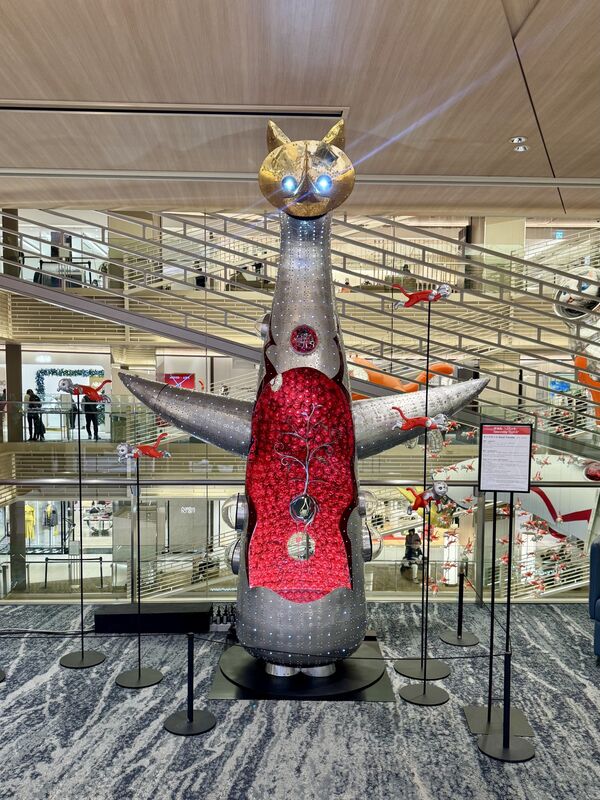
但到了1970年,“日本制造”作为一种侮辱已显得颇不公平。送我哥斯拉的舅舅其实去过大阪世博会(Expo ’70),那是该国艺术与商业实力的历史性展示,其核心建筑“太阳塔”半个多世纪后依然矗立,是公认的日本流行艺术标志。
But by 1970, “Made in Japan” as an insult was getting a good bit unfair. My Godzilla-gifting uncle had in fact been to Expo ‘70 in Osaka, such a historic showcase for the country’s artistic and commercial prowess that its centerpiece Tower of the Sun still proudly stands and is a recognizable Japanese pop-art icon more than a half-century later.
在通往那届世博会的岁月里,日本及其国民一直在孜孜不倦地建立严谨卓越的声誉。东京于1964年举办夏季奥运会——奥运会首次在亚洲举行——这成为新干线(打破纪录的城际子弹头列车)亮相的背景。
In the years leading to that world’s fair, Japan and its people had been assiduously establishing a reputation for exacting excellence. Tokyo held the Summer Olympics in 1964 — the first time the games had taken place in Asia — which became the backdrop for the introduction of the Shinkansen, the record-setting intercity bullet train.
与此同时,日本光学的相机和镜头正在改变美国摄影记者,并最终改变整个业余摄影爱好者群体。其质量之出人意料,以至于长期因商品质量低劣而被嘲笑的国家,竟在1964年斯坦利·库布里克的电影中有一个角色说:“奇怪的是,他们竟造出如此出色的相机。”日本光学如今已称为尼康。至于晶体管收音机的主要制造商,该公司最初名为东京通信工业(Totsuko,简称)。如今,我们称其为索尼。无数全球品牌如今将日本品质传播到世界各地。
Meanwhile, the cameras and lenses of Nippon Kōgaku were converting American photojournalists and eventually whole generations of amateurs. The quality was so unexpected from a country long ridiculed for the caliber of its goods that the 1964 Stanley Kubrick movie had a character saying, “Strange thing is that they make such bloodygood cameras.”Nippon Kogaku is now called Nikon. As for the primary manufacturer of the transistor radio, the company was originally called Totsuko (short for Tokyo Tsushin Kogyo). Today, we know it as Sony. Scores of global brands now radiate Japanese quality around the world.
阅读同事韦斯·科索瓦关于中国消费品牌全球崛起的报道时,我想起了尼康的崛起——以及总部位于深圳的伟光达如何悄然跻身世界顶级相机镜头制造商之列。这让我重新回到了“中国极致”这一话题。大约八个月前我写这篇文章时,还以为自己来晚了,这个趋势会消失。但事实并非如此。相反,这一概念不断扩大。我们不再谈论西方民众对喝热水等近乎刻板印象的中国习惯的基层采纳,而是谈论高质量中国出口在全球范围内的压倒性力量。
I was reminded of Nikon’s rise while reading my colleague Wes Kosova’s story on the global ascendance of Chinese consumer brands — and how Shenzhen-based Viltrox has crept into the elite ranks of the world’s best camera-lens makers. That led me back to Chinamaxxing. When I wrote this around eight months ago, I thought I was late to the party and the trend would vanish. But it hasn’t. Instead, the concept has grown. We are no longer talking about merely the grassroots adoption in the West of almost stereotypical Chinese habits such as drinking hot water, but rather the overpowering force of high-quality Chinese exports around the world.
作为全球最具竞争力、技术最先进汽车制造商所在地的欧盟,已成为中国电动汽车和混合动力汽车的繁荣市场。正如汇丰全球投资研究在6月的一份报告中所总结的:“中国汽车更好。”虽然美国消费者仍嗤之以鼻,那只是因为他们对这些车辆缺乏体验,这是根植于100%关税的近乎全面禁令导致的结果。欧洲人更清楚,正如我的同事Chris Bryant在此处和此处所撰文,他们已在价格和质量上与中国生产商正面交锋。
The European Union — home to some of the most competitive and technically advanced automakers in the world — has become a thriving market for Chinese EVs and hybrids. As an HSBC Global Investment Research report concluded in June: “Chinese cars are better.”While consumers in the US still scoff, that’s only because they have little experience with the vehicles, the result of a virtual ban rooted in 100% tariffs. Europeans know better, having gone head-to-head with Chinese producers in both price and quality, as my colleague Chris Bryant has written about here and here.
这是中华人民共和国的一大展示实力之举——并导致欧盟自2024年起以关税捍卫其在电动汽车领域的主场,并今年与中国车企谈判配额(正如1990年代对日本车企所做的那样)。
It’s a major flex by the People’s Republic — and it has led the EU to defend its turf with tariffs on EVs since 2024 and to negotiate quotas with Chinese carmakers this year (just as it did with Japanese automakers in the 1990s).
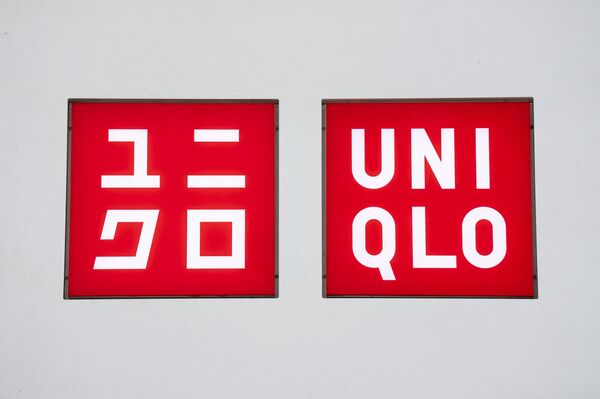
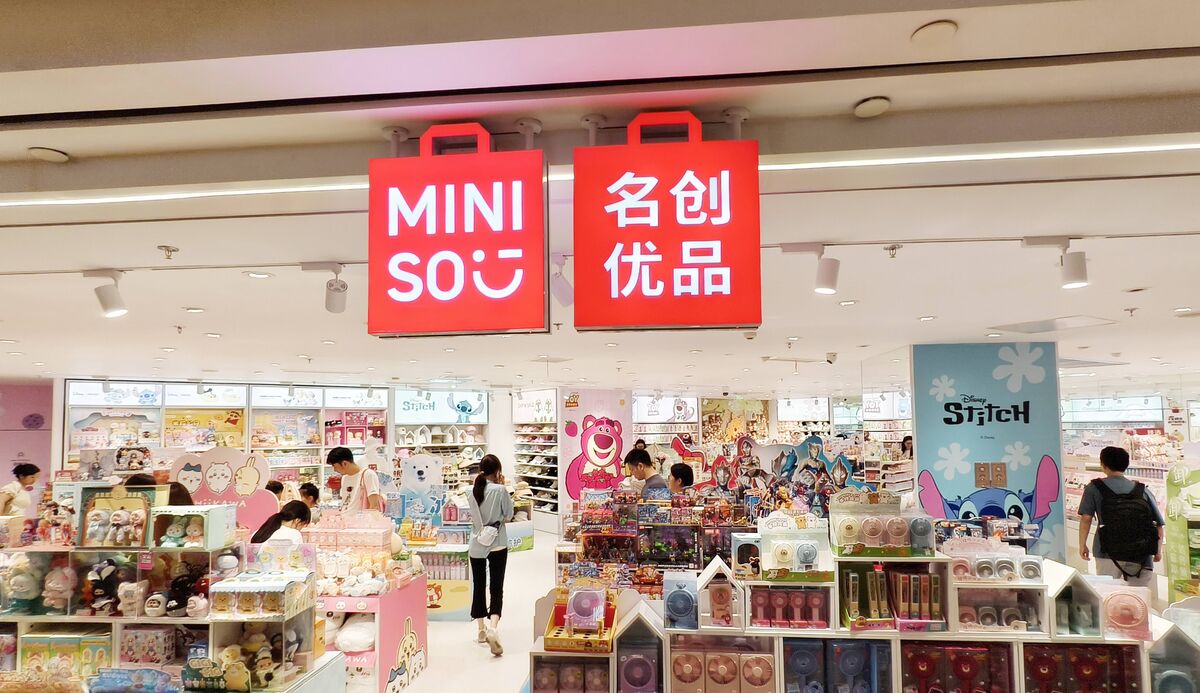
当然,除了挂在包上的Labubu玩偶,许多普通消费者并未意识到,他们喜爱的许多产品和零售商来自中国。这些公司自身似乎在隐瞒这一事实。我不得不在Viltrox(唯卓仕)网站上点击数次,才找到一份表明该品牌源自中国的年表。还有其他形式的伪装。名创优品这家生活杂货和玩具店总部位于广州,其标志却呼应日本快时尚巨头优衣库。
Of course, apart from their Labubu charms dangling from bags, many ordinary consumers don’t realize that many of the products and retailers they like are from China. The companies themselves seem to hide that fact. I had to click several times on the Viltrox website to get to a chronology that said the brand had its origins in China. And there are other forms of disguise. Miniso, the lifestyle shop and toy store, is based in Guangzhou, but has a logo that echoes the Japanese fast-fashion giant Uniqlo.
此类模仿反映出一种与生俱来的创意自卑,对消除中国“抄袭”的名声毫无裨益。这几乎就像承认原产国会因与同胞企业拼多多旗下臭名昭著的廉价垃圾网购平台Temu(拼多多创立于上海,但将法律住所设在开曼群岛、总部设在都柏林)产生关联而玷污它们。
Impersonations like these reflect an innate creative diffidence and do little to dissipate China’s reputation for copying. It’s almost as if the admission of country of origin might taint them by association with the infamously cheap crap of compatriot Temu, the online marketplace operated by PDD Holdings (which was founded in Shanghai but established its legal domicile in the Cayman Islands while headquartered in Dublin).
这种谨慎态度可能会随着中国消费品企业对自身出身更有信心而发生改变(彭博社的Juliana Liu曾撰文提及希音集团试图摆脱其在中国大陆超高效制造基地的尝试以失败告终)。日本的经验表明,产地自豪感是产品的一部分,即使“日本制造”曾经不是一种赞誉,这一点依然成立。我把那个坏掉的哥斯拉模型在架子上放了好几年——我想它现在还在菲律宾的老家里——一直舍不得扔掉,因为毕竟,它是“日本制造”。
The reticence may change as China’s consumer companies get more confident about where they’re from (Bloomberg’s Juliana Liu has written about Shein Group Ltd’s failed attempt to pivot away from its super-efficient manufacturing base in the mainland). The lesson from Japan is that pride of place is part of the product, which was true even when “made in Japan” wasn’t a compliment. I kept my non-working Godzilla on the shelf for years — I think it’s still somewhere in the old family home in the Philippines — unwilling to give it up because, after all, it was made in Japan.