
当我还是哈佛商学院的新任教授时,被指派教授一门谈判课程——并收到了一堆历代教员传承下来的教学材料。其中一天的教案重点讲授锚定效应和默认选项等技巧,旨在帮助学生在谈判桌上争取更好的结果。
When I was a new professor at Harvard Business School, I was assigned to teach a course on negotiation — and handed a pile of instructional materials that had been passed down through generations of faculty. One day’s lesson plan focused on techniques like anchoring and the use of defaults, designed to help students secure better outcomes at the bargaining table.
这些课程设计周到、生动有趣,对渴望成为更优秀交易者的学生大有裨益。讨论强调,这些工具既可用于影响他人,也可用于抵御被影响;同时也涉及其中的一些伦理问题。然而,在教授谈判时,我无法回避现代资本主义核心的一种张力:创造价值与攫取价值这对双重目标。
The lessons were thoughtfully constructed, entertaining and helpful for students hungry to become better dealmakers. The discussions emphasized that such tools could be used both to influence others and to resist being influenced; they also covered some of the ethical implications involved. Yet teaching negotiation, I couldn’t avoid feeling a tension at the heart of modern capitalism: the twin goals of creating value and claiming value.
为了创新,企业需要覆盖成本、给投资者提供回报并投资新产品。但企业追求利润的方式有二:要么做大蛋糕,要么多分一块。制药公司研发出新的救命药,却定出许多患者买不起的价格。
To innovate, companies need to cover costs, provide returns to investors and invest in new products. But companies can pursue profit either by growing the size of the pie or by taking a bigger slice of it. Pharmaceutical companies produce new life‑saving drugs, only to set prices that are out of reach for many patients.
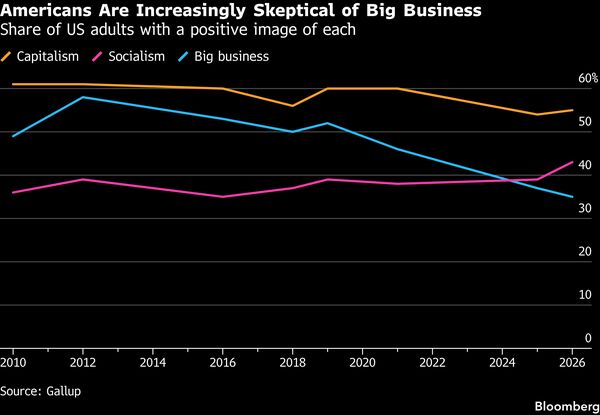
在高不平等、对企业领袖信心低落、以及对资本主义看法转差——尤其是年轻美国人——的大背景下,这种张力显得尤为突出。而人工智能可能即将让情况恶化。我们需要人工智能公司不断承诺带来的健康、财富和智慧的改善,尤其是在生产率增长放缓之际。但这个新兴行业宛如“西部荒野”——伴随敛财、劳动力市场冲击和安全威胁等风险,以及新一代影响行为的工具。
This tension looms large against a backdrop of high inequality, low confidence in corporate leaders and souring views of capitalism, especially among younger Americans. And artificial intelligence may be about to make things worse. We need the improved health, wealth and wisdom that AI companies keep promising, especially as productivity growth has slowed. But the emerging industry is the Wild West — with risks of cash grabs, labor market disruptions and safety threats, alongside a new generation of tools to influence behavior.
大型科技公司已经提供了大量吸引客户并让他们保持粘性的新方式,有时导致不惜一切代价、不顾对整个社会的影响,去无休止地优化短期利润。当人们在一个“烂透了”的现代互联网上无休止地刷屏时,体育博彩和神奇补品的广告在手机屏幕上闪烁。隐形收费、虚假信息、强迫性赌博和数字成瘾在网络上盛行,原因很简单:它们有利可图。
Big Tech has already provided a raft of new ways to hook customers and keep them engaged, at times leading to relentless optimization for short-term profit, irrespective of the implications for society writ large. Ads for sports betting and miracle supplements flash across phones as people doomscroll an ens--ttified modern internet. Hidden fees, misinformation, compulsive gambling and digital addiction flourish online for a simple reason: They are profitable.
价值创造向来伴随着价值获取,这有时让资本主义获得了一些不太好听的修饰语,比如“裙带资本主义”或“零和游戏”。以约翰·雅各布·阿斯特为例,他是美国早期的标志性人物。阿斯特最初靠皮毛贸易发家,起初亲手处理海狸皮。但他也通过游说国会打击外国竞争对手来巩固自己的权力,最终成为一位强大的纽约房地产大亨,并尽管中国有禁令,仍向中国贩卖鸦片。
Value creation has always come with value capture, at times earning capitalism some less-than-flattering qualifiers, like “crony” or “zero-sum.”Consider John Jacob Astor, an early American icon. Astor made his initial fortune in the fur trade, preparing beaver pelts with his own hands at first. But he also entrenched his power in part by lobbying Congress to hobble foreign competitors, eventually becoming a powerful New York real estate mogul and selling opium to China despite its prohibition.
公司未必变得更贪婪了;变的是它们可用的机器——因此可能给消费者带来的危害类型也变了。现代科技公司触角伸向日常生活的几乎每个方面,手握数据和影响力算法,连胡佛都会垂涎三尺。仅世界五大科技公司在其最新财报中就净赚了超过半万亿美元。这是值得庆祝还是令人担忧,部分取决于它们创造了多少价值,以及这些收益是如何获得的。
Companies may not be getting greedier; what has changed is the machinery available to them — and hence the types of harms likely to arise for consumers. Modern tech companies reach into nearly every aspect of daily life, armed with data and algorithms of influence that would have made J. Edgar Hoover salivate. Five of the world’s largest tech companies alone raked in more than half a trillion dollars in net income in their latest financial statements. Whether this is cause for celebration or concern depends, in part, on how much value they create, and how the gains are gotten.
技术或许是新的,但其背后的战略思维并非如此。价值攫取的诱惑贯穿于MBA课程体系与商业生态系统之中。以战略学家迈克尔·波特的“五力模型”为例,这一极具影响力的框架将经济学思想转化为商学院友好的解释,阐释为何某些行业比其他行业更具盈利能力。其核心在于:企业的利润取决于其市场力量;例如,对供应商和客户拥有更大的影响力,意味着更高的利润。其底层的经济理论描述了经济力量如何塑造行业结构与企业绩效。
The technology may be new, but the strategic thinking behind it is not. The allure of value claiming runs throughout the MBA curriculum and the business ecosystem. Take strategist Michael Porter’s Five Forces, an influential framework that translates ideas from economics into a business-school-friendly explanation of why some industries are more profitable than others. The gist is that a company’s profits depend on its market power; more sway over suppliers and customers, for example, means higher profits. The underyling economic theory describes how economic forces shape industry structure and firm performance.
然而,一旦框架进入MBA课堂,它们很快就变成了规范性的工具。经济学家观察;战略家行动。正如波特所写:“战略家的目标是减少流向供应商、购买者和替代品的利润份额,或为阻止潜在进入者而牺牲的利润份额。”用通俗英语说,战略家要尽可能多地攫取那块蛋糕。
But when frameworks enter the MBA classroom, they quickly become prescriptive. The economist observes; the strategist acts. As Porter wrote, “The strategist’s goal is to reduce the share of profits that leak to suppliers, buyers, and substitutes or are sacrificed to deter entrants.”In plain English, the strategist claims as much of the pie as they can.
“五力模型”绝非只有价值提取一面,但该框架提供了一个窗口,让我们得以窥见管理者是如何被隐性地——有时也是显性地——训练思维的。学生们从分析这些力量,进而思考如何塑造它们:如何削弱供应商议价能力、提高进入壁垒或威慑替代品。而在某些情况下,这意味着为了多分一杯羹,不惜让整块蛋糕变小。
There is plenty more to the Five Forces than value extraction, but the framework offers a window into how managers are implicitly — and, at times, explicitly — trained to think. Students move from analyzing the forces to thinking about how to shape them: how to weaken supplier power, raise barriers to entry or deter substitutes. And in some cases this means shrinking the pie just to eke out a bigger slice.
这种模式延伸至战略领域之外。以“客户终身价值”这一现代营销的主力工具为例。学生们被教导估算客户未来将为企业产生的现金流的净现值。这是一个理解获客成本与留存策略的有力工具。例如,它可以揭示——对企业而言——日益泛滥、日益令人毛骨悚然的在线广告所涉及的权衡取舍。
This pattern extends beyond strategy. Take the concept of “customer lifetime value,” a workhorse of modern marketing. Students are taught to estimate the net present value of the future cash flows a customer will generate for the firm. It’s a powerful tool for understanding acquisition costs and retention strategies. For instance, it can shed light on the tradeoffs — to the firm — of ever-creeping, ever-creepier online ads.
但这也揭示了营销人员心态中更深层的东西:客户所感知的价值与客户实际获得的价值之间可能存在重要差距。正如在战略中一样,最初作为描述性模型的东西可能变成规范性模型。在线上,这种逻辑可以体现在从永无止境的自动播放(再看一个视频!)到客户忘记了自己还在付费的订阅服务等方方面面。我曾发现自己为一项英国流媒体服务支付了数月费用,当初我在国外旅行时将其作为“免费”试用注册。
But it also reveals something deeper about the marketer’s mindset: There can be important gaps between the value a customer and the value the customer. As in strategy, what begins as a descriptive model can become prescriptive. Online, that logic can manifest in everything from never-ending autoplay (just one more video!) to subscriptions customers have forgotten they are paying for. I once found I had been paying for months for a UK streaming service I’d signed up for as a “free” trial during a trip abroad.
当经济学家卡尔·夏皮罗和哈尔·瓦里安于1999年出版《信息规则》时,它成为了早期数字时代战略的权威指南。他们解释了信息产业如何奖励那些能够建立网络效应、控制标准并创造“锁定”客户的转换成本的企业。在随附的幻灯片中,他们甚至将这一启发式方法转化为一个公式:“来自客户的利润 = 总转换成本 + 质量/成本优势。”
When economists Carl Shapiro and Hal Varian published in 1999, it became a definitive guide to strategy in the early digital age. They explained how information industries reward firms that can build network effects, control standards and create switching costs that “lock in” customers. In accompanying slides they even turn the heuristic into a formula: “Profits from a customer = total switching costs + quality / cost advantages.”
当时很少有人知道如何将互联网业务货币化,而信息产品被证明很容易复制。初创企业正在创造价值;为了生存,它们需要帮助来获取价值。出版《信息规则》后,瓦里安后来成为一家名为谷歌的年轻公司的首席经济学家,将经济学思想注入新兴的数字经济。
Few people at the time knew how to monetize internet businesses, and information products proved easy to copy. Nascent businesses were creating value; to survive, they needed help capturing it. After publishing , Varian went on to become chief economist of a young company called Google, infusing ideas from economics into the emerging digital economy.
许多互联网公司最终走过的道路,展示了价值创造与价值获取之间那种微妙的平衡,以及正和博弈如何可能变得不再那么“正和”。算法推荐流、隐性费用、默认设置以及其他设计选择,能够以有损消费者自身利益的方式引导消费者行为。平台可能凭借创造价值而获得主导地位,随后却通过欺骗性做法来增加利润。在与政策制定者和企业的合作中,包括作为涉及大型科技公司案件的专家证人,我亲眼目睹了强大的平台如何诱捕用户。
The path many internet companies ultimately took illustrates that delicate balance between value creation and capture, and how positive-sum trades can become less so. Algorithmic feeds, hidden fees, default settings and other design choices can steer consumers in ways that work against their own interests. A platform can gain dominance by creating value, only to then increase profits through deceptive practices. In my work with policymakers and companies, including as an expert witness in cases involving large tech companies, I have seen firsthand how powerful platforms can snare users.
社交媒体便是典型案例:在多年激进地优化算法推荐流以追求用户粘性之后,平台正面临一波诉讼潮。
Exhibit A is social media, where after years of aggressively optimizing algorithmic feeds for engagement, platforms are now facing a wave of lawsuits.
问题的部分在于公司选择衡量什么——以及能够衡量什么。追踪社交媒体平台的日活跃用户数或博彩网站的投注金额等行为指标相对容易。消费者的福祉则难以量化,且往往被排除在公司的核算之外。
Part of the problem is what companies choose — and are able — to measure. It’s relatively easy to track behaviors like the number of daily active users on a social media platform or dollars wagered on a gambling site. A consumer’s wellbeing is much harder to quantify, and too often left out of a company’s calculus.
米尔顿·弗里德曼坚信市场的力量。1970年,他曾著名地主张“企业的社会责任是增加利润”。鲜为人知的是,他同时也指出:企业应当遵守“社会的基本规则,包括那些体现在法律中的,也包括那些体现在道德习俗中的”。监管可以帮助提供这些规则,引导企业远离最恶劣的价值榨取形式。但政策往往滞后于技术,没有任何监管机构能预见每一种市场缺陷。这使得管理者拥有相当大的自由裁量空间。
Milton Friedman was a fervent believer in the power of markets. In 1970 he famously argued that “the social responsibility of business is to increase its profits.”Less famously, he also noted: Businesses should conform “to the basic rules of the society, both those embodied in law and those embodied in ethical custom.”Regulation can help supply those rules, steering firms away from the worst forms of value extraction. But policy often lags behind technology, and no regulator can anticipate every market imperfection. That leaves considerable discretion in the hands of managers.

要了解管理判断与培训如何发挥作用,不妨看看达龙·阿西莫格鲁、亚历克斯·何和丹尼尔·勒梅尔的研究。他们分析了1万家美国上市公司的数据,发现拥有MBA学位的首席执行官占比从1980年的24%上升到2020年的37%。他们估计,与任命一名未受商学院培训的高管相比,任命一名受过商学院培训的高管会在五年内使工人薪酬降低约6%。那些教导领导者如何捍卫利润、索取价值的框架,在总体上似乎确实造就了这样做的领导者。
To see how managerial judgment and training come into play, consider research by Daron Acemoglu, Alex He and Daniel le Maire analyzing data on 10,000 publicly listed US firms. They found that the share of chief executive officers with MBAs rose from 24% in 1980 to 37% in 2020. They estimate that appointing a business-school-trained executive reduces worker pay by about 6% over a five-year span, compared with a world in which an executive without business-school training were appointed. The frameworks that teach leaders how to defend profits and claim value seem, in aggregate, to produce leaders who do exactly that.
资本主义建立在自由交换可以互利共赢这一理念之上。你把东西卖给我,我们双方都能过得更好;你发明了什么东西,社会就能获益。
Capitalism is premised on the idea that free exchange can be mutually beneficial. You sell me something and we can both be better off; you invent something and society gains.
在这个过程中,企业需要获取其创造的足够价值,以回报投资者、为未来投资融资,并给企业家持续创造价值的理由。当资本主义变成零和博弈时,它就会崩溃,而互联网的许多部分给人的正是这种感觉。监管正缓慢但坚定地回应互联网的偏离轨道。文化、规范和管理自由裁量权也都发挥着作用。
Along the way, companies need to capture enough of the value they create to reward investors, finance future investment and give entrepreneurs reason to keep creating it. Capitalism breaks down when it becomes zero-sum, and much of the internet can feel this way. Regulation is slowly but surely responding to the way the internet has gone awry. Culture, norms and managerial discretion all play a role too.
或许,乐观的最佳理由在于:正如互联网当年一样,人工智能的潜在收益极其巨大。但人工智能也给企业提供了另一套强大的工具来塑造行为,并带来了企业可能缺乏足够动力去应对的风险与危害。
Perhaps the best case for optimism is that the potential gains from AI are — as they were with the internet — very, very large. But AI also gives companies another powerful set of tools for shaping behavior, and it creates risks and harms that companies may have insufficient incentive to address.
关键在于确保 AI 公司为社会创造的价值远超其宣称的水平。大型科技企业的掌舵人应花更多时间自问,并向——客户、政策制定者和公民社会提问:如果人们充分知情、保持警觉并依据自身长远利益行事,他们会选择这项产品或服务吗?提出这个问题只是开始;量化衡量它会更好。毕竟,这些公司擅长衡量指标。试想,如果它们把“让客户和整个社会受益程度”设为北极星指标,会是怎样一番景象。
The key will be to make sure AI companies are creating much more value for society than they claim. The people running large tech businesses can spend more time asking themselves and — —customers, policymakers and civil society: Would people choose this if they were fully informed, attentive and acting in their own long-term interest? Asking the question is a start; measuring it would be even better. These companies excel at measurement, after all. Imagine if they made their North Star metric how much better off they made their customers, and society at large.