路易斯安那州正在消失的克里奥尔语的最古老录音被公布。一段被遗忘的1935年录音的重新发现,让一种根植于该州奴隶制和法国殖民历史的语言重见天日。
Oldest Recording of Louisiana’s Vanishing Creole Language Is Published The rediscovery of a forgotten recording from 1935 sheds light on a language rooted in the state’s history of slavery and French colonialism.
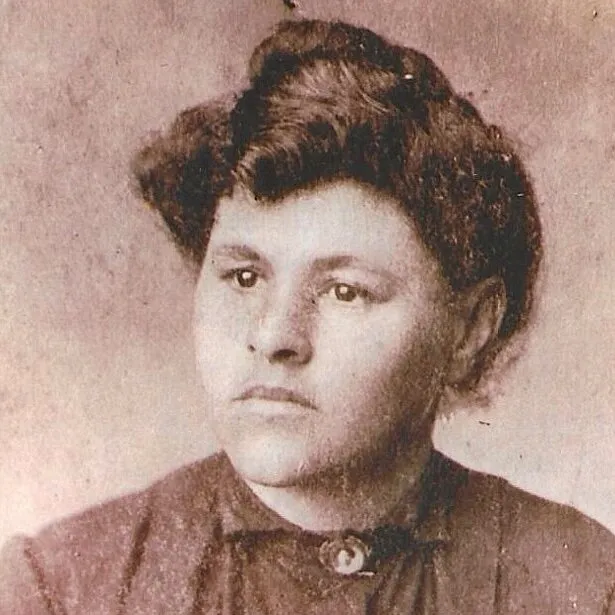
在路易斯安那州拉斐特的一间医生候诊室里,艾玛·贝努瓦感到困惑:一位戴眼镜的学者带着一台看起来像木柜的庞大机器在那里。他想让她对着它说话。
In a doctor’s waiting room in Lafayette, La., Emma Benoit was puzzled: A bespectacled academic was there with a hulking machine that looked like a wooden closet. He wanted her to speak into it.
此人是洛伦佐·道·特纳,一位开创性的黑人语言学家。1935年夏天,他带着一台重达100磅、至少需要两个人才能抬动的巨大录音设备,穿梭于路易斯安那州南部各地。
The man was Lorenzo Dow Turner, a pioneering Black scholar of linguistics. He was crisscrossing southern Louisiana in the summer of 1935 with an enormous recording device that weighed 100 pounds and required at least two people to carry.
贝努瓦女士俯身靠近机器,开始讲述“我这一生的过往”。她是一位69岁的寡妇,出生在内战的废墟之中,母亲曾是奴隶,父亲是白人。她说的是路易斯安那克里奥尔语——如今只有几千人使用这种语言,但它曾经是该州部分地区的通用语言。
Ms. Benoit leaned toward the machine and began outlining the “passing of my life.”A 69-year-old widow, she was born in the ashes of the Civil War to a formerly enslaved mother and a white father. She spoke in Louisiana Creole, a language that only a few thousand people now use but was once the predominant one in parts of the state.
近一个世纪后,这台机器的铝盘录音于周五首次得到分析并向公众公开。剑桥大学语言学家奥利弗·马约找到了贝努瓦女士的这段访谈,以及特纳博士此行录制的另外12段访谈。他说,这些是已知最古老的路易斯安那克里奥尔语(又称Kouri-Vini)口语样本。(更早的录音可追溯至1934年,但那是用这种语言演唱的歌曲,而非口语。)
Nearly a century later, the machine’s aluminum disc recordings were analyzed and shared publicly on Friday for the first time. Oliver Mayeux, the Cambridge University linguist who found Ms. Benoit’s interview alongside 12 others from Dr. Turner’s trip, said they were the oldest known examples of someone speaking Louisiana Creole, also known as Kouri-Vini. (Older recordings exist, from 1934, but the language is sung rather than spoken.)“The moment I heard these recordings, I knew that they would drastically change our understanding of this language,” Dr. Mayeux said.
“听到这些录音的那一刻,我就知道它们将彻底改变我们对这门语言的理解,”马约说。他的研究成果发表在《语言记录与描述》期刊上。对语言学家而言,这一发现揭示了路易斯安那克里奥尔语如何从奴隶制的根源中诞生,融合了法语、西非语言和美洲原住民语言。这些片段让历史学家得以异常直接地窥见这门语言早已离世的使用者的生活——他们在历史记录中很大程度上一直处于边缘地位。对贝努瓦女士的直系后代来说,这些录音是一份家族历史的宝库。
His research findings were published in the journal “Language Documentation and Description.”For linguists, the discovery sheds light on how Louisiana Creole emerged from its roots in chattel slavery, blending French, West African and Native American languages. The clips offer historians an unusually direct glimpse into the lives of the language’s long dead speakers, who have remained largely sidelined from the historical record. To the direct descendants of Ms. Benoit, they are a trove of family history.
特纳博士是在一次途经拉法叶、奥珀卢萨斯和新奥尔良的实地考察中录制这些访谈的,这是他一项从未发表的路易斯安那克里奥尔语研究项目的一部分。在对贝努瓦女士的访谈中,她回忆起一生在田间劳作、在拉法叶郊外的种植园收割甘蔗的经历。
Dr. Turner recorded the interviews on a field trip through Lafayette, Opelousas and New Orleans as part of a research project into Louisiana Creole that was never published. In his interview with Ms. Benoit, she recalled a life spent toiling in the fields, harvesting sugar cane on plantations outside Lafayette.
在新奥尔良录制的一段录音中,克里奥尔裔退休警察乔治·多伊尔讲述了自己在20世纪初有色人种被禁止进入该市警察局之前,曾在警察局任职的经历。其他受访者还包括学校教师、儿童和一位钢琴家。
In a recording made in New Orleans, George Doyle, a Creole retired policeman, described serving in the city’s Police Department before people of color were barred from its ranks in the early 20th century. Other interviewees included schoolteachers, children and a pianist.
他们所说的语言根源可追溯至18世纪的新奥尔良,当时这座城市是早期美利坚共和国边缘的一座法国和西班牙殖民地。由于缺乏共同的通用语言,被奴役的非洲人将近似法语的表达与西非语言的语法结构相结合,创造出一种新的语言,并借用美洲原住民的词汇来描述路易斯安那陌生的动植物。
The language they spoke traces its roots to 18th-century New Orleans, when the city was a French and Spanish colony on the fringes of the early American republic. Lacking a common vernacular, enslaved Africans combined approximations of French with grammatical structures from West African languages to create a new one, borrowing Native American terms to describe Louisiana’s unfamiliar plants and animals.
这种语言一直广泛使用到19世纪,但在1803年美国从法国手中购得路易斯安那后,开始被英语取代。到20世纪中叶,路易斯安那克里奥尔语的使用者已不再将其传给下一代。直到现在,研究其发展的语言学家在很大程度上依赖书面文本。“这些记录一直不可靠,”马约博士说,因为它们并未反映这种语言实际的口语面貌。
The language was spoken widely into the 19th century but began to be replaced by English after the United States purchased Louisiana from France in 1803. By the mid-20th century, speakers of Louisiana Creole had stopped passing it on. Until now, linguists studying its development largely relied on written texts. “Those were always an unreliable record,” Dr. Mayeux said, as they did not reflect how the language was actually spoken.
马约博士说,重新发现的口语录音显示,这种语言从法语中借用的成分远超此前所知。录音表明,路易斯安那克里奥尔语的使用者会随手加入法语语法形式,并在说话中途在两种语言之间切换。
The rediscovered spoken recordings revealed that the language borrowed far more from French than was previously known, Dr. Mayeux said. They showed how speakers of Louisiana Creole readily threw in French grammatical forms and switched between the languages midflow.
“这种语言随着时间的推移,其发展方式比我们之前认为的要多元得多,”马约博士说。
“This language over time developed in a much more multilingual way than we thought before,” Dr. Mayeux said.
拥有路易斯安那克里奥尔血统的人常常抵制美国各地写入法律的种族二元划分。路易斯安那泽维尔大学的克里奥尔文化历史学家温迪·A·高丁说,许多克里奥尔语使用者难以被简单地归入种族类别,这使得吉姆·克劳法和种族隔离的执行变得复杂。
People with Louisiana Creole heritage often resisted the racial binaries enshrined into law across the United States. Many Creole speakers defied neat racial categorization, said Wendy A. Gaudin, a historian of Creole culture at Xavier University of Louisiana, complicating the enforcement of Jim Crow laws and segregation.
“没有哪一种单一的表型可以让人与克里奥尔人联系起来,”本身是克里奥尔人的高丁博士说。“我们是持久的原住民群体、法国殖民工程、跨大西洋奴隶贸易和西班牙殖民时期的产物,”她继续说道,并回忆起在吉姆·克劳时代,她的一些家庭成员可以使用仅限白人使用的水泉,而另一些人则会被拦下。
“There isn’t a single phenotype that one can associate with Creoles,” said Dr. Gaudin, who is Creole. “We are the product of an enduring Indigenous population, the French colonial project, the trans-Atlantic slave trade, the Spanish colonial period,” she continued, recalling how some members of her family used whites-only water fountains during the Jim Crow era while others would have been stopped.
“吉姆·克劳制度就像一把宽齿梳,”她说,“一些种族特征更模糊的人可以从齿缝间溜过去。”然而,许多克里奥尔人仍生活在残酷的种族压迫之下。霍默·普莱西是一名来自新奥尔良的克里奥尔鞋匠,他1892年因坐在全白人车厢而被捕,这起案件最终促成了最高法院一项具有里程碑意义的裁决,该裁决使南方的种族隔离得以维持数十年。
“Jim Crow operated as a wide-tooth comb,” she said. “Some more racially ambiguous people could slip through the spaces between.”Yet many Creole people lived under brutal racial oppression. Homer Plessy, whose arrest in 1892 for sitting in an all-white train carriage led to a landmark Supreme Court ruling that upheld segregation in the South for decades, was a Creole shoemaker from New Orleans.
如今,新一代克里奥尔后裔正在学习这门语言,形成一场规模不大的复兴运动。这也是路易斯安那州法语文化遗产日益受到关注的更广泛浪潮的一部分。
Today, a new generation of people with Creole heritage is learning the language as part of a modest revival. It is part of a wider surge of interest in Louisiana’s Francophone heritage.
“每当某样东西几乎要消失时,那正是你意识到自己是谁、自己正在失去什么、它有何价值的时刻,”马约博士说。
“Whenever something is almost lost, that’s when you realize who you are, what you’re losing, what value it has,” Dr. Mayeux said.
一些新学习者转向语言中心提供的在线课程,另一些人则在非正式的Facebook讨论中练习写作。杰梅因·巴特勒以艺名“来自南方的杰梅因”演出,他发行了完全用路易斯安那克里奥尔语演唱的嘻哈音乐。
Some of the new learners are turning to online programs offered by language centers, while others are practicing their writing in informal Facebook discussions. Jermaine Butler, who performs under the stage name Jermaine from the South, has released hip-hop music entirely in Louisiana Creole.
66岁的瓦伦西亚·普拉迪耶-林顿是伯努瓦女士的曾孙女,她不会说这门语言。她说,听到祖先的录音时她惊呆了。马约博士通过一个家谱网站找到她后,于2024年联系她并分享了这段录音。
Valencia Pradier-Linton, 66, a great-granddaughter of Ms. Benoit who does not speak the language, said she was stunned by the recording of her ancestor. Dr. Mayeux contacted her to share it in 2024 after locating her through an ancestry website.
普拉迪耶-林顿女士研究家族历史已有30年,她收集官方文件并采访家族成员。据一位姑妈讲述的一则令人震惊的轶事,埃玛·伯努瓦曾给她白人父亲当女佣,而她的白人同父异母姐姐则在桌下喂她吃饭。但没有什么能让普拉迪耶-林顿女士对听到曾祖母声音的录音做好准备。
Ms. Pradier-Linton had researched her family history for 30 years, compiling official documents and interviewing family members. According to one jarring anecdote shared by an aunt, Emma Benoit worked as a housemaid for her white father and was fed under the table by her white half sister. But nothing prepared Ms. Pradier-Linton for hearing a recording of her great-grandmother’s voice.
“起初我只是麻木了,”她说,“我不知道该怎么用语言表达。它就是一件珍宝。是一件传家宝。是我想要永远保存的东西,而我现在想学克里奥尔语了。”
“I was just numb, initially,” she said. “I don’t know how to put it in words. It is just a treasure. It’s an heirloom. It’s something that I want to keep forever, and I want to learn Creole now.”