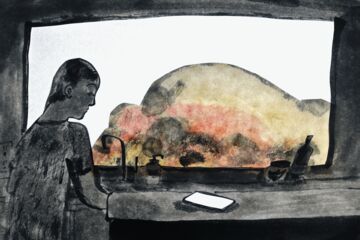
今年夏天,在加州海岸度周末时,随着我们到达门多西诺葡萄酒产区上方山丘的目的地,气温接近了华氏100度(摄氏38度)。这令人担忧,但鉴于那周加拿大和欧洲的大火正在肆虐,金州这一次总算免于遭受重大火灾。
On a weekend getaway up the California coast this summer, temperatures neared 100F (38C) as we reached our destination in the hills above the Mendocino wine country. Worrisome, but with wildfires ravaging Canada and Europe that week, the Golden State, for once, had been spared major conflagrations.
我们在露台上放松时,注意到在一个原本晴朗的下午,一团带有灰色调的云正漂浮在森林覆盖的山脊上方。我本能地查看了人类世的首选灾难应用程序Watch Duty。那不是云。一场移动迅速的野火在几英里外爆发了,就在我们刚刚路过的葡萄园旁。
Relaxing on the deck, we noticed a gray-tinged cloud floating above a forested ridge on an otherwise blue-sky afternoon. Reflexively, I checked Watch Duty, the go-to disaster app of the Anthropocene. It wasn’t a cloud. A fast-moving wildfire had broken out several miles away, by the vineyards we had just passed.
随着当局下令疏散并关闭高速公路,我开始规划逃生路线,并把车开下山去充电,以防万一。行李被重新打包,在被野火警报打断的一晚辗转难眠之后,我们在第二天早上醒来时,听到了头顶上方传来警报声和直升机轰鸣的声音,此时在我们正西边如干燥引火物般的山丘上,又有一场火灾爆发了。
As authorities ordered evacuations and shut down the freeway, I started plotting escape routes and drove down the hill to charge the car, just in case. Bags were repacked, and after a fitful sleep punctuated by wildfire alerts, we awoke the next morning to the sound of sirens and helicopters churning overhead as another fire broke out in the tinder-dry hills directly west of us.
身为加州人,意味着要带着某种程度的存在主义焦虑生活。毕竟,在你读完这句话之前,一场灾难性的地震就可能来袭。然而,“大地震”何时会袭击是不可预测的;相比之下,野火现在已经变成了全年无休。Watch Duty独特而持续的提示音提醒着我,我必须随时准备逃离。
Being a Californian means living with a certain level of existential anxiety. After all, a cataclysmic earthquake could strike before you finish reading this sentence. But when the Big One will hit is unknowable; wildfires, by contrast, are now year-round. Watch Duty’s distinctive and unceasing pinging reminds me I must always be ready to run.
这并不是普通的应对气候焦虑,而是某种新的东西:疏散正在变成一种心态,因为一次又一次的气候冲击重塑了我们的大脑,让我们为灾难做准备,而不是去担忧灾难。由于气候变化,每当气温飙升时,在我湾区家园附近例行爆发的点点野火中的任何一颗,都可能在几分钟内爆发成一场城市炼狱。因此,当Watch Duty在半夜呼叫时,我就会接听。
This isn’t garden-variety climate anxiety but something new: Evacuation is becoming a mindset as one climate shock after another rewires our brains to prepare for disaster rather than worry about it. Thanks to climate change, any of the spot fires that routinely erupt near my Bay Area home when temperatures soar could explode into an urban inferno within minutes. So when Watch Duty calls in the middle of the night, I pick up.
在世界各地,气候引发的灾难不再是偶然的、发生在他身上的遥远灾难;它们是无处不在、席卷一切的危机。来自偏远野火的有毒烟雾;太平洋风暴产生的巨浪摧毁了千里之外价值数百万美元的海滨住宅;科罗拉多河及其水库的干涸;尼泊尔瞬间崩塌的冰川。然而,当你知道自己离开家时,它可能在你返回时已不复存在,这种威胁就让人感觉更加切身。
Around the world, climate-driven catastrophes are no longer random, distant disasters happening to someone else; they’re everything everywhere all at once. The toxic smoke from remote wildfires; the waves generated by a Pacific storm taking out multimillion-dollar beach houses a thousand miles away; the drying up of the Colorado River and its reservoirs; the glacier in Nepal that collapses in an instant. But threats feel more personal, knowing that when you leave your home it might not be there when you return.
斯坦福大学临床研究心理学家阿德里安娜·海因茨说:“我们的神经系统不断被挟持,我们适应的窗口期正变得越来越短,且叠加在一起。”正当我和海因茨交谈时,一个“守望职责”(Watch Duty)警报响了起来。“那是你的还是我的?”我半开玩笑地问,其实并非完全在开玩笑。是她的。
“Our nervous systems are constantly being hijacked, and our windows to adapt are getting shorter and more compounded,” says Adrienne Heinz, a clinical research psychologist at Stanford University. As Heinz and I chat, a Watch Duty alert sounds. “Is that yours or mine?”I joke, sort of but not really. It’s hers.
海因茨年轻的家人于2017年搬到索诺玛葡萄酒产区的希尔兹堡后不久,就在加州第一场气候引发的大型野火在附近爆发时被迫撤离了他们的新家,那场大火造成22人死亡,并将该地区5000多所房屋化为灰烬。海因茨说:“我知道我们再也回不到正常状态了。”
Shortly after Heinz’s young family moved to Healdsburg in Sonoma wine country in 2017, they had to evacuate their new home as the first of California’s climate-driven megafires erupted nearby, killing 22 people and incinerating more than 5,000 homes in the region. “I knew that we would never go back to normal,” says Heinz.
他们确实没有回去。两年后,随着另一场火风暴逼近,海因茨一家再次逃离。当第三场特大野火在2020年燃起时,由于当年面临的另一种生存威胁,他们留在了原地。她说:“情况超级复杂,因为建议撤离时,我3岁的孩子正感染着新冠。”
They didn’t. Two years later, Heinz’s family fled again as another firestorm approached. When a third massive wildfire ignited in 2020, they stayed put due to another existential threat that year. “It was super complicated because my 3-year-old had active Covid when evacuation was recommended,” she says.
海因茨补充道:“这里没有人能在炎热、干燥、有风的夜晚入睡。”这改变了日常生活。她说:“我一直在监测风向和红旗警告,其方式可能是不健康的。”
“No one sleeps on a hot, dry, windy night here,” adds Heinz. That changes daily life. “I’m always monitoring the wind and the red-flag warnings, and probably in a way that’s unhealthy,” she says.
对于海因茨(Heinz)辅导的一些患者来说,处于撤离状态的心态意味着在官员发布高度警戒(red-flag)警告的夜晚,搬到酒店或朋友家暂住。她说,其他家庭在这样的夜晚轮流睡觉,因为“他们不想穿着睡衣仓皇逃命”。我也不想。这就是为什么在发布高度警戒的日子里,我们现在会收拾好汽车,先发制人地撤离我们这个人口稠密、植被茂密且易受野火侵袭的伯克利山(Berkeley Hills)社区。
For some patients Heinz counsels, an evacuation state of mind means decamping to a hotel or a friend’s house on nights when officials issue red-flag warnings. Other households sleep in shifts on such evenings, she says, because “they don’t want to be running for their lives in their pajamas.”Nor do I. Which is why on red-flag days we now pack up the cars and preemptively evacuate our neighborhood in the densely populated, heavily vegetated and wildfire-vulnerable Berkeley Hills.
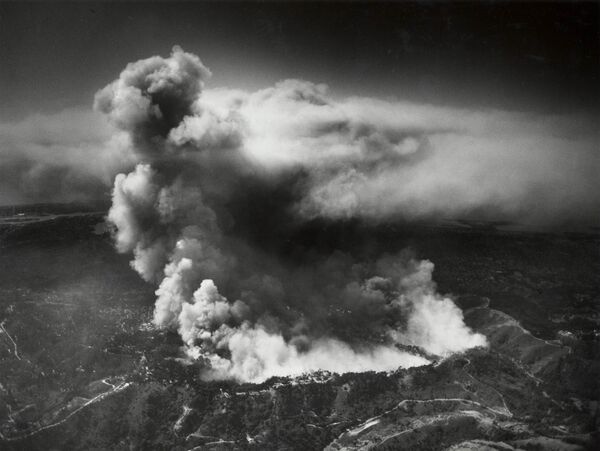
这已经成了一套常规流程:抓起应急包——我们的和狗的——以及藏在保险箱里的重要文件。(第一次时,我还莫名其妙地带了一个冲浪板;我猜我想着如果失去了一切,我真的需要在波浪中寻找禅意。)我们没有走远,只是下山去了我小姑子的住处。但考虑到我那虽然并非不合情理、却宛如世界末日般的噩梦——即一场烈火穿过这座城市烧到旧金山湾(San Francisco Bay),我们还有一个应急计划,那就是开车前往并在海岸的一个集合点会合。
It’s a routine: Grab the go bags — ours and the dog’s — along with essential documents stashed in the safe. (The first time, I also inexplicably brought a surfboard; I guess I thought if we lost it all, I’d really need to zen out on the waves.) We don’t go far, just down the hill to my sister-in-law’s place. But given my apocalyptic though not unreasonable nightmare that an inferno burns through the city to San Francisco Bay, we also have a contingency plan to take the cars and meet up at a rendezvous point on the coast.
湾区(Bay Area)的野火季相对平静,但上周三,当我在旧金山工作时,“守望职责”(Watch Duty)应用软件推送了一条警报,触发了我那应激的本能,警报称伯克利山发生了一起蔓延迅速的野火。那天恰逢奥克兰-伯克利山(Oakland-Berkeley Hills)特大火灾35周年纪念日,那场大火夺去了25人的生命,摧毁了3000栋房屋,这是一场作为年轻记者我曾报道过的深刻创伤。消防员在周三的大火蔓延到房屋之前将其扑灭,但那股肾上腺素飙升的感觉久久挥之不去。
It’s been a relatively calm wildfire season in the Bay Area, but last Wednesday Watch Duty triggered my reptilian brain with an alert about a fast-moving wildfire in the Berkeley Hills while I was at work in San Francisco. It happened to be the 35th anniversary of the Oakland-Berkeley Hills firestorm that killed 25 people and destroyed 3,000 homes, a searing trauma that I covered as a young journalist. Firefighters extinguished Wednesday’s blaze before it reached homes, but the adrenaline blast lingered.
“许多人正在经历一种高度警惕的状态,”斯坦福大学精神病学与行为科学讲师、研究气候压力的布里特·雷(Britt Wray)表示。“面对气候危机,我们明白这些都是现实的威胁,当我们看到它就在家门口发生时,就会激活你的威胁评估系统。”今年超级厄尔尼诺现象使这种警惕性大大增强,该现象正在推高气温、抬升海平面并在全球范围内引发破坏性风暴。就在我写作之际,加利福尼亚州正经历着破纪录的10月热浪,随着全州野火爆发,数万名居民正在疏散。
“There’s a kind of hypervigilance that many people are experiencing,” says Britt Wray, an instructor in psychiatry and behavioral sciences at Stanford who studies climate stress. “With the climate crisis, we understand that these are realistic threats, and when we see it on our doorstep it activates your threat-appraisal system.”That vigilance is being supercharged by this year’s super El Niño, which is spiking temperatures, raising sea levels and precipitating destructive storms worldwide. As I write, California is sweltering through a record October heat wave and tens of thousands of residents are evacuating as wildfires break out across the state.
与此同时,一个开尔文波正在逼近海岸。开尔文波在2026年已进入人们的词汇表,它曾是一个鲜为人知的气象奇观,是由厄尔尼诺现象引起的极端海洋变暖而产生的缓慢移动的水下波浪。它们可以将沿海海平面抬升一英尺以上,放大目前正在太平洋酝酿的风暴所造成的浩劫,并增加可能迫使居民疏散的洪水风险。
Meanwhile, a Kelvin wave approaches the coast. A once-obscure meteorological oddity that in 2026 has entered the lexicon, Kelvin waves are slow-moving underwater waves spawned by El Niño’s extreme ocean warming. They can raise coastal sea levels more than a foot, magnifying the havoc of storms now brewing in the Pacific and increasing the risk of flooding that could force residents to evacuate.
在其他地方,印度尼西亚燃烧的野火正用有毒烟雾笼罩东南亚,而极端降雨和洪水正困扰着亚洲、非洲和南美洲的国家。但是,对疏散保持警惕也是那些拥有逃生资源和去处的人的一种特权,而世界上很大一部分人并不具备这种选择。
Elsewhere, wildfires burning in Indonesia are blanketing Southeast Asia with toxic smoke while extreme rain and flooding are afflicting countries in Asia, Africa and South America. But evacuation watchfulness is also a privilege of those with the resources to escape and somewhere to go, an option not available to much of the world.
尽管如此,随着气候灾难不断累积,澳大利亚、欧洲和美国的政府已开始鼓励居民做好疏散的心理准备。在面临干旱、洪水和丛林大火周期不断缩短的澳大利亚,新南威尔士州乡村消防局敦促居民“考虑你的身体、心理和情绪准备情况”,并“计划尽早离开,远在火灾到达你所在地区之前、远在你受到威胁之前就离开”。
Still, governments in Australia, Europe and the US have begun encouraging evacuation mindfulness among their residents as climate calamities pile up. In Australia, which faces shortening cycles of drought, deluge and bushfire, the New South Wales Rural Fire Service urges residents to “consider your physical, mental and emotional preparedness” and “plan to leave early, well before a fire reaches your area and well before you are under threat.”
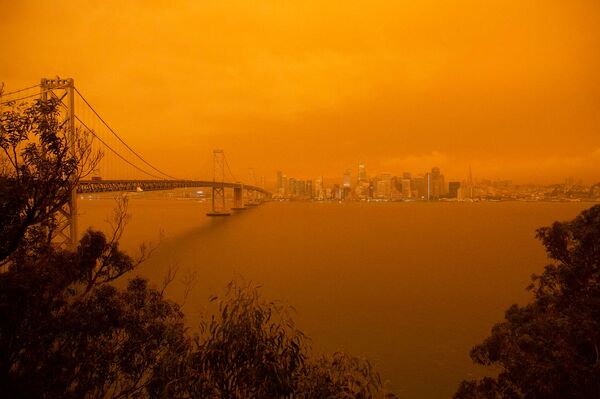
“我们现在生活在一个创伤层层叠加的时代,”加州大学旧金山分校精神病学教授埃莉萨·埃佩尔说,她帮助大学生应对气候压力。“新的常态就是预期灾难会发生。我们不知道它何时到来,但它可能随时到来。”埃佩尔的气候警觉始于2020年9月的一个早晨,当时她和旧金山湾区的其他人一觉醒来,发现北加州各地燃烧的野火让天空变成了末日般的橙色。
“We are now living in an era of cascading traumas,” says Elissa Epel, a professor of psychiatry at the University of California at San Francisco who helps college students cope with climate stress. “The new normal is to expect disaster. We don’t know when, but it could be at any time.”Epel’s climate vigilance kicked off one morning in September 2020, when she and the rest of the Bay Area woke to apocalyptic orange skies from wildfires burning across Northern California.
这种时刻保持的警觉,与许多人在思考受气候制约的未来时所经历的一般性生态焦虑不同,也与那些从野火或飓风中幸存下来的人所遭受的创伤不同。
This always-on alertness feels different from the general eco-anxiety many experience when thinking about a climate-constrained future, or the trauma suffered by those who’ve survived a wildfire or hurricane.
气候警觉会带来压力,但也可能有积极的一面,促使人们让自己的家更能抵御灾难,并制定疏散计划、付诸行动。心理健康专家表示,这种掌控感和为最坏情况做好准备的心态,有助于防止警觉演变成慢性压力。
Climate vigilance creates stress but can also have an upside, spurring people to make their homes more disaster-resilient and to develop and act on evacuation plans. That sense of agency and being ready for the worst can help keep watchfulness from spiraling into chronic stress, according to mental health experts.
我们门多西诺的周末结束时,大火仍在燃烧,高速公路仍然封闭。我们被迫寻找一条绕过野火的路,最终驶上了一条人迹罕至的道路,蜿蜒穿过由葡萄园和果园组成的田园乡村。有幸福的一个小时,“值班”应用悄无声息。
As our Mendocino weekend ended, the fires continued to burn, and the freeway remained closed. Forced to find a route around the wildfire, we ended up driving down a less-traveled road that winds through a bucolic countryside of vineyards and orchards. Watch Duty, for a blissful hour, fell silent.